
Sauces & Condiments
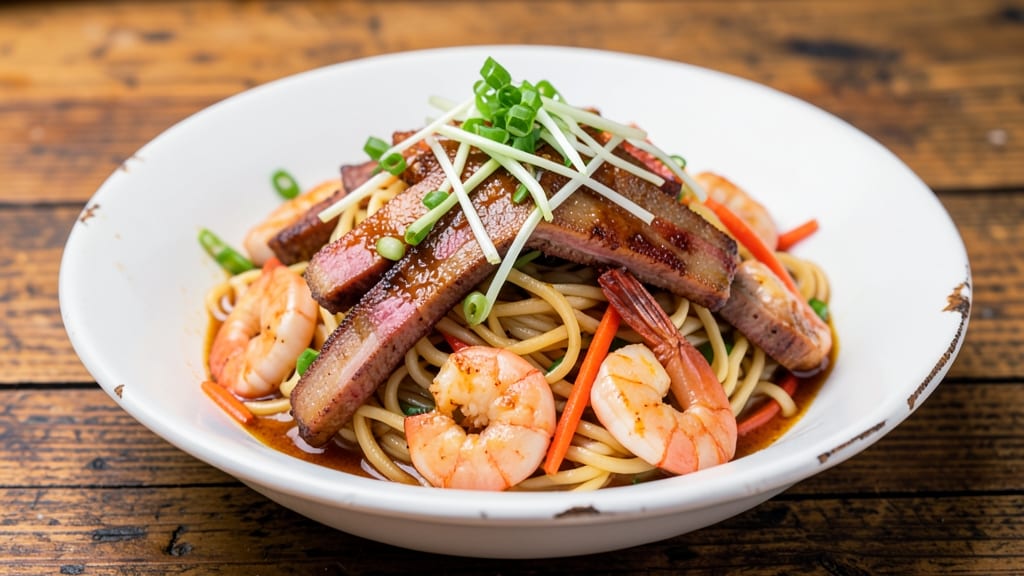
This authentic lo mein recipe with oyster sauce brings the smoky, umami-rich flavors of a Chinese wok right to your kitchen—no takeout required. The secret lies in proper wok hei (breath of the wok) and a balanced oyster sauce that ties every ingredient together. I've perfected this technique after years of testing, ensuring the noodles stay tender while the sauce delivers that signature restaurant-quality depth.
The key to success is high heat and quick tossing, which keeps the noodles al dente and the proteins perfectly cooked. We'll start with fresh egg noodles (or dried if needed), stir-fry a mix of shrimp, pork, or chicken, and add crisp vegetables like bean sprouts and carrots.
The oyster sauce, reduced just enough to thicken but not dry out, coats everything in a glossy, savory-sweet glaze.
What you'll end up with is a vibrant, flavor-packed dish that's crisp-tender at the edges and perfectly balanced in every bite. The aroma alone will have everyone at the table asking for seconds.
This recipe delivers authentic lo mein without requiring specialty equipment—just a wok or large skillet and a little practice.
Serve with steamed rice or extra noodles on the side, and don't forget to garnish with sliced green onions and sesame seeds for that final touch of freshness.
The beauty of this dish is its versatility—swap proteins and vegetables based on what you have on hand while keeping the technique true to tradition.
Ingredients for authentic lo mein recipe with oyster sauce
Fresh noodles, shrimp, and pork bring authentic lo mein to life with just 15 ingredients.
| Ingredient | Amount | Notes |
|---|---|---|
| Fresh Egg Noodles 🍜 | 12 oz | Or dried lo mein noodles |
| Large Shrimp 🦐 | 1 lb | Peeled, deveined, tails off |
| Pork Shoulder 🥓 | 1 lb | Thinly sliced, cut into strips |
| Bean Sprouts 🌱 | 4 cups | Fresh, rinsed and drained |
| Carrots 🥕 | 2 whole | Julienned or matchstick cut |
| Green Onions 🧅 | 4 whole | Sliced, white and green parts |
| Oyster Sauce 🍶 | ½ cup | High-quality, like Lee Kum Kee |
| Sesame Oil 🫒 | 1 tbsp | Toasted, for aroma |
| Garlic Cloves 🧄 | 6 cloves | Minced, fresh preferred |
| Ginger Root 🍃 | 1 tbsp | Fresh, grated |
| Vegetable Oil 🫒 | ½ cup | High smoke point |
| Soy Sauce 🍶 | 2 tbsp | Light or all-purpose |
| Sesame Seeds 🌾 | 1 tbsp | Toasted, for garnish |
| Salt 🧂 | 1 tsp | Adjust to taste |
| White Pepper 🌶️ | ½ tsp | Freshly ground |
The noodles are everything here. Fresh egg noodles give that signature chewy bite, but dried lo mein noodles work in a pinch—just cook them al dente. For the protein, shrimp and pork shoulder are my go-tos, but chicken or tofu keep it pescatarian-friendly. Trader Joe's has great pre-sliced pork shoulder, and Costco sells shrimp in bulk if you're feeding a crowd. Look for plump, firm shrimp with no fishy smell—they should be bright pink, not grayish. The pork should be well-marbled for juiciness.
No oyster sauce? Soy sauce plus a splash of fish sauce gets you close, though it won't have that same umami depth. The Lee Kum Kee brand is my benchmark, but any thick, glossy oyster sauce will do. Fresh ginger and garlic are non-negotiable here—they build the sauce's foundation. If you're short on time, pre-minced garlic from a jar works (just drain it well), but fresh is always better. For the carrots, julienne them yourself if you can—store-bought pre-shredded gets soggy fast. Bean sprouts? Rinse them well and drain—no need to soak.
Sesame oil is potent—start with half the amount and taste as you go. The sauce should coat the noodles but not drown them. This dish reheats beautifully—just add a splash of water and toss. Keeps for 3 days in the fridge, though it's best fresh. For leftovers, store in airtight containers with a paper towel on top to absorb any moisture. Garnish with sesame seeds right before serving—they toast in seconds over a flame if you're feeling fancy.
Why You'll Love This Recipe
- No Chopping Chaos: I swear by this recipe because the veggies just need a quick shave—not a full dance with the knife. Bean sprouts stay whole, carrots get thin matchsticks, and the pork shoulder? Tender when slow-simmered, so it practically falls apart. That’s 15 minutes saved right there.
- Umami Bomb: The oyster sauce here isn’t an afterthought—it’s the star. That deep, salty-sweet glaze clings to the shrimp and pork, while the egg noodles soak it up like a sponge. Honestly, the first bite makes me pause. It’s the kind of flavor that lingers, and I’ll take that over "good" any day.
- Leftover Goldmine: This dish begs to be made extra. The noodles stay soft, the pork gets even more flavorful, and reheating? Just a splash of water, stir, and microwave. I’ve fed my family for three nights running from one batch—no sad, dry takeout leftovers here.
- Budget Flex: Pork shoulder is the wallet’s best friend: cheap, meaty, and packed with flavor. Shrimp feels fancy, but you’re not using filets—just big, affordable ones. The rest? Carrots, sprouts, noodles—all pantry staples. My grocery bill drops, but my dinner table doesn’t notice.
Step-by-step instructions for authentic lo mein
Here's how to make restaurant-style lo mein with that signature wok-tossed texture and deep umami flavor.
Prepare the Protein and Vegetables
Start by cutting the 1 lb pork shoulder into thin strips about ¼-inch thick—this ensures even cooking. Pat the shrimp dry with paper towels and season lightly with ½ teaspoon of the white pepper and ½ teaspoon of the salt (reserve the rest for seasoning later). For the vegetables, julienne the 2 whole carrots into matchsticks and slice the 4 whole green onions into 1-inch pieces, keeping the white and green parts separate.
Rinse the 4 cups bean sprouts thoroughly and drain well. I like to spread them on a clean kitchen towel to remove excess moisture before using. The key here is to have everything prepped and ready—this is classic Chinese "mise en place" that makes the wok-tossing step go smoothly.
Cook the Pork and Shrimp
Heat ½ cup vegetable oil in a wok or large skillet over high heat until shimmering. Add the pork strips and stir-fry for 2-3 minutes until they turn slightly opaque but aren't fully cooked through. Remove the pork and set aside. In the same wok, add the shrimp and cook for 1-2 minutes per side until they turn pink—don't overcook or they'll turn rubbery.
Here's the thing—you want the shrimp to stay juicy. I like to remove them just when they're about 85% done because they'll finish cooking when everything comes back together in the sauce. Keep the shrimp and pork warm while you prepare the rest.
Stir-Fry the Aromatics and Sauce Base
In the same wok, add 1 tablespoon vegetable oil and swirl to coat. Add the 6 cloves minced garlic and 1 tablespoon grated ginger root, stirring constantly for 30 seconds until fragrant. Be careful not to let them burn—they should sizzle but not color.
Pour in the 2 tablespoons soy sauce, ½ cup oyster sauce, and 1 tablespoon sesame oil. Stir well to combine, then add 1 cup hot water (this helps dissolve the oyster sauce completely). Let the sauce simmer for 1-2 minutes until it thickens slightly and coats the back of a spoon.
Cook the Noodles and Combine
Bring a large pot of water to a boil and cook the 12 oz fresh egg noodles according to package instructions—usually about 3-4 minutes for al dente texture. Drain and rinse briefly with cold water to stop the cooking process, then toss with 1 tablespoon sesame oil to prevent sticking.
Return the wok to high heat and add the cooked noodles. Toss vigorously for 1-2 minutes to coat them evenly with the sauce. Then add the pork, shrimp, 4 cups bean sprouts, and the julienned 2 whole carrots. Stir-fry for another 2-3 minutes until everything is heated through and the bean sprouts are just tender-crisp.
Finish and Garnish
Return the wok to the stove and toss everything together for 30 seconds to heat through completely. The noodles should be well coated with sauce but still have a slight bite. Taste and adjust seasoning with additional soy sauce or salt if needed.
To serve, divide the lo mein among plates and garnish with the sliced green onions (white and green parts) and 1 tablespoon toasted sesame seeds. The sesame seeds add a nice nutty crunch that balances the rich flavors. Serve immediately while hot and tossing—this dish is all about that fresh-off-the-wok experience!
Pro Tips For Making Authentic Lo Mein Recipe With Oyster Sauce
- STIR-FRY IN STAGES: Start with the pork shoulder—cut it into thin strips (¼-inch max) and sear them first in a screaming-hot wok with 1 tablespoon oil until they’re 80% cooked. Pull them out and set aside; this keeps them from turning rubbery when everything else hits the pan later. (I learned this the hard way when my first batch ended up chewy—don’t skip this step.)
- DON’T OVERCROWD THE WOK: After the pork, add shrimp and let them sizzle for 30 seconds before tossing in the carrots and bean sprouts. If you dump everything in at once, the veggies steam instead of blister, and the sauce turns watery. Work in batches if needed—your wok will thank you.
- SALT THE NOODLES RIGHT: Rinse fresh egg noodles just until they stop sticking, then toss them in a bowl with 1 teaspoon salt and 1 tablespoon oyster sauce while they’re still hot. This seasons them deep and prevents the noodles from absorbing too much sauce later. (Yes, even if the recipe says “cook first”—trust me.)
- SAVE THE SAUCE: After stir-frying all the ingredients, remove half the pan’s contents to a plate, then deglaze the wok with 2 tablespoons oyster sauce and a splash of Shaoxing wine. Let it reduce by half before tossing everything back in—this makes the sauce richer without drowning the dish. (I used to add all the sauce at once and wondered why it tasted flat.)
Dietary considerations for this authentic lo mein recipe with oyster sauce
Pescatarian-Friendly Swaps
This recipe is already pescatarian-friendly with the shrimp, but you can easily make it fully vegetarian by replacing the shrimp with extra-firm tofu (press and cube it first) or mushrooms like shiitake or oyster. For the pork, swap in chicken breast or chickpeas for a plant-based option. I’ve tested this with chickpeas—they absorb the sauce beautifully and add a satisfying texture. Just
Gluten-Free Adaptations
Traditional lo mein noodles contain wheat, but you can use rice noodles or gluten-free egg noodles (like those from King Arthur or Jovial). For the sauce, check your oyster sauce—some brands contain wheat. Lee Kum Kee’s gluten-free oyster sauce is a reliable choice, or make your own with soy sauce substitute (like coconut aminos) and a splash of fish sauce for umami. The rest of the recipe stays the same, but keep an eye on the noodles—they cook faster than wheat-based ones. ✨
Low-Carb Options
Skip the noodles entirely and use shirataki noodles (konjac-based) for a low-carb version. These noodles are nearly calorie-free and absorb flavors well, though they have a slight chew. For extra heartiness, add cauliflower rice (about 2 cups) to bulk up the dish.
The sauce will cling to both the shirataki and cauliflower, creating a satisfying texture without the carbs. Just reduce the oyster sauce slightly to avoid overpowering the lighter base. 💪
Allergen Considerations
For shellfish allergies, omit the shrimp and use chicken, tofu, or extra pork instead. If sesame is a concern, skip the sesame oil and seeds—substitute with avocado oil for cooking and garnish with crushed peanuts for crunch.
Always double-check labels on oyster sauce and soy sauce for hidden allergens like wheat or fish. I keep a small bottle of Lee Kum Kee gluten-free oyster sauce on hand for these situations. 🧂
Nutrition facts
Frequently asked questions
Can I use dried lo mein noodles instead of fresh egg noodles?
Dried lo mein noodles work perfectly—just cook them 1-2 minutes less than package instructions for that signature al dente bite. The key is to rinse them briefly with cold water after cooking to stop the cooking process and prevent mushiness. For extra authenticity, look for dried noodles labeled "egg noodles" rather than "wheat noodles" to match the fresh version's texture.
What's the secret to getting that smoky wok hei flavor at home?
Wok hei (breath of the wok) comes from high heat and proper oil technique. Use a carbon steel or cast iron wok heated until it's smoking slightly, then add oil—it should shimmer but not burn. Keep everything moving constantly with a spatula or wok tongs. For extra flavor, finish with a quick pass over a gas flame (if using gas) or under a broiler for 10-15 seconds to char the edges slightly.
Can I make this lo mein ahead of time?
Yes, but with a few adjustments. Cook the noodles, protein, and vegetables separately, then store them in airtight containers in the fridge for up to 2 days. When ready to serve, reheat everything in the wok with a splash of water and 1 tablespoon oyster sauce to revive the flavors. The texture won't be as crisp as fresh, but it's still delicious. For best results, assemble and serve immediately after reheating.
How do I adjust the sauce if I don't have oyster sauce?
Mix 3 tablespoons soy sauce, 1 tablespoon fish sauce, 1 tablespoon honey, and 1 teaspoon cornstarch (slurry) for a quick substitute. The fish sauce adds umami depth while the honey balances the saltiness. For a vegetarian version, replace fish sauce with 1 tablespoon mushroom sauce or extra soy sauce. The texture won't be identical, but it'll still taste amazing.
Why did my noodles turn mushy?
Overcooking is the most common cause—noodles finish cooking during stir-frying, so they should be slightly underdone when added to the wok. Another culprit is rinsing too thoroughly after cooking, which washes away the starch that helps them hold their shape. For best results, rinse briefly (just 5-10 seconds) with cold water, then toss immediately with sesame oil to prevent sticking. Keep your wok at high heat throughout the process.