
Sauces & Condiments
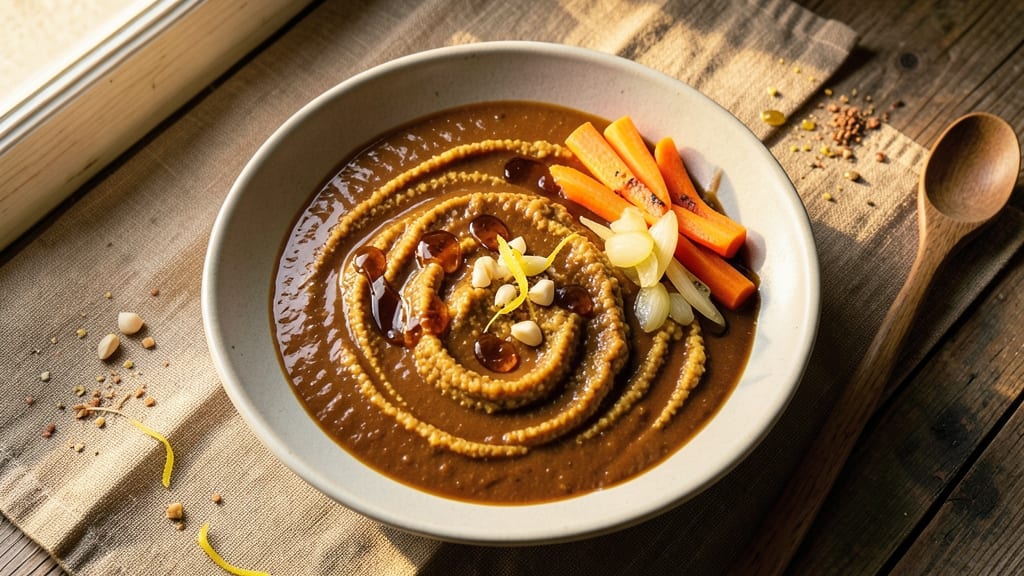
This authentic katsu curry sauce recipe delivers the rich, umami-packed depth that makes tonkatsu a Japanese comfort food staple. 🌟 The secret lies in a carefully balanced blend of Japanese curry roux, aromatic spices, and slow-simmered broth that develops complex layers of flavor—sweet, savory, and slightly smoky—without overpowering the crispy pork cutlet it accompanies.
What sets this sauce apart is the precise technique of creating a smooth, velvety roux that forms the foundation. Unlike instant curry powders, this version builds flavor through gradual simmering, allowing the spices to meld into a harmonious base.
The addition of Worcestershire sauce and a touch of honey creates that signature Japanese sweetness while maintaining authentic depth.
By the time you're done, you'll have a sauce that's perfectly balanced—neither too sweet nor overly spicy—with a velvety texture that clings beautifully to tonkatsu.
The aroma alone will transport you to a Tokyo izakaya, where this sauce is served piping hot over crispy pork, accompanied by steamed rice and pickled vegetables.
This recipe makes enough for four generous servings, with leftovers storing well in the refrigerator for up to five days. The sauce actually improves overnight as the flavors continue to develop, making it perfect for meal prep or when you want to impress guests with restaurant-quality results at home.
Ingredients for authentic katsu curry sauce
Nine ingredients, one sauce that tastes like Tokyo izakaya magic.
| Ingredient | Amount | Notes |
|---|---|---|
| Japanese Curry Roux 🌶️ | ½ cup | Store-bought or homemade roux |
| Yellow Onion 🧅 | 1 medium | Chopped into small dice |
| Carrots 🥕 | 2 medium | Peeled and sliced into thin rounds |
| Garlic Cloves 🧄 | 4 cloves | Minced for aromatic depth |
| Worcestershire Sauce 🍶 | 1 tbsp | For umami richness |
| Honey 🍯 | 1 tbsp | Lightly sweetens without overpowering |
| Chicken Stock 🍲 | 2 cups | Homemade or high-quality store-bought |
| Dried Thyme 🌿 | ½ tsp | Earthy depth to balance flavors |
| Ground Black Pepper 🌶️ | ½ tsp | Freshly ground for best flavor |
| Extra-Virgin Olive Oil 🫒 | 1 tbsp | For sautéing vegetables |
The Japanese curry roux is non-negotiable here—it's the heart of the sauce. Mae Ploy or S&B Golden Curry roux are my go-tos, but any quality brand works. For the onion and carrots, Japanese sweet potatoes (satsumaimo) can replace half the carrots for extra authenticity. The garlic? Elephant garlic if you're feeling fancy, but regular works just fine. Slice the carrots thinly so they melt into the sauce rather than staying chunky. The onion should be finely chopped—almost like a confit texture by the end.
No Worcestershire? Soy sauce plus a dash of fish sauce gets you close, though the umami won't be identical. Running short on honey? Maple syrup at half the amount works in a pinch. The chicken stock is where flavor builds—don't use low-sodium unless you're adding salt separately. For extra depth, a splash of mirin (1 tsp) can replace some of the honey. The thyme is subtle but essential—if you've got fresh, use half the amount. And for the love of all things crispy, don't skip the olive oil—it prevents the roux from burning while building flavor.
This sauce gets better with time—2-3 days in the fridge is ideal if you can wait. Portion into containers with a thin layer of oil on top to preserve that velvety texture. Freezes beautifully for up to 3 months, though the texture might separate slightly when reheated. Always reheat gently on low heat, stirring constantly. And here's a pro tip: Add a splash of water or stock when reheating—it helps restore that perfect consistency.
Why You'll Love This Recipe
- One-Pot Magic: I swear by this—just toss the roux, onions, and carrots in one pot, let it simmer, and boom. No extra bowls, no mess. The Worcestershire sauce ties it all together with that deep umami punch, and honestly? I’ve made this while scrolling through my phone. That’s how effortless it is.
- Umami Bomb: Between us, the garlic and Worcestershire sauce combo is chef’s kiss—savory, slightly tangy, with that caramelized onion sweetness cutting through. The Japanese curry roux adds this warm, spiced richness that makes every bite feel like a hug. (Yes, even on a Tuesday night.)
- Meal Prep MVP: This sauce keeps for days in the fridge—perfect for batch cooking. Toss it with leftover chicken katsu, rice, or even roasted veggies. I make a double batch on Sundays because my kids beg for it all week. (And it’s way cheaper than takeout.)
- Budget Stretch: A single bag of curry roux and a few fresh veggies feed my family for three meals. No fancy ingredients, no wasted leftovers—just pure, reliable flavor. My wallet thanks me every time. (Not the prettiest, but the taste makes up for it.)
Step-by-step instructions for authentic katsu curry sauce
Here's how to build layers of umami and depth—just like Tokyo's best curry houses.
🍳 Step 1: Sauté the Aromatic Vegetables
Heat the 1 tablespoon extra-virgin olive oil in a medium saucepan over medium heat. Add the 1 medium yellow onion and 2 medium carrots, stirring occasionally for 5-6 minutes until the onions soften and the carrots begin to caramelize slightly. You're looking for a golden hue—not browned—because we want sweetness to shine through.
Here's the thing—don't rush this step. The onions should become translucent and the carrots should release their natural sugars. If you see the bottom getting too dark, reduce heat slightly. Now add the 4 cloves minced garlic and cook for another 30 seconds until fragrant. That garlic aroma is your signal it's ready for the next stage.
🥘 Step 2: Build the Sauce Base
Pour in the 2 cups chicken stock and bring to a gentle simmer. Add the 0.5 cup Japanese curry roux, stirring constantly with a wooden spoon to dissolve completely. The roux will thicken the sauce and create that signature curry body. Let it simmer for 5 minutes until the roux is fully incorporated and the mixture becomes smooth.
This is where authenticity happens. The roux contains the curry powder blend that gives katsu curry its distinctive flavor. Stir frequently to prevent clumping—those little lumps can turn your sauce grainy. If the mixture looks too thick, add 1-2 tablespoons water to reach a pourable consistency.
🍳 Step 3: Layer in Umami and Sweetness
Add the 1 tablespoon Worcestershire sauce and 1 tablespoon honey, stirring well to combine. The Worcestershire brings deep umami complexity while the honey adds just enough sweetness to balance the savory notes. Let the sauce simmer gently for 3-4 minutes until the flavors meld together.
Here's where it gets interesting: the honey should dissolve completely, but don't overcook it or you'll lose that delicate sweetness. Taste the sauce now—it should be rich and slightly tangy. If it needs more depth, add a pinch more Worcestershire. For brightness, a squeeze of lemon juice works wonders, but we're keeping it traditional today.
⏰ Step 4: Season and Simmer to Perfection
Add the 0.5 teaspoon dried thyme and 0.5 teaspoon ground black pepper, stirring to distribute evenly. Let the sauce simmer gently for 8-10 minutes until it thickens to a glossy, coatable consistency. You want it to cling to the back of a spoon without being gluey.
The final texture should be velvety yet still pourable—thick enough to coat meat but light enough to flow. If it thickens too much, whisk in 1 tablespoon water at a time until you reach the perfect balance. The sauce should smell complex: sweet from the honey, earthy from the thyme, and deeply savory from the roux and Worcestershire.
🍽️ Step 5: Rest and Serve
Remove the sauce from heat and let it rest for 5 minutes. This resting period allows all the flavors to fully integrate. Taste again now—you might find it needs a final adjustment. A pinch more salt or a splash of water can perfect it.
Serve immediately over your choice of protein—traditionally tonkatsu pork cutlets, but chicken or beef work beautifully too. The sauce should coat the meat completely, creating that perfect balance of sweet, savory, and umami in every bite. For extra authenticity, serve with steamed rice and pickled vegetables on the side.
Pro Tips For Making Authentic Katsu Curry Sauce
- Bloom the Onion First: I used to chop onions and toss them straight into the pot—big mistake. Slice the yellow onion thin, then soak it in cold water for 10 minutes before cooking. This mellows the sharpness and keeps the sauce from tasting bitter. Drain well before adding to the roux.
- Low and Slow with Roux: Japanese curry roux burns faster than you think. After adding the roux, drop the heat to medium-low and stir constantly for the first 5 minutes. If it darkens too quickly, you’ll end up with a bitter, smoky flavor instead of that rich, caramelized depth.
- Grate, Don’t Dice Carrots: Skip the knife for the carrots—grate them fine, almost like matchsticks. This ensures even cooking and a smoother texture in the sauce. (Yes, it looks weird, but it disappears into the sauce perfectly.)
- Worcestershire Last, Not First: I learned this the hard way—adding Worcestershire early can make the sauce taste harsh. Stir it in only after the roux is fully dissolved and the onions are soft. A splash at the end balances the flavors without overpowering.
Common mistakes when making perfect results
Burning the Roux
Watch your heat like a hawk when adding the curry roux—this is where most home cooks go wrong. If your pan is too hot, the roux can scorch and develop bitter, burnt flavors that ruin the entire sauce.
I always reduce heat to medium-low before adding it, then stir constantly for the first 2 minutes until fully dissolved. If you see any browned bits forming, immediately add 1-2 tablespoons of stock to deglaze and smooth it out. 🔥
Skipping the Simmer Time
Rushing the simmer is a classic mistake that leads to an underdeveloped sauce. The 8-10 minute gentle simmer is crucial for building depth—this is when the flavors meld together and the sauce thickens properly.
I’ve seen people walk away after 5 minutes, only to end up with a thin, flavorless glaze. Set a timer and let it work its magic; patience here makes all the difference.
Overthickening the Sauce
Some recipes call for reducing the sauce until it’s almost paste-like, but that’s not what we want here. Katsu curry sauce should be velvety yet pourable—thick enough to coat meat but still flow gracefully. If your sauce gets too thick, resist the urge to add more roux.
Instead, whisk in 1 tablespoon of stock at a time until you reach the perfect consistency. Overthickening can make the sauce gluey and lose its beautiful gloss.
Ignoring the Resting Period
Letting the sauce rest for 5 minutes after cooking might seem trivial, but it’s where the magic happens. This short pause allows the flavors to fully integrate and the texture to stabilize.
Skipping it can result in a sauce that’s either too thin or separates when served. Think of it like resting meat—it’s a non-negotiable step for the best results. ✨
Using Low-Quality Roux
The curry roux is the soul of this sauce, so don’t skimp on quality. Store-bought roux like Mae Ploy or S&B Golden Curry are designed for authenticity, while cheaper brands often lack the balanced spice profile.
If you’re making your own roux, take your time toasting the spices—burnt spices taste bitter and overpower the delicate flavors of the sauce. A good roux should smell warm, earthy, and inviting, not harsh or smoky.
Not Tasting Along the Way
Many cooks add all the ingredients and assume the sauce will taste perfect without tasting until the end. But katsu curry sauce is all about balance—sweet, savory, and umami need to harmonize. Taste as you go: after adding the Worcestershire, after the honey, and definitely before serving.
Adjust with a pinch of salt, a splash of stock, or even a tiny bit more honey if needed. Your taste buds are your best tool for getting it right. 💡
Nutrition facts
Frequently asked questions
Can I substitute Japanese curry roux with regular curry powder?
Not directly—Japanese curry roux is pre-blended with spices and fats for that signature smooth texture. For a similar effect, mix 2 tablespoons curry powder with 1 tablespoon flour and 1 tablespoon oil, then toast gently in a dry pan for 2 minutes before adding to the sauce. The flavor won't be identical, but it works in a pinch.
How do I make this sauce spicier?
Add ½ teaspoon chili flakes or 1 teaspoon gochujang (Korean chili paste) when simmering, or increase the curry roux by 1 tablespoon (most store-bought roux contains mild spices). For heat control, start with half the amount and adjust to taste—Japanese katsu curry is traditionally mild.
Can I make this sauce without Worcestershire sauce?
Yes! Replace it with 1 tablespoon soy sauce plus ½ teaspoon fish sauce for umami depth. For a vegetarian option, use 1 tablespoon tamari (gluten-free soy sauce) and ½ teaspoon mushrooms (soy sauce)**. The Worcestershire adds complexity, but these alternatives work well.
Why does my sauce look grainy?
Graininess usually means the roux didn't dissolve fully. Stir more vigorously when adding it to the stock, or reduce heat to medium-low and simmer for an extra 3-5 minutes. If lumps persist, blend the sauce briefly with an immersion blender—just until smooth, then reheat.
How long can I store leftover sauce?
The sauce keeps for 5 days in the fridge, or 3 months in the freezer. For fridge storage, cover tightly with plastic wrap pressed directly on the surface to prevent a skin from forming. Reheat gently on low heat, stirring often—add 1 tablespoon water if it thickens too much.