
Sauces & Condiments
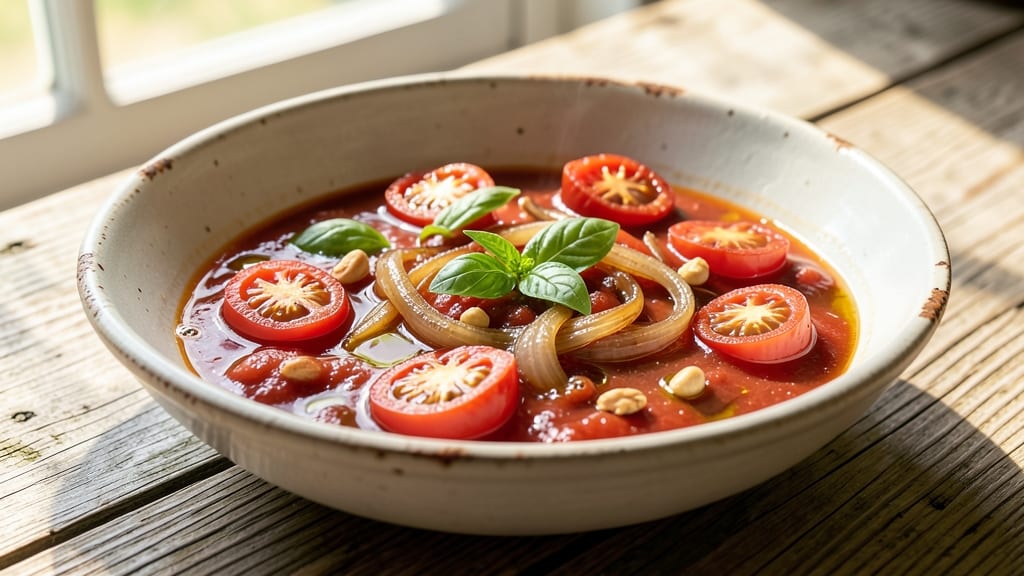
This basic Italian tomato sauce recipe transforms simple ingredients into the heart of every Italian meal—rich, aromatic, and built to elevate pasta, pizza, or grilled proteins. The secret lies in slow simmering, where garlic and basil infuse the tomatoes with deep, savory notes that develop over time.
I’ve perfected this version to balance simplicity with restaurant-quality depth, ensuring you never need store-bought again.
Start with fresh tomatoes (or high-quality canned San Marzano) and a splash of olive oil to create a base that’s both vibrant and balanced. Aromatics like garlic and onions form the foundation, while a pinch of sugar and red pepper flakes add subtle complexity.
The sauce thickens naturally as it simmers, creating a velvety texture that clings perfectly to noodles or crusts.
What you’ll end up with is a versatile, foolproof sauce that’s ready in under 45 minutes but tastes even better the next day. The slow cook reduces excess acidity, concentrating flavors into a smooth, aromatic paste.
This isn’t just a sauce—it’s the backbone of Italian cooking, adaptable to your favorite dishes with just a few added herbs or spices.
Use it immediately over al dente pasta, drizzle it on bruschetta, or store it in the fridge for up to 5 days. The possibilities are endless, but the technique remains the same: patience and fresh ingredients make all the difference. Let’s get started.
Ingredients for basic italian tomato sauce
Fresh tomatoes, aromatic garlic, and fragrant basil—this sauce is all about simple ingredients simmered to perfection.
| Ingredient | Amount | Notes |
|---|---|---|
| Fresh Roma Tomatoes 🍅 | 2 lbs | Ripe, firm, halved and seeded |
| Extra-Virgin Olive Oil 🫒 | ½ cup | High-quality, fruity variety |
| Yellow Onion 🧅 | 1 whole | Medium size, finely chopped |
| Garlic Cloves 🧄 | 4 cloves | Fresh, minced for aromatic base |
| Canned San Marzano Tomatoes 🍅 | 1 can | 28 oz, crushed by hand |
| Fresh Basil Leaves 🌿 | ½ cup | Packed, stems removed |
| Granulated White Sugar 🍚 | 1 tbsp | Balances acidity naturally |
| Red Pepper Flakes 🌶️ | ½ tsp | Adjust for desired heat |
| Diamond Crystal Kosher Salt 🧂 | 1 tsp | For seasoning and balance |
| Dried Oregano 🍃 | ½ tsp | Italian variety preferred |
The tomatoes are the soul of this sauce. Roma tomatoes have the best texture, but any ripe, firm variety works—just avoid the mushy ones. If you're using fresh, San Marzano canned tomatoes are my go-to backup for consistency. The olive oil should be extra-virgin and fruity—none of that cheap cooking oil stuff. I grab mine from Whole Foods or Trader Joe's where they have the good stuff. For garlic, fresh is non-negotiable—dried won't give you that sweet, mellow flavor. Chop it finely so it melts into the sauce without chunks. The basil? Fresh leaves only—dried just won't cut it here.
No fresh tomatoes? Canned crushed tomatoes work perfectly—just make sure they're high-quality. Swap the Roma tomatoes for one 28 oz can of San Marzano. Running low on basil? Fresh parsley at half the amount gives a similar bright note. The sugar balances the acidity—brown sugar works too if you're out of white. For heat, crushed dried chili flakes are a good substitute. If you're making a big batch, double the garlic and basil—trust me, it's worth it. The oregano should be Italian or Mediterranean blend—regular oregano won't have that same depth.
This sauce tastes even better the next day as the flavors meld. Store it in the fridge for up to 5 days—just skim off any hardened oil that rises to the top before reheating. For freezing, portion into ice cube trays or small jars—perfect for adding to pasta later. If you make a big batch, freeze half right away. The sauce thickens as it cools, so add a splash of water or broth when reheating. Always taste as you go—adjust salt and sugar to your preference.
Why You'll Love This Recipe
- Minimal Chopping Required: I swear by this—just one onion and a handful of garlic, no fancy knife work. The Roma tomatoes barely need prep either; a quick crush or chop and you’re golden.
- San Marzano Magic: Honestly, the difference between this sauce and others? Those canned San Marzano tomatoes. They’re sweet, meaty, and dissolve into a velvety base without tasting canned—just pure, bright Italian flavor.
- Pasta Party or Potluck: Between us, this sauce is my go-to for weeknight dinners and holiday gatherings. Toss it with spaghetti for a crowd or serve it alongside grilled chicken—it’s that adaptable. (Yes, even on a Tuesday night.)
- Fridge Goldmine: I make double batches because this sauce only gets better after a day in the fridge. The flavors meld into something deeper, and it stretches across three meals without losing its punch. Budget win, time win.
Step-by-step instructions for simmered Italian tomato sauce
This sauce builds flavor through patience—let's create something rich and aromatic that'll make your pasta shine.
Sauté the Aromatics in Olive Oil
Heat the 0.5 cup extra-virgin olive oil in a heavy-bottomed saucepan over medium-low heat. Add the 1 whole yellow onion and cook for 5-6 minutes, stirring occasionally, until it becomes translucent and just begins to soften. I like to press down gently on the onion with a wooden spoon—this helps release more flavor into the oil.
Next, add the 4 cloves minced garlic and cook for another 30 seconds until fragrant. Watch carefully—garlic burns quickly, and you want that nutty aroma without bitterness. The onions should be golden at the edges by now, indicating they've released their sweetness. If you smell any sharpness, reduce the heat slightly.
Add Tomatoes and Simmer for Depth
Pour in the 2 lbs halved and seeded fresh Roma tomatoes, crushing them slightly with your hands as you add them. This helps break down their skins and releases more juice. Stir everything together and bring the mixture to a gentle simmer over medium heat. Let it cook uncovered for 15 minutes, stirring occasionally, until the tomatoes break down and the sauce begins to thicken.
Here's where the magic happens: the acidity from the tomatoes will make the sauce bubble vigorously at first, but as it simmers, it'll mellow into a rich, velvety base. I like to taste it at this stage—it should be tangy with a touch of sweetness from the onions. If it's too acidic, we'll balance it in the next step.
Incorporate Canned Tomatoes and Seasonings
Add the 1 can crushed San Marzano tomatoes, the 1 tbsp granulated white sugar, 1 tsp Diamond Crystal kosher salt, 0.5 tsp dried oregano, and 0.5 tsp red pepper flakes. Stir well to combine, then reduce the heat to low. Let the sauce simmer gently for 20-25 minutes, stirring occasionally. This slow cook time allows all the flavors to meld together beautifully.
The sugar will help balance the acidity from the tomatoes, while the oregano and red pepper flakes add that classic Italian depth. The sauce should thicken noticeably as it simmers—if it gets too thick, you can add a splash of water to loosen it. I usually check it at the 20-minute mark and adjust the heat as needed to maintain a gentle simmer.
Finish with Fresh Basil and Rest
Remove the saucepan from heat and stir in the 0.5 cup fresh basil leaves. Let the sauce sit for 5 minutes to allow the basil to infuse its bright, fresh flavor. Taste and adjust the seasoning if needed—you might want to add a pinch more salt or red pepper flakes to taste.
This is where the sauce truly comes together. The fresh basil adds a vibrant contrast to the deep, simmered flavors of the tomatoes and aromatics. For the best texture and flavor, let the sauce rest for 10-15 minutes before serving. This resting period allows the flavors to settle and the sauce to thicken slightly, making it perfect for tossing with pasta or using in other dishes.
Pro Tips For Making Basic Italian Tomato Sauce
- SWEAT THE ONION LOW: I used to rush this step and wonder why my sauce tasted flat. Cook the diced onion in olive oil over medium-low heat until it’s just translucent—about 8-10 minutes—so it melts into the sauce instead of sitting there like a chewy afterthought. (Yes, even if you’re impatient like me.)
- BLISTER THE GARLIC: After burning three batches, I finally figured out: crush the garlic cloves with the flat side of your knife before adding them to the pan. Then, cook them in the oil for 30 seconds until they’re golden but not crispy—this adds depth without bitterness. (No, you don’t need to watch them like a hawk.)
- SMASH THE ROMA TOMATOES: Skip the knife and just dump whole Roma tomatoes into a bowl, then crush them with your hands—skins and all. The skins soften into the sauce, adding texture and a subtle sweetness. (Does it look weird? Yes. Does it work? Every single time.)
- SIMMER THE CANNED TOMATOES: Once you add the San Marzano tomatoes, turn the heat down to the lowest setting and let it bubble gently for at least 20 minutes. This lets the flavors meld without breaking down the tomatoes into mush. (I know, I know—you want it faster, but trust the process.)
Common mistakes when making this dish
Overcooking the Tomatoes
Tomatoes release water as they simmer, and pushing them too long turns your rich sauce into a watery mess. I’ve seen this happen when people crank the heat or forget to stir occasionally. The goal is a thick, velvety consistency—not a thin, soupy liquid.
If your sauce starts looking too thin after 20 minutes, reduce the heat to low and let it simmer uncovered. Skim off any hardened oil that rises to the top while it cooks. 🌡️
Skipping the Sugar
That 1 tablespoon of sugar isn’t just for sweetness—it balances the acidity in tomatoes, which can make your sauce taste sharp or even bitter if unchecked. I’ve made this mistake and ended up with a sauce that needed extra salt to compensate.
If you’re using very ripe tomatoes, you might even reduce the sugar to ½ tablespoon, but don’t skip it entirely unless your tomatoes are naturally low in acid.
Burning the Garlic
Garlic burns in seconds, and once it turns bitter, there’s no fixing it. I’ve ruined more sauces than I’d like to admit by walking away for just a minute while the garlic cooks.
Keep the heat at medium-low and watch it like a hawk—it should smell nutty and fragrant, not sharp or pungent. If it starts to darken, immediately remove the pan from heat and stir in the tomatoes to cool it down.
Using Low-Quality Olive Oil
Cheap olive oil lacks the fruity depth needed to elevate this sauce. I used to grab whatever was on sale, but after tasting the difference, I now only use extra-virgin olive oil from trusted brands like Colavita or Bertolli.
The flavor profile changes dramatically—your sauce will taste flat and one-dimensional if you cut corners here. Invest in a good bottle; it makes all the difference.
Adding Basil Too Early
Fresh basil wilts and turns bitter if added too soon. I learned this the hard way when I tossed it in during the simmer. Instead, wait until the very end—just 5 minutes off the heat—to let those bright, herbal notes shine without overpowering the other flavors.
If you’re worried about it wilting, chop it finely and stir it in right before serving. 🌿
Ignoring the Resting Time
Rushing to serve the sauce right after cooking means missing out on its full potential. The flavors need 10-15 minutes to meld and thicken as they rest. I’ve served it immediately and always regretted it—the texture was off, and the flavors weren’t as cohesive.
Patience here is key; let it sit covered at room temperature before serving. Trust me, your taste buds will thank you. ⏳
Nutrition facts
Frequently asked questions
Can I make this sauce without fresh tomatoes?
For a 100% canned version, simply replace the 2 lbs fresh Roma tomatoes with 3 cans (28 oz each) of San Marzano tomatoes, crushed by hand. The canned tomatoes provide consistent flavor and acidity balance, making this a great option when fresh tomatoes aren't available. Just reduce the sugar to ½ tablespoon since canned tomatoes are less acidic than fresh.
How do I adjust the thickness for different dishes?
For pasta or pizza, leave the sauce as-is—it should coat the back of a spoon. If too thick, add 1-2 tablespoons of water or pasta water while simmering. For dipping sauces, thin with 1-2 tablespoons of water or broth and add a splash of red wine vinegar (1 tsp) for brightness. Always taste as you go!
Can I add meat to this sauce?
Yes! For a meat-based variation, brown ½ lb Italian sausage or ground beef first, then proceed with the recipe. Drain excess fat before adding tomatoes. For authentic Italian flavor, use pancetta or guanciale (diced and rendered until crispy) instead of sausage. Add meat in Step 1 when sautéing onions.
Why does my sauce taste too acidic?
This usually happens when tomatoes aren't fully cooked or sugar is omitted. Simmer longer (up to 45 minutes) to reduce acidity, or add ½ teaspoon more sugar and cook 5 more minutes. For an instant fix, stir in 1 teaspoon of tomato paste (it thickens and mellows flavors). Always taste as you go!
How long will this sauce keep in the fridge?
Store in an airtight container for up to 5 days. The flavors actually improve overnight! Before reheating, skim off any hardened oil that rises to the top. For longer storage, freeze portions in ice cube trays or small jars—perfect for adding to pasta later. Thaw in the fridge overnight.