
Sauces & Condiments
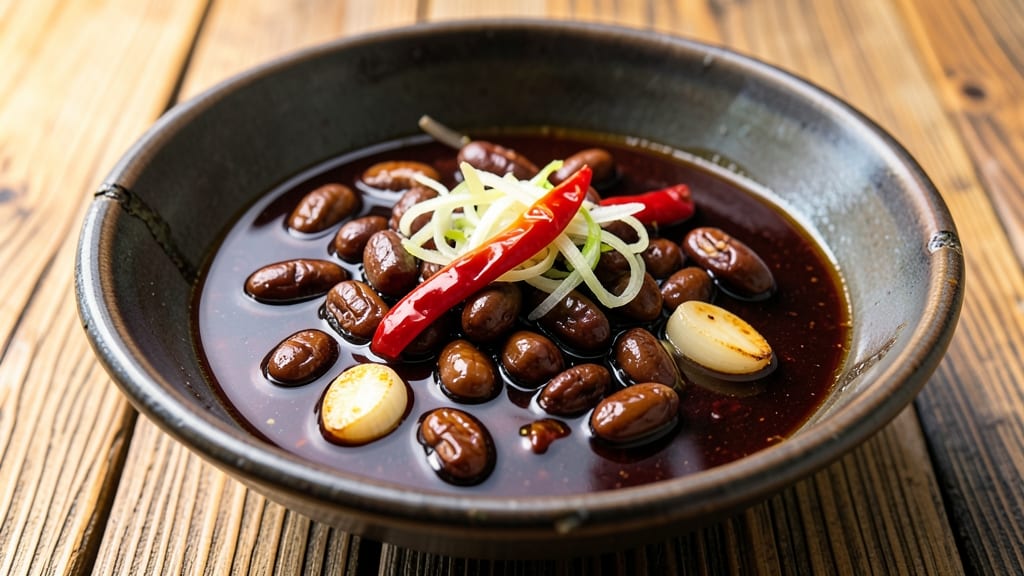
This authentic Hunan sauce recipe delivers the complex, fiery umami that defines Sichuan cuisine—where fermented black beans, chili oil, and aged soy sauce create a sauce that’s both bold and balanced. 🔥 The secret lies in layering flavors through slow reduction and proper fermentation, transforming simple ingredients into something deeply savory with a lingering heat.
Unlike store-bought versions, this sauce builds depth through time, with each component playing its part in harmony.
The foundation starts with fermented black beans, which provide that signature umami richness, while chili oil adds the signature Sichuan heat without overpowering. A touch of garlic, ginger, and star anise rounds out the flavor profile, creating a sauce that’s versatile enough for stir-fries, dumplings, or even noodle dishes.
The key is patience—letting the sauce simmer until it thickens into a glossy, clingy consistency that clings to every bite.
What sets this recipe apart is its authenticity: no shortcuts, no artificial flavors, just the real deal. The result is a sauce that’s fiery yet balanced, with layers of fermented depth and a heat that builds gradually.
It’s the kind of sauce that transforms ordinary dishes into something extraordinary, making every meal feel like a taste of China’s most vibrant culinary region.
Whether you're cooking for a crowd or prepping for the week, this sauce keeps well in the fridge and only gets better with time. Perfect for those who crave bold, complex flavors without the guesswork. Let’s get started—your taste buds will thank you.
Ingredients for authentic hunan sauce
Ten ingredients, bold flavors—this sauce delivers authentic Hunan depth with fermented complexity and Sichuan heat.
| Ingredient | Amount | Notes |
|---|---|---|
| Fermented Black Beans 🫘 | ½ cup | Aged 1-2 years for maximum umami |
| Chili Oil 🌶️ | ¼ cup | Homemade or high-quality store-bought |
| Light Soy Sauce 🥄 | ½ cup | Aged 2+ years preferred |
| Dark Soy Sauce 🍶 | ¼ cup | For deeper color and sweetness |
| Garlic Cloves 🧄 | 6 cloves | Minced, not pre-minced jarred |
| Fresh Ginger 🌿 | 1 ½ tbsp | Finely grated, skin removed |
| Star Anise Pods 🌟 | 2 whole | Crushed lightly for aroma |
| Sichuan Peppercorns 🌶️ | 1 tsp | Toasted for maximum numbing heat |
| Dried Red Chilies 🔥 | 2 whole | Ancho or guajillo preferred |
| Shaoxing Wine 🍷 | ¼ cup | Substitute with dry sherry |
Fermented black beans are the umami backbone—look for aged varieties (1-2 years) at Asian markets or specialty stores like H Mart. The chili oil should be homemade if possible, but Lao Gan Ma brand is a solid shortcut. Star anise and Sichuan peppercorns are non-negotiable for authenticity; Penzeys Spices carries high-quality whole spices. For the chilies, dried ancho or guajillo add sweetness without overpowering heat. Shaoxing wine can be swapped for dry sherry in a pinch, but the alcohol content matters for proper reduction.
No fermented black beans? Double the soy sauce and add 1 tbsp miso paste for umami depth. Short on Sichuan peppercorns? Black pepper at half the amount mimics the numbing effect, though it lacks the signature citrusy finish. The garlic and ginger can be swapped for 1 tbsp garlic-ginger paste (check for no added salt). For extra heat without chilies, add 1 tsp chili flakes. The soy sauces should be aged—Japanese light soy and Chinese dark soy work best, but don't use the cheap grocery store versions. Toast your spices in a dry pan for 30 seconds before adding to release their oils—worth the extra minute.
This sauce improves with time—3-5 days in the fridge lets flavors meld beautifully. Portion into sterile jars with tight seals for up to 3 months of refrigerated storage. For long-term keeping, freeze in ice cube trays—6 months in the freezer with no flavor loss. Always reheat gently on low heat, stirring constantly to prevent scorching. The texture should be glossy and clingy; if it separates, whisk in 1 tsp cornstarch slurry. Leftovers make incredible marinades or dipping sauces.
Why You'll Love This Recipe
- Five-Ingredient Magic: I swear, this sauce comes together faster than I can say "dinner’s on the table." Fermented black beans and garlic clove paste? Just mash, simmer, and stir—no blenders, no fuss. The dark soy sauce deepens in seconds while you’re still chopping the last ingredient.
- Umami Bomb: That first spoonful of chili oil hitting the fermented black bean base? Chef’s kiss. The light soy lifts it, dark soy caramelizes it, and the garlic? It’s the secret weapon—sharp, sweet, and lingering. Honestly, I’ve made it three times this week because I can’t stop dipping everything into it.
- Weeknight Workhorse: Slap this on stir-fries, noodles, or even grilled chicken—it’s my go-to for busy nights. Between us, it’s the reason I stopped ordering takeout. The sauce keeps for days in the fridge, so I just grab a jar and toss it with whatever’s in the fridge. (Yes, even on a Tuesday night.)
- Budget Game-Changer: Fermented black beans and soy sauce? Two of the cheapest pantry staples that pack huge flavor. A little chili oil goes a long way, and garlic? You’re already buying it. I make a big batch, freeze half, and suddenly my grocery bill’s lighter—and my meals taste like I spent hours in the kitchen.
Step-by-step instructions for authentic Hunan sauce
Master this fiery sauce with precise technique and bold flavors.
🍳 Step 1: Toast the Aromatics for Deep Flavor
Heat a clean wok or heavy skillet over medium-high heat. Add the 2 whole star anise pods and 1 tsp Sichuan peppercorns—they should sizzle immediately. Toast for 30 seconds until fragrant and slightly darkened, but don't let them burn. This step unlocks their essential oils, which form the aromatic base of Hunan sauce.
Remove the star anise and Sichuan peppercorns with a slotted spoon and set aside. Return the pan to heat and add the 2 whole dried red chilies. Toast for 15-20 seconds until they darken slightly and release their smoky aroma. This brief toasting intensifies their heat without making them bitter. Immediately remove the chilies and discard their stems, keeping only the flesh.
👨🍳 Step 2: Bloom the Fermented Black Beans
Add the 0.5 cup fermented black beans to the hot pan and stir constantly for 1-2 minutes over medium heat. The beans will darken and release their deep, funky umami aroma—this is your signal they're properly bloomed. Don't rush this step; the beans need time to soften and release their fermented flavors.
Using a wooden spoon, mash the beans against the pan's sides to create a rough paste. This breaks down their structure and incorporates them fully into the sauce. If the beans stick, add 1 tablespoon water to help release them. The goal is a thick, dark purée that forms the sauce's foundation.
🍳 Step 3: Cook the Aromatics and Build the Base
Add the 6 cloves minced garlic and 1.5 tbsp finely grated ginger to the pan. Stir-fry for 45-60 seconds until the garlic turns golden and the ginger becomes fragrant—this prevents them from burning while extracting their maximum flavor. The mixture should smell intensely aromatic with notes of garlic, ginger, and the fermented beans.
Pour in the 0.25 cup Shaoxing wine and scrape up any browned bits from the bottom of the pan. These bits, called "fond," contain concentrated flavor that would otherwise go to waste. Let the wine simmer for 1 minute until it reduces by half, intensifying its depth. This reduction step is crucial for balancing the sauce's complexity.
🥘 Step 4: Combine and Simmer the Sauce
Add the 0.5 cup light soy sauce and 0.25 cup dark soy sauce to the pan. Stir well to combine, then add the 0.25 cup chili oil. The sauce should immediately take on a glossy sheen and deepen in color. Bring to a gentle simmer and cook for 3-4 minutes until the sauce thickens slightly and coats the back of a spoon.
Taste and adjust the balance: the sauce should be bold with fermented bean funk, Sichuan peppercorn heat, and a touch of sweetness from the dark soy. If it needs more depth, add 1 teaspoon light soy sauce. If it's too thick, thin with 1 tablespoon hot water. The final texture should be smooth yet clingy, with visible chili oil flecks throughout.
⏰ Step 5: Rest and Finish
Remove the sauce from heat and let it rest for 5 minutes. This resting period allows the flavors to meld and the sauce to thicken further as it cools slightly. Stir occasionally to prevent a skin from forming. The sauce should now have a glossy finish with visible chili oil flecks and a deep mahogany color.
Return the star anise and Sichuan peppercorns to the sauce and let them steep for 2 minutes off heat. This final infusion adds their aromatic complexity without overpowering the other flavors. Strain the sauce through a fine-mesh sieve if you prefer a smooth texture, or leave it slightly textured for authentic Hunan character. Serve immediately over stir-fried dishes or noodles.
Pro Tips For Making Authentic Hunan Sauce
- CRUSH THE BEANS FIRST: Fermented black beans need a good smash with the flat side of a knife or a mortar—don’t just chop them. I learned this the hard way when my sauce tasted bland and uneven; breaking them open releases their deep, nutty flavor and lets the sauce thicken properly.
- GARLIC: MINCE, DON’T CHOP: Slice those cloves thinly, then smash them flat with the side of your knife before mincing into tiny, even pieces. Whole chunks burn fast and turn bitter; finely minced garlic fries evenly and blends seamlessly into the sauce without overpowering it.
- DARK SOY SAUCE LAST: Add the dark soy sauce only in the final 30 seconds of cooking—it’s not just for color. I used to mix it in early, and the sauce would turn muddy instead of glossy. A splash at the end keeps the sauce vibrant and balances the saltiness without dulling the flavors.
- LOW AND SLOW FOR CHILI OIL: Simmer the chili oil on the lowest heat possible—just above a bare simmer—after adding the soy sauces. Rushing this step makes the oil separate or burn, ruining the silky texture. Patience here guarantees a smooth, velvety sauce every time.
Creative variations of this recipe
Spicy vs. Mild Balance
Adjust the heat level by controlling the chili oil and Sichuan peppercorns. For a mild version, reduce chili oil to 1 tbsp and omit half the Sichuan peppercorns. For extra spice, add 1 tsp chili flakes or swap in Lao Gan Ma chili crisp for the chili oil.
I often make a batch of each to keep on hand—mild for noodles, spicy for stir-fries. 🌶️
Fermented Bean Substitutes
If you can't find fermented black beans, blend ½ cup soybeans with 1 tbsp miso paste and 1 tsp salt, then ferment for 2-3 days in the fridge.
For instant umami, use ½ cup black bean paste (like Lee Kum Kee) and add 1 tsp soy sauce to mimic the funk. The texture won't be identical, but the flavor stays close.
Sweet and Tangy Twist
Add 1 tbsp hoisin sauce and ½ tsp sugar for a sweeter Hunan variation perfect for glazing meats or drizzling over rice. I love this version with char siu pork—the caramelized notes complement the sauce's depth.
For tang, stir in 1 tsp rice vinegar after simmering. Balance is key: adjust sugar and vinegar in ½ tsp increments.
Regional Adaptations
Hunan-style keeps the fermented beans and chili oil bold, while Sichuan variations often add doubanjiang (fermented chili bean paste) for extra funk. For a Cantonese twist, reduce the heat by halving the chili oil and adding 1 tsp five-spice powder. Each region tweaks the sauce to match local palates—experiment to find your favorite balance. 🗺️
Vegetarian-Friendly Swaps
Replace fermented black beans with ½ cup mushroom powder (blended dried shiitake) and 1 tbsp nutritional yeast for umami. Use vegan chili oil (check for no animal fats) and tamari instead of soy sauce.
The sauce still delivers that signature Hunan depth—just without animal products. Perfect for veggie stir-fries or dumpling dips.
Storage Hacks for Versatility
Portion the sauce into ice cube trays for single-use servings—freeze and pop out cubes as needed. Store in sterile glass jars for up to 3 months in the fridge, or 6 months in the freezer.
Reheat gently over low heat, stirring constantly to prevent scorching. The sauce thickens when cold, so thin with 1 tsp water if needed before using. 💡
Nutrition facts
Frequently asked questions
Why does my Hunan sauce taste too salty?
Fermented black beans and soy sauces pack serious saltiness. To balance, add 1-2 tablespoons water or 1 teaspoon sugar while simmering. For extra depth, stir in 1 teaspoon Shaoxing wine—it enhances sweetness without adding salt. Taste as you go, adjusting in ¼ teaspoon increments.
Can I make this sauce without fermented black beans?
Yes! For umami, blend ½ cup soybeans with 1 tbsp miso paste and ferment 2-3 days in the fridge. Or use ½ cup black bean paste (like Lee Kum Kee) plus 1 tsp soy sauce. The texture will differ, but the flavor stays rich. For a shortcut, add 1 tsp fish sauce (optional for non-vegetarian versions).
How do I adjust the heat level?
For milder heat, reduce chili oil to 1 tbsp and halve the Sichuan peppercorns. For extra spice, add 1 tsp chili flakes or swap chili oil for Lao Gan Ma chili crisp. Toast extra dried chilies for 10 seconds and blend into the sauce for concentrated heat. Always taste before serving!
What’s the best way to store leftover sauce?
Portion into sterile glass jars with tight lids for 3 months in the fridge or 6 months in the freezer. For single servings, freeze in ice cube trays. Thaw overnight in the fridge, then reheat gently over low heat, stirring constantly. The sauce thickens when cold—thin with 1 tsp water if needed before using.
How can I use this sauce beyond stir-fries?
Drizzle over steamed dumplings, toss with noodles, or glaze grilled meats like char siu pork. Mix 1 tbsp sauce with 1 tsp cornstarch to create a quick stir-fry sauce. For depth, simmer 2 tbsp sauce with ½ cup broth for a rich braising liquid. Even fried rice benefits from a spoonful!