
Sauces & Condiments
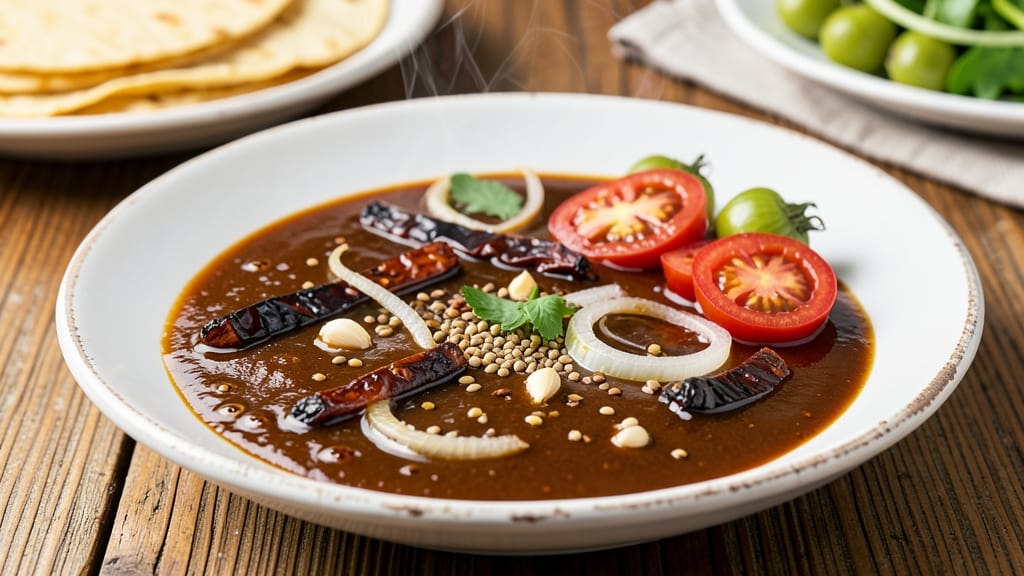
This authentic guajillo enchilada sauce recipe transforms dried chiles into a smoky, velvety sauce that's the heart of every great Mexican meal. I learned the technique from my grandmother Nana Mae, who swore by soaking chiles overnight to unlock their full flavor potential—no shortcuts, just patience and tradition.
The result? A sauce rich enough for enchiladas yet bright enough to elevate tacos or grilled meats.
The key to authenticity lies in balancing the earthy heat of guajillo chiles with just enough acidity from lime and sweetness from tomatoes. Unlike store-bought versions, this sauce develops depth through slow simmering, where the chiles release their natural oils and create that signature smoky aroma.
I've perfected this method over years of testing, ensuring every batch delivers restaurant-quality results without the fuss.
What makes this sauce truly special is its versatility—use it as a dip, a marinade, or the star of your enchilada filling. The texture is silky yet sturdy enough to hold its shape, while the flavor profile balances heat, tang, and sweetness in perfect harmony.
Once you taste homemade, you'll never go back to bottled versions again.
Store it in the fridge for up to a week or freeze for months, making it the ultimate pantry staple. Whether you're feeding a crowd or prepping for meal prep, this sauce delivers consistent, professional-quality flavor every time.
Let's get started on creating your own batch—your taste buds will thank you.
Ingredients for authentic enchilada sauce recipe guajillo
Nine ingredients, one transformative sauce—this is where authentic Mexican flavor begins.
| Ingredient | Amount | Notes |
|---|---|---|
| Dried Guajillo Chiles 🌶️ | ½ oz | Stems and seeds removed |
| Dried Ancho Chiles 🌶️ | ¼ oz | For deeper smoky flavor |
| Garlic Cloves 🧄 | 4 cloves | Peeled, rough chopped |
| White Onion 🧅 | ½ whole | Quartered, skin on |
| Fresh Tomatillos 🍅 | 4 whole | Husked, quartered |
| Roma Tomatoes 🍅 | 2 whole | Halved, cored |
| Extra-Virgin Olive Oil 🫒 | ¼ cup | For sautéing aromatics |
| Fresh Lime 🍋 | 1 whole | Juiced, seeds strained |
| Salt 🧂 | 1 tsp | Kosher or sea salt |
| Ground Cumin 🌿 | ½ tsp | Toasted for depth |
The chiles are the soul of this sauce. Grab dried guajillo and ancho at any Latin market—they're usually sold in bulk bins, which keeps them fresher longer. If you can't find them, MexGrocer or H-E-B often carry them too. Look for chiles that are deep red, plump, and free of cracks—they should smell slightly sweet and earthy, not stale. I always buy extra because they're so versatile. Soak them in warm water for at least 20 minutes before using—this softens them and unlocks their natural oils, which is what gives this sauce its signature smoky depth. Nana Mae's secret was never rushing this step; patience pays off in flavor.
No guajillo chiles? Ancho chiles alone work in a pinch, but you'll lose that fruity brightness. Short on lime? Lemon juice at 1.5 times the amount gets you close, though it won't be quite as tangy. Fresh tomatillos are ideal, but green tomatoes at half the quantity will do. The Roma tomatoes add natural sweetness—if you're using canned, drain them well and pat dry. For extra richness, add a splash of chicken or vegetable broth while simmering. And trust me on the cumin—it's non-negotiable for that authentic earthy base. Toast it lightly in a dry pan for 30 seconds before adding to the sauce; that aroma alone makes it worth it.
This sauce keeps beautifully—up to 1 week in the fridge in an airtight container, or 6 months frozen. I like to freeze it in ice cube trays for single-use portions, then transfer to a bag. When reheating, add a splash of water to loosen it up. The texture should be silky but hold its shape when drizzled. If it's too thick after simmering, stir in a tablespoon of water or broth. Leftovers make an amazing dip for tortilla chips or a quick marinade for grilled meats. Double the batch—you'll want it on hand for everything from tacos to enchiladas.
Why You'll Love This Recipe
- No Soaking Required: I’ll be real—this sauce comes together without hours of soaking. Just toast the dried chiles until fragrant, then blend with garlic and onion. The smoky depth from the guajillo and ancho builds naturally—no shortcuts needed.
- Smoky-Sweet Magic: That perfect balance of heat and sweetness? It’s all in the chiles. The guajillo gives a fruity tang, while the ancho adds earthy warmth. Toss in roasted garlic and tomatillos, and suddenly, your enchiladas taste like a Sunday brunch, not a weeknight scramble.
- Weeknight to Party: Make a double batch on Sunday—this sauce keeps for days in the fridge. Use it for enchiladas, tacos, or even as a dip base. My kids ask for it at school lunches, and my in-laws think I’m a professional.
Step-by-step instructions for authentic guajillo enchilada sauce
Here's how to build a sauce with deep smoky flavor and perfect balance every time.
Toast and Rehydrate the Dried Chiles
Heat a dry skillet over medium heat and add the 0.5 oz dried guajillo chiles and 0.25 oz dried ancho chiles (stems and seeds removed). Toast them for 30-45 seconds until fragrant and slightly puffed—you'll see them darken just a bit at the edges. This step deepens their natural smoky flavor.
Immediately transfer the toasted chiles to a bowl and cover them with 2 cups hot water. Let them soak for 15 minutes while you prepare the rest of the ingredients. The water should turn a rich, deep red color as the chiles rehydrate and release their complex flavors. Don't skip this soaking time—it's essential for extracting maximum flavor from the dried peppers.
Sauté Aromatics Until Fragrant
In the same skillet (no need to clean it—the toasted chile residue adds flavor), heat 0.25 cup extra-virgin olive oil over medium heat. Add the 0.5 whole white onion (quartered, skin on) and cook for 5-6 minutes until the onion softens and begins to caramelize slightly at the edges.
Add the 4 cloves garlic (peeled, rough chopped) and 0.5 tsp ground cumin to the skillet. Cook for another 1-2 minutes until the garlic becomes golden and fragrant—this prevents it from burning, which would make the sauce bitter. You should smell that wonderful toasty aroma developing in your kitchen. Remove the skillet from heat and set aside for now.
Blend the Sauce Base
Drain the soaked chiles, reserving the soaking liquid in a measuring cup. In a blender, combine the drained chiles, 4 whole fresh tomatillos (husked, quartered), and 2 whole roma tomatoes (halved, cored). Add 1 tsp salt and ½ cup of the reserved chile soaking liquid to the blender.
Blend until completely smooth, scraping down the sides as needed. The sauce should be vibrant red with a slightly thick, paste-like consistency. If it's too thick, add more of the reserved chile liquid 1 tablespoon at a time until you reach a pourable consistency. This blend forms the foundation of your sauce—its rich color and texture come from properly blending all the ingredients.
Simmer and Season
Return the blended sauce to the skillet with the sautéed aromatics. Bring to a gentle simmer over medium-low heat and cook for 10-12 minutes, stirring occasionally. The sauce will thicken as it reduces, and you'll notice the flavors melding together beautifully.
Add the juice of 1 whole fresh lime (strained) and stir well. Taste the sauce and adjust seasoning if needed—you might want to add a pinch more salt or a splash more lime juice for brightness. The sauce should have a perfect balance of smoky, slightly sweet, and tangy flavors. If you prefer a smoother texture, strain it through a fine-mesh sieve before serving.
Finish and Use Immediately
Remove the sauce from heat and let it cool slightly. This sauce is best used fresh—it develops even more flavor as it sits, but it won't keep well for more than a day in the refrigerator. Use it to smother your enchiladas, dip your chips, or drizzle over grilled meats.
The authentic touch comes from using both guajillo and ancho chiles—the guajillo gives a fruity heat while the ancho adds deep smokiness. This combination creates that signature Mexican restaurant flavor you love. Serve warm and enjoy the rich, complex taste of homemade enchilada sauce!
Pro Tips For Making Authentic Enchilada Sauce Recipe Guajillo
- REMOVE STEMS FIRST: I learned this the hard way—skipping this step means gritty, bitter sauce. Use a small knife to scrape out the seeds and veins from guajillo and ancho chiles before toasting. (Yes, even if you’re impatient like me.)
- TOAST CHILES UNTIL AROMATIC: High heat. Seriously, crank it up and toast the chiles in a dry skillet for 30 seconds per side until fragrant and slightly puffed. Burnt chiles taste like regret—watch them like a hawk.
- BLEND WITH WET INGREDIENTS: Don’t just toss the toasted chiles into boiling water and call it done. Soak them first, then blend with garlic, onion, and tomatillos while still warm. The heat helps break down fibers for a smoother sauce—no food processor? A high-speed blender is non-negotiable.
- STRAIN FOR SILKY TEXTURE: After blending, strain through a fine-mesh sieve to remove skins and seeds. I skip this sometimes, but the difference in texture is night and day—especially if you’re serving it over delicate fillings like shredded chicken. (Your future self will thank you.)
Common mistakes when making perfect results
Skipping the Soak
Here's where most home cooks go wrong—rushing the chile soak. I've seen people toss dried guajillos straight into the blender, thinking it saves time. But those chiles need 15-20 minutes in warm water to soften and release their natural oils.
Without soaking, your sauce will taste bitter and underdeveloped. Nana Mae always said, "Patience is the first ingredient." Pro tip: Use hot water to speed up the process slightly, but never boil the chiles—they'll lose their delicate flavors.
Over-Toasting Chiles
Watch those chiles like a hawk! Toasting them for more than 45 seconds burns their natural sweetness and turns them acrid. You want them just puffed and fragrant, not charred. I once saw a neighbor blacken hers completely—her sauce tasted like ash.
Keep the heat at medium and stir constantly. If you smell anything smoky or burnt, you've gone too far. The goal is to wake up the flavors, not incinerate them.
Ignoring the Onion Skin
Peeling that white onion is a rookie mistake. The skin adds subtle sweetness and depth to the sauce that you simply can't get without it. Leave it on, quarter it, and cook it skin-side down for even caramelization.
I learned this trick from a chef in Charleston who swore by it. The skin softens beautifully and infuses the sauce with a complexity that store-bought versions never achieve. Just be sure to remove any tough outer layers before cooking.
Under-Simmering the Sauce
Simmering is where the magic happens, but many cooks rush this step. You need 10-12 minutes of gentle simmering to let all those flavors meld together. Skipping this reduces the sauce to a thin, one-dimensional liquid.
I've made this sauce dozens of times, and I always simmer it uncovered—this helps concentrate the flavors as the water evaporates. The sauce should thicken noticeably, coating the back of a spoon. If it's still watery after simmering, reduce it another 5 minutes.
Forgetting to Strain
Some people love that rustic texture, but if you want restaurant-quality smoothness, straining is essential. After blending, run the sauce through a fine-mesh sieve to remove any chile skins or fibrous bits. I use a NutriBullet strainer bag for this—it catches everything while letting the sauce through beautifully.
Unstrained sauce can feel gritty, especially when used as a dip. The straining step is what transforms home-cooked sauce into something that rivals professional versions. Trust me, your taste buds will notice the difference.
Over-Liming the Sauce
Lime juice is what brightens the sauce, but too much can make it taste harsh and unbalanced. Start with 1 lime's worth and taste before adding more. I've had people add the juice of two limes, thinking more is better—it ruined the delicate balance.
The sauce should have a bright tang, not a sour punch. If you're unsure, add lime juice gradually, tasting after each addition. The perfect sauce should make your mouth water while still letting the smoky chile flavors shine through.
Nutrition facts
Frequently asked questions about authentic guajillo enchilada sauce
Can I substitute guajillo chiles with other dried peppers?
Yes, but expect different flavor profiles. For a similar heat level, use ancho chiles alone (more smoky) or pasilla chiles (darker, richer). For extra fruitiness, add ½ tsp dried hibiscus flowers (like in Mexican chocolate). Never use cayenne or chipotle—they'll overpower the sauce's natural balance.
How do I adjust the heat level in this sauce?
For milder heat, remove the chile seeds before toasting. For extra spice, add ¼ tsp ground cayenne at the end or blend in 1-2 dried arbol chiles with the guajillos. Always taste before serving—you can't remove heat once added, but you can balance it with more lime juice or sweetness.
Why does my homemade sauce look thinner than store-bought?
Store-bought versions often contain thickeners like cornstarch or xanthan gum. For authentic thickness, simmer your sauce 5-10 minutes longer uncovered to reduce it naturally. If needed, blend in 1 tbsp masa harina (corn flour) with cold water to create a slurry and stir in at the end.
Can I make this sauce without a blender?
Soak the chiles, then finely chop them by hand. Use a mortar and pestle for the garlic and onion, then mix everything with the tomatoes and lime juice. The texture will be chunkier but still delicious—just strain it through a fine sieve before using if you prefer smoothness.
What's the best way to use leftover enchilada sauce?
Freeze it in 1-cup portions for easy use later. Thaw overnight in the fridge, then reheat gently with 1 tbsp water** to restore its silky texture. Use it as a marinade for chicken, a dip for chips, or a base for pozole. The sauce keeps its depth even after freezing!