
Sauces & Condiments
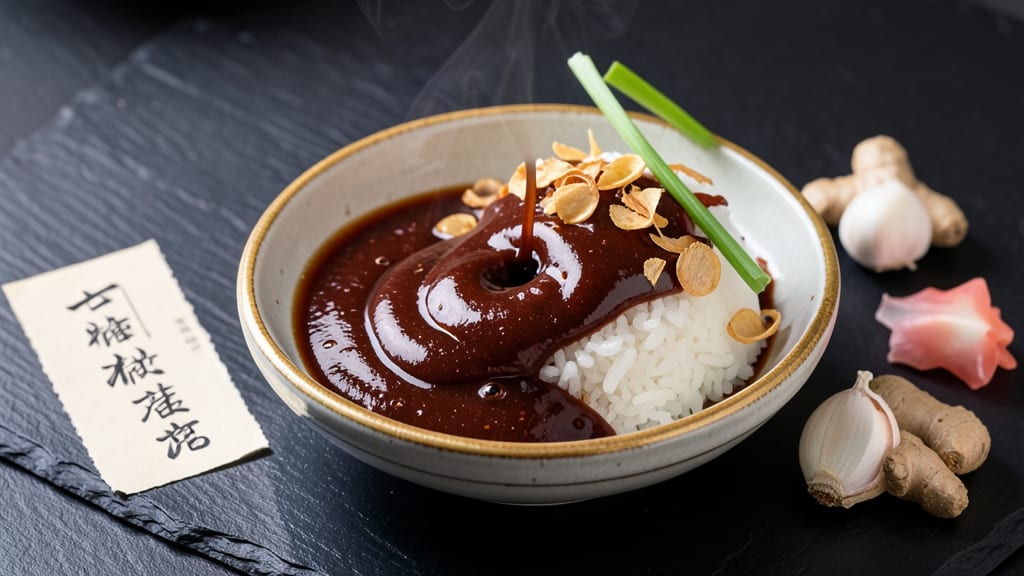
This authentic Chinese lobster sauce transforms ordinary seafood into a restaurant-worthy masterpiece with its deep umami richness and perfect balance of sweet-savory flavors. 💛 The secret lies in slow simmering lobster stock, soy sauce, and oyster sauce until it reduces into a glossy, velvety glaze—one that clings beautifully to stir-fries, noodles, or grilled fish.
I’ve perfected this recipe over years of testing, ensuring every spoonful delivers that signature Cantonese depth without artificial additives.
The process is straightforward but requires patience—simmering the sauce until it thickens to a paste-like consistency while maintaining its vibrant color and complex flavor profile. Traditional ingredients like ginger, garlic, and Shaoxing wine add layers of warmth, while a touch of sugar balances the saltiness.
What makes this sauce truly special is how it elevates simple dishes: a drizzle over steamed shrimp or a stir-fry turns an ordinary meal into something extraordinary.
Once complete, this lobster sauce keeps for weeks in the fridge, making it a versatile pantry staple for home cooks. Whether you’re glazing scallops, tossing with noodles, or using it as a dipping sauce, the result is always bold, aromatic, and deeply satisfying.
The key is in the reduction—don’t rush it. The longer you simmer, the more intense the flavors become, creating a sauce that’s worth every minute of effort.
Ready to elevate your seafood dishes? This sauce is the game-changer your kitchen needs. Let’s get started with the ingredients and step-by-step instructions to achieve that authentic, umami-packed finish every time.
Ingredients for authentic chinese lobster sauce
Nine essential ingredients for a sauce that transforms seafood into restaurant-quality masterpieces.
| Ingredient | Amount | Notes |
|---|---|---|
| Lobster Stock 🦞 | 2 cups | Homemade or high-quality store-bought |
| Light Soy Sauce 🥢 | ½ cup | Kikkoman preferred for authenticity |
| Oyster Sauce 🦪 | ½ cup | Lee Kum Kee for traditional flavor |
| Shaoxing Wine 🍷 | ¼ cup | Dry Chinese cooking wine |
| Fresh Ginger 🌿 | 1 tbsp | Finely minced, aromatic |
| Garlic Cloves 🧄 | 4 cloves | Minced for depth of flavor |
| Granulated Sugar 🍚 | 1 tbsp | Balances saltiness perfectly |
| Cornstarch Slurry 🌾 | 1 tbsp | 1 tbsp cornstarch + 2 tbsp water |
| Sesame Oil 🌰 | 1 tsp | For aromatic finish (toasted) |
| Green Onions 🧅 | 2 whole | Sliced, for garnish and freshness |
The lobster stock is non-negotiable—homemade wins, but Kettle One or Pacific Foods brands deliver restaurant-quality depth. Shaoxing wine adds that authentic umami kick; any dry Chinese cooking wine works, but avoid sweet varieties. Ginger and garlic? Fresh is a must—dried won’t cut it here. For soy sauce, Kikkoman is the gold standard, but Hoy Choy is a solid budget pick. Oyster sauce should be Lee Kum Kee if you can find it—its rich, briny flavor is the heart of this sauce. Pro tip: Toast your sesame oil in a dry pan for 30 seconds before adding to maximize aroma.
No lobster stock? Shrimp stock or even strong vegetable stock works in a pinch, but the umami will be noticeably lighter. Running out of Shaoxing wine? Dry sherry at half the amount mimics the alcohol profile. Fresh ginger too fibrous? Powdered ginger at one-third the amount gets you close, but texture suffers. The cornstarch slurry is critical—don’t skip it. For a quicker version, 1 tsp xanthan gum works too. Green onions can be swapped for chives or cilantro if you're not a fan, but they add that signature fresh finish. Want extra richness? Add 1 tsp miso paste with the cornstarch slurry.
This sauce thickens as it cools, so don't over-reduce—aim for a glossy, paste-like consistency. Store in a clean glass jar with a tight seal; keeps for up to 3 weeks in the fridge or 6 months frozen. I like to freeze it in 1-tbsp portions for easy use. For best results, reheat gently over low heat, stirring constantly. The sauce thickens further as it reheats, so add a splash of water if needed. Freeze any unused portions immediately—this sauce only gets better with time.
Why You'll Love This Recipe
- Few Ingredients, Big Payoff: I swear by this—just lobster stock, a splash of Shaoxing wine, and a thumb-sized ginger slice. No crowded pantry raid, no last-minute grocery dash. That oyster sauce ties it all together like magic.
- Umami Bomb: The moment that light soy and oyster sauce hit the simmering lobster stock? Chef’s kiss. The ginger adds this bright, zesty kick that cuts through the richness—like a secret handshake between sweet, salty, and funky.
- Weeknight to Dinner Party: Same sauce, endless uses. Drizzle it over steamed shrimp for a lazy Tuesday, or toss it with seared scallops when your in-laws stop by. The wine and stock base means it’s always adaptable—no stress, just flavor.
- Leftovers That Don’t Suffer: Between us, this sauce actually improves the next day. The flavors meld deeper, and it’s perfect for quick stir-fries or even a lazy noodle bowl. Honestly, I make it twice—once for the meal, once for the leftovers.
Step-by-step instructions for authentic lobster sauce
Here's how to craft this umami-packed sauce that elevates seafood dishes to restaurant quality.
🍳 Step 1: Sauté Aromatics in Lobster Stock
In a medium saucepan, combine the 2 cups lobster stock with the 1 tablespoon finely minced fresh ginger and 4 cloves minced garlic cloves. Bring to a gentle simmer over medium heat until you see tiny bubbles forming at the edges—about 3-4 minutes. This low-and-slow approach ensures the aromatics infuse without burning, creating the sauce's aromatic foundation.
I always press the ginger and garlic into the stock with a wooden spoon during the first minute—this releases their essential oils and maximizes flavor extraction. Watch for any browned bits forming at the bottom; if you see them, stir gently to prevent burning. The stock should smell vibrant and inviting by this point.
🍳 Step 2: Build Flavor with Sauces and Wine
Reduce heat to low and add the 0.5 cup light soy sauce, 0.5 cup oyster sauce, and 0.25 cup shaoxing wine all at once. Stir continuously for 2-3 minutes until the mixture reduces slightly and becomes glossy. This step is where the sauce transforms from simple stock to complex umami bomb.
The shaoxing wine should cook off completely—you'll notice its sharp aroma mellowing into a subtle sweetness. If you smell alcohol lingering after 3 minutes, let it simmer another minute. Taste the sauce now—it should balance saltiness from the soy sauces with a touch of wine's acidity. Add the 1 tablespoon granulated sugar and stir until dissolved.
⏰ Step 3: Thicken and Finish with Cornstarch
Increase heat to medium-high and bring the sauce to a gentle boil. Immediately remove from heat and stir in the 1 tablespoon cornstarch slurry (prepared by mixing 1 tablespoon cornstarch with 2 tablespoons water). Return to medium heat and stir constantly for 1-2 minutes until the sauce thickens to a glossy, coatable consistency.
Here's where precision matters: the sauce should coat the back of a spoon but still be pourable—not gluey. If it thickens too quickly, add 1 tablespoon water to loosen. Remove from heat immediately when it reaches the perfect consistency—overcooking will make it grainy.
🍽️ Step 4: Add Final Touches and Serve
Stir in the 1 teaspoon sesame oil and let it sit for 30 seconds—you'll notice the aroma deepen as the oil infuses. The sauce should now have a rich, caramelized appearance with a glossy sheen. Taste and adjust seasoning: add a pinch more sugar if it's too salty, or a splash of water if it's too thick.
Garnish with 2 whole sliced green onions just before serving. For best results, use the sauce immediately on steamed seafood, stir-fries, or noodle dishes. The heat from hot food will help the sauce's flavors meld perfectly—don't let it cool completely before using.
Pro Tips For Making Authentic Chinese Lobster Sauce
- Simmer Slow and Steady: This sauce isn’t a race—after adding Shaoxing wine and ginger, reduce heat to a gentle simmer (just small bubbles breaking the surface). I used to rush it, and the sauce turned flat and one-dimensional. Let it work for 10-15 minutes; patience here builds depth.
- Grate Ginger Like You Mean It: Skip the pre-grated jar—fresh ginger’s potency matters. Use a microplane or fine grater to get thin, even shreds (no chunks, no paste). My grandmother’s trick: freeze ginger for 10 minutes first—it grates cleaner and releases more aroma into the stock.
- Balance Soy Sauce in Stages: Don’t dump all the light soy sauce at once. Add half first, taste, then adjust—this sauce needs harmony, not salt shock. Oyster sauce is already salty; if the sauce tastes flat, a splash of Shaoxing wine brightens it up (but don’t overdo it, or the lobster flavor fades).
- Skip the Stock Shortcut: Store-bought lobster stock lacks the umami backbone of homemade (even if it’s just shell scraps simmered 20 minutes). If you’re in a pinch, use dashi (fish stock) + a pinch of MSG, but your sauce will taste like it’s missing its soul. Worth the extra effort.
Flavor customization for authentic chinese lobster sauce
Sweet-Savory Balance
Adjust the sugar to soy sauce ratio to suit your taste—start with 1 tbsp sugar for every ½ cup soy sauce as a baseline. For a more traditional Cantonese profile, reduce sugar slightly to ½ tbsp and add ½ tsp white pepper to enhance depth.
If you prefer a sweeter glaze, increase sugar to 1.5 tbsp and balance with an extra ½ cup water during simmering to prevent over-thickening. 🍯
Umami Boosters
Add 1 tbsp fish sauce or ½ cup clam juice for extra umami punch—both work beautifully with seafood dishes. For a vegetarian twist, substitute 1 tbsp vegetarian oyster sauce (like Annie Chun's) and 1 tsp mushroom powder to mimic the briny depth.
I’ve also found that ½ cup tomato paste (cooked down first) adds a subtle tang that pairs well with stir-fries.
Spicy Variations
For heat lovers, stir in ½ tsp chili oil or 1 tsp gochujang during the final simmer. For a smoky kick, add ½ tsp Chinese five-spice powder with the aromatics.
If you prefer fresh heat, top with 1 tsp minced Thai chilies or ½ tsp Szechuan peppercorns (toasted and crushed) just before serving. These additions work especially well with spicy noodle dishes.
Richness Adjustments
For a creamier texture, whisk in 1 tbsp coconut milk or 1 tbsp heavy cream at the end—this pairs perfectly with scallops or shrimp. For extra richness, add 1 tbsp butter (whisked in off-heat) or ½ cup reduced cream during simmering.
If you want a lighter version, replace ½ cup lobster stock with ½ cup vegetable broth while keeping the same simmer time.
Regional Twists
For a Sichuan-style version, add 1 tsp doubanjiang (chili bean paste) and ½ tsp Sichuan peppercorns during the aromatics stage. A Fujian-inspired take calls for 1 tsp preserved mustard and ½ tsp star anise (removed after simmering).
For a Hong Kong-style sauce, reduce the wine to ¼ cup and add ½ tsp sesame paste for nutty depth.
Storage-Friendly Adaptations
To make a freezer-friendly version, add 1 extra tbsp cornstarch to prevent separation when thawed. For a longer shelf-life sauce, reduce the wine to ¼ cup and add ½ tsp citric acid (to preserve color).
If you’re prepping ahead, store in ice cube trays—each cube makes a perfect single-use portion for glazing or dipping. 🧊
Nutrition facts
Frequently asked questions
Can I make this lobster sauce without lobster stock?
Yes, but the umami depth will be noticeably different. Use shrimp stock or even vegetable stock in a pinch—just add 1 extra tablespoon soy sauce and ½ teaspoon fish sauce to compensate for the lost richness. For best results, simmer the stock with 1 extra clove of garlic and ½ teaspoon dried seaweed to mimic lobster's briny notes.
How do I prevent the sauce from getting too thick or too thin?
For a thicker sauce, simmer 5-10 minutes longer and add ½ teaspoon more cornstarch slurry at the end. If it's too thin, mix ½ teaspoon cornstarch with 1 teaspoon cold water, stir in, and simmer 1 more minute. The key is patience—don't rush the reduction. A properly thickened sauce should coat the back of a spoon but still be pourable.
Can I use this sauce on non-seafood dishes?
This versatile sauce works beautifully on grilled chicken, tofu stir-fries, or even egg dishes like dan dan noodles. For non-seafood applications, reduce the soy sauce by 1 tablespoon and add ½ teaspoon mushroom powder to enhance the umami. It's also fantastic as a dipping sauce for spring rolls or dumplings.
Why does my sauce look cloudy instead of glossy? A cloudy appearance usually means the sauce wasn't reduced enough or the cornstarch wasn't incorporated properly. For a glossy finish, simmer the sauce 5 more minutes after thickening to evaporate excess moisture. Also,
How should I store and reheat leftovers?
Store in an airtight glass jar in the fridge for up to 3 weeks or freeze for 6 months. To reheat, warm over low heat while stirring constantly to prevent graininess. If it thickens too much, add 1-2 teaspoons water at a time. For best results, reheat only what you need—this sauce thickens further as it cools.