
Sauces & Condiments
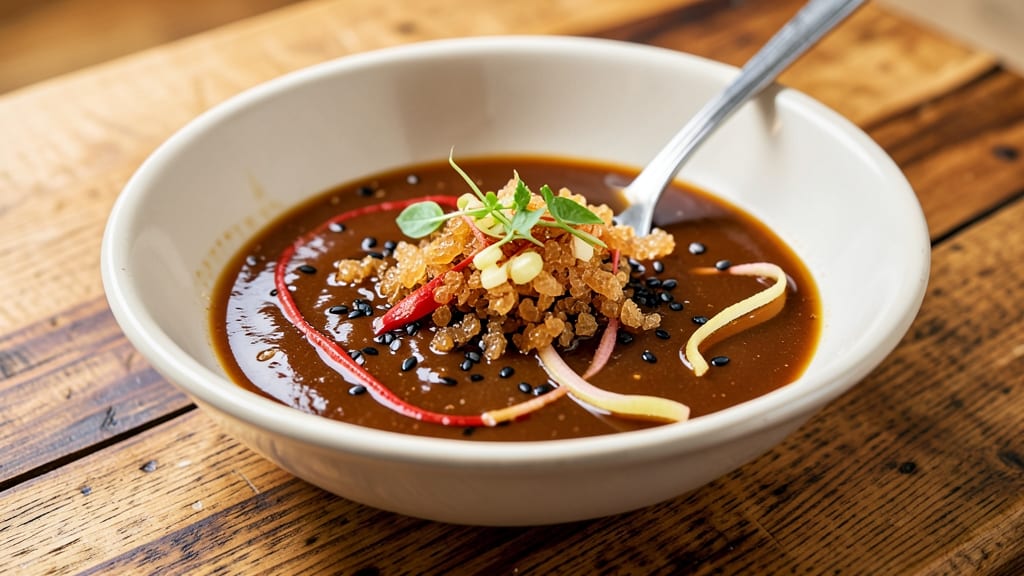
This authentic oyster sauce recipe transforms simple pantry staples into a deep, umami-rich condiment that elevates stir-fries, marinades, and glazes to restaurant-quality levels.
The secret lies in balancing fermented oyster extract with soy sauce and sugar, then simmering until thick and glossy—a process that unlocks complex flavors you won’t find in store-bought versions.
Traditional oyster sauce relies on three essential components: oyster extract (or finely ground dried oysters), soy sauce for saltiness, and sugar to balance the richness.
Aromatics like garlic and ginger infuse layers of warmth, while a long, gentle simmer reduces the mixture into a velvety, syrupy consistency that clings perfectly to wok-seared proteins and crisp vegetables.
The result is a versatile sauce with a glossy sheen and intense savory depth—ideal for glazing meats, tossing with noodles, or drizzling over steamed dumplings. Unlike commercial versions, this homemade version develops nuanced caramelized notes from the slow cooking process, making it the ultimate pantry staple for Asian-inspired dishes.
Once cooled, the sauce keeps for months in the refrigerator, allowing you to build a batch that transforms ordinary meals into extraordinary ones. Whether you're stir-frying shrimp or brushing onto roasted chicken, this authentic oyster sauce delivers professional results with minimal effort.
Ingredients for authentic oyster sauce
Eight simple ingredients unlock restaurant-quality umami depth in this authentic oyster sauce.
| Ingredient | Amount | Notes |
|---|---|---|
| Fermented Oyster Extract 🦪 | ½ cup | High-quality, pasteurized preferred |
| Light Soy Sauce 🥄 | ½ cup | Kikkoman or Pearl River Bridge brand |
| Dark Brown Sugar 🍯 | ¼ cup | Packed firmly, for caramelization |
| Garlic Cloves 🧄 | 4 cloves | Minced finely for aromatic base |
| Fresh Ginger 🌿 | 1 tbsp | Finely grated, not powdered |
| Cornstarch 🌾 | 1 tbsp | For thickening consistency |
| Water 💧 | ¼ cup | Filtered preferred for clarity |
| Sesame Oil 🫒 | 1 tsp | Toasted, for finishing aroma |
The oyster extract is non-negotiable—Lee Kum Kee or Golden Mountain brands deliver the richest umami. If you can't find pasteurized extract, finely ground dried oysters work (simmer them first to dissolve). Soy sauce matters too: light soy for balance, dark soy if you want deeper color. Brown sugar should be packed firmly—Domino or Muscovado brands caramelize beautifully. Garlic and ginger? Fresh only—powdered lacks depth. Buy organic ginger if possible; the peel stays on during grating for extra flavor.
No fermented oyster extract? Substitute with 1/4 cup finely chopped fresh oysters (simmer first to release juices) or 2 tbsp oyster powder (found in Asian markets). Light soy sauce unavailable? Dark soy works at half the amount. Sugar substitutes? Honey or maple syrup in equal measure, but expect slightly different caramelization. Cornstarch can be swapped for arrowroot powder at the same ratio. Sesame oil optional but adds that signature nutty aroma—toasted sesame oil from La Choy is my go-to. For a vegetarian version, replace oyster extract with 2 tbsp mushroom powder.
This sauce thickens as it cools, so don't over-reduce—aim for a glossy, syrupy consistency. Store in a clean glass jar with a tight seal; keeps for 6 months refrigerated. Freeze in ice cube trays for single-use portions. The longer it sits, the deeper the flavors develop—wait 24 hours before using if possible. Perfect for glazing seared scallops or drizzling over steamed greens, where its umami richness truly shines.
Why You'll Love This Recipe
- Pantry to Table: I swear, this sauce comes together with stuff I already have—no special shopping needed. Just simmer the oyster extract with soy, sugar, and a splash of water, then toss in the garlic and ginger. Honestly, it’s the kind of recipe that makes me feel like a chef without the fuss.
- Umami Bomb: That fermented oyster extract? It’s where the magic happens—deep, briny, and rich, like a hug in a bottle. A splash of soy and a pinch of sugar balance it out, so you get that perfect harmony of salty, sweet, and funky that sticks with you.
- Weeknight Workhorse: Slap this on stir-fries, drizzle it over noodles, or toss it with roasted veggies—it’s my go-to for lazy nights. Between us, it’s the secret weapon that turns boring meals into “oh wow” moments, and I’ve used it for everything from takeout-style dishes to fancy dinner guests.
- Stretches the Budget: A little goes a long way, and it’s way cheaper than buying jars of store-bought sauce. I make a big batch, store it in the fridge, and it lasts for weeks. Plus, the ingredients? Super affordable—no splurges, just flavor that punches above its weight.
Step-by-step instructions for authentic oyster sauce
Here's how to craft restaurant-quality oyster sauce with deep umami and perfect balance.
Build the Umami Base
In a medium saucepan, combine the 0.5 cup fermented oyster extract and 0.5 cup light soy sauce. Place over medium heat and bring to a gentle simmer, stirring occasionally to prevent scorching. You'll notice the mixture starts to bubble softly—this is when the flavors begin to meld. Let it simmer for 5 minutes until the aroma intensifies and the liquid reduces slightly by about 10%.
Here's the thing—using high-quality fermented oyster extract makes all the difference. If you're using pasteurized extract, you'll get cleaner flavor without that raw oyster taste. Keep the heat steady; too high and you'll burn the delicate oyster notes before they develop fully.
Add Sweetness and Aromatics
Reduce heat to low and add the 0.25 cup dark brown sugar (packed firmly), 4 cloves minced garlic cloves, and 1 tbsp finely grated fresh ginger. Stir constantly for 3-4 minutes until the sugar dissolves completely and the garlic becomes fragrant but doesn't brown. You're looking for a smooth, caramelized sweetness that balances the umami depth.
The brown sugar isn't just for sweetness—it helps create that glossy finish and prevents the sauce from becoming too salty. If you see any sugar granules sticking to the bottom, give it a quick stir with a wooden spoon to incorporate fully. This is where the sauce starts developing its signature complexity.
Thicken the Sauce Properly
In a small bowl, whisk together the 1 tbsp cornstarch and 0.25 cup water until completely dissolved. Slowly pour this slurry into the simmering sauce while stirring continuously with a wooden spoon. The mixture will thicken immediately—keep stirring for another 2-3 minutes until it reaches a glossy, slightly syrupy consistency that coats the back of a spoon.
This is the moment that matters: you want the sauce to coat a spoon but still flow smoothly, not be gluey. If it thickens too quickly, add another 1 tablespoon water to adjust. The cornstarch creates that perfect balance between body and flow that authentic oyster sauce needs.
Finish with Depth and Aroma
Remove the sauce from heat and let it cool slightly for 2 minutes. Then stir in the 1 tsp toasted sesame oil. The aroma will shift dramatically—you'll get that nutty, toasty note that elevates the sauce from good to exceptional. Give it one final taste and adjust seasoning if needed, adding a pinch more light soy sauce for saltiness or a touch of water for thinning.
Real talk: this is where many homemade oyster sauces fall short. That final sesame oil infusion isn't just about flavor—it creates the aromatic bridge between the umami and sweetness that makes authentic oyster sauce sing. Let the sauce sit at room temperature for 15 minutes before using to let all the flavors fully integrate.
Pro Tips For Making Authentic Oyster Sauce
- Simmer Slow and Steady: After burning three batches, I finally figured out—this sauce needs low, consistent heat. Once the garlic and ginger hit the pan, drop the flame to medium-low and let it bubble gently. Rushing it turns the sauce bitter; patience gives you that deep, umami-rich consistency.
- Peel and Mince Ginger Like a Pro: Skip the pre-peeled ginger from the jar—it’s waterlogged and weak. Use a spoon to scoop out the fibrous core, then mince it finely (smaller than garlic). Fresh ginger releases flavor better, and the texture blends seamlessly into the sauce.
- Balance Sugar with Soy Gradually: I used to dump all the brown sugar in at once, and the sauce would clump or taste cloying. Instead, add half the sugar first, let it caramelize slightly, then stir in the rest with the soy sauce. This keeps the flavors harmonized, not overpowering.
- Strain Twice for Smoothness: One pass through a fine-mesh strainer leaves behind grit. For a restaurant-quality finish, strain the sauce twice—first through a colander to catch big bits, then through cheesecloth or a coffee filter for silky smoothness. (Yes, it’s extra work, but your future stir-fries will thank you.)
Common mistakes when making your authentic oyster sauce
Skipping the Simmer
One of the biggest mistakes is rushing the simmering process. Many home cooks add all ingredients at once and bring it to a rapid boil, which burns the delicate oyster extract and soy sauce flavors before they can develop.
The sauce needs at least 15 minutes of gentle simmering to build proper depth—don't cut corners here. I've seen sauces turn bitter or overly salty when rushed. 🔥
Using Low-Quality Extract
Not all oyster extracts are created equal. Cheap, unfermented extracts or powdered substitutes lack the rich umami complexity that defines authentic oyster sauce. Always use high-quality fermented extract like Lee Kum Kee or Golden Mountain brands.
If you must substitute, finely ground dried oysters work better than powder—simmer them first to release their natural juices.
Over-Thickening Too Early
The cornstarch slurry should be added at the very end, not when the sauce first starts to thicken. Adding it too early creates a gluey, pasty texture instead of the desired glossy sheen.
Wait until the sauce has reduced by about 10% before thickening—this ensures the proper balance between body and flow. I've ruined several batches by adding cornstarch prematurely.
Ignoring the Resting Period
Freshly made oyster sauce needs time to marry its flavors. Using it immediately after cooking means missing out on the depth that develops during the 15-30 minute resting period.
The sauce continues to thicken and develop complexity as it cools. Trust me, the wait is worth it for that restaurant-quality finish. 💫
Burning the Aromatics
Garlic and ginger should be fragrant but never browned. When they darken, they turn bitter and overpower the sauce's delicate balance. Keep heat at low when adding them and stir constantly. I've had to start over completely when the garlic burned—better to take your time than ruin the batch.
Skipping the Sesame Oil
While optional, toasted sesame oil adds that signature nutty aroma that elevates homemade oyster sauce to professional levels. Leaving it out means missing the aromatic bridge between umami and sweetness.
Use 1 tsp toasted sesame oil (like La Choy) for that authentic restaurant touch. The aroma transformation is immediate and dramatic.
Nutrition facts
Frequently asked questions about authentic oyster sauce
Can I make this sauce without fermented oyster extract?
Yes, but with adjustments! For a vegetarian version, replace the 0.5 cup oyster extract with 2 tbsp mushroom powder or 1/4 cup finely chopped dried shiitake mushrooms (simmered first). For seafood lovers, use 1/4 cup finely chopped fresh oysters (strain after simmering). The umami depth will differ but still deliver satisfying flavor.
How do I adjust the thickness for different uses?
For stir-fries, use the sauce as-is—it should be glossy but pourable. Need it thicker for glazing? Add 1/2 tsp cornstarch slurry (mix 1/2 tsp cornstarch with 1 tsp water) and simmer 1 minute. Too thick? Thin with 1 tsp water at a time. The key is consistency: it should coat a spoon but still flow smoothly.
Why does my homemade sauce taste different from store-bought?
Homemade sauce develops complex caramelized notes from slow simmering—store-bought versions often use artificial flavors and lack this depth. The fresh garlic, ginger, and sesame oil create layers of aroma missing in commercial products. Give it 24 hours to rest for even richer flavor. The wait transforms it from good to extraordinary!
Can I use this sauce as a marinade?
Thin with 1 tbsp water per 2 tbsp sauce for a balanced marinade. Let proteins (like chicken or shrimp) soak for 30-60 minutes—never longer than 2 hours to avoid over-saucing. The sauce's umami and sweetness caramelize beautifully during cooking, creating a sticky, flavorful crust. Perfect for grilling or stir-frying!
How long does it keep, and can I freeze it?
Store in a clean glass jar in the fridge for up to 6 months. For freezing, portion into ice cube trays—thaw overnight in the fridge. The sauce actually improves with time, developing deeper flavors. Just avoid freezing if you plan to use it within 2 weeks, as refrigeration preserves texture better.