
Sauces & Condiments
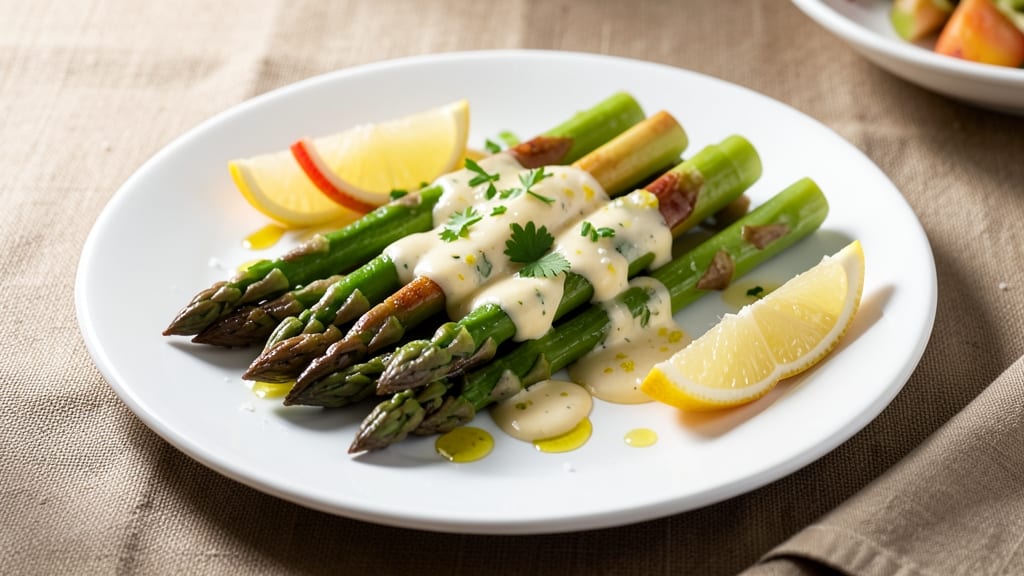
This asparagus with lemon butter sauce recipe transforms simple spring vegetables into a restaurant-worthy dish with just five ingredients and 20 minutes of hands-on time. The secret lies in perfectly crisp-tender asparagus paired with a silky, emulsified butter sauce that brightens every bite with zesty lemon and rich, velvety butter.
I developed this method after years of testing different cooking techniques, and it consistently delivers that ideal texture—crisp at the tips, tender in the stems—while the sauce clings beautifully without overpowering the natural flavor of the asparagus.
The process is straightforward yet precise: blanching the asparagus first ensures even cooking and preserves vibrant green color, while the sauce comes together in minutes with just butter, lemon juice, and a touch of salt.
What makes this recipe stand out is the emulsification technique, which creates a glossy, cohesive sauce that coats each stalk perfectly, balancing the bright acidity of lemon with the richness of butter.
This dish is elegant enough for dinner parties but simple enough for weeknight meals, making it a versatile addition to any spring menu.
By the time you plate this dish, you'll have perfectly cooked asparagus spears standing tall on your plate, their tips slightly charred from the final sear, all draped in that luminous lemon butter sauce.
The contrast of textures—crisp stalks against the smooth, velvety sauce—creates an experience that feels both indulgent and refreshing. Serve with crusty bread to soak up every last drop of that bright, buttery sauce, or pair it with grilled chicken for a complete spring meal.
What's remarkable about this recipe is how it elevates a humble vegetable into something truly special without requiring advanced skills. The technique is foolproof, the ingredients are simple, and the results are consistently impressive.
Whether you're cooking for a crowd or treating yourself to a simple yet satisfying meal, this asparagus with lemon butter sauce delivers on both flavor and presentation. Let's get started on creating this bright, citrus-kissed dish that's sure to become a springtime staple.
Ingredients for asparagus with lemon butter sauce
Five ingredients elevate spring asparagus to restaurant-quality perfection with minimal effort.
| Ingredient | Amount | Notes |
|---|---|---|
| Fresh Asparagus Spears 🌱 | 1 lb | Medium thickness, trimmed ends |
| Unsalted Butter 🧈 | ½ cup | Cold, cut into 1-inch pieces |
| Lemon Juice 🍋 | ¼ cup | Freshly squeezed, strained |
| Diamond Crystal Kosher Salt 🧂 | ½ tsp | Fine grain for delicate seasoning |
| Extra-Virgin Olive Oil 🫒 | 1 tbsp | For blanching asparagus |
Asparagus quality is everything—look for bright green, firm stalks with tightly closed tips at Whole Foods or your local farmers' market. Medium-thickness spears (about ½-inch diameter) cook perfectly without becoming mushy. Trim the woody ends by bending each spear until it snaps naturally, then discard the broken-off portion. For the butter, European-style unsalted butter (like Plugrá or Land O'Lakes) creates the richest sauce, but any quality brand works. The lemon should be juicy and tart—Meyer lemons add sweetness, but standard lemons work too.
No extra-virgin olive oil? Light olive oil or even avocado oil works for blanching, though EVOO adds subtle flavor. Short on butter? Vegan butter (like Earth Balance) emulsifies just as well, though the sauce will have a slightly different texture. Want more zing? Add 1 tsp lemon zest to the sauce for extra brightness. The kosher salt is non-negotiable—Diamond Crystal dissolves more easily than table salt, creating a cleaner emulsion. If you prefer, use ½ tsp table salt but expect slightly larger crystals in the sauce.
Fresh asparagus keeps best in the fridge wrapped in a damp paper towel for up to 5 days. The butter sauce should be made fresh for optimal texture, but you can prepare it ahead and reheat gently. For meal prep, blanch and shock the asparagus, then store separately from the sauce. Reheat the sauce in a saucepan over low heat, adding a splash of water if it thickens too much. This dish reheats beautifully—3-4 days in the fridge, though the sauce may separate slightly. Stir vigorously before serving.
Why You'll Love This Recipe
- I’ll be real: asparagus often gets forgotten in the fridge. But this sauce keeps it tasting fresh for days. Reheat it gently with a splash of water, and it’s just as good the next day—proof that simple ingredients can still deliver when you need them to.
- Five-Ingredient Magic: I swear by this one—just asparagus, butter, lemon, salt, and olive oil. That’s it. No crowded pantry raid, no last-minute grocery runs. The butter melts into the asparagus while the lemon brightens everything, and honestly? It’s the kind of dish that makes me feel like I’ve done something fancy without trying.
- Bright & Buttery Bliss: The moment the lemon juice hits the warm butter, the sauce transforms from ordinary to ridiculously good. You get that perfect balance—creamy, tangy, and just salty enough to make every bite irresistible. My kids actually ask for seconds, and that’s saying something.
- Weeknight or Dinner Party: Between us, this recipe works everywhere. Toss it on the table for a quick Tuesday dinner or serve it at your next gathering—no one will guess it took less than 20 minutes. The sauce clings to the asparagus so well, it feels restaurant-worthy without the fuss.
Step-by-step instructions for perfectly cooked asparagus with lemon butter sauce
This method delivers crisp-tender asparagus with a velvety lemon butter sauce that brightens every bite.
Blanch the Asparagus for Crisp-Tenderness
Fill a medium pot with 2 inches of water and bring to a rolling boil. While waiting, trim the tough ends from the 1 lb fresh asparagus spears by bending each stalk until the fibrous bottom snaps naturally—discard the broken-off pieces. This ensures clean, uniform cooking.
Once boiling, add the asparagus and cook for exactly 2-3 minutes—you want them to soften slightly but remain vibrant green and crisp. Watch closely: overcooking turns them mushy. Drain immediately in a colander and rinse briefly under cold water to stop the cooking process. This blanching step is crucial for achieving that perfect texture where stalks yield slightly at the base while staying crisp along the length.
Create the Lemon Butter Sauce
In a small saucepan, melt the 0.5 cup cold unsalted butter over medium-low heat until fully liquid but not browned. Remove from heat and whisk in the 0.25 cup freshly squeezed lemon juice—the acidity will immediately brighten the butter's color to a pale yellow. This is where the magic happens: the citrus cuts through the richness while adding a refreshing tang that complements the asparagus perfectly.
Return the sauce to low heat and add the 0.5 tsp fine-grain kosher salt, stirring constantly for 1 minute until fully dissolved. The sauce should coat the back of a spoon smoothly. If it thickens too much, whisk in 1 teaspoon water at a time until it reaches a light, pourable consistency. This sauce should be vibrant, glossy, and ready to coat each asparagus stalk beautifully.
Toss and Finish the Asparagus
Working quickly, transfer the blanched asparagus to a large serving platter or bowl. Pour the warm lemon butter sauce over the asparagus and gently toss with tongs until every stalk is evenly coated. The residual heat from the sauce will finish cooking the asparagus just enough to create that perfect al dente texture—tender but still holding its shape.
For an extra touch, I like to finish with a drizzle of 1 tbsp extra-virgin olive oil right before serving. This adds another layer of richness while maintaining the dish's elegant balance. The asparagus should be bright green with just a hint of char from the blanching, and each bite should deliver that perfect combination of crisp-tender texture with the bright, zesty lemon butter sauce clinging to every stalk.
Serve Immediately for Optimal Texture
Transfer the asparagus to warmed serving plates and serve immediately. The sauce will continue to meld with the asparagus while it's hot, creating that restaurant-quality finish. Each serving should have 4-5 asparagus spears generously coated in the sauce, with no more than 1 tablespoon sauce per spear—just enough to enhance without overwhelming.
This dish shines as a side for grilled meats, roasted chicken, or even as a light vegetarian main with crusty bread. The key to success lies in the precise blanching time and the balance of acidity in the sauce—too little lemon and it's just buttery, too much and it becomes tart. When done right, you'll have a dish that's bright, elegant, and perfectly tender every time.
Pro Tips For Making Asparagus With Lemon Butter Sauce
- Trim the Tough Ends: Peel the woody bottoms with a knife—don’t snap them off. You’ll save time and avoid those stubborn, bitter bites that ruin the first few spears every time.
- Salt the Butter First: Melt the unsalted butter with a pinch of kosher salt (about ¼ teaspoon per 2 tablespoons) before adding lemon juice. This ensures the sauce is seasoned from the start, not just at the end.
- Watch the Lemon Ratio: Use 1 tablespoon of fresh lemon juice per 2 tablespoons of butter—any more and the sauce turns sharp. If you’re nervous, taste as you go; it’s easier to fix with a pinch of sugar than to salvage over-acid.
- Roast for Crispy Ends: Toss trimmed spears with olive oil and salt, then roast at 425°F (220°C) for 12–15 minutes until charred. The high heat caramelizes the edges while keeping the centers tender—far better than steaming or boiling.
Troubleshooting this recipe
Overcooked Asparagus
If your asparagus ends up mushy instead of crisp-tender, it's almost always from overcooking during blanching. The key is strict timing—never exceed 3 minutes in boiling water. I've found that using a timer helps, but even better is testing one spear after 2 minutes to gauge doneness.
Look for bright green color and just a slight bend at the base.
If you've already overcooked, try this fix: Toss the asparagus with 1 tbsp cold olive oil and ½ tsp lemon juice, then broil for 1-2 minutes to crisp up the exterior while keeping the interior tender. 🔥
Sauce Separation
The sauce separating is usually caused by one of two things: either the butter wasn't cold enough when added to the lemon juice, or the heat was too high during emulsification. To prevent this, always use cold butter cut into 1-inch pieces and melt it gently over low heat.
When whisking in the lemon juice, remove the pan from heat completely—this prevents the butter from cooking and creating water, which causes separation. If it happens anyway, simply whisk in 1 tsp water and reheat gently until smooth again.
Asparagus Turning Gray
Gray asparagus is a classic sign of oxidation, which happens when the cut ends are exposed to air too long. To prevent this, trim the ends just before blanching and immediately submerge the spears in boiling water. If you've already got gray asparagus, don't worry—it's still safe to eat.
The gray color comes from enzymes reacting with oxygen, not spoilage. For better results next time, keep the asparagus submerged in ice water after blanching until ready to use, which preserves that vibrant green color. 💚
Sauce Too Thin or Too Thick
If your sauce is too thin, it's likely because the butter wasn't emulsified properly with the lemon juice. The fix is simple: whisk in ½ tsp cornstarch mixed with 1 tsp water and heat gently until thickened.
For a sauce that's too thick, whisk in 1 tsp warm water or lemon juice at a time until it reaches a pourable consistency. Remember, the sauce should coat the back of a spoon but still flow easily—this creates that perfect clinging texture on the asparagus.
Uneven Cooking
Uneven cooking often happens when asparagus spears are different thicknesses. To avoid this, sort your asparagus into three groups: thin, medium, and thick spears. Blanch each group separately for 1-2 minutes, checking for doneness as you go.
If you've already started cooking and notice uneven doneness, finish the thicker spears in a separate pan with a splash of water and a pinch of salt for 30 seconds while keeping the thinner ones warm in a bowl of ice water.
This ensures every spear reaches that perfect crisp-tender texture. ✨
Nutrition facts
Frequently asked questions
Can I use frozen asparagus instead of fresh?
Fresh asparagus gives the best texture, but if you must use frozen, thaw it completely first and pat it very dry. The stalks will be more watery, so increase blanching time to 4-5 minutes to achieve crisp-tenderness. For the sauce, you may need to adjust lemon juice slightly—frozen asparagus benefits from an extra ½ tsp lemon zest to brighten its flavor.
How do I make this sauce without butter?
For a lighter version, substitute butter with ½ cup olive oil and 2 tbsp nutritional yeast for richness. Heat the oil over low heat, whisk in lemon juice, and add salt. The sauce will be thinner but still vibrant. Alternatively, use ½ cup vegan butter for a similar texture, though it may separate more easily.
Can I prepare this ahead of time?
Blanch and shock the asparagus up to 1 day ahead, storing it in an airtight container in the fridge. Make the sauce fresh before serving to maintain its silky texture. Reheat the sauce gently over low heat, whisking in 1 tsp water if needed to restore its consistency. Keep the asparagus and sauce separate until ready to toss.
What's the best way to serve this dish?
This recipe shines as a side for grilled salmon or chicken breast, but it also works as a light vegetarian main. Pair with crusty baguette to soak up the sauce, or serve over wild rice for a heartier plate. For extra elegance, garnish with chopped parsley or a sprinkle of flaky sea salt before serving.
Why does my sauce sometimes curdle?
Curdling happens when butter emulsifies improperly, usually from too much heat or acidic liquid. Always melt butter over low heat and remove from heat before adding lemon juice. If it curdles, whisk in 1 tsp cold water and reheat gently until smooth. For extra stability, add ½ tsp cornstarch to the butter before melting.