
Sauces & Condiments
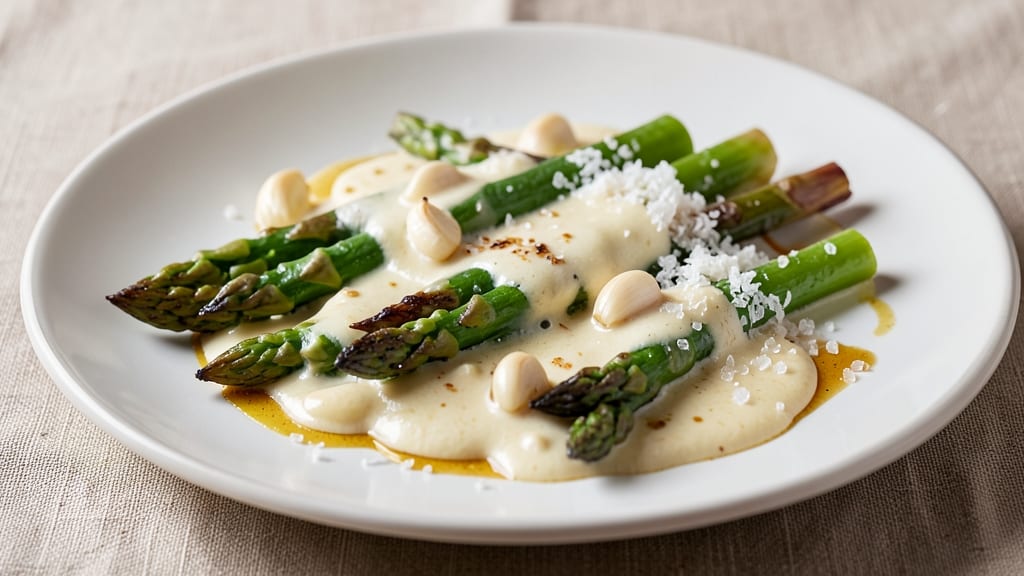
This asparagus alfredo sauce recipe transforms simple ingredients into a velvety, herb-infused masterpiece that elevates any dish. The secret lies in balancing rich cream with fresh asparagus and Parmesan, creating a sauce so luxurious it feels like a restaurant special.
What sets this apart is the crispy asparagus crowns—those golden, caramelized tips that add both texture and visual appeal to every spoonful.
The process is surprisingly straightforward, requiring just 15 minutes of active time for a sauce that tastes like it simmered for hours. Heavy cream and butter create the signature silky texture, while garlic and white wine add depth without overpowering.
The asparagus not only infuses flavor but also transforms into delicate, crispy crowns that can be served atop the sauce or mixed right in for extra dimension.
What you'll achieve is a sauce so rich and flavorful it turns ordinary pasta into a gourmet experience. The asparagus crowns add a satisfying crunch that contrasts perfectly with the creamy base, while the Parmesan provides that classic alfredo richness.
This sauce works beautifully over fettuccine, as a dip for crusty bread, or even as a luxurious topping for grilled chicken or fish.
Best of all, this recipe scales effortlessly—make a double batch and store it in the fridge for up to 5 days, or freeze for longer storage. For lighter versions, simply substitute half the heavy cream with whole milk, or omit the garlic entirely for a milder flavor profile.
The possibilities are endless, but the foundation remains the same: a foolproof method for restaurant-quality alfredo at home.
Ingredients for asparagus alfredo sauce
Nine essential ingredients crafting restaurant-quality alfredo with asparagus crowns.
| Ingredient | Amount | Notes |
|---|---|---|
| Heavy Cream 🥛 | 1 ½ cups | Full-fat for optimal richness |
| Unsalted Butter 🧈 | ½ cup | Cold, cubed for even melting |
| Fresh Asparagus 🌱 | 1 lb | Thick stalks for crispy crowns |
| Parmesan Cheese 🧀 | 1 cup | Freshly grated, fine texture |
| Garlic Cloves 🧄 | 4 cloves | Minced, for aromatic depth |
| Dry White Wine 🍷 | ½ cup | Sauvignon Blanc preferred |
| Fresh Lemon Juice 🍋 | 1 tbsp | Brightens the creamy base |
| Fresh Parsley 🌿 | ¼ cup | Chopped, for herbaceous finish |
| Diamond Crystal Kosher Salt 🧂 | 1 tsp | Adjust to taste |
| Freshly Ground Black Pepper 🌶️ | ½ tsp | For subtle seasoning |
The asparagus selection is critical—thick stalks yield the most dramatic crispy crowns. Local farmers markets often carry the freshest varieties, or opt for organic asparagus at Whole Foods for consistent quality. For Parmesan, Parmigiano-Reggiano from a block is non-negotiable; pre-grated versions contain anti-caking agents that alter texture. The heavy cream should be full-fat (36% or higher) for authentic richness, and Organic Valley or Horizon brands deliver reliable quality. Garlic cloves should be firm with no green shoots, and white wine should be dry with noticeable acidity—Kim Crawford or Oyster Bay are excellent choices.
No white wine? Dry vermouth or chicken stock works in a pinch, though the flavor profile shifts slightly. Substituting heavy cream with whole milk creates a lighter version, though texture will be less velvety. For a dairy-free adaptation, full-fat coconut milk can replace the cream, though the sauce will have a distinct coconut flavor. Fresh herbs are ideal, but dried parsley at one-third the amount suffices if needed. The butter should be unsalted to control seasoning precisely, though European-style butter adds subtle flavor if you prefer. For extra depth, consider adding a pinch of nutmeg or onion powder.
This sauce maintains peak quality for 5 days refrigerated when stored in an airtight container with a thin layer of plastic wrap pressed directly on the surface to prevent a skin from forming. For longer storage, freeze in ice cube trays for perfect single-portion servings, then transfer to a freezer bag. Thaw overnight in the fridge before reheating. The crispy asparagus crowns are best served immediately, though they can be reheated briefly in a dry skillet to restore crispness. Double batches freeze beautifully, making this an ideal make-ahead sauce for busy weeks.
Why You'll Love This Recipe
- No Chopping Struggle: I’ll be real—this sauce only needs three ingredients chopped (and the asparagus is just snapping, not dicing). The rest? Just melt, stir, and blend. My lazy Sundays thank me every time.
- Garlic-Butter Magic: That first bite of creamy sauce with nutty Parmesan and just the right amount of garlic heat? It’s the kind of flavor that makes you pause mid-fork. The asparagus adds a fresh, bright pop—like a springtime hug in a bowl.
- Leftovers That Don’t Suck: Unlike most Alfredo, this sauce improves the next day. I freeze half for quick pasta nights or stir it into eggs for a fancy breakfast. (Yes, even on a Tuesday.) No sad, watery sauce here—just rich, dreamy goodness.
- Pasta Party Ready: Dress up fettuccine for date night or toss it with grilled chicken for a family feed. It’s my go-to for potlucks because it’s always a hit—no one questions the asparagus, I promise. Plus, it’s cheaper than takeout but way better.
Step-by-step instructions for herb-infused asparagus alfredo
This method transforms simple ingredients into a velvety sauce with perfectly crisp asparagus crowns.
Blanch and Shock the Asparagus
Fill a large pot with water and bring to a rolling boil. Trim the tough ends from the 1 lb fresh asparagus, leaving the tender crowns intact. Add the asparagus to the boiling water and cook for exactly 2 minutes—this brief blanch preserves color while softening the stalks just enough. Watch closely; overcooking will turn them mushy.
Immediately drain the asparagus and transfer it to a bowl of ice water for 30 seconds to stop the cooking process. This shock treatment locks in vibrant green color and crisp texture. Drain again and pat dry thoroughly with paper towels. The asparagus should be bright green with slightly softened but still firm stalks and crisp crowns.
Build the Alfredo Base
In a large saucepan, melt the 0.5 cup unsalted butter over medium heat until it foams but doesn't brown. Add the 4 cloves minced garlic and sauté for 30 seconds until fragrant—don't let it color or it'll turn bitter. Pour in the 0.5 cup dry white wine and simmer for 2 minutes until reduced by half, scraping up any browned bits from the bottom of the pan.
Gradually whisk in the 1.5 cups heavy cream, bringing the mixture to a gentle simmer. Let it cook for 3-4 minutes until it slightly thickens but doesn't curdle. The sauce should coat the back of a spoon with a satiny consistency. Here's the thing—if you see any skin forming on the surface, simply stir it back in immediately to maintain a smooth texture.
Incorporate Cheese and Acid
Reduce heat to low and gradually sprinkle in the 1 cup freshly grated parmesan cheese, whisking constantly to prevent clumping. The cheese should melt completely into a smooth, glossy sauce. Add the 1 tbsp fresh lemon juice and 0.25 cup chopped fresh parsley, stirring well to combine. Taste and adjust seasoning with 1 tsp diamond crystal kosher salt and 0.5 tsp freshly ground black pepper—this sauce should be rich but balanced, not overpowering.
Real talk: The lemon juice might seem counterintuitive in a creamy sauce, but it brightens the flavors and prevents the dish from becoming too heavy. Keep the sauce warm over low heat while you prepare your pasta or protein—just don't let it boil or it'll separate.
Finish with Crisp Asparagus
Return the blanched asparagus to the sauce and gently toss to coat evenly. The residual heat will warm the asparagus through while keeping those crowns crisp. Let it sit for 1-2 minutes to meld flavors—you'll see the asparagus brighten slightly as it absorbs the creamy sauce. This is the moment that matters: The asparagus should be heated through but still offer a satisfying crunch when you bite into the crowns.
If serving over pasta, toss the sauce with cooked noodles just before plating to maintain that perfect al dente texture. For a restaurant-style presentation, arrange the asparagus crowns on top of the sauce, allowing their natural beauty to shine. The contrast between the velvety sauce and crisp asparagus is what makes this dish truly special.
Pro Tips For Making Asparagus Alfredo Sauce
- Blanch asparagus first: Trim the tough ends, then shock the spears in boiling water for 30 seconds before adding to the sauce. This softens them just enough to melt into the Alfredo without turning to mush—no more chewy surprises in your creamy finish.
- Melt butter slowly: Use medium-low heat for the butter and garlic. After burning three batches of garlic into oblivion, I learned: let it foam gently, not sizzle aggressively. This keeps the sauce from curdling when the cream hits.
- Grate parmesan fresh: Skip the pre-grated jar—it’s packed with anti-caking agents that make the sauce grainy. Use a microplane or fine grater and stop when the cheese is powdery, not clumpy. The texture difference is night and day.
- Temper the cream: Warm the heavy cream separately to 100°F before adding it to the butter. Cold cream dumped into hot fat? Instant curdling. A quick check with your finger—if it’s warm but not scalding, you’re golden.
Common mistakes when making your asparagus alfredo sauce
Overcooking Asparagus
Blanching asparagus for more than 2 minutes turns those crisp crowns into sad, mushy stalks. I've learned the hard way—once I left mine in for 3 minutes, and the texture was ruined. Keep a timer handy and shock immediately in ice water to lock in that perfect crunch. 🌱
Skipping the Shock
Forgetting to shock blanched asparagus in ice water means dull, limp stalks instead of vibrant green spears. The 30-second ice bath stops cooking instantly and preserves both color and texture. I now keep a bowl of ice water ready before starting the recipe—it's a game-changer for presentation.
Adding Cheese Too Fast
Dumping all that Parmesan cheese at once creates clumps instead of a silky sauce. Sprinkle it gradually while whisking constantly over low heat. I've had to rescue sauces by straining them through a fine-mesh sieve when this happens—better to take your time from the start.
Letting Sauce Boil
Boiling the sauce causes it to curdle and separate, ruining that velvety texture. Keep it at a gentle simmer—just below 200°F. If you see skin forming, stir it back in immediately. I keep the heat at medium-low and watch closely to avoid this common mistake.
Using Pre-Grated Cheese
Pre-grated Parmesan contains anti-caking agents that make the sauce grainy. Always grate your own using a microplane or fine grater. The difference in texture is noticeable—your sauce will be silky smooth instead of sandy. I invest in a good block of Parmigiano-Reggiano for this reason alone.
Ignoring the Lemon Juice
Skipping the 1 tbsp lemon juice makes the sauce taste flat and heavy. The acidity brightens all the flavors and balances the richness. I've made this sauce without it, and while it's still delicious, that missing brightness is obvious. A little goes a long way—don't skip this step!
Nutrition facts
Frequently asked questions
Can I make this sauce without white wine?
Use 0.5 cup dry vermouth or chicken stock as a substitute. For a completely alcohol-free version, try lemon juice or apple cider vinegar (1 tbsp each) mixed with 0.5 cup water. The acidity will still help balance the richness while adding brightness.
How do I keep the asparagus crowns crispy?
The 2-minute blanch + 30-second ice shock is key, but timing matters. After blanching, pat the asparagus very dry with paper towels—any moisture will steam the crowns. When adding to the warm sauce, toss gently for just 1-2 minutes maximum. Serve immediately for best results.
Can I make this sauce ahead of time?
Yes! Store the sauce (without asparagus) in an airtight container for up to 5 days refrigerated. For longer storage, freeze in ice cube trays, then transfer to a freezer bag. Reheat gently over low heat, stirring constantly. Add fresh asparagus crowns just before serving to maintain crispness.
What's the best pasta to pair with this sauce?
Fettuccine or tagliatelle work perfectly due to their wide, flat surfaces that catch the creamy sauce. For extra indulgence, try pappardelle (6-inch wide noodles) or even gnocchi. Avoid thin noodles like angel hair—the sauce will overwhelm them. Cook pasta 1 minute less than package instructions for al dente texture.
How can I make this sauce lighter?
Replace half the heavy cream with whole milk for a lighter version, or use Greek yogurt (1 cup) mixed with 0.75 cup milk for tangy creaminess. For dairy-free, try full-fat coconut milk (though flavor will differ). Reduce butter to 0.25 cup and add 1 tbsp nutritional yeast for cheesy depth.