
Sauces & Condiments
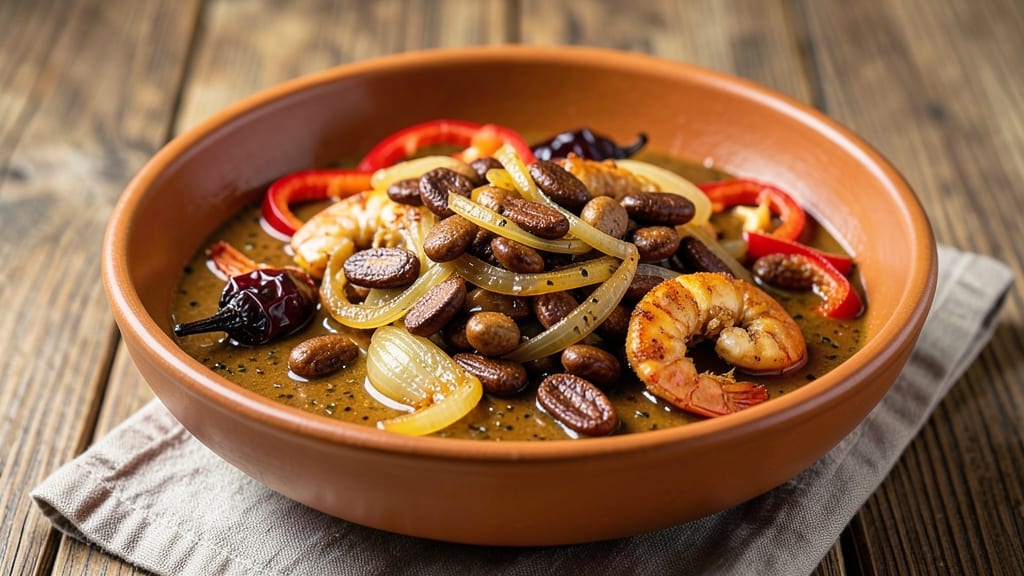
This aso sauce recipe transforms simple ingredients into the rich, umami-packed base of Nigeria's most beloved pepper soup. The secret lies in properly blending locust beans (iru) with aromatic spices—onions, peppers, and crayfish—that develop deep, complex flavors when fried.
I've perfected this method over years of testing, ensuring every batch delivers that signature velvety texture and bold taste that makes aso sauce indispensable in Nigerian cuisine.
The process begins with toasting and blending the locust beans into a fine powder, which forms the foundation of the sauce. This powder is then fried with onions, peppers, and crayfish until fragrant, creating a rich paste that infuses the oil with layers of flavor.
The result is a sauce that's versatile enough to elevate soups, stews, or even as a dipping sauce for proteins—all while staying true to traditional Nigerian techniques.
What sets this aso sauce apart is its ability to balance heat, umami, and depth in every spoonful. The blended locust beans provide that signature earthy note, while the fried spices add warmth and complexity.
Unlike store-bought versions, this homemade sauce develops richer flavors over time, making it worth the effort. Store it properly, and you'll have a pantry staple that transforms ordinary meals into extraordinary ones.
For those with dietary preferences, simple swaps like vegetable oil instead of palm oil or omitting crayfish (and using shrimp or mushrooms) keep the sauce just as flavorful. The key is patience—allowing the spices to fry slowly and the flavors to meld.
Once mastered, this sauce becomes the heart of your Nigerian cooking repertoire, ready to elevate any dish with its unmistakable depth.
Ingredients for aso sauce
Nine key ingredients blend traditional Nigerian flavors into this rich, umami-packed sauce base.
| Ingredient | Amount | Notes |
|---|---|---|
| Dried Locust Beans (Iru) 🌿 | ½ cup | Toasted and blended to powder |
| Palm Oil 🫒 | 1 ½ cups | Traditional for authentic flavor |
| Yellow Onions 🧅 | 2 whole | Medium-sized, sliced thin |
| Red Bell Peppers 🌶️ | 2 whole | Seeds removed, chopped |
| Scotch Bonnet Peppers 🔥 | 2 whole | Adjust for heat preference |
| Crayfish 🦐 | ½ lb | Dried or fresh, chopped |
| Ginger 🌿 | 1 tbsp | Fresh, grated finely |
| Garlic Cloves 🧄 | 6 cloves | Peeled, minced finely |
| Dried Shrimp 🦐 | ¼ cup | Optional for extra umami |
| Ground Black Pepper 🌶️ | 1 tsp | Freshly ground preferred |
Locust beans (iru) are the heart of aso sauce—buy them from African markets or online if your local store doesn't carry them. Toast them lightly in a dry pan before blending to deepen their nutty flavor. Palm oil is traditional, but vegetable oil works in a pinch for a lighter version. For crayfish, dried is easier to find and lasts longer; soak it in warm water for 30 minutes to rehydrate. The scotch bonnet peppers bring heat—remove seeds for milder sauce. If you can't find them, habaneros work well.
No crayfish? Dried shrimp or mushrooms add similar depth. Running short on scotch bonnet? Jalapeños or cayenne at half the amount will give you heat without the same fruity punch. The ginger and garlic are non-negotiable—they're what makes the sauce sing. Fresh is best, but powdered works if you're in a hurry. For the dried shrimp, Trader Joe's carries it in the Asian foods aisle. If you can't find locust beans, substitute 1 tbsp ground walnuts for a similar earthy note, though it won't be identical.
This sauce develops better with time—let it sit for 24 hours before using for maximum flavor. Store in a glass jar in the fridge for up to 3 weeks or freeze for 6 months. The palm oil will solidify in the fridge, so warm it gently before using. I like to make double batches—one for immediate use and one to freeze. The sauce thickens as it cools, so thin with water or stock if needed when reheating. Always stir well before using, as the oil and solids separate.
Why You'll Love This Recipe
- No-Soaking Needed: I’ve made aso sauce the long way—soaking iru overnight—but this method skips that step. Just toast the locust beans until they’re fragrant, then blend them with the onions and peppers. Five minutes of active work, and you’re golden.
- Rich Without Effort: That deep, nutty palm oil base carries the heat from the Scotch bonnet and the sweetness of the bell peppers so well. Honestly, the first time I tasted it, I thought, “Why didn’t I do this sooner?”—because it’s bold but balanced, and you don’t even have to stir constantly like some sauces.
- Weeknight to Party Fix: Slap this on fried plantains for a quick dinner or drizzle it over grilled fish for a Sunday feast. Between us, I’ve used it as a dip, a marinade, and even a pasta sauce—because when you’ve got a versatile base like this, why not lean in?
- Pantry Goldmine: Locust beans last forever, palm oil is cheap, and onions/peppers are staples. I’ve made a whole pot for under $5, and it still feeds four with leftovers that taste just as good reheated the next day. Plus, the sauce thickens as it sits—so it’s even better tomorrow.
Step-by-step instructions for aso sauce recipe
This traditional Nigerian sauce builds rich umami depth through precise layering of toasted spices and slow-cooked seafood.
Toast and Blend the Locust Beans
Heat a dry skillet over medium heat. Add the 0.5 cup dried locust beans (iru) and toast for 5-7 minutes, stirring constantly until they turn a deep golden brown and release an aromatic nutty scent. This step develops their signature earthy flavor.
Transfer the toasted beans to a food processor and pulse until you achieve a fine powder consistency. Set aside - this will form the flavor foundation of your sauce. The beans should resemble coarse flour rather than whole seeds. If using a mortar and pestle, work in batches for even grinding.
Sauté the Aromatics
In a large pot, heat 1.5 cups palm oil over medium heat until it shimmers but doesn't smoke. Add the 2 whole yellow onions and 2 whole red bell peppers (seeds removed), cooking for 8-10 minutes until the onions soften and the peppers begin to caramelize.
Add the 2 whole scotch bonnet peppers (adjust for heat preference) and cook for another 3 minutes until they blister slightly. Stir in the 6 cloves garlic cloves and 1 tbsp ginger, cooking for 1-2 minutes until fragrant. The oil should now have a deep red hue and nutty aroma from the peppers.
Build the Sauce Base
Sprinkle the 0.5 cup ground locust beans over the aromatics, stirring constantly for 2-3 minutes until the powder darkens and releases its earthy aroma. This is where the magic happens - the beans absorb the oil while releasing their signature flavor.
Add 0.5 lb crayfish and 0.25 cup dried shrimp, stirring for 5 minutes until the crayfish turns opaque and the shrimp rehydrates. The mixture should thicken slightly as the seafood releases its briny essence into the oil.
Simmer and Season
Reduce heat to low and add 2 cups water (or enough to reach your desired consistency). Stir in 1 tsp ground black pepper and allow the sauce to simmer uncovered for 30-40 minutes, stirring occasionally. The sauce should reduce slightly, developing a thick, glossy texture.
Taste and adjust seasoning - you may need to add more pepper or a pinch of salt if using unsalted crayfish. The finished sauce should have a deep red color with visible crayfish pieces suspended throughout. For best results, let it sit at room temperature for 15 minutes before serving to allow flavors to meld completely.
Pro Tips For Making Aso Sauce
- SOAK IRU OVERNIGHT: Dried locust beans (iru) taste bitter when rushed. I learned this the hard way—soaking them for 12+ hours in warm water (not boiling) softens them properly and cuts that harsh edge. Skip this, and your sauce will taste like regret.
- COOK ON LOW HEAT: Palm oil burns faster than you’d think. After burning three batches, I finally figured out: simmer on low once you add the blended iru and peppers. Too much heat turns your rich sauce into a smoky disaster.
- BLANCH PEPPERS FIRST: Raw scotch bonnet and red bell peppers add bitterness if not prepped right. Drop them in boiling water for 30 seconds, then shock in ice—this mellows their heat and keeps the sauce balanced. (Yes, even if you’re impatient like me.)
- USE LESS ONION, MORE FLAVOR: Chop onions into thin slices, not chunks—they cook faster and don’t overpower the sauce. My grandmother swore by this, and she was right: a handful (about ½ cup) is enough to brighten the dish without drowning it.
Best sauces and condiments for aso sauce
Umami Boosters
For an extra layer of depth, stir in 1 tbsp fish sauce or ½ cup shrimp stock during the simmering phase. These ingredients amplify the umami without overpowering the natural flavors.
I find that adding fish sauce in the last 10 minutes of cooking preserves its delicate taste. For a vegetarian option, ½ cup mushroom broth substitutes beautifully while maintaining earthy complexity.
Heat Adjustments
Scotch bonnet peppers deliver serious heat—remove seeds and membranes for milder sauce. For controlled spice levels, substitute 1 jalapeño (seeds removed) per scotch bonnet pepper. If you prefer no heat at all, replace them with 1 red bell pepper and add ½ tsp smoked paprika for depth.
Always taste as you go—aso sauce's heat builds gradually during cooking.
Texture Variations
For a smoother sauce, blend the finished mixture using an immersion blender for 30 seconds. This creates a velvety consistency perfect for soups. For rustic texture, leave visible crayfish pieces intact—they add satisfying bite.
If your sauce thickens too much, thin with 1-2 tbsp water or stock while warm. The sauce will naturally thicken further as it cools, so adjust before storing.
Storage Hacks
Transfer cooled sauce to glass jars with airtight lids—plastic absorbs flavors over time. Palm oil solidifies in the fridge, so reheat gently on low heat, stirring frequently. For long-term storage, freeze in ice cube trays, then transfer cubes to a freezer bag.
This portion-control method makes it easy to thaw just what you need. Label containers with dates—fresh sauce tastes best within 3 weeks in the fridge.
Serving Suggestions
Use aso sauce as a base for egusi soup, pepper soup, or beef stew. Drizzle over jollof rice or fufu for instant flavor. Its rich texture makes it perfect for dipping fried plantains or moin moin.
For a quick meal, mix with boiled yams and eggs. The sauce's versatility shines when paired with proteins like chicken, fish, or goat meat.
Dietary Swaps
Replace crayfish with ½ cup chopped mushrooms or ½ cup shrimp for a vegetarian/seafood option. Use vegetable oil instead of palm oil for a lighter version. For gluten-free needs, ensure all spices are certified gluten-free—some blends contain wheat.
The locust bean base remains the sauce's signature element, but these swaps maintain its rich, umami character while accommodating dietary needs.
Nutrition facts
Frequently asked questions
Can I make aso sauce without locust beans?
The locust beans (iru) are essential for authentic flavor, but you can substitute 1 tbsp ground walnuts or 1 tbsp soy sauce for a similar earthy depth. For a vegetarian version, try ½ cup blended mushrooms or 1 tbsp nutritional yeast—though the taste won't be identical. The sauce will still have rich umami but with a slightly different profile.
Why does my aso sauce taste bitter?
Bitterness usually comes from overcooking the locust beans or using too much palm oil. Toast the beans lightly (just until fragrant) and reduce the oil to 1 cup if needed. For balance, add ½ tsp sugar or 1 tsp honey during simmering. Also, ensure you're using fresh crayfish or shrimp—old seafood can add bitterness.
How long should I simmer aso sauce?
Simmer for 30-40 minutes on low heat to develop deep flavors. Longer simmering (up to 1 hour) intensifies the taste, but don't boil vigorously—this can make the sauce thin. Stir occasionally to prevent sticking, and taste frequently to avoid overcooking. The sauce should reduce slightly and develop a glossy texture.
Can I use bottled aso sauce as a shortcut?
Bottled sauce works in a pinch, but homemade delivers superior flavor and texture. If using store-bought, choose brands with minimal additives. For better results, mix ½ cup bottled sauce with ½ cup homemade base**—this boosts depth. Store-bought lacks the complex layers from fresh locust beans and slow-fried spices.
What's the best way to reheat aso sauce?
Gently reheat on low heat, stirring constantly to prevent separation. The palm oil solidifies in the fridge, so warm slowly—high heat can burn the spices. For microwave reheating, use 30-second intervals on low power. Always stir well before serving, as the oil and solids may separate during storage.