
Sauces & Condiments
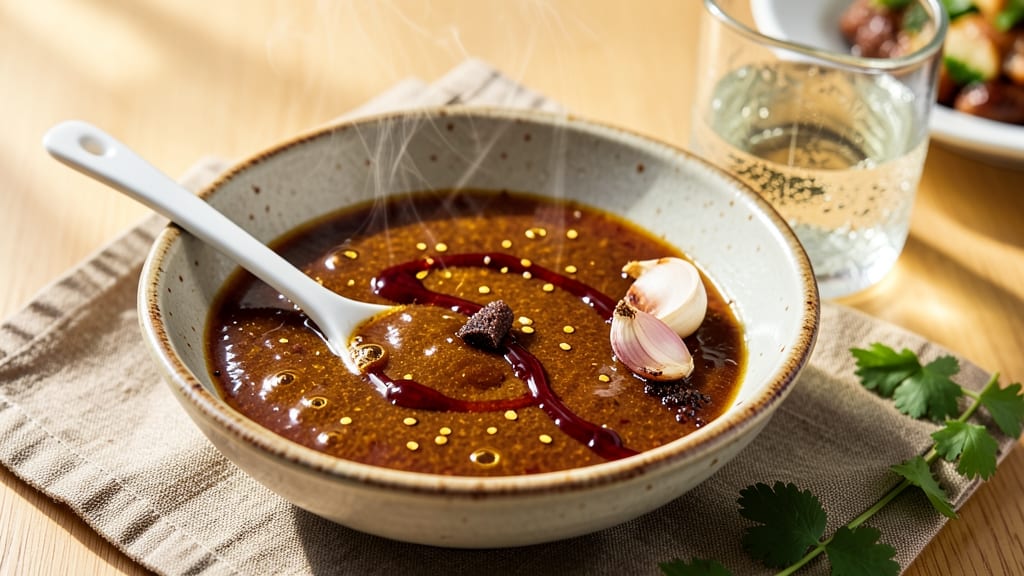
This Asian teriyaki sauce recipe delivers the perfect balance of glossy, sticky-sweet perfection for grilling or stir-frying—just like your favorite takeout, but better. 💛 The secret lies in the classic trio of soy sauce, mirin, and sugar, simmered until thick and aromatic.
I've refined this version to achieve that signature sheen and depth without any artificial additives, making it a pantry staple that elevates every dish it touches.
The beauty of this sauce is its versatility—it works equally well as a marinade, glaze, or dipping sauce. What sets it apart is the slow reduction process, which intensifies the flavors and creates that irresistible glossy finish.
Unlike store-bought versions, this recipe uses real ingredients like mirin (or a substitute) and brown sugar for a richer, more complex taste. The result? A sauce that's sticky enough to cling to proteins but not so sweet it overpowers the dish.
By the time you're done, you'll have a jar of restaurant-quality teriyaki sauce that's ready to transform grilled meats, stir-fried vegetables, or even noodles into something extraordinary. The best part?
It keeps well in the fridge for up to two weeks, so you can make a big batch and enjoy it all week long. Whether you're a seasoned home cook or just starting out, this recipe is foolproof and delivers professional results every time.
For those who prefer modern twists, you can easily swap out traditional ingredients like honey for sugar or coconut aminos for soy sauce. The technique remains the same—simmer, reduce, and glaze—ensuring you get that perfect balance of sweet, salty, and umami in every bite.
Let's get started on making this sauce that will quickly become a household favorite.
Ingredients for asian teriyaki sauce
Eight simple ingredients transform into restaurant-quality teriyaki sauce—glossy, sweet, and packed with umami.
| Ingredient | Amount | Notes |
|---|---|---|
| Soy Sauce 🍶 | ½ cup | Use high-quality, low-sodium preferred |
| Mirin 🍶 | ½ cup | Substitute with 1 tbsp sugar + 0.5 cup white wine |
| Brown Sugar 🍚 | ½ cup | Light or dark, packed |
| Rice Vinegar 🍶 | 2 tbsp | White or seasoned |
| Sesame Oil 🫒 | 1 tbsp | Toasted, for aroma |
| Garlic Cloves 🧄 | 3 cloves | Minced, for depth |
| Fresh Ginger 🌿 | 1 tbsp | Grated, fresh preferred |
| Water 💧 | ½ cup | Room temperature |
The soy sauce and mirin are your flavor anchors—don't skimp here. Kikkoman soy sauce or Hondashi mirin are my go-tos, but any good brand works. The brown sugar adds depth, so pack it tightly into your measuring cup. Fresh ginger and garlic? Always use fresh—the dried stuff just won't cut it. If you can't find mirin, white wine plus sugar is a solid swap. Sesame oil adds that signature aroma, but add it last—just a splash to finish. The rice vinegar balances everything without overpowering.
No mirin? White wine plus sugar works perfectly—just reduce the wine first to concentrate the flavor. Fresh ginger too fibrous? Powdered ginger at half the amount gets you close. The sauce needs to reduce to a glossy consistency—if it's too thin, simmer uncovered for another 5-10 minutes. For a smoother finish, strain through a fine-mesh sieve after cooking. Want extra richness? Add 1 tbsp of honey or maple syrup at the end. And if you're feeling fancy, a pinch of white pepper adds a subtle kick.
This sauce keeps beautifully—2 weeks in the fridge sealed tightly. For longer storage, freeze in ice cube trays, then transfer to a bag. Thaw overnight in the fridge before using. The flavor actually improves after a few days as everything melds together. I always make double batches—one for immediate use, one to freeze. Perfect for grilling, stir-fries, or even drizzling over rice bowls. The sesame oil separates when cold, so give it a quick stir before using.
Why You'll Love This Recipe
- Here’s what sold me: the brown sugar caramelizes into the mirin, giving it this deep, glossy richness, while the rice vinegar cuts through with just enough tang. Drizzle it over grilled chicken or noodles, and you’ll taste why people obsess over teriyaki.
- I’ll be real: store-bought teriyaki is fine, but this costs half as much and tastes better. A splash of sesame oil at the end? That’s the secret weapon that makes it feel gourmet without breaking the bank. Plus, leftovers turn into easy lunches or stir-fry boosters.
Step-by-step instructions for glossy Asian teriyaki sauce
Here's how to make a perfectly balanced teriyaki sauce—rich, glossy, and packed with umami depth.
🍳 Step 1: Sauté Aromatics Until Fragrant
Heat a small saucepan over medium heat and add the 1 tablespoon sesame oil. Once the oil shimmers, add the 3 minced garlic cloves and 1 tablespoon grated fresh ginger. Sauté for 30-45 seconds until the garlic turns golden and you can smell that aromatic punch—this is where the sauce gets its depth.
Watch closely here—ginger burns faster than garlic. If it starts to darken too quickly, reduce the heat to low and keep stirring. The goal is fragrant, not burnt. Remove the pan from heat once you catch that irresistible aroma—this is the foundation of your sauce's complexity.
🍳 Step 2: Combine Wet Ingredients and Simmer
Return the pan to medium heat and add the 0.5 cup soy sauce, 0.5 cup mirin, and 0.5 cup brown sugar. Stir until the sugar dissolves completely—this usually takes about 1-2 minutes. Then pour in the 2 tablespoons rice vinegar and 0.5 cup water, stirring constantly to combine all ingredients.
Bring the mixture to a gentle boil, then immediately reduce heat to low-medium. Let it simmer uncovered for 8-10 minutes, stirring occasionally. You'll see the sauce thicken noticeably and develop a beautiful glossy sheen. This simmering process is crucial—it allows the flavors to meld and the sugar to caramelize slightly for that perfect sticky-sweet balance.
⏰ Step 3: Finish and Adjust Consistency
After 8-10 minutes of simmering, taste the sauce. It should be sweet, salty, and umami-rich with a perfect balance. If it's too thick, add 1-2 tablespoons water at a time until you reach your desired consistency. For a glossier finish, return the sauce to a gentle simmer for another 1-2 minutes—this helps develop that signature teriyaki shine.
Here's the thing—teriyaki sauce should coat the back of a spoon but still be pourable. If you're making it for stir-fries, aim for a slightly thinner consistency. For glazing grilled meats, you can let it reduce a bit more for a thicker, stickier sauce. Remember, you can always thin it with more water later if needed.
🍽️ Step 4: Cool and Store Properly
Remove the sauce from heat and let it cool to room temperature. I like to transfer it to a clean jar or airtight container while it's still warm—this helps prevent condensation when it cools. The sauce will continue to thicken slightly as it cools, so don't worry if it looks a bit runnier immediately after cooking.
For best results, store the teriyaki sauce in the refrigerator for up to 2 weeks. When you're ready to use it, gently reheat it over low heat on the stovetop, stirring occasionally until warmed through. If it thickens too much while reheating, add a splash of water to restore the perfect consistency. This sauce tastes even better the next day as the flavors continue to develop!
Pro Tips For Making Asian Teriyaki Sauce
- Simmer Slow and Steady: I learned this the hard way—boiling teriyaki sauce on high heat turns it bitter and syrupy fast. Keep it at a gentle simmer (tiny bubbles, barely moving) for 10-12 minutes. If it’s splattering like crazy, you’re doing it wrong.
- Use Real Mirin, Not Substitutes: That "mirin substitute" in a bottle? Skip it. Real mirin adds depth and prevents the sauce from tasting flat. If you must substitute, reduce the sugar by 1 tablespoon—those cheap versions are already sweetened.
- Balance the Vinegar First: Taste the rice vinegar before adding it. If it’s too sharp, cut it with a splash of water (1:1 ratio) to mellow it out. Adding it too late means you’ll have to adjust the whole sauce afterward.
- Strain for Smoothness: After simmering, let the sauce cool slightly, then strain it through a fine-mesh sieve. This removes any grit from the brown sugar and gives you a silky finish—especially important if you’re drizzling it over delicate dishes. (Yes, even if you’re lazy, do this.)
Common mistakes when making great asian teriyaki sauce
Skipping the Reduction
One of the most common mistakes is rushing the simmering process. Teriyaki sauce needs that 8-10 minute reduction to develop its signature glossy texture and deep, caramelized flavor. I’ve seen people walk away from the stove too soon, resulting in a thin, watery sauce that lacks that restaurant-quality sheen.
The sugar needs time to break down and create those beautiful caramelized notes—don’t skip this step! 🔥
Using Low-Quality Ingredients
Don’t cut corners with cheap soy sauce or artificial mirin substitutes. The quality of your ingredients directly impacts the final product. I always recommend Kikkoman soy sauce or Hondashi mirin—they provide that authentic umami depth. If you’re using a mirin substitute (like white wine + sugar),
Burning the Aromatics
Garlic and ginger are the soul of teriyaki sauce, but they can easily turn bitter if overcooked. I’ve burned mine more times than I’d like to admit! Keep the heat at medium and stir constantly. If the ginger starts to darken too quickly, reduce the heat to low and give it a little more time. The goal is fragrant, not burnt—this is where the sauce gets its depth of flavor.
Over-Sweetening the Sauce
Many people go overboard with the sugar, thinking more equals better. But too much sugar can make the sauce cloying and overpower the other flavors. Start with the ½ cup brown sugar and adjust to taste after simmering.
If you’re unsure, err on the side of slightly less sweet—you can always add more later. Balance is key, and teriyaki sauce should have a harmonious blend of sweet, salty, and umami.
Not Adjusting Consistency
Teriyaki sauce should be thick enough to coat the back of a spoon but still pourable. If it’s too thick, add 1-2 tablespoons of water to thin it out. If it’s too thin, simmer it uncovered for another 2-3 minutes to reduce it.
I’ve seen people struggle with this because they don’t adjust as they go. Taste and adjust—this is how you achieve that perfect balance!
Storing Improperly
Teriyaki sauce is best when stored in an airtight container in the fridge for up to 2 weeks. If you leave it out too long or don’t seal it properly, it can develop an off flavor or grow mold.
I always transfer it to a clean jar while it’s still warm to prevent condensation. And if you’re freezing it, use ice cube trays for easy portion control—just thaw overnight in the fridge before using. Proper storage keeps your sauce fresh and delicious for longer! ❄️
Nutrition facts
Frequently asked questions
Can I make this teriyaki sauce without mirin? For every ½ cup mirin called for, mix ½ cup white wine with 1 tbsp sugar and reduce it by half on the stove first. This creates the same sweetness and depth. The wine adds a nice fruity note that works beautifully in the sauce. Just
How do I adjust the sweetness level?
Start with the ½ cup brown sugar and taste after simmering. For less sweetness, reduce to ¼ cup and add extra soy sauce for balance. Need more sweetness? Add 1 tbsp honey or maple syrup at the end. The key is balance—teriyaki should have equal parts sweet, salty, and umami. Adjust in small increments to avoid overpowering the sauce.
Can I use this sauce as a marinade?
Yes, but thin it first! For marinades, mix equal parts sauce with water or broth to create a thinner consistency. Let proteins marinate for 30 minutes to 2 hours in the fridge. The sauce's natural stickiness helps tenderize meat while adding flavor. Just don't over-marinate delicate fish—30 minutes max to prevent breaking down the texture.
Why did my sauce turn cloudy?
Cloudiness usually means the sauce didn't reduce enough or the sugar didn't fully dissolve. For a glossy finish, simmer uncovered for 10-12 minutes total until it thickens. If it's still cloudy, strain through a fine-mesh sieve to remove any undissolved particles. The sauce should be clear with a beautiful sheen when properly reduced.
How can I make this sauce spicier?
Add ½ tsp red pepper flakes or 1 tsp sriracha at the end for heat. For deeper spice, sauté ½ tsp ground chili with the garlic and ginger. Start with small amounts—you can always add more, but you can't take it out. The spice should complement, not overpower, the sauce's sweet-salty balance.