
Sauces & Condiments
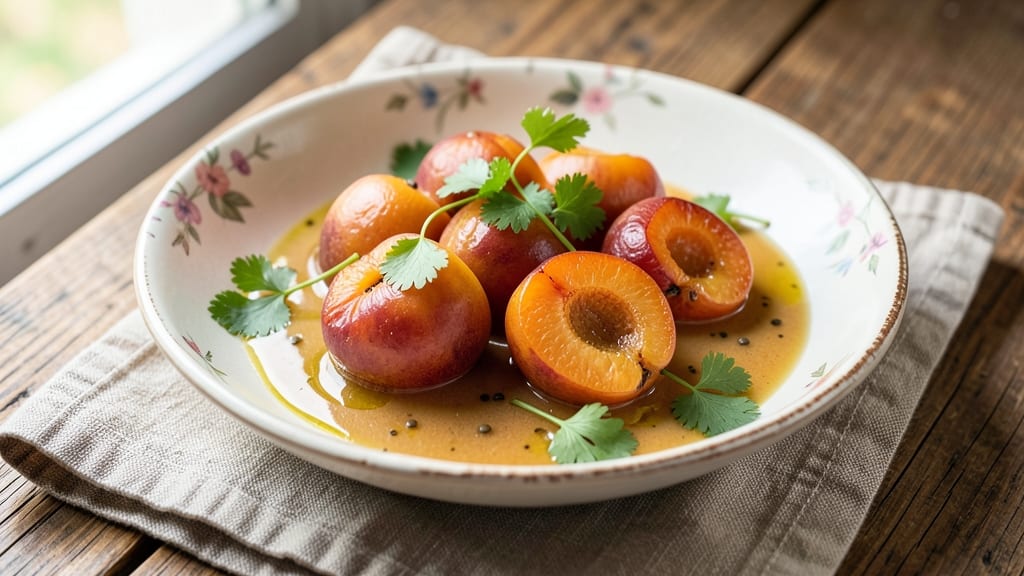
This apricot and coriander sauce recipe transforms simple grilled dishes into vibrant, restaurant-worthy meals with just a few ingredients and 15 minutes of prep time. The bright sweetness of apricots pairs perfectly with the fresh, citrusy notes of coriander, creating a sauce that’s as versatile as it is delicious.
I developed this recipe after craving a lighter, fruit-forward alternative to heavy creams—one that still delivers bold flavor without overpowering the main dish.
The magic lies in balancing ripe apricots (fresh or frozen work equally well) with a touch of sugar, vinegar, and fresh coriander, all blended into a smooth, glossy consistency. A hint of cumin or cardamom adds depth, while lemon juice brightens the flavors and ensures the sauce stays fresh.
This isn’t just a condiment; it’s a flavor multiplier that elevates grilled chicken, lamb, or even roasted vegetables into something extraordinary.
What makes this sauce truly special is its dual-purpose nature—drizzle it over grilled meats for a glossy finish, stir it into yogurt for a refreshing dip, or even use it as a glaze for desserts like pancakes or ice cream.
The texture is silky yet light, with just enough body to cling to every bite without feeling heavy. Best of all, it keeps in the fridge for up to 5 days, making it a perfect make-ahead solution for meal prep.
For those who love bold flavors but want to keep things balanced, this sauce delivers complexity without intensity. The apricots provide natural sweetness, while the coriander and spices add an aromatic kick that lingers on the palate.
Whether you’re hosting a dinner party or simply craving a flavor upgrade, this recipe is your secret weapon. Let’s get started!
Ingredients for apricot and coriander sauce
Eight ingredients, fifteen minutes—this vibrant sauce turns grilled dishes into restaurant-worthy masterpieces.
| Ingredient | Amount | Notes |
|---|---|---|
| Ripe Apricots 🍑 | 1 cup | Fresh or frozen, pitted and chopped |
| Fresh Coriander Leaves 🌿 | ½ cup | Stems removed, loosely packed |
| Extra-Virgin Olive Oil 🫒 | ½ cup | Light, fruity variety preferred |
| Fresh Lemon Juice 🍋 | 2 tbsp | From 1 small lemon, freshly squeezed |
| Granulated Sugar 🍚 | 2 tbsp | Adjust to taste for sweetness |
| Apple Cider Vinegar 🍎 | 1 tbsp | For tangy brightness |
| Ground Cumin 🌿 | ¼ tsp | Toasted for deeper aroma |
| Ground Cardamom 🌸 | ⅛ tsp | Optional, for floral depth |
| Sea Salt 🧂 | ½ tsp | Diamond Crystal preferred |
| Water 💧 | ¼ cup | For blending consistency |
The apricots are the star here, so pick ripe ones—they should yield to gentle pressure. Trader Joe's and Whole Foods carry excellent frozen options if fresh aren't available, and they work perfectly. For coriander, fresh is non-negotiable (dried just won't give that bright, citrusy punch), but if you're using stems, give them a quick rinse. The olive oil should be light and fruity—avoid heavy, peppery varieties that can overpower the delicate flavors. I always grab the California Early Harvest from Whole Foods when I can, but any good extra-virgin will do.
No fresh apricots? Mango or peach purée works in a pinch, though the flavor will shift slightly. Short on coriander? Fresh cilantro or parsley at double the amount gets you close, though the flavor profile changes. The cumin is essential—it bridges the sweetness of the fruit with the herbal notes—but if you're avoiding it, a pinch of smoked paprika adds depth. For the sugar, I use organic cane sugar (it dissolves faster), but any granulated works. The vinegar can be swapped for white wine vinegar if you prefer a more subtle tang, though apple cider adds that lovely fruity complexity.
This sauce keeps beautifully—5 days in the fridge sealed tightly, or up to 3 months frozen in ice cube trays for single-serving portions. For best texture, stir in a splash of water before blending if it seems too thick, but it should naturally thin out as it sits. I always make a double batch—one for grilled salmon, another to drizzle over yogurt with toasted nuts. The flavors actually improve overnight as everything melds together, so wait until the next day if you can.
Why You'll Love This Recipe
- No Blender Needed: I swear by this—just a knife, a bowl, and a spoon. Those ripe apricots soften into a silky texture with zero effort, and the coriander leaves? A quick chop and you’re done. Honestly, my slow cooker days are over for sauces like this.
- Sunshine in a Bowl: That bright, zesty lemon juice cuts through the sweetness of the apricots while the olive oil adds this luscious richness. The coriander leaves bring a fresh, herbal punch—like a summer breeze in every spoonful. (Yes, even on a Tuesday night.)
- Dresses Up Everything: Slather it on grilled chicken, drizzle over yogurt bowls, or toss with couscous—it’s my go-to for turning simple meals into something special. Between us, it’s the secret weapon behind my "fancy" dinner parties that take 15 minutes.
- Lasts All Week: Make a double batch, and you’ve got sauce for days. The sugar balances the acidity, so it doesn’t spoil quickly, and the olive oil keeps it from drying out. I’ve had this in the fridge for five days—still fresh, still delicious. Budget-friendly? Absolutely.
Step-by-step instructions for apricot and coriander sauce
This vibrant sauce comes together in minutes with simple techniques that maximize flavor.
Blanch and Peel the Apricots
Bring a small pot of water to a boil and add the 1 cup ripe apricots. Cook for 2-3 minutes until the skins begin to loosen and the fruit softens slightly. Immediately transfer the apricots to an ice bath to stop the cooking process—this prevents overcooking while making the skins easier to remove.
Drain the apricots and peel off the skins using your fingers or a small paring knife. You want the fruit to be tender but still hold its shape when chopped. Cut the peeled apricots into ¼-inch pieces and set aside. The bright orange color signals they're ready for the next step.
Toast the Spices and Infuse the Oil
In a small dry skillet over medium-low heat, toast the 0.25 tsp ground cumin and 0.125 tsp ground cardamom for 30-45 seconds until fragrant. Watch closely—they'll darken quickly. Immediately transfer the spices to a small bowl and let them cool for 1 minute before adding to the sauce.
In the same skillet, warm the 0.5 cup extra-virgin olive oil over low heat for 1 minute. Remove from heat and stir in the toasted spices, letting them infuse for 5 minutes. This step develops the aromatic base that carries through the entire sauce. The oil should take on a subtle golden hue and nutty aroma.
Blend the Base Ingredients
Add the chopped apricots, 0.5 cup fresh coriander leaves, 0.25 cup water, 2 tbsp fresh lemon juice, 1 tbsp apple cider vinegar, and 2 tbsp granulated sugar to a high-speed blender. Blend on high for 30-45 seconds until completely smooth. The sauce should be vibrant orange with a fine, silky texture.
With the blender running, slowly drizzle in the spice-infused olive oil. This gradual addition prevents the sauce from breaking. Taste and adjust the sweetness—add 1 more tablespoon granulated sugar if needed, or balance with 1 teaspoon more lemon juice for acidity. The sauce should be bright, balanced, and just slightly sweet.
Season and Finish
Transfer the sauce to a small saucepan and place over low heat. Add the 0.5 tsp sea salt and stir to dissolve. Simmer gently for 3-4 minutes, stirring occasionally, until the sauce thickens slightly and coats the back of a spoon. The texture should be like thick honey—smooth and clingy.
Remove from heat and let cool for 5 minutes. The sauce will continue to thicken as it cools. Taste again and adjust seasoning if needed—this is where the magic happens. The final sauce should be vibrant, aromatic, and perfectly balanced between sweet, tart, and herby notes. Serve immediately over grilled meats or fish, or store in an airtight container in the refrigerator for up to 3 days.
Pro Tips For Making Apricot And Coriander Sauce
- STEAM THE APRICOTS FIRST: I learned this the hard way—roasting whole apricots until they burst open is a pain, and you end up with burnt bits. Instead, drop them into a pot of simmering water for 5 minutes to soften them up. They’ll peel like a dream, and the sauce won’t taste like charred fruit.
- CHOP CORIANDER COARSELY: Fine chopping coriander turns it into a bitter sludge in sauces. Leave the stems in (they add depth) and roughly chop the leaves—think ½-inch pieces. This keeps the bright, fresh flavor instead of muddying the sauce.
- BALANCE SWEET AND ACID: Adding sugar first, then lemon juice, is a recipe for disaster. Taste as you go: mix the sugar into the warm apricot purée, then add lemon juice last—this way, you can adjust the tang without turning the sauce cloying. (Yes, even if you’re impatient like me.)
- SIMMER LOW AND LONG: Rushing the reduction on high heat turns the sauce into syrup. Keep it at a gentle simmer for 10-15 minutes—this lets the flavors meld and the olive oil emulsify properly. The sauce should coat the back of a spoon, not drip like water.
Serving suggestions for leftovers
Grilled Meats
This sauce transforms simple grilled chicken into a showstopper—just drizzle 2-3 tablespoons over seared breast or thighs before serving. The apricot's natural sweetness caramelizes beautifully on the grill, while coriander adds that fresh, herbaceous brightness.
For lamb chops, brush on 1 tablespoon during the last 2 minutes of grilling to create a sticky, glossy finish. 🔥
Pro tip: Let the meat rest for 5 minutes after grilling before adding the sauce. This ensures juices redistribute, preventing a dry bite. I love pairing it with garlic butter grilled shrimp—the sauce's acidity cuts through the richness perfectly.
Yogurt Dips
Stir ¼ cup of this sauce into 1 cup plain Greek yogurt for an instant dip that's perfect with pita chips or veggie sticks. The coriander keeps it fresh while the apricot adds subtle sweetness.
For extra texture, top with toasted pistachios or crumbled feta cheese. This combo is a game-changer for hummus nights!
For a dessert twist, mix 2 tablespoons of sauce into ½ cup whipped cream and dollop over warm pancakes or waffles. The floral cardamom and citrusy coriander elevate breakfast to brunch-worthy status. 💛
Roasted Vegetables
Toss 2 cups roasted carrots or beets with 1 tablespoon olive oil and 1 tablespoon sauce before roasting at 400°F for 20 minutes. The sauce caramelizes beautifully, creating a sticky glaze that clings to every bite. This works especially well with sweet potatoes or butternut squash.
For a quick weeknight dinner, drizzle 2 tablespoons over grilled eggplant slices and sprinkle with crumbled goat cheese. The contrast of creamy cheese and tangy sauce is pure magic. I make this at least once a week when I'm craving something light but flavorful.
Dessert Applications
Drizzle 1 tablespoon over vanilla ice cream or panna cotta for a sophisticated dessert that's surprisingly easy. The apricot's sweetness balances the creaminess, while coriander adds an unexpected herbal note. For a boozy twist, add ½ teaspoon orange liqueur to the warm sauce before serving. ✨
Try it on warm churros or baked apples for a dessert that feels special without being overly sweet. The cardamom in the sauce adds a subtle floral aroma that pairs beautifully with cinnamon-spiced desserts. This is my go-to sauce for summer dessert parties!
Nutrition facts
Frequently asked questions about apricot and coriander sauce
Can I use dried coriander instead of fresh?
Fresh coriander is essential for that bright, citrusy flavor—dried just won't give the same vibrant punch. If you're out of fresh, try doubling the amount of fresh cilantro or parsley, but the texture and aroma won't be identical. For best results, always use fresh herbs in this recipe.
How do I adjust the sweetness if my apricots are very tart?
Start by adding 1 extra tablespoon of sugar during blending, then taste and adjust. If they're extremely tart, a splash of honey or maple syrup works beautifully. Balance with ½ teaspoon more lemon juice to keep the acidity in check. The sauce should be sweet but not cloying.
Can I make this sauce without a blender?
Yes! Finely chop the apricots and coriander with a knife, then mix everything in a bowl with a fork. For a smoother texture, pulse in a food processor first. The flavor will be slightly less refined, but it'll still taste amazing. Just stir more frequently to distribute the ingredients evenly.
What's the best way to reheat leftovers?
Gently warm the sauce in a small saucepan over low heat for 2-3 minutes, stirring constantly. Avoid high heat—it can break the sauce's delicate balance. For quick use, stir 1 teaspoon water into the cold sauce and microwave for 20 seconds to restore its silky texture.
Does this sauce work with seafood?
Drizzle over grilled shrimp, salmon, or scallops for a stunning presentation. The sauce's acidity cuts through seafood's richness while the apricot adds natural sweetness. For extra brightness, add ½ teaspoon grated ginger when blending. It's a perfect match for Mediterranean-style seafood dishes.