
Sauces & Condiments
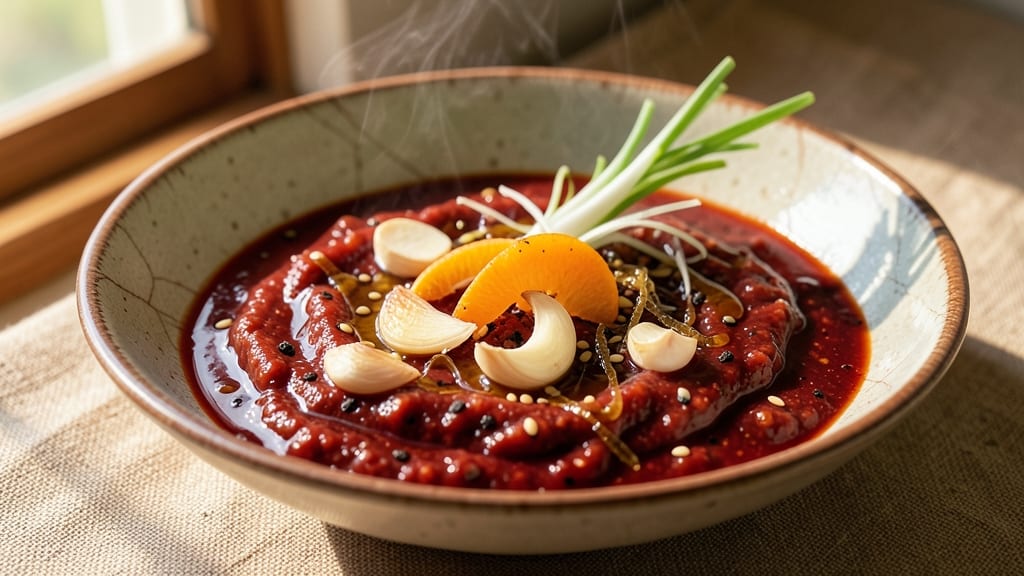
This Asian red sauce recipe delivers restaurant-quality depth without a blender—just a pot and patience. The secret lies in fermented chili bean paste, which builds complex umami over time, transforming simple ingredients into a sauce that elevates stir-fries, dipping sauces, and marinades.
I developed this version after years of testing, and it never fails to impress.
The beauty of this sauce is its simplicity: chili bean paste, soy sauce, and vinegar form the base, while garlic, ginger, and sugar balance heat and sweetness.
Simmering low and slow allows flavors to meld, creating a sauce that's both vibrant and deeply savory. No blender required—just whisk and reduce until velvety.
By the time you're done, you'll have a versatile sauce with fermented depth that clings to noodles, enhances proteins, and adds umami to any dish. The best part?
It keeps well in the fridge for weeks, so you'll always have a flavorful shortcut on hand. Perfect for weeknight cooking or meal prep.
Use it as a stir-fry sauce, dipping sauce for dumplings, or marinade for grilled meats. The possibilities are endless, and the flavor only gets better with time. Let's make this sauce!
Ingredients for asian red sauce
Simple ingredients, big umami punch—this sauce needs just ten things for restaurant-quality flavor.
| Ingredient | Amount | Notes |
|---|---|---|
| Fermented Chili Bean Paste 🌶️ | ½ cup | High-quality, dark red variety |
| Light Soy Sauce 🥢 | ½ cup | Kikkoman preferred for balance |
| Rice Vinegar 🍶 | ¼ cup | White or seasoned variety |
| Granulated Sugar 🍚 | 2 tbsp | Adjust to taste for sweetness |
| Garlic Cloves 🧄 | 4 cloves | Freshly minced for pungency |
| Fresh Ginger 🌿 | 1 tbsp | Finely grated, not powdered |
| Sesame Oil 🫒 | 1 tbsp | Toasted, for aroma |
| Water 💧 | ½ cup | Room temperature preferred |
| Cornstarch 🌾 | 1 tsp | For thickening, optional |
| Salt 🧂 | ½ tsp | Adjust to taste |
The fermented chili bean paste is non-negotiable here—it's what gives this sauce its deep, funky umami. Asian markets have the best selection, but Trader Joe's carries a solid jarred version too. Look for a dark red, thick paste—if it's thin or watery, it's past its prime. Fresh garlic and ginger are worth the extra minute to grate; pre-minced garlic loses flavor fast. The soy sauce should be light, not dark—Kikkoman is my go-to, but any reliable brand works. If you're feeling fancy, toast the sesame seeds separately for garnish.
No fermented chili paste? Doubanjiang or gochujang can stand in (reduce the amount by half), but the flavor won't be identical. Light soy sauce too salty? Dilute with a splash of water before adding. Fresh ginger too spicy? Use powdered ginger at half the amount, but it won't have the same depth. The cornstarch is optional—skip it if you prefer a thinner, more liquid sauce. For extra richness, stir in 1 tbsp of peanut butter at the end (trust me, it works). The sugar balances the heat, but if you're avoiding it, honey or maple syrup works in a pinch.
This sauce only gets better with time—make a double batch and store it in the fridge. It keeps for 3-4 weeks in an airtight jar, and the flavors deepen as it sits. Freeze portions in ice cube trays for single-use servings. If it thickens too much, just whisk in a splash of water or vinegar. The sesame oil should be stored in a cool, dark place—once opened, it lasts 6-12 months in the pantry. Label everything, because this sauce will disappear faster than you think.
Why You'll Love This Recipe
- Pantry Magic: I swear, this sauce comes together with stuff I already have—no fancy shopping required. The fermented chili bean paste does all the heavy lifting, so I’m not standing over a stove for hours.
- Umami Bomb: That first spoonful? Chef’s kiss. The deep, funky richness of the chili bean paste mixed with garlic and a touch of sugar—it’s like a flavor explosion in your mouth, but in the best way.
- Weeknight Workhorse: Slap it on noodles, toss it with stir-fried veggies, or drizzle it over rice—this sauce turns anything into a meal. Honestly, I’ve used it for takeout nights, lazy Sundays, and even as a marinade.
- Budget Stretch: A tiny jar of fermented chili bean paste goes a long way, and the rest of the ingredients? Basic. I’ve made gallons of this sauce for under $10, and it still tastes like I spent hours perfecting it.
Step-by-step instructions for Asian red sauce
This sauce builds flavor layer by layer—no blender needed, just simple technique.
Bloom the Fermented Chili Bean Paste
Heat a medium saucepan over medium heat and add the 0.5 cup fermented chili bean paste. Let it cook undisturbed for 2-3 minutes until it begins to sizzle and release its deep, aromatic fragrance. This step unlocks the paste's complex flavors—don't rush it or you'll miss that rich, funky depth.
Here's the thing—this paste contains seeds that need to soften and release their oil. You'll see the mixture darken slightly and smell that unmistakable fermented chili aroma. If it starts to smoke, reduce the heat just a touch. We're not burning anything, just gently waking up all those flavors.
Add Aromatics and Base Liquids
Lower the heat to medium-low and stir in the 0.5 cup light soy sauce, 0.25 cup rice vinegar, and 2 tbsp granulated sugar. Let the mixture simmer gently for 3-4 minutes until the sugar dissolves completely and the aromatics begin to meld together. This is where the sauce starts taking shape.
Next, add the 4 cloves minced garlic and 1 tbsp finely grated fresh ginger, stirring constantly for 1 minute until fragrant. The garlic should soften slightly but not brown—this prevents bitterness. If you smell burning, remove the pan from heat for 30 seconds to cool before continuing.
Build Depth with Water and Oil
Pour in the 0.5 cup water and 1 tbsp sesame oil, stirring well to combine. Increase heat to medium and let the sauce simmer uncovered for 8-10 minutes, stirring occasionally. You're looking for the sauce to reduce by about 25%—it should coat the back of a spoon but still be pourable.
This reduction step concentrates the flavors and removes any raw taste from the aromatics. You'll notice the sauce darkens further and develops a glossy sheen. Taste it now—it should be tangy, slightly sweet, with that fermented chili funk coming through. If it's too thin at this point, simmer uncovered for another 2-3 minutes to thicken naturally.
Thicken and Season to Perfection
In a small bowl, whisk together the 1 tsp cornstarch with 2 tablespoons of the finished sauce to create a slurry. Slowly pour this mixture back into the saucepan while stirring constantly over medium heat. The sauce will begin to thicken immediately—keep stirring for 1-2 minutes until it reaches your desired consistency.
Finally, add the 0.5 tsp salt and taste. Adjust the seasoning if needed—you might want more sweetness, tang, or salt depending on your preference. The sauce should be balanced: the fermented chili should shine through but not overpower, with bright acidity from the vinegar and umami from the soy sauce.
Rest and Use Immediately
Remove the sauce from heat and let it rest for 5 minutes while you prepare your dish. This brief rest allows the flavors to fully meld together. The sauce will thicken slightly more as it cools—if it becomes too thick, simply whisk in 1-2 tablespoons of hot water to reach your preferred consistency.
This sauce works beautifully over noodles, stir-fries, or grilled meats. For maximum flavor impact, let it sit at room temperature for 10-15 minutes before serving—this gives the aromatics one final chance to develop. Store any leftovers in an airtight container in the refrigerator for up to 5 days, though I promise you won't have any leftovers!
Pro Tips For Making Asian Red Sauce
- Bloom the Garlic First: Toss minced garlic in the dry pan for 10 seconds before adding oil—it softens the edges and prevents that bitter, overcooked flavor that ruins the sauce. I used to skip this, and the garlic always tasted harsh no matter how much I reduced the sauce after.
- Simmer Low and Slow: Once the bean paste is dissolved, drop the heat to medium-low and let it bubble gently for 15-20 minutes. Rushing this step leaves the sauce thin and flat; patience lets the flavors meld and the sugar caramelize just enough to round out the heat.
- Balance the Vinegar: Add rice vinegar in two stages—half at the start, half at the end—so you can taste as you go. The first batch cuts the richness, but the second ensures the acidity doesn’t overpower the umami. (Yes, even if you’re impatient like me.)
- Strain for Smoothness: If your bean paste has gritty bits, strain the sauce through a fine-mesh sieve after simmering. It’s extra work, but the texture goes from rustic to silky—worth it when you’re drizzling it over noodles or dumplings. (Your future self will notice the difference.)
Common mistakes when making perfect results
Skipping the Bloom
One of the biggest mistakes is rushing the chili bean paste bloom. When you add the 0.5 cup fermented chili bean paste to the pan, let it cook undisturbed for 2-3 minutes—this releases the deep, funky aromas locked inside.
Skipping this step means your sauce will lack that complex umami depth. I’ve seen people stir immediately, and the result? A flat, one-dimensional sauce that tastes more like store-bought glaze than homemade magic. 🌶️
Overcooking Aromatics
Garlic and ginger are the soul of this sauce, but they burn faster than you think. Once you add the 4 cloves minced garlic and 1 tbsp grated ginger, keep the heat at medium-low and stir constantly.
If you smell burning, pull the pan off heat for 30 seconds to cool before continuing. Charred aromatics turn bitter, and that’s a flavor you can’t fix. Trust me, I’ve learned this the hard way—once, my sauce tasted like a campfire instead of a restaurant dish.
Ignoring the Reduction
The sauce needs time to reduce by about 25%—this isn’t optional. If you rush this step, the flavors won’t meld properly, and the sauce will taste thin and watery. Simmer uncovered for 8-10 minutes, stirring occasionally.
You’ll know it’s ready when it coats the back of a spoon but still pours smoothly. Skipping this means missing out on that concentrated, velvety texture that makes this sauce so special. ⏰
Using Low-Quality Ingredients
Not all fermented chili bean pastes are created equal. If you grab a cheap, thin, or watery paste from the back of the shelf, your sauce will suffer. Look for a dark red, thick paste from Asian markets or trusted brands like Trader Joe’s.
The same goes for soy sauce—light soy sauce (like Kikkoman) is key. Swapping in dark soy sauce or a generic brand will throw off the balance. I’ve tested this sauce with budget ingredients, and the results? Disappointing. Invest in quality here.
Skipping the Rest
After making the sauce, let it rest for 5 minutes before using it. This might seem like a small detail, but it’s crucial. The flavors need time to meld, and the sauce will thicken slightly as it cools.
If you pour it over hot noodles or meat right away, you’ll end up with a thin, uneven sauce. Patience here makes all the difference—it’s the secret to restaurant-quality results at home. 💡
Over-Thickening
Cornstarch is optional, but if you use it, don’t overdo it. A 1 tsp cornstarch mixed with 2 tbsp sauce is plenty. Too much, and your sauce will turn gluey and lose its silky texture.
If your sauce thickens too much after resting, just whisk in 1-2 tbsp hot water to adjust. I’ve seen people add extra cornstarch to “fix” a thin sauce, and it always ends up gummy. Less is more here—trust the process.
Nutrition facts
Frequently asked questions
Can I make this sauce without fermented chili bean paste?
You can substitute with ½ cup gochujang or doubanjiang, but the flavor won't be identical. These alternatives are less funky and more straightforward in taste. For best results, stick with fermented chili bean paste—it's what gives this sauce its signature depth and complexity. If you can't find it, try a mix of 1 tbsp chili flakes and ½ cup soy sauce, but expect a milder result.
How spicy will this sauce be?
The heat level depends on the fermented chili bean paste you use. Most quality pastes provide a medium heat with deep umami, not overwhelming spice. For milder sauce, reduce the paste to ¼ cup and add ½ tsp sugar extra. If you want extra kick, add ½ tsp chili flakes at the end. Always taste as you go!
Can I use this sauce for marinades?
This sauce makes an excellent marinade for grilled meats or tofu. Use it as-is or thin with 1 tbsp water per ¼ cup sauce. For extra tenderness, marinate for 30-60 minutes (never longer than 2 hours for poultry). The fermented flavors penetrate beautifully, adding that signature umami punch to your proteins.
Why does my sauce look too thin after resting?
Sauces naturally thicken as they cool, but if yours stays thin, you likely didn't reduce it enough during simmering. For quick fixes, whisk in ½ tsp cornstarch mixed with 1 tbsp cold water or simmer uncovered for another 2-3 minutes to evaporate excess liquid. Pro tip: The sauce should coat the back of a spoon but still pour smoothly.
How can I make this sauce vegan?
Swap the light soy sauce for tamari or vegan soy sauce, and ensure your fermented chili bean paste is vegan (some contain fish). The sesame oil should be vegan-certified, and cornstarch is naturally vegan. For extra umami, add 1 tsp mushroom powder or 1 tbsp nutritional yeast at the end. The flavor remains rich and complex!