
Sauces & Condiments
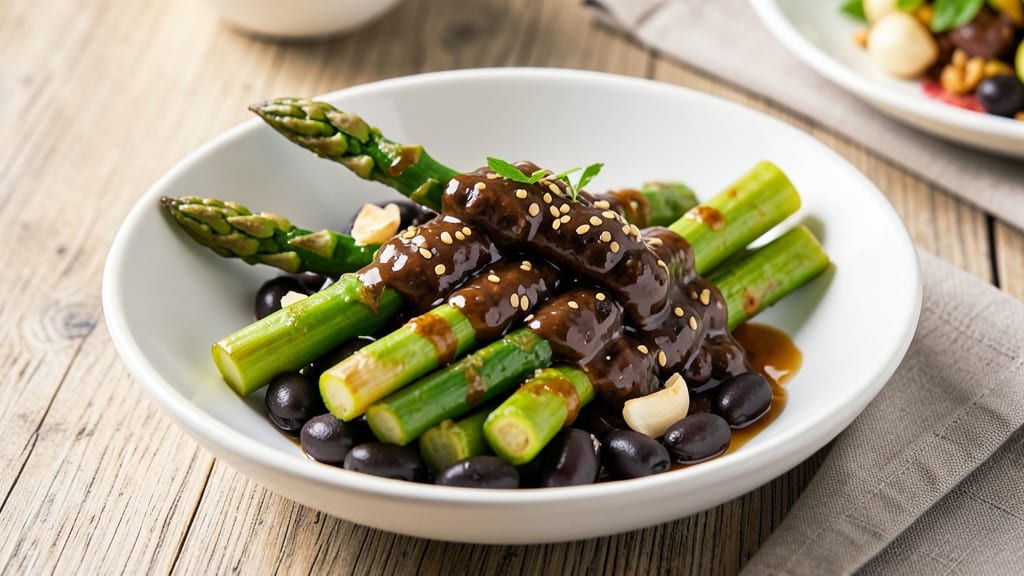
This asparagus with black bean sauce transforms simple ingredients into a restaurant-worthy vegetarian dish with just 15 minutes of active time. The secret lies in balancing the earthy sweetness of black beans with the crisp brightness of asparagus, all bound together by a umami-packed sauce that's rich yet light.
I developed this recipe after realizing how often store-bought sauces fall short—this version delivers depth without overpowering the natural flavors of the vegetables.
The foundation of this dish is the black bean sauce, where canned black beans, garlic, and soy sauce create a velvety base that clings perfectly to the asparagus. High-heat stir-frying ensures the asparagus stays crisp-tender, while the sauce caramelizes slightly for added complexity.
This isn't just another vegetable side—it's a complete, protein-rich meal that holds its own as a main dish, especially when paired with rice or quinoa.
What makes this recipe stand out is how it elevates humble ingredients through technique. The sauce is built in stages—first reducing the beans and aromatics, then thickening with a touch of cornstarch for that signature silky texture.
The result is asparagus spears coated in a glossy, savory sauce that's bold in flavor but balanced in richness, with just enough acidity from a splash of rice vinegar to brighten everything up.
Perfect for weeknight dinners when you crave something satisfying yet healthy, or as a make-ahead dish that reheats beautifully. The sauce can be made in advance and stored for up to 5 days, making this a versatile recipe for busy schedules.
Let's create this umami-packed stir-fry that proves vegetarian meals can be deeply flavorful without compromise.
Ingredients for asparagus with black bean sauce
Fourteen ingredients transform into a restaurant-worthy vegetarian dish with bold umami flavors and crisp-tender asparagus.
| Ingredient | Amount | Notes |
|---|---|---|
| Fresh Asparagus 🥬 | 1 ½ lb | Trimmed and woody ends removed |
| Canned Black Beans 🫘 | 1 can | No salt added, drained and rinsed |
| Garlic Cloves 🧄 | 4 cloves | Minced, fresh preferred |
| Low-Sodium Soy Sauce 🍶 | 2 tbsp | For umami depth |
| Rice Vinegar 🍶 | 1 tbsp | For brightness |
| Cornstarch 🌾 | 1 tsp | For sauce thickening |
| Sesame Oil 🫒 | 1 tsp | Toasted, for aroma |
| Vegetable Oil 🫒 | 2 tbsp | High smoke point |
| Ginger Root 🌿 | 1 tbsp | Freshly grated |
| Red Bell Pepper 🌶️ | ½ cup | Diced, for color and crunch |
| Green Onion 🧅 | 2 whole | Thinly sliced, for garnish |
| Sesame Seeds 🌾 | 1 tsp | Toasted, for garnish |
| Diamond Crystal Kosher Salt 🧂 | ½ tsp | For seasoning |
| Black Pepper 🌶️ | ¼ tsp | Freshly ground |
The asparagus selection matters—look for bright green spears with tightly closed tips at your local market or grocery store's produce section. Whole Foods or Trader Joe's often carry organic options that hold up better during high-heat cooking. For the black beans, no-salt-added canned varieties like Bush's or Goya ensure you control the seasoning. Fresh garlic and ginger are non-negotiable for maximum flavor, though frozen would work in a pinch if you're short on time. The red bell pepper adds both color and texture, so choose one that's firm and vibrant.
No fresh ginger? Substitute with 1/2 teaspoon of ground ginger, but fresh is always better. Running low on sesame oil? Toasted peanut oil works equally well—just use the same quantity. The cornstarch is crucial for achieving that signature silky sauce texture, though arrowroot powder at half the amount would suffice if needed. For extra depth, a dash of fish-free Worcestershire sauce can replace some of the soy sauce, though traditional soy sauce delivers the most authentic umami. If you prefer less heat, omit the black pepper entirely or use white pepper instead.
This dish reheats beautifully—simply warm in a skillet with a splash of water or sauce for 2-3 minutes to maintain crispness. Store leftovers in an airtight container in the fridge for up to 4 days, though the sauce can be prepped ahead and kept for 5 days separately. For meal prep, portion the sauce and asparagus separately to prevent sogginess. The sauce also freezes well for 3 months, making it perfect for batch cooking and busy weeknights.
Why You'll Love This Recipe
- I’ll be real: fresh asparagus isn’t cheap, but canned beans and a few pantry staples stretch this into a full meal for two or a side for four. Swap in frozen asparagus? Still works. Skip the soy sauce for tamari? Still delicious. It bends without breaking.
- No Fuss, Bold Flavor: I swear by this when I need something fast but still tastes like I put in effort. The black beans and soy sauce caramelize into a sticky, savory glaze that clings to the asparagus—no fancy reductions, just a pan and 15 minutes of your time.
- One-Pan Magic: Honestly, this recipe is my lazy-day hero. Toss everything in one skillet—garlic sizzling, asparagus wilting, beans warming—and walk away. The rice vinegar brightens it all up with zero extra cleanup. (Yes, even on a Tuesday night.)
- Meal Prep MVP: Between us, this keeps perfectly for three days in the fridge. The sauce thickens just enough to coat the asparagus, so reheating gives you that same restaurant-style bite. Pack it for lunches or serve it cold over rice—it’s that adaptable.
Step-by-step instructions for asparagus with black bean sauce
Master this vibrant stir-fry in minutes with a perfect balance of crisp asparagus and rich black bean sauce.
Prepare the Asparagus and Aromatics
Start by snapping off the woody ends of the 1.5 lb fresh asparagus—simply bend each spear until it naturally breaks. Trim any remaining tough stems with a sharp knife. Cut the asparagus into 2-inch pieces for even cooking, and set aside.
In a small bowl, combine the minced 4 cloves garlic cloves, freshly grated 1 tbsp ginger root, 0.5 cup diced red bell pepper, and 0.5 tsp Diamond Crystal kosher salt. This aromatic blend will infuse the sauce with depth and brightness. The ginger and garlic should be finely minced—you want them to dissolve completely into the sauce rather than remain as distinct pieces.
Cook the Asparagus Until Crisp-Tender
Heat 2 tbsp vegetable oil in a large skillet over medium-high heat until shimmering. Add the prepared asparagus in a single layer, ensuring the pieces aren't overcrowded. Cook for 3-4 minutes, stirring occasionally, until the asparagus turns bright green and just begins to soften at the edges. The goal is to maintain a slight crispness while ensuring the centers are tender.
Remove the asparagus from the skillet and set aside on a plate. Don't drain the oil—those flavorful bits will form the base of your sauce. If the oil appears too dark or smoky, discard half and add 1 tbsp fresh vegetable oil to maintain a neutral flavor profile.
Build the Black Bean Sauce
In the same skillet, reduce the heat to medium and add the prepared aromatic blend. Sauté for 1-2 minutes until fragrant, stirring constantly to prevent burning. This step unlocks the full flavor potential of the garlic and ginger—don't skip it.
Pour in the 2 tbsp low-sodium soy sauce and 1 tbsp rice vinegar, scraping up any browned bits from the bottom of the pan. These bits, known as fond, are packed with flavor. Add the 1 can drained and rinsed black beans and stir to combine. Let the mixture simmer for 2-3 minutes until the black beans are heated through and the sauce begins to thicken slightly.
Thicken and Finish the Sauce
In a small bowl, whisk together the 1 tsp cornstarch with 1 tbsp cold water to create a slurry. Slowly pour this into the skillet while stirring continuously. The sauce will thicken almost immediately—this step ensures a glossy, cohesive sauce that clings beautifully to the asparagus.
Return the asparagus to the skillet and toss everything together for 1-2 minutes until the asparagus is evenly coated in the sauce. Drizzle in the 1 tsp toasted sesame oil and stir once more. The sesame oil adds a nutty aroma that elevates the dish. Taste and adjust seasoning with additional kosher salt or black pepper if needed.
Garnish and Serve Immediately
Transfer the asparagus and black bean sauce to a serving platter. Garnish with thinly sliced 2 whole green onion and sprinkle with 1 tsp toasted sesame seeds for texture and visual appeal. The green onion adds a fresh contrast, while the sesame seeds provide a final crunch.
Serve immediately while the asparagus is still crisp-tender and the sauce is warm. This dish pairs beautifully with steamed jasmine rice or warm tortillas. The balance of textures—crisp asparagus, tender black beans, and glossy sauce—makes it a satisfying, umami-rich meal in under 15 minutes.
Pro Tips For Making Asparagus With Black Bean Sauce
- Trim Asparagus at Angles: Cut the tough ends off at a 45-degree angle—this makes the stalks look more elegant and lets you use the full length without the bitter base. I used to snap them like celery, but the angled cuts actually cook more evenly in the pan.
- Drain and Rinse Beans Cold: Dump those canned black beans into a colander and give them a quick cold-water rinse before draining. This cuts the gummy residue that builds up from the canning liquid, so your sauce stays smooth and bright—not gloppy.
- Sear Garlic in Stages: Start with whole cloves on medium heat until golden, then crush them right in the pan. If you minced the garlic first, it’ll burn before the asparagus gets a chance to cook. I learned this after one batch tasted bitter—now I keep it whole until the very end.
- Balance Vinegar Last: Taste the sauce before adding rice vinegar—it’s easy to overdo it and make the dish taste sharp. Add just a teaspoon at a time, then let it sit for 30 seconds to see how it brightens the flavors. My first attempt was way too tangy, so now I go slow.
Troubleshooting this dish
Sauce Too Thin
If your black bean sauce ends up watery, the cornstarch slurry might not have thickened properly. I’ve found that whisking the 1 tsp cornstarch with 1 tbsp cold water thoroughly is key—any lumps will create a grainy texture instead of a smooth finish.
For extra insurance, let the sauce simmer for an additional 1-2 minutes after adding the slurry, stirring constantly. If it’s still too thin, mix ½ tsp more cornstarch with 1 tsp water and stir in gradually. 💡
Asparagus Overcooked
Asparagus turns mushy when cooked too long, especially after being tossed back into the sauce. To avoid this, remove the asparagus from the skillet as soon as it reaches crisp-tender (about 3-4 minutes at medium-high heat).
If you’re worried about undercooking, test a piece by piercing it with a fork—it should offer slight resistance but yield easily. Once back in the sauce, keep the heat at medium-low and toss for only 1-2 minutes. 🥬
Sauce Too Salty
Low-sodium soy sauce can still pack a punch, especially if your canned black beans were rinsed with salted water. To balance the flavor, add a splash of rice vinegar (another ½ tbsp) to brighten the sauce and cut through the saltiness.
If that’s not enough, stir in 1 tsp honey or maple syrup to mellow the salt. Taste as you go—it’s easier to adjust than to fix an oversalted dish later. 🧂
Garlic Burnt
Garlic burns faster than you’d think, especially when combined with other aromatics like ginger. To prevent this, keep the heat at medium when sautéing the garlic and ginger blend, and stir constantly for only 1-2 minutes.
If you notice the garlic turning dark, remove the skillet from heat immediately and let it cool slightly before proceeding. For extra protection, add the garlic and ginger to the skillet just before adding the soy sauce and black beans. 🧄
Lack of Umami Depth
If your sauce tastes flat, it might need more umami layers. Boost the flavor by adding ½ tsp fish-free Worcestershire sauce or a pinch of miso paste (about ½ tsp) to the sauce.
For a vegetarian-friendly option, stir in 1 tsp nutritional yeast or a dash of white miso during the final simmer. These additions add complexity without overpowering the dish. 💫
Sauce Separates
If the sauce looks oily or separates after reheating, it’s likely because the cornstarch didn’t fully activate. To fix this, whisk the sauce vigorously over low heat for 1-2 minutes to re-emulsify the ingredients.
For future batches, ensure the cornstarch slurry is fully dissolved in cold water before adding it to the skillet. If the sauce still separates, stir in 1 tsp cold water to help bind the ingredients back together. ⚡
Nutrition facts
Frequently asked questions
Can I use frozen asparagus instead of fresh?
Fresh asparagus gives the best texture, but frozen works in a pinch! Thaw it completely first, then pat dry thoroughly to prevent excess moisture in your skillet. Use 1 lb frozen asparagus (about 2 cups) instead of 1.5 lbs fresh, as frozen spears are often shorter. Cook for 2-3 minutes total after adding to the sauce to avoid mushiness.
How do I make this dish spicier? Add heat by stirring in ½ teaspoon red pepper flakes or 1 teaspoon gochujang when building the sauce. For extra kick, toss in 1 diced jalapeño with the aromatics.
Can I make the sauce ahead of time?
The sauce keeps well in an airtight container in the fridge for up to 5 days. Reheat gently over low heat while stirring constantly to prevent separation. For best texture, add the asparagus fresh when serving. The sauce actually improves overnight as flavors meld.
What if I don't have cornstarch?
No problem! Use ½ teaspoon arrowroot powder mixed with 1 tbsp water as a 1:1 substitute. For a grain-free option, whisk 1 tbsp tomato paste with the sauce at the end—it adds thickness and subtle sweetness. Just remember these alternatives may slightly alter the sauce's glossy finish.
Is this dish gluten-free?
Mostly, but check your ingredients! Use tamari or gluten-free soy sauce instead of regular soy sauce. The cornstarch can be substituted with arrowroot powder for a certified gluten-free version. All other ingredients are naturally gluten-free. Always verify labels on canned beans and sauces.