
Sauces & Condiments
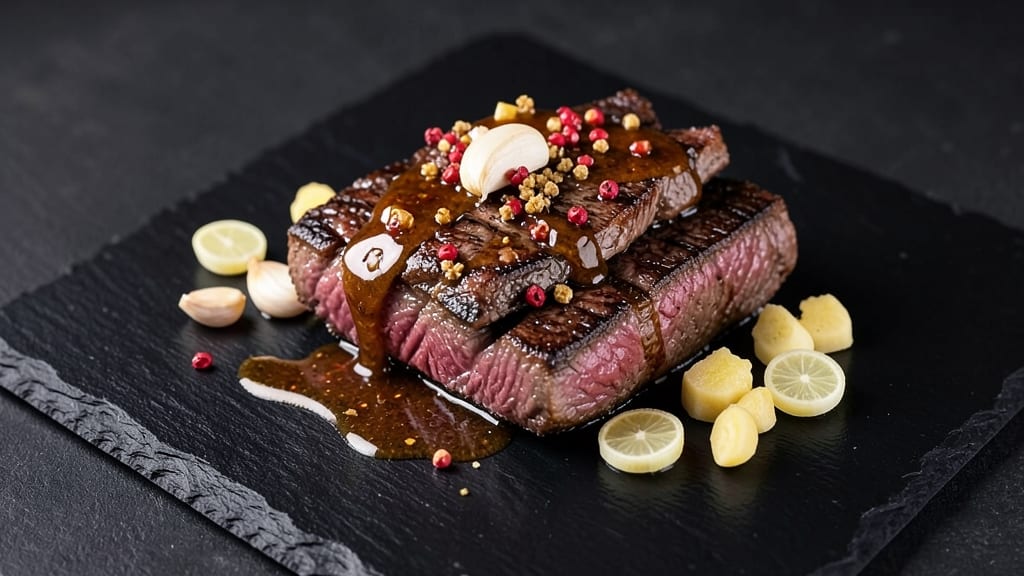
This Asian pepper steak sauce recipe delivers the perfect balance of sweet-chili heat and deep umami that transforms ordinary steak into an extraordinary dish. 🔥 The secret lies in simmering soy sauce, garlic, ginger, and chili with a touch of Szechuan peppercorn for that signature tingling warmth.
I developed this sauce to elevate simple stir-fries, grilled steaks, or even as a bold dipping sauce—its versatility makes it a must-have in any kitchen. What sets this sauce apart is the caramelized reduction that intensifies the flavors without overpowering the natural taste of the meat.
The combination of brown sugar and rice vinegar creates a sweet-savory profile, while the black pepper adds a subtle earthiness that rounds out the heat. Unlike store-bought versions, this recipe builds layers of complexity through slow simmering, ensuring every bite is packed with depth.
By the time you finish, you’ll have a glossy, aromatic sauce that clings perfectly to steak, chicken, or vegetables. The Szechuan peppercorn adds a unique, subtle heat that lingers, while the garlic and ginger provide a bright, fresh contrast.
This isn’t just a sauce—it’s a flavor enhancer that turns ordinary meals into restaurant-worthy dishes. Use it as a marinade for tender, flavorful steak, a dipping sauce for spring rolls, or a stir-fry glaze. The possibilities are endless, but the technique is simple: simmer, reduce, and balance.
Let’s make this sauce!
Ingredients for asian pepper steak sauce
Nine essential ingredients crafting umami depth and sweet-chili complexity for restaurant-quality steak sauce.
| Ingredient | Amount | Notes |
|---|---|---|
| Soy Sauce 🍶 | ½ cup | Light or dark variety preferred |
| Brown Sugar 🍚 | ¼ cup | Packed firmly for accuracy |
| Rice Vinegar 🍶 | ¼ cup | Seasoned preferred for depth |
| Szechuan Peppercorns 🌶️ | 1 tbsp | Toasted and crushed lightly |
| Garlic Cloves 🧄 | 6 cloves | Minced finely for infusion |
| Fresh Ginger 🌿 | 1 tbsp | Grated finely for brightness |
| Red Chili Flakes 🔥 | 1 tbsp | Adjust for desired heat level |
| Black Peppercorns 🌶️ | 1 tsp | Freshly cracked for aroma |
| Extra-Virgin Olive Oil 🫒 | 2 tbsp | High-quality for balance |
| Water 💧 | ½ cup | For thinning as needed |
The Szechuan peppercorns are non-negotiable—they deliver that signature tingling warmth that sets this sauce apart. Whole peppercorns from Penzeys or bulk bins at specialty markets yield the best flavor, but a quick toast in a dry pan before crushing amplifies their aroma. Garlic and ginger should be freshly grated or minced—pre-minced jarred versions lack the punch. For soy sauce, Kikkoman or Pearl River Bridge brands provide that authentic umami backbone, while brown sugar should be packed firmly to avoid under-measuring. The rice vinegar adds brightness, so seasoned varieties with a touch of salt enhance the sauce's complexity without extra effort.
No Szechuan peppercorns? Substitute with a pinch of cayenne plus white pepper for heat, though you'll miss the unique tingling sensation. Fresh ginger unavailable? Ground ginger at half the amount works, but toast it first to deepen its flavor. For a smoother sauce, blend the finished mixture—though purists argue the hand-crushed texture of peppercorns adds character. The olive oil shouldn't be skipped; it carries the sauce's glossy finish and balances the acidity. If you prefer less sweetness, reduce the brown sugar to 2 tablespoons and add 1 teaspoon of cornstarch slurry to thicken without sugar.
This sauce peaks after 24 hours of refrigeration as flavors meld, but it's stable for up to 1 month in an airtight jar. Freeze in ice cube trays for single-use portions—thaw quickly in a warm water bath. For restaurant-quality results, simmer the sauce uncovered to encourage reduction. The glossy sheen comes from the olive oil and slow evaporation; don't rush this step. Store any leftovers with a thin layer of oil on top to preserve freshness.
Why You'll Love This Recipe
- Pantry Magic: I swear, this sauce comes from five ingredients I already have. No specialty shopping—just soy, sugar, vinegar, crushed peppercorns, and garlic. That’s it. Honestly, I’ve made it three times this month because it’s that reliable.
- Tingle You’ll Crave: The Szechuan peppercorns add this electric, slightly numbing heat that lingers in the best way—like a warm hug for your taste buds. Between us, it’s the kind of flavor that makes you reach for the bottle again before the meal’s even over.
- Double-Duty Sauce: Slather it on steak, toss it with noodles, or drizzle it over stir-fried veggies—this stuff doesn’t quit. I keep a jar in the fridge because it’s my go-to for weeknight dinners and lazy Sunday brunches. (Yes, even on a Tuesday night.)
- Budget Night Hero: A single batch costs pennies but feels like a restaurant dish. The brown sugar cuts the acidity perfectly, and the rice vinegar keeps it bright without needing fancy ingredients. Not the prettiest, but the taste makes up for it every time.
Step-by-step instructions for Asian pepper steak sauce
This sauce delivers bold umami depth with a perfect balance of sweet-chili heat and aromatic complexity.
🍳 Step 1: Toast the Spices for Maximum Flavor
Heat the 2 tablespoons extra-virgin olive oil in a medium saucepan over medium heat until shimmering. Add the 1 tablespoon Szechuan peppercorns and 1 teaspoon black peppercorns—they'll sizzle and release their essential oils almost immediately. Toast for 30-45 seconds until fragrant and slightly darker, but don't let them burn. Here's the thing—proper toasting unlocks their full aromatic potential, which becomes the sauce's signature complexity.
Remove the pan from heat and immediately add the 6 minced garlic cloves and 1 tablespoon finely grated fresh ginger. Let them sit off the heat for 2 minutes while the residual heat softens them—this prevents burning when you return to the stove. The garlic should be translucent but not browned, and the ginger should release its citrusy aroma.
🍳 Step 2: Build the Sauce Base with Sweet-Chili Balance
Return the pan to medium-low heat and add the 0.25 cup packed brown sugar and 1 tablespoon red chili flakes. Stir constantly for 2-3 minutes until the sugar dissolves completely and the mixture turns a deep amber color. You'll see tiny bubbles form along the edges—that's your signal the sugar is caramelizing slightly, which deepens the sauce's flavor profile.
Pour in the 0.5 cup soy sauce and 0.25 cup rice vinegar all at once. Stir vigorously to combine, then increase heat to medium-high and bring to a gentle boil. Let it simmer uncovered for 5 minutes—this reduces the liquid slightly and allows the flavors to meld. The sauce should thicken noticeably, coating the back of a spoon with a glossy sheen.
🥘 Step 3: Finish with Water and Taste Adjustments
Remove the pan from heat and stir in the 0.5 cup water. This adjustment creates the perfect consistency—thick enough to coat but fluid enough to drizzle. Return to low heat and simmer gently for another 3 minutes to ensure all ingredients are fully incorporated. Taste and make final adjustments: add more brown sugar if you want it sweeter, more soy sauce for deeper umami, or red chili flakes for extra heat.
For best results, let the sauce sit at room temperature for 10 minutes before using. This resting period allows the flavors to truly marry together, resulting in a sauce that's more complex than the sum of its parts. The Szechuan peppercorns will give a subtle numbing tingles, the garlic and ginger will provide aromatic depth, and the sweet-chili balance will create a perfect harmony for steak or grilled meats.
Pro Tips For Making Asian Pepper Steak Sauce
- CRUSH THE PEPPERCORNS: Toss whole Szechuan peppercorns in a clean sock or small bag with a rolling pin—this keeps your mortar and pestle from flying everywhere (I learned this the hard way). Aim for a fine powder, but don’t overdo it; you just want to release the aroma, not turn it into dust that’ll cling to everything.
- GARLIC: MINCE, DON’T CHOP: Tiny, even garlic pieces toast faster and sweeter than big chunks. Use the flat of your knife to smash each clove first, then slice into paper-thin shreds—this way, they’ll melt into the sauce without leaving chewy bits. (Yes, it takes 30 seconds longer, but it matters.)
- SIMMER, DON’T BOIL: The sauce will bubble like it’s about to explode, but pull it back to a gentle simmer the second it hits a rolling boil. Boiling burns the brown sugar and makes the rice vinegar taste harsh. Lower heat and let it bubble softly—this is where the depth of flavor actually builds.
- SALT THE SOY SAUCE: Unseasoned soy sauce is bland, and this sauce won’t cut it. Add a pinch of kosher salt (about ¼ teaspoon) directly to the soy sauce before combining it with the rest—this balances the sweetness and rounds out the flavor. (I skip this, and the sauce feels flat.)
Regional styles of asian pepper steak sauce
Chinese Szechuan Style
This sauce draws heavy inspiration from Szechuan cuisine, where bold flavors and numbing heat reign supreme. The key here is balancing the Szechuan peppercorns—toast them until fragrant but not burnt to unlock their signature tingling warmth.
I like to add a pinch of white pepper alongside the black pepper to mimic the layered heat profile of authentic Szechuan dishes. For extra depth, stir in 1 teaspoon of fermented black beans during the simmering process—they add a funky umami that’s characteristic of regional cooking. 🌶️
Japanese Teriyaki Fusion
Transform this sauce into a Japanese-inspired teriyaki by reducing the brown sugar to 2 tablespoons and adding 1 tablespoon mirin along with the rice vinegar. Replace the Szechuan peppercorns with ½ teaspoon ground sansho pepper (Japanese citrus pepper) for a subtler citrusy heat.
The result is a glossy, slightly sweeter sauce perfect for glazing grilled steak or skewers. I often finish it with a drizzle of yuzu juice for that signature Japanese brightness.
Korean Gochujang Twist
For a Korean-inspired variation, swap the red chili flakes for 2 tablespoons gochujang (Korean chili paste)**> and add 1 teaspoon sesame oil at the end. The gochujang brings a deep, fermented heat that pairs beautifully with the soy and brown sugar.
Toast 1 teaspoon toasted sesame seeds separately and sprinkle them over the finished sauce for texture. This version works amazingly as a dipping sauce for grilled pork or steak bulgogi.
Thai-Inspired Sweet-Chili
To give this sauce a Thai flair, reduce the brown sugar to 1 tablespoon and add 1 tablespoon fish sauce along with the soy sauce. Stir in 1 teaspoon lime zest and 1 tablespoon lime juice at the end for a bright, tangy finish.
The Szechuan peppercorns add a unique twist to the classic sweet-chili profile. This version is perfect for drizzling over grilled chicken or as a dipping sauce for spring rolls.
Vietnamese Nước Chấm Adaptation
For a Vietnamese-inspired dipping sauce, replace the rice vinegar with ½ cup lime juice and add 1 tablespoon fish sauce and 1 tablespoon sugar (adjust to taste). The Szechuan peppercorns add a fascinating contrast to the familiar tangy-sweet profile of nước chấm.
Serve this version with fresh herbs like Thai basil and cilantro for a vibrant, aromatic dip for grilled meats or spring rolls.
Modern Fusion with Umami Bomb
For a contemporary twist, blend the finished sauce until smooth and stir in 1 tablespoon miso paste (white or red) for an extra umami punch. This version is ideal for marinating steak or as a glaze for grilled vegetables.
The miso adds a rich, savory depth that elevates the sauce to restaurant-quality status. I love using this fusion version as a base for quick stir-fries or as a bold dipping sauce for dumplings.
Nutrition facts
Frequently asked questions
Can I make this sauce without Szechuan peppercorns?
The sauce will still taste delicious! Replace 1 tablespoon Szechuan peppercorns with ½ teaspoon cayenne pepper plus ½ teaspoon white pepper for heat and aroma. For the signature tingling sensation, try ½ teaspoon ground star anise (toasted briefly) as a substitute. The sauce will lose its unique numbing effect but gain different complexity.
How long can I store this sauce, and how do I preserve its freshness?
Store the sauce in an airtight container in the refrigerator for up to 1 month. For longer storage, freeze in ice cube trays and transfer to a freezer bag. To preserve freshness, always keep a thin layer of olive oil on top before sealing. The sauce actually improves after 24 hours as flavors meld—shake well before using.
What's the best way to use this sauce with different proteins?
For steak, use it as a marinade (30-60 minutes) or glaze after cooking. For chicken or pork, simmer the sauce with 1 tablespoon cornstarch to thicken it for a sticky glaze. With tofu or vegetables, reduce the sauce by half to create a bold dipping sauce. The Szechuan peppercorns add a unique kick to all proteins!
Why does my sauce taste too sweet or too salty?
Adjust the balance by adding 1 teaspoon at a time of the opposite flavor. For too sweet: add soy sauce (½ tablespoon) or rice vinegar (1 teaspoon). For too salty: stir in 1 teaspoon brown sugar or 1 tablespoon water. Taste after each addition—the sauce should have a sweet-chili harmony, not dominate with one flavor.
Can I make this sauce in a slow cooker or Instant Pot?
Yes! For a slow cooker, combine all ingredients and cook on Low for 2-3 hours (stirring occasionally). For an Instant Pot, sauté the spices first, then add all ingredients and cook on High Pressure for 5 minutes. Release pressure naturally and adjust consistency with water or cornstarch. The slow cooker version may need extra reduction time.