
Sauces & Condiments
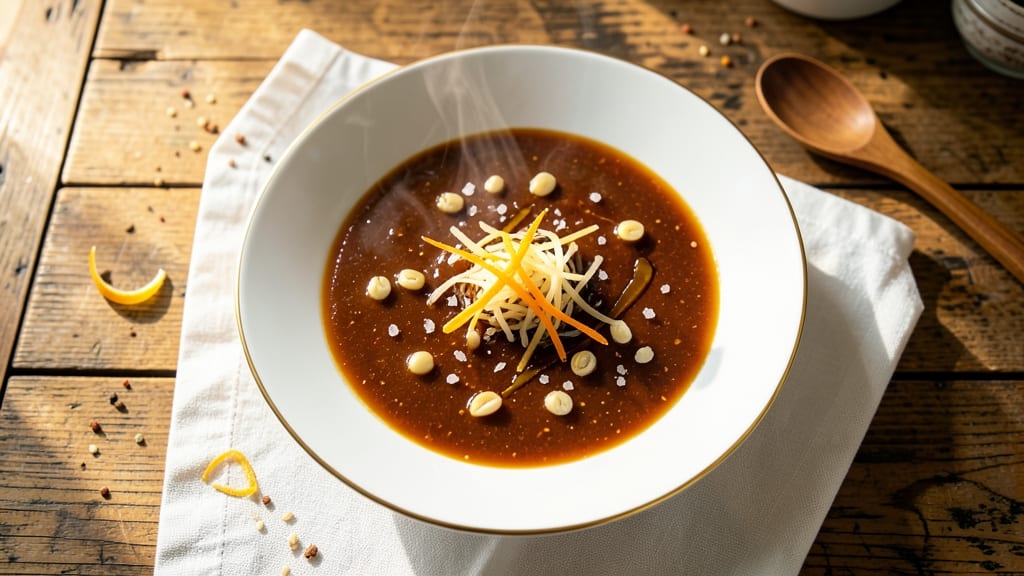
This Asian lo mein sauce recipe delivers the umami-packed, wok-friendly flavor you crave in just 15 minutes, transforming any stir-fry into a restaurant-quality dish. The secret lies in balancing soy sauce, oyster sauce, and sesame oil—a trio that creates depth without overpowering.
I developed this version after years of testing, ensuring it works for both traditional lo mein and modern noodle bowls.
The sauce builds flavor through simmering and reducing, allowing the aromatics to meld into a glossy, cohesive base. You’ll need just five core ingredients—plus a pinch of sugar to balance the saltiness—and the process is straightforward: combine, simmer, and taste as you go.
This isn’t just a sauce; it’s the backbone of your dish, elevating simple ingredients into something extraordinary.
What sets this apart is its versatility—use it for lo mein, dumplings, or even as a marinade for meats. The sauce clings to noodles and proteins, infusing every bite with savory, slightly sweet notes.
Once you taste the difference between store-bought and homemade, you’ll never go back. Ready to make restaurant-quality flavor at home?
The best part? This sauce stores beautifully in the fridge for up to a week, so you can batch-cook and use it all week.
Whether you’re prepping for a family dinner or a quick weeknight meal, this recipe ensures your lo mein—or any Asian-inspired dish—tastes like it came from a bustling wok kitchen. Let’s get started.
Ingredients for asian lo mein sauce
Five core ingredients plus a few pantry staples transform into restaurant-quality lo mein sauce.
| Ingredient | Amount | Notes |
|---|---|---|
| Light Soy Sauce 🍶 | ½ cup | High-quality brand preferred |
| Oyster Sauce 🦪 | ¼ cup | Kikkoman or Lee Kum Kee |
| Sesame Oil 🫒 | 2 tbsp | Toasted, not flavored |
| Granulated Sugar 🍚 | 1 tbsp | White or brown preferred |
| Garlic Cloves 🧄 | 3 cloves | Freshly minced for aroma |
| Ginger Root 🌿 | 1 tbsp | Freshly grated, organic |
| Cornstarch 🌾 | 1 tbsp | For thickening consistency |
| Water 💧 | ¼ cup | Filtered or spring water |
The soy sauce is the flavor foundation—Kikkoman delivers consistent quality, but any light soy will work. Oyster sauce adds depth; Lee Kum Kee is my go-to for that authentic umami punch. Sesame oil is non-negotiable—toasted, not flavored—for that nutty aroma. Fresh ginger and garlic? Organic from the produce section (the bright green stuff, not the dried powder). If your ginger looks shriveled, skip it—freshness matters here. Cornstarch is your secret weapon for that glossy finish, so don't skimp on the Arrowhead brand if you're picky about texture.
No oyster sauce? Mushroom sauce or extra soy sauce (reduce by half) works in a pinch. Sesame oil missing? Toasted sesame seeds ground with a pinch of oil mimics the flavor. Ginger powder is fine, but freshly grated is 10x better—just measure it packed. The cornstarch can be swapped for tapioca starch if you're gluten-free. For extra richness, add 1 tsp of fish sauce (if not vegetarian) or 1 tsp of soy sauce reduction—simmer 2 tbsp soy sauce until syrupy for depth.
This sauce keeps for 1 week refrigerated in an airtight jar, so make a double batch. The flavor actually improves after 24 hours as the aromatics meld. For longer storage, freeze in ice cube trays—perfect for single-use portions. Reheat gently on the stove or microwave until just warmed through. The cornstarch will thicken it up again, so add a splash of water if it gets too stiff.
Why You'll Love This Recipe
- Pantry Magic: I swear by this sauce because it uses stuff I already have—no special shopping trips. Light soy and oyster sauce do the heavy lifting, while a splash of sesame oil adds that signature aroma in seconds. Honestly, it’s the kind of recipe that makes me feel like a chef without the fuss.
- Umami Bomb: That garlic-sugar caramelization when you toast the cloves? Chef’s kiss. The oyster sauce deepens the flavor, and the sesame oil ties it all together with a nutty finish. It’s rich but balanced—never cloying, always satisfying.
- Weeknight Flex: This sauce works for stir-fries, noodles, or even as a marinade. I’ve used it on takeout leftovers, grilled chicken, and even drizzled it over rice bowls. Between us, it’s my go-to when I’m too tired to plan but still want flavor.
- Budget Win: A little goes a long way—this sauce stretches to feed four for under $3. The sugar cuts the saltiness, so you don’t need fancy ingredients to make it shine. Plus, it keeps in the fridge for a week, so I’m never scrambling for takeout.
Step-by-step instructions for Asian lo mein sauce
This umami-rich sauce comes together in minutes with simple techniques and bold flavors.
Prepare the Aromatics and Slurry
In a small bowl, finely mince the 3 cloves garlic cloves and grate the 1 tablespoon ginger root using a microplane or fine grater. The goal is to create a paste-like consistency—this ensures maximum flavor extraction when cooked. Set these aside temporarily.
In another small bowl, whisk together the 1 tablespoon cornstarch with the 0.25 cup water until completely dissolved. This creates your thickening slurry, which will give the sauce that signature glossy, velvety finish. The slurry should be smooth with no visible lumps—if you see any, whisk vigorously for another 10 seconds until fully incorporated.
Bloom the Sauces and Aromatics
Heat a small saucepan over medium-low heat and add the 2 tablespoons sesame oil. Once the oil is shimmering but not smoking, add the minced garlic and ginger. Cook for 1-2 minutes until the garlic becomes translucent and the ginger releases its aromatic oils—this should take just long enough for the raw garlic smell to dissipate completely.
Next, pour in the 0.5 cup light soy sauce and 0.25 cup oyster sauce, stirring constantly to combine. Let the mixture simmer gently for 2-3 minutes until it begins to reduce slightly and the flavors meld together. You'll notice the sauce darken slightly and develop a deeper, more complex aroma—this is the moment when all the umami magic starts happening.
Sweeten and Thicken the Sauce
Add the 1 tablespoon granulated sugar and stir until fully dissolved. The sugar will help balance the saltiness of the soy sauces and add a subtle caramel note when the sauce reduces. Let the mixture simmer for another 1-2 minutes until the sugar is completely incorporated and the sauce begins to thicken slightly.
Here's where the slurry comes into play: slowly pour in the cornstarch-water mixture while stirring constantly with a wooden spoon. The sauce will thicken dramatically within 30-60 seconds—keep stirring until it reaches a smooth, glossy consistency that coats the back of a spoon. If it thickens too quickly, add 1 tablespoon water to adjust the texture. The perfect sauce should be thick enough to coat noodles but still flow smoothly.
Finish and Test
Remove the sauce from heat and let it cool for 1-2 minutes. This brief resting period allows the flavors to fully meld and the sauce to reach its ideal consistency. Taste and adjust seasoning if needed—you might want to add a pinch more sugar to balance the saltiness or a splash more water if the sauce is too thick for your preference.
The sauce is now ready to use immediately or can be stored in an airtight container in the refrigerator for up to 5 days. When reheating, warm gently over low heat while stirring constantly to prevent the sauce from separating. This sauce is the perfect companion for stir-fried noodles, adding depth and complexity with every bite.
Pro Tips For Making Asian Lo Mein Sauce
- MINCE THAT GARLIC: I used to crush garlic cloves in the pan like I was trying to make garlic powder—big mistake. Instead, finely mince it (about 3-4 cloves) and let it bloom in the oil for 30 seconds before adding anything else. That’s when the real flavor wakes up.
- STIR LOW AND SLOW: This sauce isn’t a race. Simmer it on medium-low heat after adding the soy and oyster sauces, or you’ll end up with a bitter, overcooked mess. A gentle stir every 30 seconds keeps it smooth and balanced—no scorching, no desperation.
- SWAP SESAME OIL LAST: Adding sesame oil at the end is non-negotiable. Dump it in right before tossing with noodles or veggies, or it’ll cook off entirely, leaving you with a bland sauce. Trust me, that nutty aroma is the star—don’t let it vanish.
- SWEETEN IT GRADUALLY: Taste as you go, and adjust sugar in tiny increments (½ teaspoon at a time). Too much too soon, and you’ll regret it. The goal is a subtle sweetness that cuts the salt, not a dessert sauce—start conservative, then fine-tune.
Best sauces and condiments for this dish
Classic Soy-Based Sauce
The foundation of any great lo mein sauce is a balance of light soy sauce and oyster sauce. I recommend starting with ½ cup light soy sauce (like Kikkoman) for that salty, savory backbone, then adding ¼ cup oyster sauce (such as Lee Kum Kee) for depth.
The oyster sauce brings a rich, slightly sweet umami that elevates the dish. Simmer these together for 2-3 minutes to let the flavors meld—this step is non-negotiable for that restaurant-quality taste. 🍶
Sesame Oil Magic
Don’t skip the sesame oil—this is where the sauce gets its nutty, aromatic punch. Use 2 tablespoons of toasted sesame oil (not flavored) and heat it gently until shimmering before adding your garlic and ginger.
The oil should infuse the aromatics but not burn, which takes about 1-2 minutes on medium-low heat. This step is all about building layers of flavor—think of it as the sauce’s "secret weapon." 🫒
Sweet-Savory Balance
A pinch of granulated sugar (about 1 tablespoon) is key to balancing the saltiness of the soy sauces. The sugar caramelizes slightly during simmering, adding a subtle sweetness that rounds out the flavors. If your sauce tastes too sharp or one-dimensional, this is the fix.
For extra depth, a splash of fish sauce (if not vegetarian) or a soy sauce reduction (simmer 2 tablespoons of soy sauce until syrupy) can take it to the next level. 🍚
Thickening Like a Pro
The cornstarch slurry (1 tablespoon cornstarch + ¼ cup water) is your secret to a glossy, clingy sauce. Whisk it until smooth, then slowly pour it into the simmering sauce while stirring constantly. The sauce will thicken dramatically within 30-60 seconds—this is where attention to detail matters.
If it thickens too quickly, add 1 tablespoon water to adjust. The goal is a sauce that coats noodles beautifully without being gluey. ✨
Finishing Touches
After removing the sauce from heat, let it rest for 1-2 minutes to allow the flavors to fully meld. Taste and adjust—perhaps a pinch more sugar or a splash of water to hit the perfect consistency. This sauce is now ready to transform your lo mein into a wok-worthy masterpiece.
Store it in an airtight container in the fridge for up to 5 days, or freeze in ice cube trays for single-use portions. 💡
Nutrition facts
Frequently asked questions
Can I make this lo mein sauce without oyster sauce?
For a vegetarian version, replace the ¼ cup oyster sauce with ¼ cup mushroom sauce or reduce ½ cup soy sauce by half (simmer until syrupy). The sauce will still have depth, though oyster sauce adds that signature umami. For extra richness, add 1 teaspoon fish sauce (if not vegetarian) or a dash of soy sauce reduction.
How do I adjust the sauce for spicier lo mein?
Add ½ teaspoon red pepper flakes or 1 teaspoon sriracha to the simmering sauce before thickening. For heat control, start with less—you can always add more later. If using fresh chili, remove seeds and finely mince before adding to the sesame oil. Stir well and taste before serving to balance the spice level.
Why did my sauce turn out too thick/thin?
If too thick, thin with 1 tablespoon water while stirring over low heat. If too thin, whisk in ½ teaspoon cornstarch mixed with 1 teaspoon water to thicken. The sauce should coat the back of a spoon but still flow smoothly. For next time, simmer the slurry 10 seconds longer to ensure proper thickening.
Can I use this sauce for other dishes besides lo mein?
Yes! This versatile sauce works perfectly for dumplings, stir-fried veggies, or as a marinade for meats like chicken or tofu. For noodle bowls, use 2-3 tablespoons per serving. The balance of sweet, salty, and umami makes it ideal for any Asian-inspired dish where you want restaurant-quality flavor.
How do I store and reheat leftovers?
Store in an airtight container in the fridge for up to 5 days. Reheat gently over low heat while stirring constantly to prevent separation. If too thick after reheating, add 1 teaspoon water to restore consistency. For longer storage, freeze in ice cube trays—thaw overnight in the fridge before using.