
Sauces & Condiments
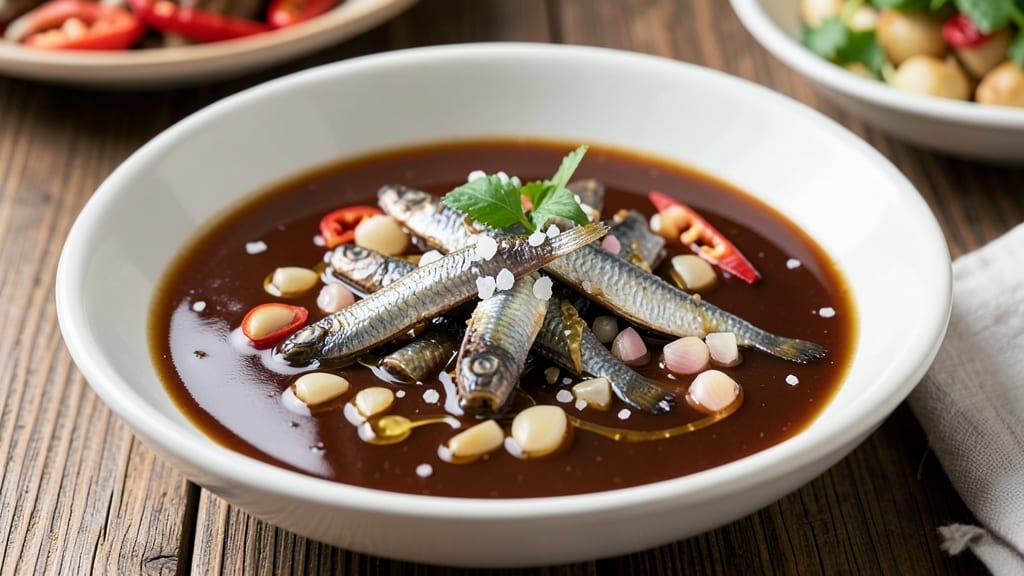
This anchovy fish sauce recipe transforms simple ingredients into a concentrated umami powerhouse that elevates any dish. 💛 The fermentation process develops complex, salty-sweet depth—think of it as the Southeast Asian equivalent of Worcestershire sauce, but with a bold, briny punch that clings to stir-fries, marinades, and even cocktails.
I first discovered this technique while adapting traditional nuoc mam methods, and the results are nothing short of transformative.
The magic lies in balancing salt, sugar, and acid during fermentation, which creates that signature funky yet addictive flavor. Unlike store-bought versions, this homemade sauce builds layers of garlic, shallot, and chili heat over time, making it infinitely more versatile.
Whether you're drizzling it over noodles or using it to punch up a vinaigrette, the umami impact is undeniable.
What you'll end up with is a deep, savory sauce that starts as a bright liquid and evolves into a thick, syrupy condiment over weeks.
The fermentation process is hands-off—just mix, cover, and let time work its magic—but the patience pays off with a sauce that's richer than anything you'll find in stores. Perfect for stir-fries, dipping sauces, or even as a secret ingredient in marinades.
Store it in the refrigerator for up to 6 months, and watch as the flavors deepen with each passing week. This isn't just a sauce; it's a flavor multiplier that turns simple dishes into something extraordinary. Let's get started on creating your own umami bomb.
Ingredients for anchovy fish sauce
Nine simple ingredients ferment into a bold umami sauce that transforms everyday dishes into extraordinary meals.
| Ingredient | Amount | Notes |
|---|---|---|
| Anchovy Fillets 🐟 | 1 cup | High-quality, packed in oil |
| Garlic Cloves 🧄 | 10 whole | Fresh, unpeeled, lightly crushed |
| Shallots 🧅 | ½ cup | Minced, fresh preferred |
| Red Chili Peppers 🌶️ | 2 whole | Bird's eye or Thai, seeded |
| Cane Sugar 🍯 | ¼ cup | Light brown preferred |
| Kosher Salt 🧂 | ½ cup | Diamond Crystal preferred |
| Water 💧 | 1 cup | Filtered or distilled |
| Extra-Virgin Olive Oil 🫒 | ¼ cup | For richness, fruity variety |
| Lemon Juice 🍋 | ¼ cup | Freshly squeezed |
Anchovies are the heart of this sauce, so quality matters. Grab Wild Planet or Three Bells brands—they're packed in oil, not saltwater, which gives you more control over the final flavor. Fresh garlic and shallots add depth, but if you're short on time, pre-minced jarred garlic works in a pinch. For the chili peppers, Thai bird's eye peppers give the best heat, but any fresh chili will do—just adjust the quantity based on your heat tolerance. The sugar and salt are non-negotiable; they balance the fermentation and create that signature funky-sweet profile. I always use Diamond Crystal kosher salt because it dissolves more easily than table salt, and light brown cane sugar adds subtle caramel notes.
No anchovies? High-quality fish sauce like Red Boat can substitute at half the amount, but you'll lose that fermented complexity. Short on shallots? Extra garlic and a pinch of asafoetida (hing) mimics the depth. The olive oil isn't just for flavor—it helps preserve the sauce and adds richness. If you're avoiding oil, unsalted butter at half the amount works too, though it'll change the texture slightly. The lemon juice is key for acidity; if you're out, rice vinegar or lime juice will do, but the flavor won't be identical. For a deeper umami punch, add 1 tbsp of soy sauce to the mix before fermenting—trust me, it elevates everything.
Fermenting is hands-off, but storage is where the magic happens. Keep your sauce in a clean, airtight glass jar in the fridge—it'll develop flavor over 4-6 weeks, with the best results at 3 months. The sauce thickens over time, so give it a stir before each use. If it gets too thick, add a splash of water or fish sauce to thin it out. Portion into smaller jars for easy use—this stuff disappears fast once you start drizzling it everywhere. Freeze extras in ice cube trays for single-use portions, though the texture changes slightly after thawing.
Why You'll Love This Recipe
- I’ll be real: this sauce comes together with things you already have. No fancy ingredients—just crushed anchovies, a quick minced shallot, and a splash of sugar to balance the heat. It’s the kind of recipe that makes me feel like I’m cooking with intention, even when I’m just throwing stuff together.
- Pantry Magic: I’ll be real: this sauce comes together with things you already have. No fancy ingredients—just crushed anchovies, a quick minced shallot, and a splash of sugar to balance the heat. It’s the kind of recipe that makes me feel like I’m cooking with intention, even when I’m just throwing stuff together.
- Umami Bomb: That first spoonful? Chef’s kiss. The anchovies dissolve into a deep, salty richness, while the garlic and chili peppers add layers of warmth. Honestly, it’s the kind of flavor that lingers—perfect for drizzling over noodles, eggs, or even a simple salad when I’m craving something bold.
- Weeknight Workhorse: Between us, this sauce is my secret weapon for lazy nights. Make a big batch on Sunday, and I’m set for the week—toss it with rice, stir it into soups, or use it as a marinade. It’s not the prettiest, but the taste makes up for it every time.
Step-by-step instructions for anchovy fish sauce
Here's how to craft this bold, aromatic sauce that transforms simple dishes into umami-rich masterpieces.
🍳 Step 1: Bloom the Anchovies and Aromatics
Heat the 0.25 cup extra-virgin olive oil in a heavy-bottomed saucepan over medium-low heat. Add the 1 cup anchovy fillets (drained if packed in oil) and let them dissolve completely for 3-4 minutes. You'll notice the oil turning cloudy and developing a deep, savory aroma—this is your flavor foundation.
Once the anchovies have fully melted, add the 10 whole garlic cloves (lightly crushed) and 0.5 cup minced shallots. Cook for 5-6 minutes until the garlic turns golden and fragrant, but never browns. This step develops the sauce's aromatic complexity—don't rush it. If the garlic starts to color too quickly, reduce the heat slightly.
🔥 Step 2: Build Depth with Chili and Sugar
Add the 2 whole seeded red chili peppers (cut into thin slices) and 0.25 cup cane sugar to the pan. Stir well to combine with the anchovy mixture. Let everything cook together for 3-4 minutes until the chili peppers soften slightly and the sugar begins to caramelize just at the edges—this creates a beautiful balance of heat and sweetness.
Here's the thing—this is where the magic happens. The sugar helps dissolve the anchovies completely while adding subtle depth. If you notice the mixture sticking to the pan, add 1-2 tablespoons of water to deglaze and keep everything moving. The sauce should be thick but pourable at this stage.
🥘 Step 3: Simmer and Reduce
Pour in the 1 cup water and 0.5 cup kosher salt, stirring vigorously to dissolve the salt completely. Bring the mixture to a gentle simmer over medium heat. Once simmering, reduce the heat to low and let it cook uncovered for 20-25 minutes, stirring occasionally.
You're looking for significant reduction here—the sauce should thicken dramatically until it coats the back of a spoon. The color will deepen to a rich amber, and the aroma will become intensely umami with hints of garlic and chili. If the sauce starts to stick, add another 1 tablespoon of water to keep it moving. This reduction process concentrates all those amazing flavors.
⏰ Step 4: Finish with Acid and Rest
Remove the pan from heat and stir in the 0.25 cup freshly squeezed lemon juice. The acidity brightens all the flavors and balances the richness. Taste the sauce and adjust seasoning if needed—you might want to add a pinch more salt or sugar depending on your preference.
Let the sauce cool to room temperature, then transfer it to a clean glass jar. This resting period allows all the flavors to meld completely. The sauce will continue to develop depth over the next 24 hours, so it's best to make it a day ahead if possible. Store in the refrigerator for up to 2 weeks—it'll only get better with time!
Pro Tips For Making Anchovy Fish Sauce
- Char the Garlic Slow: I used to rush this step and ended up with bitter, overcooked garlic—don’t. Once the shallots are soft and translucent, drop in the garlic and let it sizzle gently for 3-4 minutes. Watch it like a hawk; you want golden, not burnt. That’s when the flavor turns from sharp to sweet.
- Rinse Anchovies First: Those little fish fillets come packed in salt and preservatives, and skipping the rinse means a briny, chemical aftertaste. Give them a quick cold-water bath (10 seconds max), then pat very dry with a paper towel. Wet anchovies = watery sauce.
- Pulse Chili Peppers: Whole chili peppers add texture, but if you want smooth heat, pulse them in a food processor with the shallots before cooking. This also helps distribute the oil evenly—no floating pepper skins later. (Yes, even if you’re not a fan of blending.)
- Simmer, Don’t Boil: After adding the sugar and anchovies, keep the heat at a low simmer for at least 10 minutes. Boiling turns the sauce bitter and separates the oil. Stir occasionally, and if it looks too thick, add a splash of water—but don’t rush it. Patience here makes the difference.
Troubleshooting this dish
Fermentation Gone Wrong
If your sauce develops an unpleasant smell—think rotten eggs or ammonia—it’s likely contaminated. This usually happens when the fermentation environment isn’t clean or the ingredients weren’t fresh. Solution: Start over with sterilized glass jars and filtered water.
Always use high-quality anchovies (like Wild Planet) and keep your workspace spotless. If you’re in a warm climate, ferment for no longer than 4 weeks to avoid spoilage. 💡
Too Salty or Bitter
Over-salting or using old anchovies can make your sauce taste harsh. If it’s too salty, dilute with 1-2 tablespoons of water or fish sauce per ½ cup of sauce.
For bitterness (a sign of over-fermented garlic or chili), add ½ teaspoon of sugar and 1 teaspoon of lemon juice to balance. Taste as you go—adjust gradually. I’ve fixed this by adding a splash of rice vinegar to brighten the flavor. 🧂
Sauce Too Thin
If your anchovy fish sauce is watery after fermentation, it likely didn’t reduce enough during cooking. Fix it by simmering the sauce uncovered on low heat for 10-15 extra minutes, stirring often.
For a quicker fix, mix 1 tablespoon of cornstarch with 1 tablespoon of water, then stir into the sauce until it thickens. If you prefer a glossy finish, add 1 teaspoon of honey to help bind the flavors. 🥄
Mold or Discoloration
Surface mold (fuzzy white or black spots) means your sauce wasn’t stored properly. Discard it immediately—mold can release toxins. To prevent this, always use a clean, airtight glass jar and press a parchment paper directly on the sauce’s surface before sealing to block air.
If you see dark discoloration (not mold), it’s just oxidation—stir well before using, and the flavor will still be fine. ⚠️
Lacking Umami Depth
If your sauce tastes flat, it might not have fermented long enough or lacks depth. Boost umami by adding 1 tablespoon of soy sauce or ½ teaspoon of fish sauce per ½ cup of sauce.
For extra richness, stir in 1 teaspoon of miso paste or a pinch of MSG (if you’re okay with it). I’ve also found that toasting the garlic and shallots before adding them intensifies the flavor. 💛
Storing Issues
If your sauce separates or develops a layer of oil on top, it’s a sign of improper storage. Fix it by giving it a good stir before use—this usually blends everything back together.
For long-term storage, keep it in the fridge in a sealed glass jar (not plastic, which can absorb odors). If it gets too thick, thin with a splash of water or fish sauce. Pro tip: Freeze in ice cube trays for single-use portions—just thaw in the fridge overnight. ❄️
Nutrition facts
Frequently asked questions
Can I make this sauce without anchovies?
While anchovies are key for that signature umami depth, you can substitute with 1/2 cup high-quality fish sauce (like Red Boat) plus 1 extra tablespoon of soy sauce. The texture will be slightly different—more liquid than fermented—but it'll still pack serious flavor. For a vegetarian version, try 1 tablespoon of nutritional yeast plus 1 teaspoon of mushroom powder, though the results won't be identical.
How long does it need to ferment for best results?
The sauce starts developing flavor after 2 weeks, but it reaches peak depth at 4-6 weeks. For maximum umami complexity, ferment for 8 weeks if possible—this is when the garlic and chili flavors truly meld. Store it in the fridge during fermentation to slow the process. The longer it ferments, the richer the taste, but it's safe to use anytime after 2 weeks.
What's the best way to use this sauce in cooking?
Start with 1 teaspoon per dish and adjust to taste—it's potent! Drizzle over noodle bowls, stir-fries, or grilled meats for instant umami punch. Mix 1 tablespoon into marinades for meats or tofu, or stir into cocktail sauces (like ceviche or Bloody Marys) for a briny kick. Even 1/2 teaspoon in homemade mayo transforms it into a bold condiment.
Why does my sauce smell funky during fermentation?
A mild fermented smell (like sour garlic) is normal—it's part of the flavor development! If it smells like rotten eggs or ammonia, your sauce may be contaminated. This happens when ingredients weren't fresh or the jar wasn't properly sterilized. Start fresh with clean equipment and high-quality anchovies (like Wild Planet). Ferment at room temperature for no longer than 4 weeks in warm climates to prevent spoilage.
Can I make a smaller batch for testing?
Scale down all ingredients by half—use 1/2 cup anchovies, 5 garlic cloves, 1/4 cup shallots, etc. The fermentation process works the same, just in a smaller jar. This lets you test flavors before committing to the full recipe. Store the small batch in the fridge for up to 3 months—it'll keep developing flavor even in cold storage. Perfect for experimenting with different chili levels or sweetness!