
Sauces & Condiments
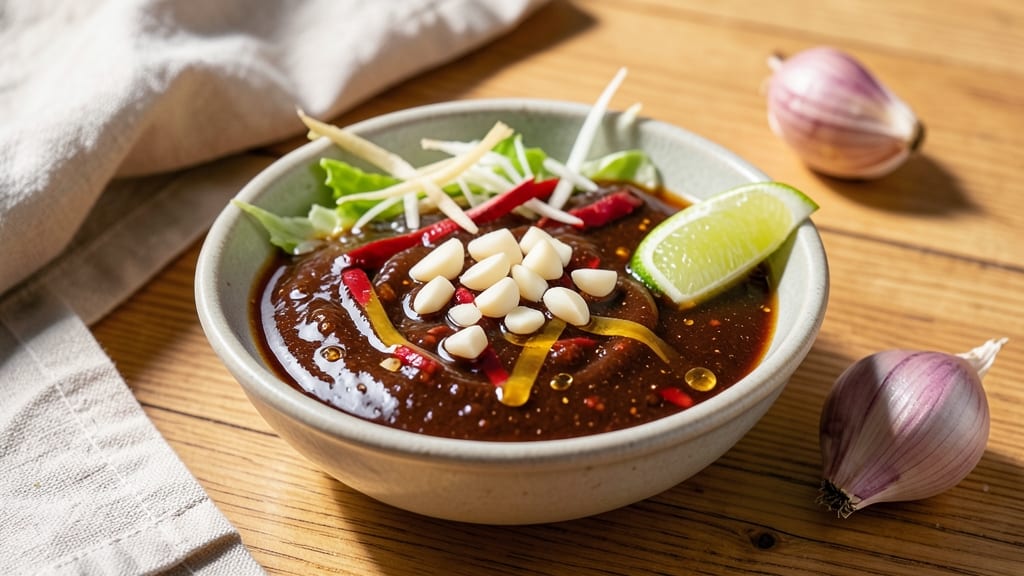
This Asian lettuce wrap dipping sauce transforms simple ingredients into a velvety, umami-rich condiment that elevates every bite. 💛 The perfect balance of sweet, spicy, and tangy flavors comes together in minutes, with just a few pantry staples—no fancy techniques required.
Whether you're serving spring rolls, fresh veggies, or lettuce wraps, this sauce adds depth that store-bought versions can't match.
The secret lies in the combination of soy sauce for umami, a touch of honey for sweetness, and fresh garlic and ginger for aromatic warmth. A splash of lime juice brightens the flavors, while chili paste or flakes add just the right amount of heat.
The sauce is smooth, clingy, and packed with layers of taste—ideal for dipping, drizzling, or even as a marinade for proteins.
What makes this recipe stand out is its versatility. Adjust the sweetness, spice, or tang to suit your taste, or add a splash of sesame oil for nutty richness. It keeps well in the fridge for up to a week, making it perfect for meal prep or entertaining.
Once you try this sauce, you’ll never go back to bottled versions.
Pair it with your favorite lettuce wraps, spring rolls, or even grilled meats for a restaurant-quality experience at home. The instructions are simple, but the results are anything but basic—this is the kind of sauce that turns ordinary meals into something special.
Ingredients for asian lettuce wrap dipping sauce
Pantry staples plus fresh aromatics make this sauce unforgettable—simple but bold.
| Ingredient | Amount | Notes |
|---|---|---|
| Soy Sauce 🥢 | ½ cup | Light or dark variety preferred |
| Honey 🍯 | ¼ cup | Pure, unprocessed honey |
| Lime Juice 🍋 | ¼ cup | Freshly squeezed, seeds removed |
| Red Chili Paste 🌶️ | 2 tbsp | Or 1 tsp chili flakes adjusted |
| Garlic Cloves 🧄 | 4 cloves | Freshly minced or grated |
| Fresh Ginger 🌿 | 1 ½ tbsp | Finely grated, peeled |
| Sesame Oil 🫒 | 1 tbsp | Toasted sesame oil preferred |
| Water 💧 | ¼ cup | Room temperature preferred |
| Fish Sauce 🥫 | 1 tbsp | Optional for extra umami |
| Sugar 🍚 | 1 tbsp | White or brown sugar |
The soy sauce is the umami backbone. Kikkoman or Pearl River Bridge are my go-tos—they've got that perfect balance of salt and depth. Fresh ginger and garlic? Buy them at the market if you can—they're brighter than the pre-grated stuff. The honey should be pure, none of that processed junk. If you can't find red chili paste, Trader Joe's has great chili flakes, or just use a dash of cayenne. Fish sauce is optional but adds that extra layer of complexity—Red Boat is the brand I always reach for when I want quality.
No fish sauce? Extra soy sauce or a splash of Worcestershire works in a pinch. Skip the honey? Maple syrup or agave gives a similar sweetness. The sauce needs to be smooth, so if you're using chili flakes instead of paste, strain it through a fine-mesh sieve after blending. Sesame oil can be swapped for peanut oil if you're avoiding sesame, but the nutty richness is worth it. And if you're not a fan of spice, cut the chili paste in half—this sauce is all about balance, so adjust to your taste.
This sauce keeps beautifully in the fridge for up to 1 week in an airtight container. For longer storage, freeze it in ice cube trays—just thaw and stir. I like to make a double batch because it disappears fast. The flavors actually deepen over time, so it's even better the next day. If it thickens too much, just add a splash of water or a little more lime juice to loosen it up.
Why You'll Love This Recipe
- Five-Ingredient Magic: This sauce is my go-to when I forget to meal prep—just toss soy sauce, honey, lime, chili paste, and minced garlic into a bowl. No blender, no fuss, and it’s ready while you wait for the rice to cook.
- Sweet-Heat Balance: Honestly, the honey and lime cut through the garlic’s bite while the chili paste adds this just-right kick—like a hug for your taste buds. It’s the kind of sauce that makes you lick the bowl, even if you’re pretending not to.
- Party in a Jar: I keep this in my fridge for game nights, potlucks, or when my kid’s soccer team shows up hungry. It works with spring rolls, grilled chicken, or just straight-up lettuce cups—no one will guess it’s this simple.
- Budget Stretch: A little goes a long way, and these pantry staples won’t break the bank. I’ve made a whole batch for under $3, and it lasts me two weeks because I can’t resist using it on everything. (Yes, even on Tuesday nights.)
Step-by-step instructions for Asian lettuce wrap dipping sauce
This sauce comes together in minutes but packs layers of flavor you'll want to keep on hand.
🍳 Step 1: Bloom the Aromatics in Sesame Oil
Heat a small saucepan over medium-low heat and add the 1 tablespoon sesame oil. Once the oil shimmers lightly, add the 4 cloves garlic cloves and 1.5 tablespoons fresh ginger. Cook for 1-2 minutes until the garlic turns golden and fragrant—don't let it brown or it'll turn bitter. Here's the thing: this step builds the sauce's aromatic foundation, so don't rush it.
I like to use a small saucepan so the aromatics cook quickly without burning. If you smell any burning, immediately reduce the heat to lowest setting or remove from heat. Once fragrant, remove the pan from heat and let the garlic-ginger mixture cool for 2 minutes—this prevents the sauce from curdling when you add the hot liquid ingredients later.
🥘 Step 2: Combine Wet Ingredients for Perfect Balance
In a medium bowl, whisk together the 0.5 cup soy sauce, 0.25 cup honey, 0.25 cup lime juice, 2 tablespoons red chili paste, and 1 tablespoon fish sauce (if using). Add the cooled garlic-ginger mixture and whisk until fully combined. This is where the magic happens—the sweet, salty, spicy, and tangy flavors start melding together.
Taste the mixture now—you'll notice it's vibrant and balanced, but it needs the final touch. If it's too thick, add 1-2 tablespoons of the 0.25 cup water to reach your desired consistency. The sauce should coat the back of a spoon but still be pourable. Real talk: this is where you can adjust the sweet-spicy balance to your taste by adding a pinch more sugar or a splash of lime juice.
🔥 Step 3: Simmer and Thicken the Sauce
Return the sauce mixture to the saucepan and place over medium heat. Bring to a gentle simmer and cook for 3-4 minutes, stirring occasionally, until it thickens slightly. You're looking for a glossy, syrupy consistency that will cling beautifully to lettuce wraps. Here's the crucial part: don't let it boil vigorously or the sauce will separate.
If the sauce starts to thicken too much during cooking, add the remaining 0.25 cup water 1 tablespoon at a time until you reach the perfect consistency. The final sauce should be thick enough to coat the back of a spoon but still flow smoothly. Once thickened, remove from heat and stir in the 1 tablespoon sugar to enhance the sweetness and balance the acidity.
⏰ Step 4: Cool and Adjust to Perfection
Let the sauce cool completely at room temperature for 10-15 minutes. This cooling period allows all the flavors to fully meld together. I know it's tempting to use it immediately, but patience here makes a world of difference. Taste the sauce again after cooling—you'll notice the flavors have deepened and become more harmonious.
At this stage, you can make final adjustments. Need more heat? Add a pinch of red chili paste. Want it sweeter? Stir in a bit more honey. The sauce should have a perfect balance of sweet, spicy, tangy, and umami flavors that complement lettuce wraps beautifully. Once satisfied, transfer the sauce to a clean jar or airtight container and refrigerate for up to 2 weeks—it only gets better with time as the flavors continue to develop.
Pro Tips For Making Asian Lettuce Wrap Dipping Sauce
- Mincer That Garlic: Use 4-5 cloves, but pulse them in the food processor—not chop—until they’re a sticky paste. That way, the sauce gets smooth texture without gritty bits, and the garlic flavor blends deeper. (Yes, even if you’re impatient like me, resist the urge to skip this.)
- Balance the Heat: Add the chili paste gradually, tasting as you go. Too much upfront makes the sauce taste like punishment. Start with 1 teaspoon, let it sit 5 minutes, then adjust—this lets the lime and honey mellow the burn.
- Warm the Honey: Drizzle the honey in slowly while the sauce simmers, stirring constantly. Cold honey sinks and clumps, turning your sauce into a sad, streaky mess. A quick 10-second microwave zap before adding keeps it silky.
- Lime First, Soy Second: Mix the lime juice and chili paste before adding the soy sauce. The acid cuts through the garlic’s bite and softens the chili’s intensity—so when you add the soy, it won’t taste like a salty afterthought. Trust me, the order matters.
Perfect pairings for these flavors
Lettuce Wrap Pairings
This dipping sauce transforms simple butter lettuce or romaine leaves into restaurant-quality wraps. I love pairing it with shredded rotisserie chicken, thinly sliced steak, or crispy tofu for a protein-packed bite.
For vegetarian options, try crispy bean sprouts, shredded carrots, or avocado slices—the sauce's tangy-sweet balance makes everything shine. 🥗
Spring Roll Complements
Use this sauce as a dipping sauce for fresh spring rolls or fried spring rolls—it cuts through the oil beautifully. I often make a double batch because it disappears fast when serving with shrimp spring rolls or veggie-filled wrappers.
For extra crunch, add crushed peanuts or sesame seeds to the sauce just before serving.
Fresh Veggie Dippers
Serve this sauce alongside crudités like bell pepper strips, cucumber slices, or sugar snap peas for a light, refreshing appetizer. The sauce's umami depth makes even the simplest veggies taste gourmet. I also love pairing it with edamame or seaweed snacks for a quick snack or party platter.
Protein Pairings
This sauce elevates grilled meats like pork tenderloin or beef skewers—just drizzle it over the top before serving. For seafood lovers, it’s perfect with grilled shrimp or calamari rings.
The sweet-spicy balance works surprisingly well with baked salmon too. Trust me, you’ll want to keep a jar in your fridge for these occasions. 🍽️
Drink Pairings
Pair this sauce with iced green tea or jasmine tea to complement its floral and umami notes. For a boozy twist, serve it with sake or a light lychee martini—the effervescence cleanses your palate between bites.
If you prefer beer, a crisp Asian lager like Sapporo or Hite works perfectly.
Global Adaptations
For a Thai-inspired twist, add 1 teaspoon fish sauce and 1 tablespoon coconut milk to the sauce. For a Korean-inspired version, swap the honey for 1 tablespoon gochujang (Korean chili paste) and add 1 teaspoon rice vinegar. Both variations keep the sauce’s signature balance while adding regional flair. 🌏
Nutrition facts
Frequently asked questions
Can I make this sauce without honey?
Swap the honey for 1/4 cup maple syrup or 3 tablespoons agave nectar to keep the sauce sweet and smooth. For a more savory version, reduce the honey to 2 tablespoons and add 1 teaspoon sugar instead. The sauce will still taste balanced, just with slightly different depth.
How spicy should the sauce be?
The recipe starts with 2 tablespoons red chili paste for a medium heat level—adjustable to your taste. For milder sauce, reduce to 1 tablespoon and add 1/2 teaspoon sugar to balance. If you love spice, increase to 3 tablespoons or add 1/2 teaspoon cayenne pepper at the end. Always taste as you go!
Can I use this sauce for other dishes besides lettuce wraps?
This versatile sauce works beautifully as a marinade for grilled chicken or tofu, a glaze for pork belly, or a drizzle over noodle bowls. It even elevates fried rice or ramen when stirred in at the end. The key is balancing its bold flavors with complementary ingredients.
Why did my sauce separate?
Sauce separation usually happens from overcooking or adding ingredients too hot. Always cool the garlic-ginger mixture before combining with wet ingredients, and simmer gently—never boil vigorously. If it separates, whisk in 1 tablespoon cold water and heat gently until smooth. For extra insurance, blend the sauce briefly after cooling.
How can I make this sauce nut-free?
Skip the sesame oil and replace it with 1 tablespoon neutral oil (like avocado or vegetable oil). For nutty flavor without sesame, add 1/2 teaspoon ground coriander or 1/4 teaspoon smoked paprika. The sauce will still be rich and flavorful—just check all ingredients for hidden nuts.