
Sauces & Condiments
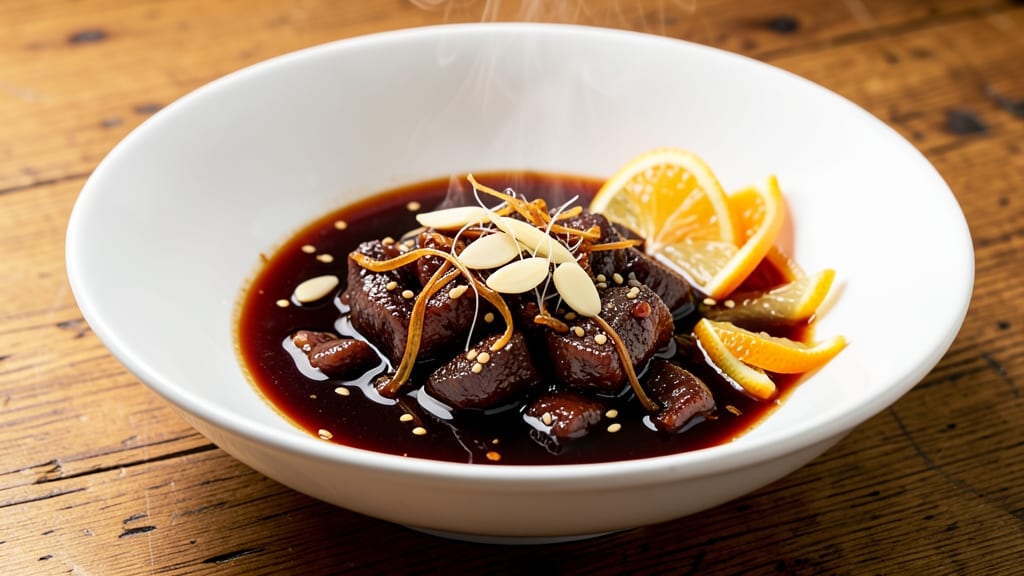
This Asian beef stir-fry sauce recipe transforms simple pantry staples into a deeply umami-rich base that elevates any stir-fry from ordinary to extraordinary. The secret lies in fermented soy sauce and oyster sauce, which build complex layers of savory depth when simmered with garlic, ginger, and a touch of sweetness.
I developed this sauce after years of testing—it’s the one that finally made my homemade stir-fries taste like they came from my favorite takeout spot.
What sets this sauce apart is its versatility—it works with both traditional beef stir-fries and modern fusion dishes, whether you're cooking with flank steak, flank steak strips, or even tofu.
The key steps involve reducing the sauce to a thick, glossy consistency, which clings perfectly to meat and vegetables. No expensive ingredients or complicated techniques—just a foolproof method that delivers professional-quality results every time.
By the end, you’ll have a glossy, aromatic sauce with a perfect balance of salty, sweet, and tangy flavors. It’s the kind of sauce that makes you want to stir-fry every night of the week. The best part?
It keeps well in the fridge for up to a week, so you can make a big batch and use it repeatedly. Let’s get started!
Ingredients for asian beef stir fry sauce
Nine simple ingredients create a sauce that tastes like restaurant takeout.
| Ingredient | Amount | Notes |
|---|---|---|
| Fermented Soy Sauce 🍶 | ½ cup | High-quality, preferably Japanese style |
| Oyster Sauce 🦪 | ⅓ cup | Thick, rich variety preferred |
| Garlic Cloves 🧄 | 6 cloves | Fresh, minced finely |
| Fresh Ginger 🌿 | 1 ½ tbsp | Grated, not powdered |
| Brown Sugar 🍯 | ¼ cup | Light or dark, packed |
| Rice Vinegar 🍶 | 2 tbsp | White or seasoned |
| Sesame Oil 🫒 | 1 tbsp | Toasted, for aroma |
| Cornstarch 🌾 | 1 tbsp | For thickening |
| Water 💧 | ½ cup | Room temperature |
| Salt 🧂 | ½ tsp | Kosher or sea salt |
The soy sauce and oyster sauce are non-negotiable—they’re the umami powerhouses. Kikkoman soy sauce or Lee Kum Kee oyster sauce are my go-tos, but any quality brand works. Fresh garlic and ginger make all the difference—no powdered shortcuts. I always buy ginger in small chunks at Trader Joe's because it keeps longer than the big knobs at the grocery store. The brown sugar adds depth, but if you’re watching sugar, coconut sugar works just as well—it’s less processed and has a caramel-like flavor.
No oyster sauce? Hoisin sauce at half the amount gets you close, though it’s sweeter. Rice vinegar can be swapped for apple cider vinegar, but it’ll taste slightly different. Sesame oil is optional but adds that signature aroma—use the toasted kind, not the flavored kind. The cornstarch is key for that glossy finish, but if you’re gluten-free, arrowroot powder works perfectly. Pro tip: Toast the cornstarch in a dry pan for 30 seconds before adding to the sauce—it deepens the flavor.
This sauce keeps beautifully in the fridge for up to 1 week in an airtight container. For longer storage, freeze it in ice cube trays—thaw and use as needed. I always make a double batch because it disappears fast. The sauce thickens as it cools, so if it’s too thick after chilling, just add a splash of water and reheat. Trust me, leftovers taste even better—the flavors meld overnight.
Why You'll Love This Recipe
- Five-Ingredient Magic: I swear, this sauce comes together with just a knife, a spoon, and three minutes of stirring. No blenders, no fancy techniques—just the deep umami punch of fermented soy and oyster sauce meeting that perfect ginger-garlic heat.
- Umami Bomb Combo: Honestly, the way brown sugar caramelizes with the garlic and ginger while simmering? It’s like a flavor explosion in a tiny bowl. That fermented soy sauce alone brings the savory depth, but the oyster sauce ties it all into something dangerously addictive.
- Weeknight to Party Fix: Between us, this sauce works for takeout nights and when I’m hosting. Drizzle it over rice bowls, toss with pre-cut veggies for a quick stir-fry, or even glaze grilled steak—it’s my secret weapon for making everything feel special without the fuss.
- Leftovers That Last: I make a double batch every time because it keeps for weeks in the fridge. The flavors actually improve as it sits—no weird texture changes, just richer taste. Perfect for when I’m too tired to cook but still want restaurant-quality flavor.
Step-by-step instructions for Asian beef stir fry sauce
This umami-rich sauce comes together in minutes with simple techniques that deliver restaurant-quality flavor.
Prepare the Aromatics and Base Ingredients
In a medium saucepan, combine the 0.5 cup fermented soy sauce, 0.33 cup oyster sauce, 0.25 cup brown sugar, and 2 tbsp rice vinegar. Stir over medium heat until the brown sugar dissolves completely—this should take about 3-4 minutes. You'll notice the mixture darken slightly as the sugar caramelizes, creating deeper flavor.
While the base heats, finely mince the 6 cloves garlic and grate the 1.5 tbsp fresh ginger using a microplane or fine grater. Fresh ginger is essential here—powdered won't give you that bright, zesty kick. Set these aside for the next step. The reason we dissolve the sugar first is to build a smooth foundation before adding the delicate aromatics.
Build Flavor with Aromatics and Oil
Add the minced garlic and grated ginger to the saucepan and stir continuously for 1-2 minutes until fragrant. You'll smell that irresistible garlic-ginger aroma—this is where the magic happens. Keep the heat at medium to prevent burning, but don't let it simmer too gently or the aromatics won't release their full flavor.
Next, reduce the heat to low and stir in the 1 tbsp sesame oil. The oil will gently infuse with the other flavors, adding nutty depth. Let the mixture simmer for another 2 minutes—this allows all the components to meld together. If you notice the sauce starts to thicken too quickly, add 1-2 tablespoons of water to keep it smooth.
Thicken the Sauce to Perfect Consistency
In a small bowl, whisk together the 1 tbsp cornstarch and 0.5 tsp salt with the 0.5 cup water until completely dissolved. This slurry is what will give your sauce that perfect, glossy thickness. Slowly pour the slurry into the saucepan while stirring constantly with a wooden spoon.
Increase the heat to medium-low and let the sauce simmer for 3-5 minutes until it thickens to a coatable consistency. You're looking for a sauce that's thick enough to cling to beef but still flows smoothly—it should coat the back of a spoon without being gluey. Taste and adjust seasoning if needed; you might want to add a touch more fermented soy sauce for deeper umami or rice vinegar for brightness.
Finish and Prepare for Cooking
Once the sauce reaches your desired consistency, remove it from heat and let it cool for 5 minutes. This resting period allows the flavors to fully develop and the sauce to thicken slightly more as it cools. The sauce should be glossy and ready to toss with beef—it should coat the back of a spoon but still be pourable.
Here's the thing—this sauce is incredibly versatile. Use it immediately for stir-fry or store it in an airtight container in the refrigerator for up to 5 days. When ready to use, simply reheat it gently over low heat, stirring occasionally, until warmed through. The sauce will thicken slightly more as it reheats, so you may need to add a splash of water if it becomes too stiff.
Pro Tips For Making Asian Beef Stir Fry Sauce
- Bloom the Ginger First: Toss the ginger slices into the pan before the garlic—it’ll soften faster and release its warmth without burning. I used to add them together, and the garlic would turn bitter while the ginger stayed tough. Two minutes of extra sizzle saves you from scraping burnt bits later.
- Simmer the Sauce Low: Once you’ve combined the soy, oyster, and sugar, reduce the heat to medium-low and let it bubble gently for 3–4 minutes. Skipping this step leaves the sauce thin and watery—like someone rushed the whole thing. The sugar needs time to caramelize just enough to round out the saltiness.
- Toast the Garlic Hard: Smash the garlic cloves flat with the side of your knife before adding them—this exposes more surface area to brown properly. I learned this after making sauce that tasted like raw garlic punch. Listen for that crackling sound; when it fades, it’s done.
- Use Dark Soy for Depth: Swap half the fermented soy for dark soy sauce if you’re feeling fancy—it adds a molasses-like richness that cuts through the oyster sauce’s heaviness. No dark soy? A teaspoon of molasses in the final minute works in a pinch, but it’s not the same. Worth it if you’re serving company.
Make-ahead tips for asian beef stir fry sauce
Batch Prep Strategy
Make a double batch of this sauce—it disappears fast! The recipe scales perfectly: double all ingredients and use a larger saucepan (I prefer 3-quart) for even heating. Store in glass jars with tight lids; they preserve flavor longer than plastic.
Label with the date—it keeps 1 week refrigerated or 3 months frozen in ice cube trays. 💡
Freezer-Friendly Tips
Freeze sauce in 1-tablespoon portions (ice cube trays work best) for easy single-use additions. Once frozen, transfer cubes to a ziplock bag and flatten to save space.
Thaw overnight in the fridge—no microwave needed! For stir-fry, toss 2-3 cubes directly into the pan while cooking. The sauce will melt instantly and coat perfectly. ❄️
Reheating Perfection
Always reheat sauce gently over low heat to avoid thickening. Add 1 tablespoon water per ½ cup sauce if it becomes too stiff. For microwave reheating, use 30-second intervals on 50% power, stirring between each.
The sauce should be warm but not boiling—just enough to cling to beef. 🔥
Sauce Storage Hacks
Keep a small jar in your fridge for quick stir-fry nights. Store the rest in the freezer for up to 3 months. When ready to use, thaw in the fridge overnight—this preserves texture better than microwave defrosting.
Pro tip: Add a fresh splash of sesame oil when reheating to restore aroma. 🌿
Flavor Boost After Storage
If your sauce tastes flat after refrigeration, revive it with ½ teaspoon fish sauce or a pinch of white pepper. For extra brightness, add 1 teaspoon rice vinegar before reheating. The sauce’s depth improves with age—leftovers taste even better as flavors meld overnight. 💫
Sauce for Meal Prep
Use this sauce to marinate beef overnight—toss 1 lb flank steak with ½ cup sauce for 4-6 hours before cooking. The marinade infuses flavor while tenderizing the meat.
For meal prep, cook beef ahead and store separately; toss with sauce and veggies just before serving. This cuts cooking time in half! ⏰
Nutrition facts
Frequently asked questions
Can I make this sauce without oyster sauce?
For a similar umami depth, substitute ½ cup hoisin sauce or ¼ cup fish sauce plus 1 tbsp soy sauce. The hoisin will add sweetness, while fish sauce provides that savory punch. If using fish sauce, reduce the soy sauce slightly (¼ cup total) to balance saltiness.
How much sauce should I use for 1 lb of beef?
Start with ¼ to ⅓ cup of this sauce for 1 lb of beef, depending on your preference. For extra glossy coating, use the full ⅓ cup and add 1 tbsp water to the pan during stir-fry. The sauce thickens as it cools, so don't worry about overdoing it—it's hard to ruin!
Can I use this sauce for other proteins besides beef?
This versatile sauce works beautifully with chicken, tofu, or even shrimp! For chicken, reduce the sauce by 20% since it absorbs less. For tofu, add 1 extra tbsp cornstarch slurry to prevent it from becoming watery. The flavor profile shines with any protein that benefits from umami depth.
Why did my sauce turn out too thick?
This happens when the cornstarch over-thickens or the sauce sits too long. To fix it, whisk in 1-2 tbsp warm water while reheating over low heat. If it's still too thick, add another splash. For prevention, store the sauce in glass jars and stir well before using—it naturally thickens when chilled. Always reheat gently to avoid further thickening.
What vegetables pair best with this sauce?
This sauce complements bell peppers, broccoli, snap peas, and bok choy perfectly. For extra crunch, add water chestnuts or carrots at the end of cooking. Avoid overly watery veggies like zucchini or mushrooms—they can dilute the sauce's richness. The key is to stir-fry veggies until just tender (2-3 minutes) before adding the beef.