
Sauces & Condiments
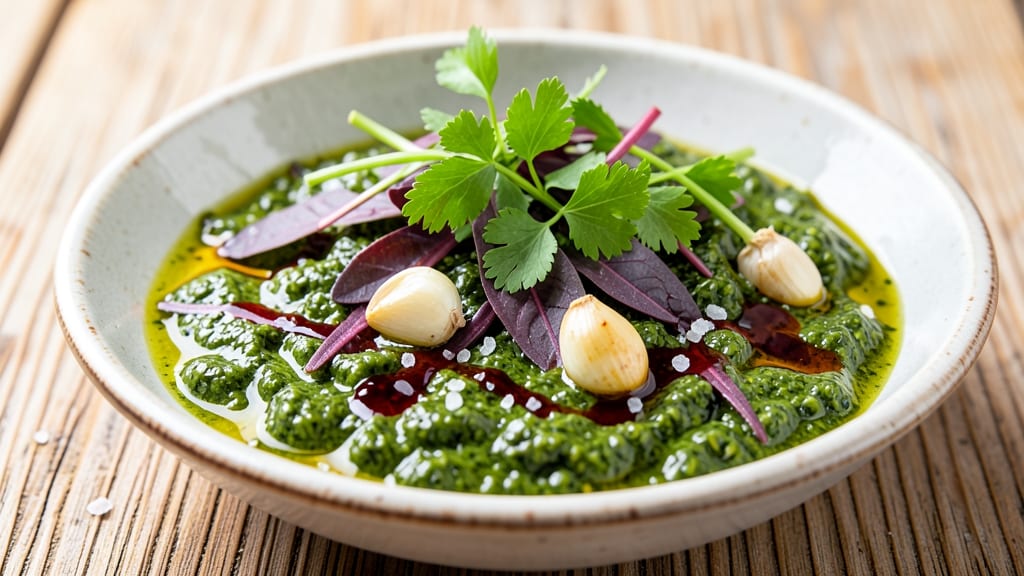
This arugula chimichurri sauce recipe transforms traditional chimichurri into a vibrant, peppery-green sauce that elevates grilled meats, sandwiches, and salads with its bright, herby zing. 💚 The secret lies in blending fresh arugula into the classic parsley base, adding a peppery depth that cuts through rich flavors while keeping the sauce light and fresh.
The sauce balances tangy red wine vinegar with aromatic garlic and olive oil, creating a harmonious blend that clings beautifully to proteins. Unlike traditional chimichurri, this version stays fresh longer thanks to the arugula's natural preservation properties, making it perfect for meal prep or last-minute dinners.
What you’ll get is a bold, herbaceous sauce with a perfect balance of acidity and richness—ideal for drizzling over grilled steaks, chicken, or even fresh mozzarella and tomatoes. The arugula adds a subtle bitterness that enhances the overall flavor profile without overpowering the dish.
Store it in the fridge for up to 5 days, or freeze for longer shelf life. This sauce is a game-changer for anyone looking to add a fresh, vibrant touch to their meals without sacrificing depth or complexity.
Ingredients for arugula chimichurri sauce
Nine fresh ingredients blend into this vibrant, herbaceous sauce that transforms grilled dishes with peppery depth.
| Ingredient | Amount | Notes |
|---|---|---|
| Fresh Arugula Leaves 🌿 | 1 ½ cups | Packed, stems removed for vibrant flavor |
| Fresh Flat-Leaf Parsley 🌿 | 1 cup | Stems removed, loosely packed |
| Garlic Cloves 🧄 | 6 cloves | Peeled, roughly chopped for aromatic depth |
| Red Wine Vinegar 🍷 | ½ cup | High-quality for balanced acidity |
| Extra-Virgin Olive Oil 🫒 | ¾ cup | Fruity, peppery variety preferred |
| Kosher Salt 🧂 | 1 ½ tsp | Diamond Crystal preferred for fine texture |
| Fresh Red Chili Peppers 🌶️ | 2 whole | Seeds removed, finely chopped for heat |
| Ground Black Pepper 🌶️ | ½ tsp | Freshly cracked for robust flavor |
| Lemon Juice 🍋 | 1 tbsp | Freshly squeezed for brightness |
The arugula and parsley form the sauce's vibrant green heart—farmers market greens deliver the freshest flavor, but store-bought works if leaves are crisp and unbruised. Garlic should be freshly peeled, not pre-minced, for maximum aroma. Red wine vinegar is non-negotiable here; Bartles & Jaymes or Bragg are reliable brands. For chili peppers, fresno peppers, but jalapeños add more heat if preferred. The olive oil must be extra-virgin—avoid light or refined varieties that lack flavor complexity.
No fresh arugula? Baby spinach or watercress work in a pinch, though flavor will differ slightly. Substitute parsley with cilantro at half the amount, but expect a different herbal profile. Pre-minced garlic? Freshly chop your own—it makes a noticeable difference. For vinegar substitutes, white wine vinegar or apple cider vinegar can work, though red wine vinegar's depth is ideal. If you lack chili peppers, red pepper flakes at half the amount provide heat without moisture. The lemon juice can be omitted entirely if you prefer a less tangy sauce, but it balances the richness beautifully.
This sauce thrives in the fridge for 5-7 days when stored in an airtight container with a thin layer of olive oil poured over the top to preserve freshness. For longer storage, portion into ice cube trays and freeze for up to 3 months. The sauce's natural acidity acts as a preservative, but always check for freshness before use. When ready to serve, give it a quick whisk or shake to re-emulsify. Pairs perfectly with grilled proteins, roasted vegetables, or even as a vibrant pasta drizzle.
Why You'll Love This Recipe
- No Pulse Needed: I just toss everything—arugula, parsley, garlic, vinegar, and olive oil—into a food processor and pulse once. That’s it. No chopping, no straining, no fuss. The blades do all the work while I sip my coffee and pretend I’m a fancy chef.
- Herb Bomb Flavor: That peppery arugula and bright parsley? They turn this into a sauce that’s actually exciting. The garlic hits just right—not overpowering, but enough to make your taste buds wake up. Drizzle it on grilled chicken, and suddenly, dinner feels like a restaurant meal.
- Instant Upgrade: Stuck with boring proteins? This sauce turns them into something special. Slather it on steak, toss it with roasted veggies, or even dollop it on toast with scrambled eggs. It’s my secret weapon for making weeknight dinners feel intentional—no extra effort, just better flavor.
- Lasts All Week: Between us, I make a big batch on Sunday and keep it in the fridge. The flavors only get better as it sits—more mellow, still packed with punch. Plus, it’s cheap: arugula and parsley are often cheaper than store-bought sauces, and you’ll use it up before it goes bad. Win-win.
Step-by-step instructions for arugula chimichurri sauce
Here's how to craft this vibrant, herb-forward sauce that elevates grilled meats and roasted vegetables.
👨🍳 Step 1: Prep the Herbs and Aromatics
Start by thoroughly washing all the 1.5 cups fresh arugula leaves and 1 cup fresh flat-leaf parsley. Remove any thick stems from both herbs—this ensures a smoother texture in your sauce. I like to pat them dry with paper towels to remove excess moisture, which prevents a watery chimichurri.
Next, peel the 6 cloves garlic and roughly chop them—no need for precision here, just break them into even pieces. Remove seeds from the 2 whole fresh red chili peppers and finely chop them. The seeds add heat, so adjust based on your preference. Place all chopped ingredients in a food processor or high-powered blender. This prep work is crucial for even distribution of flavors in the final sauce.
🍳 Step 2: Pulse the Herbs and Aromatics
With the food processor running, gradually add the 0.5 cup red wine vinegar and 1 tbsp lemon juice. Pulse the mixture until it reaches a coarse, chunky texture—think of it like a thick pesto rather than a smooth sauce. You want visible herb flecks that add texture and vibrant color. Avoid over-processing, or you'll end up with a paste instead of the signature chimichurri texture.
I like to stop occasionally and scrape down the sides with a spatula to ensure everything gets evenly incorporated. The acidity from the vinegar and lemon will start to brighten the flavors immediately. This is where the sauce begins to take shape—don't rush this step, as proper blending ensures balanced flavor in every bite.
🥘 Step 3: Stream in the Olive Oil
With the processor running on low speed, very slowly drizzle in the 0.75 cup extra-virgin olive oil. This gradual addition prevents the sauce from becoming too thick or oily. I use a steady, controlled stream from a measuring cup to maintain consistency. The oil should emulsify with the herb mixture, creating a glossy, vibrant sauce.
As you add the oil, the sauce will transform from a dry herb blend into a luscious, herby condiment. If it starts to look too thick, add a splash of red wine vinegar or lemon juice to loosen it up. The ideal consistency should be thick enough to coat the back of a spoon but still flow freely when drizzled.
🔪 Step 4: Season and Rest the Sauce
Transfer the chimichurri to a bowl and stir in the 1.5 tsp kosher salt and 0.5 tsp ground black pepper. Taste and adjust the seasoning—you might need a bit more salt to balance the acidity, especially if you're using high-quality vinegar. The sauce should be bright, herby, and slightly spicy with a tangy kick.
Let the chimichurri rest for at least 15 minutes at room temperature before using. This resting period allows the flavors to meld and the oil to fully emulsify with the herbs. I often make this sauce a day ahead—it actually improves with time as the flavors deepen. Store it in an airtight container in the refrigerator for up to 5 days, giving it a quick stir before each use to maintain its vibrant texture.
Pro Tips For Making Arugula Chimichurri Sauce
- STORE GARLIC IN OIL: I learned this the hard way—raw garlic cloves in chimichurri turn bitter and pungent after sitting too long. Peel and submerge them in a small jar of olive oil (the same kind you’ll use in the sauce) for 10 minutes before chopping. The oil mellows the garlic’s harshness and keeps it fresh-tasting longer.
- CHOP HERBS IN BATCHES: Don’t dump everything into the bowl at once. Pulse the parsley and arugula in a food processor first, then add the garlic and vinegar in stages. This way, you control the texture—no pulpy mess, just fine, even bits that cling to meat or pasta without overwhelming it.
- SALT THE VINEGAR: Chimichurri needs acid, but plain red wine vinegar can taste sharp. Mix the vinegar with ½ teaspoon of salt (yes, even before adding other ingredients) and let it sit for 5 minutes. This balances the tang and lets the herbs shine—trust me, your taste buds will notice.
- USE COLD OIL: Warm oil dulls the bright flavors of arugula and parsley. Keep your extra-virgin olive oil chilled until the very end, then drizzle it in slowly while stirring. The cold oil preserves the herbs’ peppery bite and makes the sauce taste fresher, not cooked. (I know, it feels counterintuitive—but it works.)
Best sauces and condiments for arugula chimichurri sauce
Grilled Meat Pairings
This vibrant arugula chimichurri shines brightest on grilled meats, where its peppery depth cuts through rich flavors. Drizzle it generously over ribeye steaks or skirt steak while still sizzling—it clings beautifully to the charred surface.
I love using it on grilled chicken thighs too, especially when paired with roasted corn and avocado. For seafood lovers, try it with grilled salmon or shrimp skewers—the acidity balances the fish's natural oils. 🔥
Sandwich and Wrap Uses
Transform your sandwiches with this sauce! Spread a thin layer on ciabatta rolls with prosciutto-wrapped melon or grilled chicken for a restaurant-worthy lunch. I also love it on burgers—replace ketchup with a spoonful of chimichurri for a fresh, herby twist.
For wraps, mix it with hummus or Greek yogurt as a creamy base before adding fillings like grilled lamb or roasted red peppers.
Salad and Pasta Toppers
Elevate simple salads by tossing this sauce with baby spinach, cherry tomatoes, and shaved fennel. The arugula in the chimichurri adds an extra layer of peppery bite. For pasta, drizzle it over linguine with garlic and chili flakes or fettuccine with grilled shrimp.
I also use it as a dressing for couscous salads—just whisk it with a little extra olive oil before tossing. The sauce's acidity brightens grains beautifully.
Cheese and Charcuterie Pairings
This chimichurri is surprisingly versatile with cheese boards! Pair it with creamy burrata, aged pecorino, or smoked gouda for a fresh contrast. I like to serve it alongside prosciutto di Parma and fig jam—the sweetness of the jam balances the sauce's acidity perfectly.
For a vegetarian option, spread it on grilled halloumi or marinated tofu before serving. The arugula's peppery notes complement creamy cheeses wonderfully.
Vegetable and Grain Bowls
Add this sauce to roasted vegetable bowls for instant flavor. Drizzle it over charred eggplant, zucchini, and roasted sweet potatoes with a sprinkle of feta cheese. It also works beautifully in grain bowls—try it with quinoa, farro, and grilled asparagus.
For a heartier option, mix it into mashed potatoes or smashed cauliflower for a herby, tangy twist. The sauce's acidity cuts through the richness of roasted veggies.
Storage and Flavor Boosts
Store leftover sauce in an airtight container in the fridge for up to 5 days, or freeze in ice cube trays for up to 3 months. Before serving, give it a quick whisk with a splash of lemon juice or olive oil to revive its texture.
For extra brightness, add 1 tsp honey or 1 tbsp capers to the sauce—both enhance its complexity. The arugula keeps the sauce fresher longer than traditional chimichurri, making it perfect for meal prep. ✨
Nutrition facts
Frequently asked questions
Can I make this sauce without a food processor?
While a food processor creates the best texture, you can make it by hand. Finely chop the 1.5 cups arugula, 1 cup parsley, 6 garlic cloves, and 2 chili peppers in a mortar and pestle or with a sharp knife. Then mix with the 0.5 cup vinegar and 1 tbsp lemon juice in a bowl, then slowly drizzle in the 0.75 cup olive oil while stirring vigorously. The texture will be slightly chunkier but still delicious.
How do I adjust the spice level?
The recipe uses 2 whole red chili peppers for mild heat. For more spice, add 1 extra chili pepper or 1 tsp red pepper flakes. For a milder version, remove the seeds and membranes from the peppers or reduce them to just 1 whole pepper. Always taste before serving—chimichurri's acidity can make heat feel more intense!
Can I use dried herbs instead of fresh?
Fresh herbs are ideal for this sauce, but you can substitute with dried herbs if needed. Use 1 tbsp dried parsley (instead of 1 cup fresh) and 1 tbsp dried oregano (for arugula's peppery note). Keep the arugula fresh—dried alternatives won't capture its unique flavor. The sauce will be less vibrant but still flavorful. Always rehydrate dried herbs in warm water for 5 minutes before using.
Why does my chimichurri separate?
Separation happens when the oil and vinegar don't properly emulsify. To fix it, whisk vigorously or blend briefly with a splash of lemon juice or red wine vinegar. For prevention, always add the oil slowly while processing, and let the sauce rest for 15 minutes before using. If storing, keep it in an airtight container—separation is normal and easily fixable!
What's the best way to use leftover sauce?
Leftover sauce keeps well for 5 days in the fridge. Use it as a marinade for grilled chicken or steak (1-2 hours max), a pasta sauce base, or a vibrant salad dressing. For extra flavor, stir in 1 tbsp capers or 1 tsp honey before serving. Freeze portions in ice cube trays for up to 3 months—just thaw and whisk before using.