
Sauces & Condiments
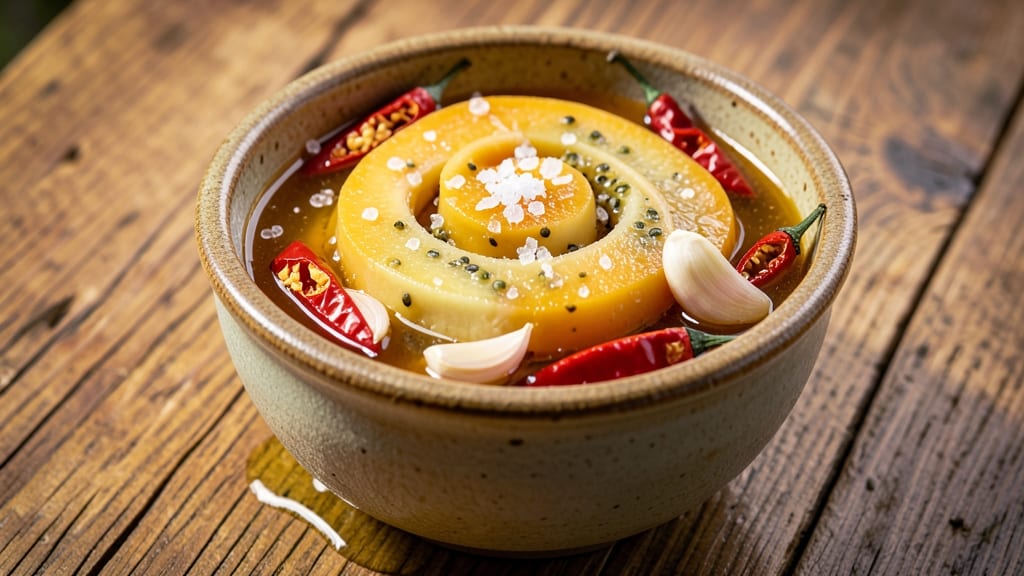
This Aruba papaya hot sauce brings the island's tropical heat to your table with a perfect balance of sweet, tangy, and fiery flavors. 🌶️ The secret lies in blending ripe papaya with fresh chili peppers and a touch of vinegar, creating a sauce that’s both vibrant and complex.
I developed this recipe after tasting authentic Aruban flavors and wanted to recreate that signature zing at home.
The process is straightforward but essential for achieving that authentic taste. You’ll start by blending fresh papaya with peppers, garlic, and spices, then simmering the mixture to deepen the flavors. Straining ensures a smooth, consistent texture perfect for drizzling over tacos, grilled meats, or even seafood.
The result is a sauce that’s bright, slightly sweet, and packed with heat—just like the Caribbean sun.
What makes this sauce special is its versatility. Use it as a dip for chips, a marinade for grilled chicken, or a finishing touch for seafood dishes. The tropical notes of papaya shine through while the chili peppers deliver a gradual, warming heat.
It stores well in the fridge for up to a month, so you can enjoy this flavorful creation whenever you crave a taste of Aruba.
This recipe is perfect for those who love bold, fruity hot sauces with a tropical twist. The combination of papaya’s natural sweetness and the sharp kick of chili peppers creates a sauce that’s both refreshing and fiery. Let’s get started on making your own batch of this island-inspired condiment!
Ingredients for aruba papaya hot sauce
Bright, tropical, and packed with heat—these 8 ingredients transform into Aruba’s signature zing.
| Ingredient | Amount | Notes |
|---|---|---|
| Ripe Papaya 🍈 | 2 cups | Diced flesh, no seeds |
| Fresh Red Chili Peppers 🌶️ | 4 whole | Scotch bonnet or habanero |
| Garlic Cloves 🧄 | 4 cloves | Peeled, roughly chopped |
| White Vinegar 🍶 | ½ cup | White or apple cider |
| Granulated Sugar 🍚 | ¼ cup | Adjust for sweetness |
| Salt 🧂 | 1 tsp | Kosher or sea salt |
| Ground Cumin 🌿 | ½ tsp | Toasted for depth |
| Extra-Virgin Olive Oil 🫒 | ¼ cup | For richness |
Papaya is the heart of this sauce, so pick perfectly ripe fruit—it should yield to gentle pressure but not be mushy. Caribbean markets often carry the best, but any grocery store with a produce section will have ripe papaya. For the chili peppers, Scotch bonnets or habaneros deliver that signature island heat—if you can’t find them, jalapeños with seeds work in a pinch. The garlic should be fresh, not dried, for that bright, aromatic punch. Toast the cumin seeds in a dry pan for 30 seconds before grinding—trust me on this, it makes all the difference.
No Scotch bonnet? Double the jalapeños and add a pinch of cayenne for extra heat. Running low on vinegar? Lime juice works too, but the tang won’t be quite the same. The sugar balances the heat, so adjust to taste—if you like it sweeter, add more; if you prefer it fiery, reduce. For a smoother sauce, strain through a fine-mesh sieve. If you’re feeling adventurous, blend in a tablespoon of lime zest for extra zing. And if you’ve got any fresh cilantro lying around, toss in a handful for brightness.
This sauce keeps like a dream—up to 1 month in the fridge, sealed tightly in a jar. The flavors actually deepen over time, so it’s worth making a big batch. If you’re gifting it, sterilize the jars first and add a sprig of fresh cilantro as a garnish. For leftovers, store in small containers so you can grab just what you need. Freezing isn’t recommended, as the texture changes, but a quick reheat on the stove brings it back to life if you’ve got any lingering sauce after a month.
Why You'll Love This Recipe
- No Blender Needed: I swear by this—just a knife, a bowl, and 10 minutes of chopping. That ripe papaya’s soft flesh blends right into the peppers and vinegar without a fight, and the garlic? It mashes in like butter. Honestly, my blender’s been gathering dust since I discovered this trick.
- Sweet Heat Balance: The sugar isn’t just there to trick you—it actually works with the chili’s bite. That papaya’s natural sweetness cuts through the garlic and vinegar, leaving a finish that’s addictive but not overwhelming. (Yes, even on a Tuesday night.)
- Gifts Like Gold: I’ve given jars of this to neighbors, coworkers, and my sister-in-law who “doesn’t like spicy food.” She’s now my biggest fan. The vinegar keeps it shelf-stable for weeks, and the cost? A fraction of store-bought sauces with half the ingredients.
- One Jar, Endless Uses: Drizzle it on grilled shrimp, toss it into rice bowls, or let your kids (carefully) dip chips. I’ve even used it to glaze roasted sweet potatoes—trust me, the caramelized edges? Chef’s kiss. And if you make a big batch? You’ll be the hero of every meal prep.
Step-by-step instructions for Aruba papaya hot sauce
This vibrant sauce balances tropical sweetness with fiery heat—let's make it together.
🍳 Step 1: Toast the Chili Peppers and Spices
Heat a dry skillet over medium heat and add the 4 whole fresh red chili peppers (Scotch bonnet or habanero) and 4 cloves garlic cloves (peeled). Toast for 3-4 minutes, turning occasionally, until the peppers darken slightly and smell fragrant. This step deepens their flavor and removes some of the raw bite.
Remove the peppers and garlic from the pan and set aside. Immediately add the 0.5 tsp ground cumin to the same pan and toast for 30 seconds until aromatic. This quick toasting enhances the cumin's earthy notes without burning it. Watch the pan closely—cumin burns fast!
🍳 Step 2: Blend the Base Ingredients
Transfer the toasted peppers, garlic, and cumin to a blender along with the 2 cups diced ripe papaya. Add the 0.25 cup granulated sugar, 1 tsp salt, and 0.25 cup extra-virgin olive oil. Blend on high until completely smooth, scraping down the sides as needed. The mixture should be vibrant orange with no visible chunks.
Here's the thing—papaya adds natural sweetness and body, while the olive oil creates that luxurious, velvety texture. If your blender struggles, work in batches, but I've never had this recipe fail to blend smoothly with these quantities.
🥘 Step 3: Simmer and Develop the Flavor
Pour the blended mixture into a small saucepan and stir in the 0.5 cup white vinegar. Bring to a gentle simmer over medium-low heat, then reduce to the lowest setting possible while maintaining a bare simmer. Cook uncovered for 15-20 minutes until the sauce thickens slightly and reduces by about 25%.
You'll know it's ready when the sauce coats the back of a spoon and develops a glossy sheen. Stir occasionally to prevent sticking—this is where the magic happens as the flavors meld. The vinegar brightens the papaya's tropical notes while balancing the heat from the peppers.
⏰ Step 4: Strain and Bottle for Maximum Heat
Let the sauce cool for 5 minutes before straining through a fine-mesh sieve into a clean bowl or jar. Press on the solids with a spoon to extract every last drop of flavor. Discard the pulp—it's done its job! The strained sauce should be smooth with a beautiful red-orange hue.
Taste and adjust the seasoning—add more salt if needed for depth or a pinch more sugar if you want to enhance the tropical sweetness. Divide among sterilized jars and seal. This sauce keeps for 3 months in the fridge or 6 months if canned properly.
Pro Tips For Making Aruba Papaya Hot Sauce
- USE A MORTAR AND PESTLE: Blending the chili peppers and garlic in a mortar first—yes, it takes longer—actually builds heat better than a blender. The friction releases more capsaicin, and you’ll taste that depth in every drop. (I know, I know, but trust the process.)
- PEEL AND SEED CHILIS FAST: Run whole red chilies under hot water for 30 seconds first—the skins slip right off. Then, slice open and scrape out seeds with a spoon instead of picking them out one by one. This cuts prep time in half without losing any heat.
- STRAIN THE PULP: After blending papaya, garlic, and chilies, strain the mixture through a fine-mesh sieve. The smooth sauce keeps better and coats food more evenly. (I used to skip this, but the texture was always gummy—now it’s silky.)
- FERMENT FOR 24 HOURS: Let the blended sauce sit uncovered at room temp for a full day before adding vinegar. The natural enzymes break down the fruit and chili, making the flavors meld like they’ve been simmering. (Yes, it’s weird, but it works.)
Flavor customization for aruba papaya hot sauce
Sweet Heat Balance
Adjust the sugar to chili ratio for your preferred heat level. Start with the ¼ cup sugar as written, but reduce to 2 tablespoons if you love bold heat or increase to ⅓ cup for a sweeter, milder sauce.
For a smoky twist, add ½ teaspoon smoked paprika to the blend. I like to taste-test after simmering—this helps me fine-tune the balance between tropical sweetness and fiery kick. 🌶️
Spice Level Control
For milder heat, remove the seeds and membranes from the Scotch bonnet peppers before toasting. If you prefer extra spice, leave them whole or add 1-2 extra peppers. For a gradual burn, blend in ½ teaspoon cayenne pepper with the cumin.
Remember: the longer you simmer the sauce, the more concentrated the heat becomes—keep an eye on it!
Tropical Fruit Variations
Swap papaya for mango or pineapple for different fruit profiles. Mango adds a richer sweetness, while pineapple brings tangy brightness. For a citrusy note, blend in 2 tablespoons lime juice or zest.
I once used guava and was surprised by how well it complemented the chili heat. The key is balancing the fruit’s natural sweetness with the vinegar’s acidity.
Smoky and Earthy Depths
Add depth with toasted cumin seeds (instead of ground) or a pinch of ground coriander. For smokiness, char the peppers directly over a gas flame for 30 seconds per side before blending.
A splash of dark rum (1 tablespoon) during simmering adds a subtle caramelized note. These tweaks transform the sauce from bright and tangy to rich and complex.
Herb and Citrus Boosts
Finish with fresh herbs like cilantro or thyme for brightness. I like adding 1 tablespoon chopped cilantro after straining—it keeps the sauce vibrant. For citrus, blend in 1 tablespoon lime zest or a splash of fresh lime juice. These additions elevate the sauce’s tropical character while keeping it fresh-tasting.
Storage and Flavor Evolution
Let the sauce sit for 24 hours before using—flavors meld beautifully during this time. For longer storage, add ½ teaspoon citric acid per pint to preserve freshness. I’ve kept this sauce for 3 months in the fridge with no loss of quality.
The longer it sits, the more balanced and complex the flavors become—patience pays off! 💫
Nutrition facts
Frequently asked questions
Can I use unripe papaya for this hot sauce?
Absolutely not! Only ripe papaya works—it should be soft to the touch with a sweet, musky aroma. Unripe papaya adds bitterness and won't blend smoothly. For best results, look for papayas that yield slightly when gently pressed. If you can't find ripe ones, try mango as a substitute.
How do I adjust the heat level if Scotch bonnet peppers aren't available?
Use jalapeños with seeds for mild heat or serrano peppers for medium. For a similar kick, blend 2 jalapeños + ½ teaspoon cayenne pepper. Remember, the longer you simmer, the more intense the heat becomes. Always taste as you go!
Why does my sauce look cloudy after straining?
Cloudiness usually means residual pulp or oil wasn't fully strained. Press harder with a spoon through the sieve, or try a cheesecloth-lined strainer for smoother results. For extra clarity, let the strained sauce sit for 10 minutes before bottling—any remaining particles will settle.
Can I make this sauce without vinegar?
Vinegar is crucial for balance, but you can substitute with lime juice (equal amount) or lemon juice. The sauce will taste slightly different—more citrus-forward—but still delicious. For extra tang, add 1 teaspoon citric acid while simmering. The flavor won't be identical, but it'll work!
What's the best way to use this hot sauce?
Drizzle over grilled shrimp, tacos, or fried plantains for instant tropical heat. Use it as a marinade for chicken or pork (1-2 tablespoons per pound), or mix with mayo for a spicy condiment. The smooth texture makes it perfect for cocktails too—try adding a dash to margaritas or piña coladas!