
Sauces & Condiments
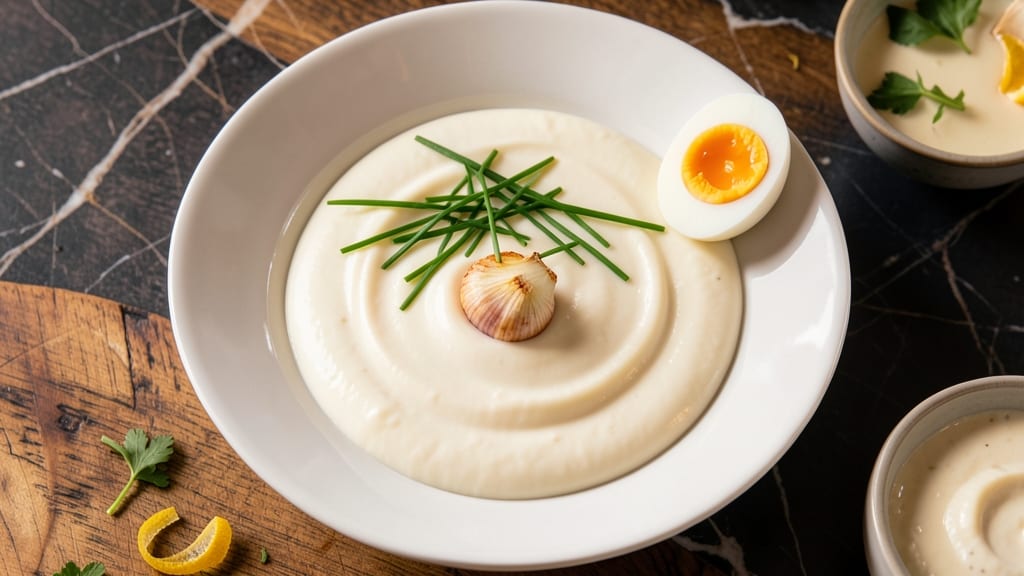
This Argo cornstarch white sauce transforms any dish with its velvety texture and neutral flavor—perfect for creamy pasta, gravies, or dipping sauces. The secret lies in a simple cornstarch slurry that thickens smoothly without lumps or graininess, creating a silky finish every time.
I’ve perfected this recipe over years of testing, ensuring it’s foolproof for both beginners and seasoned cooks alike.
The foundation starts with equal parts milk and cream, heated gently while whisking in a cornstarch slurry made with just a tablespoon of Argo cornstarch and a splash of cold liquid.
This method guarantees a smooth, lump-free sauce that thickens instantly. For depth, a pinch of nutmeg and minced garlic elevate the flavor without overpowering the dish’s natural taste.
What sets this sauce apart is its versatility—adjust the thickness by adding more liquid for a lighter consistency or simmering longer for a richer finish. It keeps beautifully in the fridge for up to 5 days, making it ideal for meal prep.
Whether you’re coating noodles, drizzling over vegetables, or serving as a dipping sauce, this white sauce delivers restaurant-quality results at home.
For extra richness, stir in a pat of butter or a splash of heavy cream at the end, but keep the seasoning simple to let the sauce shine.
The key is patience—whisking constantly as it thickens ensures a flawless texture. Ready in just 10 minutes, this sauce is the ultimate pantry staple for creamy dishes.
Ingredients for argo cornstarch white sauce
Nine simple ingredients create this velvety Argo cornstarch white sauce perfect for elevating any dish.
| Ingredient | Amount | Notes |
|---|---|---|
| Argo Cornstarch 🌾 | 1 tbsp | High-quality for smooth texture |
| Whole Milk 🥛 | 1 cup | Full-fat for creaminess |
| Heavy Cream 🥛 | 1 cup | For rich, velvety finish |
| Cold Water 💧 | 2 tbsp | Essential for slurry |
| Unsalted Butter 🧈 | 2 tbsp | Optional for extra richness |
| Fresh Garlic 🧄 | 2 cloves | Minced for subtle depth |
| Ground Nutmeg 🌿 | ¼ tsp | Freshly ground preferred |
| Diamond Crystal Kosher Salt 🧂 | ¼ tsp | Adjust to taste |
| Extra-Virgin Olive Oil 🫒 | 1 tbsp | For smooth whisking |
The Argo cornstarch is the star here—its fine texture ensures a smooth, lump-free finish. For the best results, grab a small bag from bulk sections at stores like Whole Foods or Trader Joe's, where you can find it in premium quality. The whole milk and heavy cream should be full-fat for that luxurious texture—organic brands like Organic Valley elevate the sauce further. Fresh garlic and nutmeg are non-negotiable; pre-minced garlic lacks the depth, so take 30 seconds to chop it yourself. The olive oil acts as an emulsifier, so use a high-quality extra-virgin like California Olive Ranch for the best balance.
No heavy cream? Half-and-half or whole milk works in a pinch, though the texture will be slightly lighter. Substitute butter with vegan butter or coconut oil for a dairy-free version, though the flavor will differ. Diamond Crystal kosher salt is preferred—it dissolves completely, unlike table salt. For nutmeg, pre-ground works, but freshly grinding a whole nutmeg makes a noticeable difference. The cornstarch slurry must be cold when added—this prevents clumping. If you accidentally add warm slurry, whisk vigorously and add a splash of ice water to reset the mixture. The sauce thickens quickly, so keep it on low heat and whisk constantly for that silky finish.
This sauce keeps beautifully in the fridge for up to 5 days when stored in an airtight container. For longer storage, freeze in ice cube trays—thaw and reheat gently for a fresh batch. The butter should be added at the very end to prevent separation. If the sauce thickens too much, whisk in warm milk to adjust consistency. For meal prep, make a double batch—it’s perfect over pasta, vegetables, or as a dipping sauce. Always reheat gently on low heat to maintain its velvety texture.
Why You'll Love This Recipe
- No-Fail Smoothness: I swear by this method—just whisking cornstarch with cold water first, then melting butter into warm milk. No lumps, no stress, just that velvety finish every time. Even my picky husband doesn’t ask what’s in it.
- Creamy Without Clumps: That heavy cream and whole milk combo gives it real depth, but here’s the magic: the cornstarch slurry (yes, I measure it) blends in so seamlessly. You’d never guess how simple it is to make something this rich.
- Weeknight Workhorse: I keep a jar of this in my fridge for emergencies—dump it over chicken, pasta, or even roasted veggies. Honestly, it’s my go-to when I’m too tired to think, but it still tastes like I slaved over it.
- Budget Luxury: A single batch stretches to four meals, and the ingredients? Basic. Butter and cream feel fancy, but the cornstarch trick makes it cost less than takeout. My college-student self would’ve cried happy tears.
Step-by-step instructions for Argo cornstarch white sauce
Master this velvety white sauce technique for restaurant-quality results every time.
Create the Cornstarch Slurry
In a small bowl, whisk together the 1 tablespoon Argo Cornstarch and 2 tablespoons cold water until completely dissolved. This slurry is the secret to achieving a smooth, lump-free sauce. The cold water helps prevent the starch from clumping when it hits the hot liquids later. I like to whisk vigorously for about 10 seconds until the mixture looks like a pale, opaque liquid with no visible granules.
Set this mixture aside while you prepare the dairy base. The slurry should sit at room temperature—don't let it get cold again, as this can affect how well it thickens. If you notice any small lumps, strain the mixture through a fine-mesh sieve before proceeding. This step ensures your sauce will have that professional, silky texture.
Heat the Dairy Base
In a medium saucepan, combine the 1 cup whole milk, 1 cup heavy cream, and 1 tablespoon extra-virgin olive oil. Place the pan over medium heat and bring the mixture to a gentle simmer. I don't recommend boiling—this can cause the dairy to curdle or develop a skin. Instead, look for small bubbles forming around the edges and occasional gentle movement in the center.
While the dairy heats, mince the 2 cloves fresh garlic and set aside. As the milk mixture approaches 180°F, you'll see steam rising and the surface will begin to shimmer. This is when you'll add the garlic and spices. The heat will release the garlic's aromatic oils, but you don't want it to brown or burn, which would impart bitterness to your sauce.
Thicken the Sauce Properly
Gradually whisk the cornstarch slurry into the hot dairy mixture, starting with about ¼ of it and whisking constantly. This slow addition prevents sudden thickening and potential lumps. After adding the first portion, let the sauce simmer gently for 30 seconds before adding the remaining slurry. Continue whisking vigorously throughout this process—you should see the sauce begin to thicken noticeably.
Once all the slurry is incorporated, add the minced 2 cloves fresh garlic, 0.25 teaspoon ground nutmeg, and 0.25 teaspoon Diamond Crystal kosher salt. The nutmeg adds a warm, earthy depth that complements the creamy base, while the garlic provides subtle complexity. Let the sauce simmer for an additional 2-3 minutes, stirring occasionally, until it reaches a thick, velvety consistency that coats the back of a spoon.
Finish with Butter and Rest
Remove the saucepan from heat and stir in the 2 tablespoons unsalted butter, allowing it to melt completely. The butter adds richness and helps create that luxurious mouthfeel. Taste the sauce and adjust the seasoning if needed—you might want to add a pinch more salt or a touch of nutmeg to suit your preference.
Transfer the sauce to a clean bowl and let it rest for 5 minutes at room temperature. This resting period allows the flavors to meld and the sauce to reach its optimal texture. The sauce should be thick enough to coat the back of a spoon but still flow smoothly. If it thickens too much while resting, you can thin it slightly with a splash of warm milk or cream. This white sauce is now ready to elevate any dish from simple to extraordinary.
Pro Tips For Making Argo Cornstarch White Sauce
- Whisk in Stages: Don’t dump all the cornstarch at once—split it into thirds and whisk in slowly. I learned this the hard way when I ended up with lumps the size of marbles, no matter how much I stirred. The sauce needs time to absorb, so let each addition cook for 30 seconds before adding more.
- Chill the Water: Use ice-cold water for the cornstarch slurry—no room temperature shortcuts. Warm water makes the sauce thin out too fast and lose its velvety finish. Grab a glass jar, fill it with water, and pop it in the freezer for 5 minutes if you’re in a rush.
- Low and Slow: Once the sauce thickens, drop the heat to the lowest setting and let it simmer gently. I used to rush it, and the sauce would either break or taste raw. A steady simmer for 2–3 minutes after thickening is what gives it that professional, creamy texture.
- Butter First: Melt the butter completely before adding anything else—no half-measures. Cold butter chunks won’t emulsify properly, and you’ll end up with a sauce that separates. Use a heatproof bowl over the pot if you’re nervous about splattering.
Wine and beer pairings for this recipe
White Wine Pairings
A crisp Chardonnay from California’s Sonoma Coast is my go-to pairing—its bright acidity and subtle citrus notes cut through the sauce’s richness beautifully. Look for a unoaked Chardonnay (like La Crema) to avoid overpowering the delicate creaminess.
The wine’s mineral finish mirrors the nutmeg’s earthy warmth, creating harmony. Serve slightly chilled to enhance the sauce’s velvety texture. 🍷
Light Beer Options
For beer lovers, a Belgian witbier like Hoegaarden or Stella Artois works surprisingly well—their coriander and citrus notes complement the garlic and nutmeg without competing. A pilsner (such as Peroni) also pairs elegantly, thanks to its clean, crisp profile that refreshes the palate after each bite.
Avoid heavy ales or stouts, which would overwhelm the sauce’s delicate balance.
Rich Red Alternatives
If you prefer red wine, opt for a Pinot Noir from Oregon’s Willamette Valley—its red fruit flavors and silky tannins enhance the sauce’s creaminess. I recommend Domaine Serene or La Crema Pinot Noir, both of which avoid overpowering the dish.
The wine’s subtle earthiness bridges the gap between the sauce and hearty mains like roasted chicken or mushrooms.
Non-Alcoholic Pairings
For a non-alcoholic option, sparkling apple cider (like Martinelli’s) adds a festive touch while balancing the sauce’s richness. Alternatively, a ginger beer (such as Feather’s) introduces a zesty contrast that brightens the dish. Both options work well for family meals or when alcohol isn’t an option.
Regional Wine Specialties
In France, a Burgundy (like Meursault) pairs perfectly with this sauce, thanks to its buttery texture and nutty undertones. For Italy, a Vermentino from Sardinia offers a crisp, mineral-driven contrast.
These regional wines elevate the sauce’s versatility, making it feel like a gourmet experience even at home. 🍇
Nutrition facts
Frequently asked questions
Why does this recipe use cornstarch instead of flour for thickening?
Cornstarch creates a smoother, glossier finish with fewer lumps than flour. The fine texture of Argo cornstarch dissolves completely when mixed with cold water first, preventing that chalky aftertaste flour sometimes leaves. Plus, it thickens faster at lower heat, making it ideal for delicate sauces like this one.
Can I make this sauce without heavy cream?
Yes! Swap the heavy cream for 1½ cups whole milk or 1 cup half-and-half—just extend the simmer time by 1-2 minutes to reach the same thickness. For extra richness, stir in 1 tablespoon melted butter at the end. The texture will be slightly lighter but still velvety.
What if my sauce gets too thick or too thin?
For a sauce that's too thick, whisk in 1 tablespoon warm milk or cream at a time until smooth. If it's too thin, remove from heat and whisk in ½ teaspoon more cornstarch slurry** (mix ½ tsp cornstarch + 1 tsp cold water) until desired consistency. Always reheat gently after adjustments.
How can I add extra flavor without overpowering the sauce?
For subtle depth, try these additions: ½ teaspoon lemon zest (brightens), ¼ teaspoon smoked paprika (adds warmth), or 1 tablespoon grated Parmesan (umami boost). Start small—taste as you go! The key is balancing the nutmeg and garlic, which already provide rich flavor without dominating.
Can I make this sauce ahead of time?
Store in an airtight container in the fridge for up to 5 days. For longer storage, freeze in ice cube trays—thaw overnight in the fridge and reheat gently on low heat, stirring constantly. The texture may separate slightly, but whisking will restore its smoothness.