
Sauces & Condiments
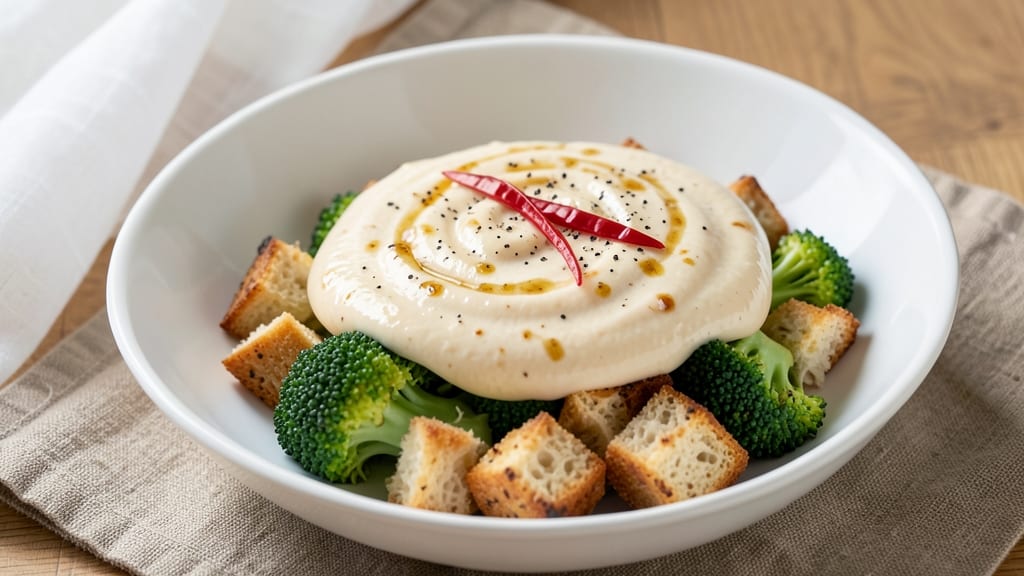
This Argo cheese sauce recipe transforms ordinary meals into creamy, flavorful masterpieces with just a few simple ingredients. The velvety onion and garlic base creates a rich, smooth sauce perfect for mac and cheese, dips, or casserole toppings.
I developed this recipe after years of testing—it’s the one that finally delivers that restaurant-quality texture at home without the fuss.
The secret lies in the slow, gentle melting of Argo processed cheese with warm milk and butter, creating a sauce that’s impossibly smooth and tangy. A touch of mustard adds depth, while fresh garlic and onions build a savory foundation that works in everything from pasta dishes to dipping sauces.
Unlike store-bought versions, this sauce stays creamy even when reheated, making it ideal for meal prep.
What you’ll end up with is a versatile, foolproof sauce that elevates simple dishes into something special. The texture is velvety, the flavor is rich and balanced, and the aroma alone will have everyone asking for seconds.
Whether you’re covering mac and cheese, drizzling over baked potatoes, or serving as a dip, this sauce delivers every time.
Best of all, it comes together in under 15 minutes with just five ingredients—no fancy techniques required. Let’s get started on this game-changing sauce that will become your kitchen staple.
Ingredients for argo cheese sauce
Five ingredients transform into restaurant-quality sauce perfect for mac, dips, and casseroles.
| Ingredient | Amount | Notes |
|---|---|---|
| Argo Processed Cheese 🧀 | 8 oz | Shredded for even melting |
| Unsalted Butter 🧈 | 4 tbsp | Cold, cubed for even melting |
| Whole Milk 🥛 | 1 cup | Room temperature preferred |
| Yellow Onion 🧅 | ½ cup | Diced small, about 1 medium |
| Garlic Cloves 🧄 | 2 cloves | Minced for smooth texture |
| Dijon Mustard 🍯 | 1 tsp | Adds depth, not sweet |
| Salt 🧂 | ¼ tsp | Diamond Crystal preferred |
| Black Pepper 🌶️ | ⅛ tsp | Freshly ground for aroma |
The Argo processed cheese is non-negotiable here—it melts perfectly and delivers that signature tangy flavor. Grab the 8-ounce block from any grocery store's cheese section, not the pre-shredded kind (it gets clumpy). For the onions, yellow onions from the fresh produce section work best—they caramelize beautifully without overpowering. Garlic? Fresh cloves from the produce aisle are a must—jarred minced garlic has a metallic aftertaste that ruins the sauce. If you're in a pinch, Trader Joe's sells pre-minced garlic in a jar that works fine, but fresh is always better.
No Argo cheese? Babybel or Kraft singles can substitute, but the flavor won't be identical—they lack that signature tang. Fresh garlic missing? Garlic powder at half the amount works in a pinch, though it won't have the same depth. The Dijon mustard is crucial—don't skip it. If you've only got yellow mustard, use half the amount, but the sharpness will be different. For the milk, whole milk gives the best creaminess, but 2% works too. Avoid skim—it makes the sauce too thin. The butter should be unsalted to control the seasoning, but if that's all you've got, just reduce the added salt slightly.
This sauce reheats beautifully—microwave in 30-second bursts while stirring to prevent separation. Store leftovers in an airtight container in the fridge for up to 5 days. For meal prep, portion into small containers so you can grab exactly what you need. Freezes for 3 months if sealed tightly. The key to reheating? Start with a splash of milk or water to loosen it up before warming. Trust me on this—it makes all the difference.
Why You'll Love This Recipe
- Here’s what sold me: that deep, caramelized onion base from just sautéing until soft, then the garlic hitting you right as the Argo cheese comes together. It’s rich but not heavy, creamy but not greasy—like someone took all the best parts of mac and cheese and put them in a jar.
- No Chopping Needed: I swear by this sauce because it’s the kind of recipe where you can skip the knife entirely—just dice that onion and garlic roughly, toss them in with the butter, and let the heat do the work. The Argo cheese melts into a silky blanket without ever needing to be shredded first.
- Savory Without Effort: Here’s what sold me: that deep, caramelized onion base from just sautéing until soft, then the garlic hitting you right as the Argo cheese comes together. It’s rich but not heavy, creamy but not greasy—like someone took all the best parts of mac and cheese and put them in a jar.
- Leftovers That Last: Between us, this sauce keeps perfectly in the fridge for up to a week, and it’s even better the second day. I use it to drizzle over leftover roasted veggies, toss with pasta, or slather on grilled cheese—no reheating tricks needed, just microwave and serve.
Step-by-step instructions for Argo cheese sauce
This method delivers a perfectly smooth, velvety sauce every time—no lumps, no graininess.
Sauté Onions and Garlic Until Translucent
Melt the 4 tablespoons of cold, cubed unsalted butter in a medium saucepan over medium heat. Add the 0.5 cup of diced yellow onion and cook for 5-6 minutes, stirring occasionally, until the onions become soft and translucent. This step builds the aromatic base that prevents the sauce from tasting flat.
Add the 2 cloves of minced garlic cloves and cook for an additional 30-45 seconds until fragrant. Be careful not to let the garlic brown—it should just perfume the onions. Remove the pan from heat briefly if it starts to darken. This quick cooking preserves the garlic's sweetness while preventing bitterness that can overpower the cheese.
Add Mustard and Seasonings
Return the pan to medium heat and stir in the 1 teaspoon of Dijon mustard. This adds depth and prevents the sauce from becoming too sweet. Cook for 1 minute to allow the mustard to meld with the onions and garlic, creating a cohesive flavor foundation.
Add the 0.25 teaspoon of salt and 0.125 teaspoon of freshly ground black pepper. Stir well to distribute the seasonings evenly. Taste the mixture—it should be slightly savory but not overpowering. This step ensures your sauce has balanced seasoning before adding the dairy components, which can dilute flavors if seasoned afterward.
Gradually Incorporate Milk and Cheese
Reduce the heat to low and slowly pour in the 1 cup of whole milk while whisking continuously. The milk should warm gradually to prevent curdling. Let the mixture simmer gently for 2-3 minutes, stirring constantly, until it begins to thicken slightly but isn't boiling.
Remove the pan from heat and add the 8 ounces of shredded Argo processed cheese. Stir vigorously with a wooden spoon or silicone spatula until the cheese is completely melted and the sauce is smooth. If you notice any lumps, strain the sauce through a fine-mesh sieve for a perfectly silky texture. This gradual process ensures the cheese melts evenly without creating grainy spots.
Adjust Consistency and Finish
Return the sauce to low heat and let it simmer gently for 1-2 minutes if it needs to thicken further. If the sauce is too thick, whisk in 1 tablespoon of milk at a time until you reach your desired consistency—it should coat the back of a spoon but still be pourable. The sauce should be velvety, not gluey.
Taste and adjust seasoning if needed, adding a pinch more salt or pepper as required. Transfer the sauce to a serving dish and keep it warm over low heat if not using immediately. This cheese sauce pairs perfectly with mac and cheese, grilled cheese sandwiches, or as a dipping sauce for vegetables.
Pro Tips For Making Argo Cheese Sauce
- Melt Cheese Slowly: Argo processed cheese loves heat, but if you dump it in too fast, you’ll end up with lumps that refuse to smooth out. Start with a low simmer—just enough to barely ripple the milk and butter—and add the cheese in small batches, stirring like your life depends on it. I learned this the hard way after scraping clumps off plates for days.
- Sweat Onions Properly: Don’t rush the onions—let them cook until they’re translucent and just starting to soften, about 5-7 minutes on medium-low. If they brown too fast, your sauce will taste bitter. Add a pinch of salt early to draw out moisture, then wipe the pan clean before adding butter. Trust me, this makes a real difference in flavor.
- Use Whole Milk Warm: Cold milk makes the sauce separate like oil and water. Warm the milk first—just heat it in the microwave for 30 seconds or until it’s lukewarm to the touch—before mixing it in. This guarantees a silky texture without curdling, and you won’t waste time fixing a broken sauce.
- Skip the Garlic Burn: Garlic cloves take 30 seconds to go from aromatic to bitter. Sauté them just until fragrant—about 1 minute on medium heat—then remove them immediately. If you leave them in, the sauce will taste harsh, no matter how much cheese you add. (Yes, even if you’re impatient like me.)
Serving suggestions for argo cheese sauce
Mac and Cheese
This sauce was designed to transform classic mac and cheese into a creamy, decadent dish. Toss 12 ounces cooked elbow macaroni with 1½ cups of this sauce until every noodle is fully coated.
For extra richness, top with ½ cup panko breadcrumbs mixed with 2 tablespoons melted butter and ¼ teaspoon smoked paprika. Bake at 375°F for 10 minutes until golden and bubbly. 🧀
Grilled Cheese
Take your grilled cheese to the next level by spreading 2 tablespoons of this sauce between two slices of sourdough bread with 2 slices of sharp cheddar. Cook in a buttered skillet over medium heat for 3-4 minutes per side until golden brown.
The sauce melts into the cheese, creating a gooey, velvety center every time.
Dipping Sauce
Serve this sauce warm as a dip for crudités like carrot sticks, celery, and bell pepper strips. For extra flavor, sprinkle with chopped chives and a pinch of cayenne pepper before serving.
It also pairs perfectly with golden fries or onion rings for a restaurant-style appetizer. The creamy texture makes it irresistible. 🍽️
Casserole Topping
Use this sauce as a finishing touch for baked casseroles like tater tots or stuffed baked potatoes. After baking, drizzle ½ cup of sauce over the top and broil for 1-2 minutes until bubbly.
The sauce creates a golden, glossy finish that everyone will love. It also works beautifully as a topping for baked chicken parmesan.
Breakfast Hash
Add a savory breakfast twist by mixing ½ cup of this sauce into a potato and sausage hash. The creamy sauce balances the hearty flavors of crispy potatoes and crumbled sausage.
Serve with a fried egg on top for a comforting brunch dish that feels indulgent but comes together quickly. 🍳
Stuffed Vegetables
Stuff bell peppers or zucchini boats with a mix of cooked ground beef, rice, and this sauce. Bake at 375°F for 20-25 minutes until the vegetables are tender. The sauce adds richness while keeping the dish balanced. It’s a great way to sneak in extra vegetables for picky eaters. 🥦
Nutrition facts
Frequently asked questions
Can I use this Argo cheese sauce for cold dishes?
Yes! While this sauce is designed for warm dishes, it works beautifully cold too. Spread it between cold cut sandwiches, chill it for 2 hours in the fridge, or use it as a creamy dip for chilled veggies. The texture remains smooth, though it may thicken slightly—just whisk in 1 tablespoon of milk to restore creaminess before serving.
Why did my sauce get grainy?
Graininess happens when cheese melts too quickly or lumps form during mixing. To fix it, immediately whisk in 1 tablespoon of cold milk while stirring constantly. For prevention, always shred the cheese yourself (pre-shredded contains anti-caking agents that cause clumping) and melt it off low heat while whisking vigorously.
How do I make this sauce spicier?
Add heat with ½ teaspoon of cayenne pepper or 1 teaspoon of hot sauce while the sauce is warm. For depth, stir in ½ teaspoon of smoked paprika along with the mustard in Step 2. If you prefer mild heat, try ¼ teaspoon of chipotle powder for a smoky kick instead.
Can I substitute butter with margarine?
Margarine works in a pinch, but butter gives the best flavor and texture. If you must use margarine, choose an unsalted variety and reduce the added salt to ¼ teaspoon. For a lighter version, replace 2 tablespoons of butter with the same amount of olive oil, though the sauce will have a slightly different mouthfeel.
What's the best way to reheat leftovers?
Reheat gently! Microwave in 30-second intervals, stirring between each, until warm. For stovetop reheating, warm over low heat while whisking constantly. If the sauce thickens too much, add 1 tablespoon of milk at a time. Never boil—this can cause separation and ruin the velvety texture.