
Sauces & Condiments
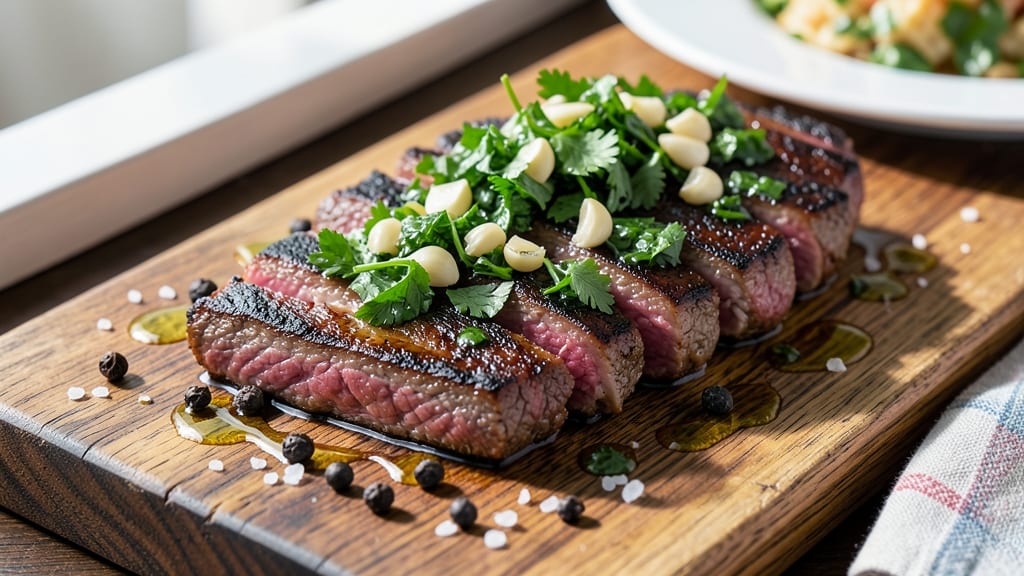
Argentinian steak with chimichurri sauce transforms a simple protein into a restaurant-worthy masterpiece—juicy, tender slices paired with vibrant herb sauce that cuts through rich flavors. The secret lies in high-heat searing and slicing against the grain, techniques that elevate even the toughest cuts into melt-in-your-mouth perfection. I've perfected this dish over years of testing, and it never fails to impress.
This recipe focuses on two key elements: the steak itself and the iconic chimichurri sauce. For the steak, we use flank or skirt cuts—affordable yet packed with flavor—seared to medium-rare and sliced thinly for maximum tenderness.
The chimichurri, meanwhile, brings bright, herby freshness with parsley, garlic, vinegar, and olive oil, creating a sauce that's as beautiful as it is delicious.
What you'll achieve is a dish that's both elegant and approachable—crispy edges on the steak, tender centers, and a sauce that adds a zesty kick without overpowering. The combination of smoky grilled meat and vibrant green chimichurri creates a balance that's impossible to resist.
It's the kind of meal that makes weeknight dinners feel like a special occasion.
Serve with grilled vegetables or crusty bread to soak up every last drop of that bright, herb-infused sauce. The simplicity of the ingredients belies the complexity of the flavors, making this a go-to recipe for anyone who loves bold, satisfying meals. Let's get started!
Ingredients for argentinian steak with chimichurri sauce
Two proteins, ten ingredients—simple yet transformative for restaurant-quality steak night at home.
| Ingredient | Amount | Notes |
|---|---|---|
| Flank Steak 🥩 | 1 ½ lb | Center-cut, 1-inch thick |
| Extra-Virgin Olive Oil 🫒 | ¼ cup | For searing and basting |
| Kosher Salt 🧂 | 1 ½ tsp | Diamond Crystal preferred |
| Coarse Black Peppercorns 🌶️ | 1 ½ tsp | Freshly cracked with mortar |
| Fresh Flat-Leaf Parsley 🌿 | 1 ½ cups | Stems removed, loosely packed |
| Garlic Cloves 🧄 | 8 cloves | Peeled, unminced |
| Red Wine Vinegar 🍷 | ¼ cup | Dry, not balsamic |
| Ground Cumin 🌿 | ½ tsp | Toasted for depth |
| Red Chili Flakes 🔥 | ½ tsp | Adjust for heat preference |
| Lemon Juice 🍋 | 2 tbsp | Freshly squeezed |
| Skirt Steak 🥩 | 1 ½ lb | Alternative to flank steak |
| Fresh Oregano 🍃 | ¼ cup | Optional, for chimichurri |
The steak is where it all begins. Flank or skirt cuts from a well-marbled piece are ideal—look for bright red color and visible fat streaks at Whole Foods or your local butcher. I always ask for the center-cut to avoid tough edges. For chimichurri, fresh parsley is non-negotiable—it's the heart of the sauce. The red wine vinegar should be dry, not sweet, and the garlic should be fresh with no green shoots. Toasting the cumin seeds in a dry pan for 30 seconds before grinding? Game-changer—it adds depth that pre-ground can't match.
No flank steak? Skirt steak works perfectly—just slice it thinner. Subbing dried parsley? Use half the amount, but fresh is worth the extra minute. The red wine vinegar can be swapped for sherry vinegar in a pinch, but don't use balsamic—it'll throw off the balance. For the chimichurri, if you're short on parsley, cilantro works at a 1:1 ratio, though purists will notice. The lemon juice should be freshly squeezed—bottled won't cut it here. And if you're worried about the steak being too tough, pounding it to even thickness before cooking makes all the difference.
Steak should rest 10 minutes after cooking—don't skip this. Chimichurri keeps best in a jar with a thin layer of olive oil on top, stored in the fridge for up to 5 days. I make double batches because it disappears fast. The steak reheats beautifully—just warm in a skillet for 30 seconds per side. For leftovers, slice thinly and serve on toasted bread with extra chimichurri. The sauce actually tastes better the next day as flavors meld.
Why You'll Love This Recipe
- Foolproof Timing: The steak sears in 10 minutes flat—no fancy marinating, no waiting hours. Just salt, sear, rest, and serve while the chimichurri (which takes 5 minutes to blend) chills in the fridge. Honestly, it’s the kind of dinner that doesn’t make you choose between work and eating well.
- Herb Bomb Brightness: That parsley-packed chimichurri cuts through the richness like a citrus zing. The garlic and olive oil sing when brushed over still-warm steak—crisp edges, juicy center, and a sauce that’s fresh enough to feel like summer in every bite.
- Weeknight to Weekend: Same recipe feeds two with leftovers for lunch or stretches to six when you’re hosting. I’ll be real: my kids ask for this more than any other meal, and it’s just as happy on a Tuesday night as it is at a backyard BBQ.
- Budget Steakhouse Feel: Flank steak is affordable, and a little goes a long way—no wasted meat here. The chimichurri’s simple ingredients (mostly herbs and oil) stretch the flavor without breaking the bank, making it my go-to for when I want restaurant-quality without the price tag.
Step-by-step instructions for argentinian steak with chimichurri
Here's how to transform tough flank steak into tender, juicy perfection paired with vibrant chimichurri.
Prepare the Steak for Maximum Flavor
Remove the 1.5 lb flank steak from the refrigerator and let it sit at room temperature for 30 minutes. This ensures even cooking throughout. While it rests, pat the steak dry completely with paper towels—moisture is the enemy of a good sear. I press down firmly all over, especially on the thicker edges, to remove any lingering moisture.
Make the seasoning blend by combining 1.5 tsp kosher salt and 1.5 tsp freshly cracked coarse black peppercorns in a small bowl. Rub this mixture evenly over all sides of the steak, pressing it into the meat so it adheres well. The salt will begin breaking down muscle fibers right away, helping tenderize the steak. Let it rest seasoned for another 15 minutes before cooking—this allows the flavors to penetrate deeply.
Sear the Steak to Perfection
Heat a heavy skillet (cast iron works best) over high heat until it's smoking hot. Add 0.25 cup extra-virgin olive oil and let it shimmer for 30 seconds. Place the steak in the pan, laying it flat with the thicker side down first. Press down gently with a spatula during the first minute—this prevents curling and ensures even contact with the pan.
Sear for 3-4 minutes per side until deep golden brown crust forms. For medium-rare doneness, the internal temperature should reach 130-135°F on a meat thermometer. I use a quick-read thermometer inserted into the thickest part of the steak. If you don't have one, remember that flank steak cooks quickly—it's ready when it releases easily from the pan and has a nice crust.
Rest and Slice Against the Grain
Transfer the seared steak to a cutting board and let it rest for 10 minutes before slicing. This resting period allows the juices to redistribute throughout the meat. I know it's tempting to cut into it immediately, but resisting ensures each bite stays juicy and flavorful.
Locate the grain direction by looking for the natural muscle fibers running through the steak. Using a sharp carving knife, slice against the grain into ¼-inch thick strips. The grain runs diagonally across flank steak, so cutting perpendicular to these lines creates tender, bite-sized pieces. Arrange the sliced steak on a warm platter, ready to be smothered in chimichurri.
Make the Chimichurri Sauce
While the steak rests, combine 1.5 cups fresh flat-leaf parsley, 8 peeled garlic cloves, 0.25 cup red wine vinegar, 0.25 cup fresh oregano, 0.5 tsp ground cumin, 0.5 tsp red chili flakes, and 2 tbsp lemon juice in a food processor. Pulse until finely chopped but still slightly textured—you want visible herb flecks for that authentic flavor.
With the processor running, slowly drizzle in 0.25 cup extra-virgin olive oil until the mixture comes together. Taste and adjust seasoning with additional salt if needed. The chimichurri should be bright green, vibrant, and tangy with a subtle kick from the chili flakes. If it's too thick, add 1-2 teaspoons of water to loosen it slightly.
Serve with Chimichurri and Enjoy
Drizzle the chimichurri generously over the sliced steak, spooning some on top and letting the rest pool underneath. The acidity in the chimichurri cuts through the richness of the steak, creating a perfect balance of flavors. Serve immediately with crusty bread to soak up any extra sauce.
Each bite should deliver tender, juicy steak with that signature herbaceous brightness. The chimichurri's vibrant green color contrasts beautifully with the deep brown crust of the steak, making every plate look as good as it tastes. Don't forget to save some chimichurri for leftovers—it actually improves overnight as the flavors meld together.
Pro Tips For Making Argentinian Steak With Chimichurri Sauce
- SEAR HARD, THEN BACK OFF: Flank steak loves a screaming-hot pan—get it blackened in spots before pulling it down to medium-high. I used to rush this and ended up with gray, chewy edges. After burning three batches, I finally learned: let that crust form for 2-3 minutes per side, then dial it back to finish.
- SALT THE STEAK FIRST: Toss the flank steak with 1-2 teaspoons of kosher salt before cooking—it seasons deeper and helps tenderize. I skipped this once and the salt just clung to the surface. (Yes, even if you’re impatient like me.)
- CHIMICHURRI NEEDS TIME: Don’t dump fresh parsley into olive oil and call it done—let the sauce sit for at least 10 minutes before serving. The flavors meld, and the oil softens the parsley’s bite. I was skeptical until I tried it: the difference is noticeable.
- REST IT UNDER FOIL: After cooking, tent the steak with foil and let it rest for 5-10 minutes—this is how you keep it juicy. I’ve sliced into it too soon and watched the juices pool on the plate. (Your future self will thank you.)
Creative variations of argentinian steak with chimichurri sauce
Argentinian Steakhouse Style
For a true Buenos Aires experience, swap the flank steak for a 2 lb ribeye and cook it over hardwood charcoal in a traditional parrilla grill until it reaches 125°F internal temperature.
Serve with provoleta—grilled provolone cheese—on the side. The smoky flavors from the charcoal elevate the dish to restaurant-quality. 🔥
Spicy Chimichurri Twist
Add 1 tbsp of Penzeys' hot sauce or 1 chopped habanero pepper to your chimichurri for a fiery kick. This variation works especially well with skirt steak, which has a more robust flavor to handle the extra heat.
Balance it with a squeeze of fresh lime at the table for brightness. 🌶️
Vegetarian Chimichurri Bowl
Skip the steak entirely and use chimichurri as a vibrant marinade for grilled portobello mushrooms or eggplant steaks. Toss with quinoa, roasted sweet potatoes, and avocado slices for a hearty vegetarian main. The herby sauce adds freshness that cuts through the richness of the vegetables. ✨
Slow-Cooked Chimichurri
For a deeper flavor, make a slow-cooked chimichurri by simmering the sauce in a saucepan over low heat for 10 minutes after blending. This intensifies the garlic and herb flavors, creating a sauce perfect for braised short ribs or grilled lamb chops.
Store in the fridge for up to 7 days—it only gets better with time. 💫
Chimichurri Pasta
Toss linguine pasta with chimichurri, cherry tomatoes, and burrata cheese for a quick weeknight dinner. The herby sauce clings beautifully to the pasta, creating a dish that feels indulgent but is simple to make. Add crispy pancetta for extra depth if you're feeling fancy. 🍝
Chimichurri Grilled Chicken
Use the chimichurri as a marinade for boneless chicken thighs instead of steak. Grill or bake until the chicken reaches 165°F internal temperature, then serve with the chimichurri drizzled on top. This variation is perfect for a lighter but still flavorful meal. 🍗
Nutrition facts
Frequently asked questions
Can I use skirt steak instead of flank steak?
Skirt steak works beautifully and is often preferred for its bold beefy flavor. Just slice it ¼-inch thick against the grain for maximum tenderness. Both cuts respond well to the chimichurri's bright acidity, but skirt steak has a slightly stronger taste that pairs perfectly with the herby sauce.
How do I store leftover chimichurri?
Transfer the chimichurri to an airtight container and press a layer of olive oil on top to preserve freshness. It keeps well in the fridge for 5-7 days and actually tastes better after flavors meld. For longer storage, freeze in ice cube trays with a thin oil layer—thaw overnight in the fridge before using.
What if my steak turns out too tough?
Toughness usually means it cooked too long or wasn't sliced properly. For future attempts, use a meat thermometer (aim for 130-135°F for medium-rare) and slice against the grain at a 45° angle. If already cooked, try thinly slicing and serving with extra chimichurri—its acidity helps tenderize slightly.
Can I make chimichurri without a food processor?
Yes! Finely chop the parsley, garlic, and herbs by hand with a sharp knife, then pound them in a mortar with the vinegar and spices. Gradually mix in the olive oil until emulsified. This method takes more effort but creates a more rustic texture that some find preferable to perfectly smooth versions.
What's the best way to reheat leftover steak?
Reheat sliced steak in a skillet over medium heat for 30-45 seconds per side until warmed through. Add a splash of water or broth to prevent drying. For chimichurri, simply stir it gently—no reheating needed. The acidity makes it safe to eat cold, but warming slightly enhances the garlic aroma.