
Sauces & Condiments
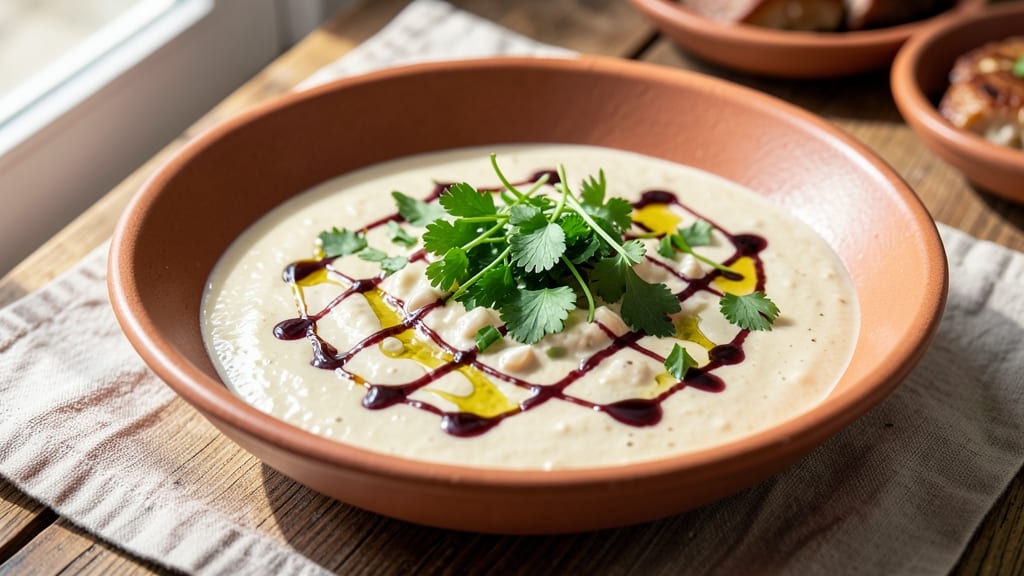
This Argentinian chimichurri sauce recipe transforms simple ingredients into a vibrant, herb-packed condiment that elevates grilled meats to restaurant-quality levels. 🌿 The secret lies in fresh parsley, garlic, and red wine vinegar—traditional elements that create a bright, tangy sauce with just the right balance of acidity and freshness.
Unlike heavier creamy sauces, chimichurri stays light yet bold, cutting through rich flavors perfectly.
The beauty of chimichurri is its simplicity: no cooking required, just chopping and blending. With just 10 minutes of prep, you’ll have a sauce that’s ready to drizzle over grilled steaks, empanadas, or even roasted vegetables.
The key is using fresh herbs—never dried—and letting the sauce sit for at least 15 minutes before serving to allow the flavors to meld.
What makes this sauce truly special is its versatility. It’s the perfect partner for grilled meats like asado cuts, but it also works as a marinade or a bright topping for crispy fries or avocado toast.
The bright green color alone signals freshness, while the tangy, herby notes ensure every bite is memorable.
Store it in an airtight container in the fridge for up to 5 days, or freeze for longer storage. The longer it sits, the more the flavors develop, making it even more complex over time. Ready to master this Argentinian classic? Let’s get started.
Ingredients for argentinian sauce
Fresh herbs and bold vinegar create this vibrant Argentinian sauce that transforms any grilled dish.
| Ingredient | Amount | Notes |
|---|---|---|
| Fresh Flat-Leaf Parsley 🌿 | 1 ½ cups | Stems removed, tightly packed |
| Garlic Cloves 🧄 | 6 cloves | Peeled, roughly chopped |
| Red Wine Vinegar 🍷 | ½ cup | Bold, dry variety preferred |
| Extra-Virgin Olive Oil 🫒 | ½ cup | High-quality, fruity |
| Kosher Salt 🧂 | 1 tsp | Diamond Crystal preferred |
| Ground Black Pepper 🌶️ | ½ tsp | Freshly ground preferred |
| Red Chili Flakes 🌶️ | ½ tsp | Adjust for heat preference |
| Fresh Oregano 🍃 | 1 tbsp | Dried at one-third amount |
The parsley is non-negotiable—farmers market bunches have the most flavor, but grocery store parsley works too (just pick the freshest bunch). Garlic should be plump and firm, not sprouting. For vinegar, Argentinian Malbec vinegar adds depth, but any bold red wine vinegar works. The olive oil? Use something you'd drizzle on bread—none of that cheap cooking oil. Kosher salt matters here; Diamond Crystal dissolves better than table salt.
No fresh oregano? Dried works at one-third the amount—just toast it first for extra flavor. Short on parsley? Cilantro or basil can stretch it, but the flavor shifts slightly. The chili flakes are optional but worth it for a little heat. For a smoother texture, pulse the herbs in a food processor; for rustic texture, chop by hand. Trader Joe's has great pre-washed herbs if you're short on time, but fresh is always better.
Keep chimichurri in an airtight jar with a thin layer of olive oil on top to preserve freshness. Lasts 5 days in the fridge, but flavors deepen overnight. Freeze for up to 3 months—thaw in the fridge before using. The longer it sits, the better it tastes, so make extra if you can.
Why You'll Love This Recipe
- Here’s what sold me: the red wine vinegar cuts through the richness of olive oil and garlic, giving it this lively bite. It’s not heavy like some sauces—just bright, herby, and addictive. Drizzle it over grilled meats or crusty bread, and suddenly everything tastes like a market in Buenos Aires.
- Foolproof Freshness: I swear by this sauce because it’s the only one I can make with ingredients I already have—no fancy shopping trips. Just chop parsley (or buy pre-washed if you’re lazy), mince garlic, and toss it with vinegar and oil. That’s it. No waiting for a recipe to "come together"—it’s ready the second you stir.
- Bright & Bold: Here’s what sold me: the red wine vinegar cuts through the richness of olive oil and garlic, giving it this lively bite. It’s not heavy like some sauces—just bright, herby, and addictive. Drizzle it over grilled meats or crusty bread, and suddenly everything tastes like a market in Buenos Aires.
- Endless Pairings: Between us, this sauce is my secret weapon for lazy dinners. Toss it with pasta, spoon it over roasted veggies, or use it as a marinade. Honestly, I’ve even drizzled it on scrambled eggs (yes, really), and it works. It’s the kind of sauce that makes you feel fancy without trying.
Step-by-step instructions for Argentinian chimichurri sauce
This vibrant sauce comes together in minutes with just a few simple steps.
👨🍳 Step 1: Chop the Fresh Herbs and Garlic
In a food processor, combine the 1.5 cups fresh flat-leaf parsley (stems removed) with the 6 cloves garlic cloves (peeled and roughly chopped). Pulse until you achieve a coarse, choppy texture—think more like finely chopped herbs than a paste. You want visible flecks of parsley and garlic throughout the sauce for maximum flavor impact.
I like to pulse in short bursts rather than continuous blending. This prevents the herbs from turning into a green sludge while still breaking them down enough to release their oils. Stop when you can still see distinct pieces of parsley and garlic—this texture is key to authentic chimichurri. If using a knife instead, finely chop the parsley and garlic by hand, then transfer to a bowl.
🍳 Step 2: Add Vinegar and Seasonings
With the processor running, add the 0.5 cup red wine vinegar, 1 tsp kosher salt, 0.5 tsp ground black pepper, and 0.5 tsp red chili flakes. Process again just until everything is evenly distributed. The vinegar will start to emulsify with the herbs immediately, creating a bright, acidic base for the sauce.
Taste the mixture at this stage—it should be tangy, slightly spicy, and herby. The vinegar should cut through the richness of the olive oil we'll add next. If you want more heat, add a pinch more chili flakes. For milder heat, reduce slightly. This is your flavor foundation, so don't skip tasting.
🥘 Step 3: Incorporate the Olive Oil and Oregano
With the processor running on low speed, slowly drizzle in the 0.5 cup extra-virgin olive oil. This should take about 1 minute—adding it too quickly can cause the sauce to separate. The oil will begin to emulsify with the vinegar and herbs, creating that signature chimichurri consistency. Stop occasionally to scrape down the sides with a spatula to ensure even blending.
Add the 1 tbsp fresh oregano (or one-third teaspoon dried) and pulse just until incorporated. The oregano adds earthy depth that balances the bright parsley. If using fresh oregano, you'll notice its strong aroma immediately. For a smoother texture, pulse briefly after adding the oil, but don't over-blend or you'll lose that rustic charm.
⏰ Step 4: Rest and Adjust the Sauce
Transfer the chimichurri to a bowl and let it rest at room temperature for 10 minutes. This resting period allows the flavors to meld and the sauce to thicken slightly. Chimichurri tastes best when the flavors have had time to develop—rushing this step means missing out on that complex, layered taste.
After resting, taste again and adjust seasoning if needed. Most chimichurri recipes don't require much adjustment, but if it needs more salt, add it gradually. The sauce should be bright, herby, and slightly acidic with a touch of heat from the chili flakes. If it's too thick, whisk in 1-2 teaspoons water to loosen it. If too thin, let it sit uncovered for 5-10 minutes to evaporate excess moisture.
🍽️ Step 5: Serve Immediately or Store Properly
Chimichurri is best served fresh, but it will keep in an airtight container in the refrigerator for up to 5 days. Give it a good stir before using—it may thicken slightly when chilled. To use, simply drizzle over grilled meats, toss with roasted vegetables, or spoon over crusty bread. The vibrant green color and bright flavors make it a perfect accompaniment to anything charred or smoky.
For maximum flavor impact, serve the chimichurri immediately after preparation. The fresh herbs and bright vinegar shine when used right away. If making ahead, store in a sealed container and bring to room temperature before serving. The sauce should be thick enough to cling to food but still flow freely when drizzled—this is the perfect chimichurri texture.
Pro Tips For Making Argentinian Sauce
- Pulse, Don’t Chop: DESCRIPTION: Flat-leaf parsley hates being minced into oblivion—it turns bitter and loses its bright color. Use a food processor or blender for 3-4 seconds, just until it’s finely chopped but still recognizable. Overworking it releases bitter compounds, and nobody wants sad, gray-green sauce.
- Toast Garlic Low: DESCRIPTION: I used to blast garlic in olive oil until it burned, and the sauce tasted like regret. Instead, cook it over medium-low heat until it’s golden and fragrant—about 3-4 minutes. High heat = bitter, burnt flavor. Patience here makes the difference.
- Salt the Vinegar: DESCRIPTION: Red wine vinegar needs a pinch of kosher salt before adding it to the sauce—about ¼ teaspoon per 2 tablespoons. It balances the acidity right away, so you’re not scrambling to adjust later. Trust me, your taste buds will notice.
- Finish with Cold Oil: DESCRIPTION: Drizzle the sauce with a tablespoon of room-temperature extra-virgin olive oil at the end. Hot oil dulls the parsley’s freshness, but cold oil locks in its bright, herby punch. Plus, it looks glossy and professional—no extra effort, just better flavor.
Make-ahead tips for this argentinian sauce
Prep Ahead Strategy
Make chimichurri 24 hours ahead for deeper flavor development. Store in an airtight glass jar with a thin layer of olive oil on top to preserve freshness.
The longer it sits, the more complex the flavors become—this is when the vinegar mellows and the herbs soften just enough to release their oils. I always double the recipe so I have extra for later. 🌿
Freezer-Friendly Tips
Portion chimichurri into ice cube trays before freezing. Once frozen solid, transfer cubes to a freezer bag. This makes it easy to thaw just what you need—simply pop a cube into a bowl and let it thaw at room temperature.
Frozen chimichurri keeps for up to 3 months without losing its vibrant color or herby punch. Just stir before using to re-emulsify any separated oil.
Marinade Mode
Use chimichurri as a marinade by combining it with 2 tbsp olive oil and letting it sit with proteins for 2-4 hours. I recommend using it on chicken, shrimp, or even tofu for a bright, herby flavor.
For best results, don't marinate longer than 4 hours—the acidity in the vinegar can start to break down the meat fibers. Pat the meat dry before cooking to ensure a good sear.
Batch Prep for BBQs
Double or triple the recipe when hosting a barbecue—chimichurri makes an excellent condiment for grilled meats, roasted veggies, and even as a dip for fries. Store in a glass mason jar in the fridge, and it'll stay fresh for up to 5 days.
The vibrant green color makes it a beautiful addition to any spread, and the bright flavors cut through rich, charred meats perfectly. 🔥
Reviving Stale Chimichurri
If your chimichurri has separated or lost some vibrancy, don't toss it! Whisk in 1-2 teaspoons water or a splash of red wine vinegar to re-emulsify. For extra freshness, stir in 1 tablespoon chopped fresh parsley or a pinch of salt.
This trick works wonders for chimichurri that's been sitting in the fridge for a few days—it'll taste almost as good as new. ✨
Travel-Friendly Packing
Pack chimichurri in a small glass jar with a tight-sealing lid for picnics or road trips. The glass preserves the sauce's integrity better than plastic, and the tight seal prevents leaks. Keep it chilled in a cooler with ice packs, and it'll stay fresh for up to 24 hours.
The texture might thicken slightly, but a quick stir will bring it back to perfection. It's the ideal sauce to bring to a potluck or beach day! 🌊
Nutrition facts
Frequently asked questions
Can I substitute white wine vinegar for red wine vinegar in chimichurri?
While you can use white wine vinegar, it won't have the same rich depth. Red wine vinegar adds a subtle fruitiness that complements the herbs beautifully. For a similar flavor profile, try apple cider vinegar or balsamic vinegar (use half the amount) as alternatives. The acidity is what matters most, but the color and subtle notes from red wine vinegar make it the traditional choice.
How do I make chimichurri without a food processor?
No problem! Simply finely chop the 1.5 cups parsley and 6 cloves garlic by hand using a sharp knife. Transfer to a bowl, then add the vinegar, salt, pepper, and chili flakes. Stir well, then slowly drizzle in the olive oil while whisking continuously. The texture will be slightly more rustic, but the flavors will still shine through—this is how many Argentinian cooks make it traditionally!
Can I make chimichurri with dried herbs instead of fresh?
You can, but fresh herbs give the best flavor. If using dried, reduce the amount to one-third of the fresh measurement (e.g., 1 tbsp dried parsley instead of 1.5 cups fresh). For oregano, use ⅓ tsp dried instead of 1 tbsp fresh. Toast the dried herbs lightly in a dry pan for 30 seconds to enhance their aroma before adding to the sauce.
Why did my chimichurri separate? How can I fix it?
Separation happens when oil and vinegar aren't properly emulsified. Whisk in 1-2 tsp water or a splash of vinegar to bring it back together. For extra insurance, stir in ½ tsp mustard powder (it acts as a natural emulsifier). If the texture is too thick, let it sit uncovered for 5-10 minutes to evaporate excess moisture. Always store with a thin layer of olive oil on top to prevent future separation.
What's the best way to use leftover chimichurri?
Leftover chimichurri is incredibly versatile! Use it as a marinade for 2-4 hours (great for chicken or shrimp), mix into mashed potatoes for herby depth, or spread on toast with scrambled eggs. It also makes an excellent dip for fries or a bright topping for roasted sweet potatoes. The key is to use it within 5 days for best flavor—after that, the herbs start to lose their vibrancy.