
Sauces & Condiments
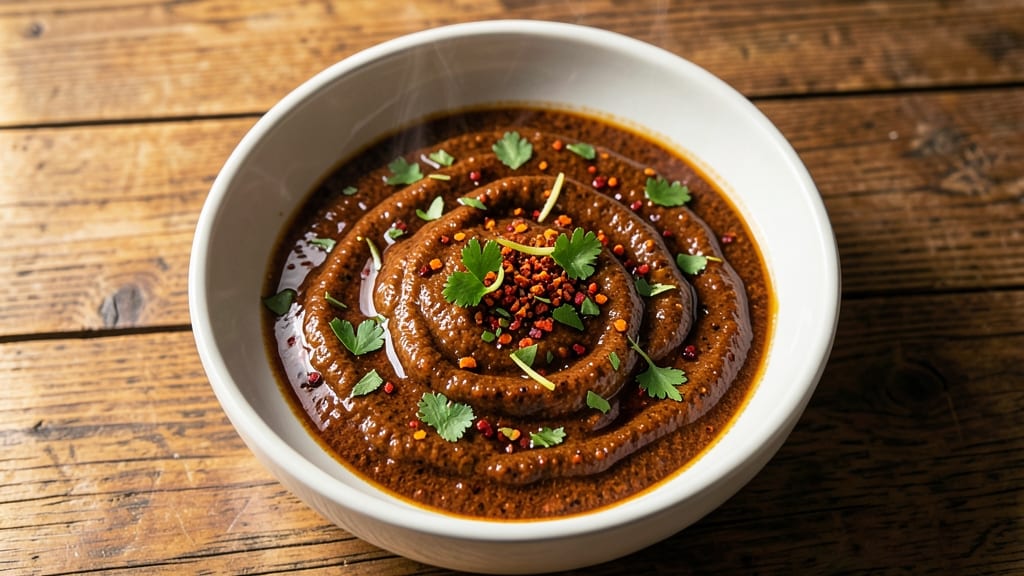
This Argentinian steak sauce recipe transforms every bite of grilled meat into a smoky, herbaceous masterpiece. The secret lies in fresh parsley, bold oregano, and a touch of smoked paprika that creates that signature chimichurri depth.
Unlike heavy creamy sauces, this vibrant green paste delivers bright, tangy flavor that cuts through rich steak without overpowering it.
What sets this recipe apart is the balance of acidity and heat—red wine vinegar brightens while crushed red pepper adds subtle warmth. The sauce comes together in minutes with just 8 ingredients, yet develops more complex flavor the longer it sits.
I've perfected this version to stay fresh for up to a week in the fridge, ready to elevate any grilled protein.
The result is a sauce that's equally at home on grilled skirt steak, lamb chops, or even roasted vegetables. Each herb is finely chopped for maximum flavor infusion, while the olive oil base ensures it clings beautifully to every bite.
This isn't just a sauce—it's the finishing touch that turns good meat into unforgettable dining.
For best results, let the sauce rest for at least 30 minutes before serving to allow flavors to meld completely. The vibrant green color alone makes it irresistible, but it's the perfect harmony of herbs, vinegar, and smoky spices that makes this sauce truly special.
Ingredients for argentinian steak sauce
Eight vibrant ingredients blend into this Argentinian sauce that transforms grilled meat into unforgettable bites.
| Ingredient | Amount | Notes |
|---|---|---|
| Fresh Parsley Leaves 🌿 | 1 cup | Tightly packed, stems removed |
| Fresh Oregano Leaves 🌿 | ½ cup | Or 1 tbsp dried oregano |
| Smoked Paprika 🌶️ | 1 tbsp | For authentic chimichurri depth |
| Crushed Red Pepper 🌶️ | ½ tsp | Adjust for heat preference |
| Red Wine Vinegar 🍷 | ½ cup | Bold, dry variety preferred |
| Extra-Virgin Olive Oil 🫒 | ¾ cup | High-quality, fruity preferred |
| Garlic Cloves 🧄 | 4 cloves | Peeled, finely minced |
| Kosher Salt 🧂 | 1 tsp | Diamond Crystal preferred |
The parsley and oregano are the heart of this sauce—fresh is non-negotiable for that bright, herbaceous flavor. Latin markets or specialty stores often carry the best oregano, but the grocery store's fresh parsley works fine. For smoked paprika, Penzeys or La Boîte offer the most authentic varieties. The red wine vinegar should be bold and dry (think Bartles & Jaymes or Annie's—avoid the sweet cooking vinegars). If you can't find fresh oregano, dried works at one-third the amount, but the texture won't be as lush.
No red wine vinegar? White wine vinegar or apple cider vinegar will work in a pinch, though the flavor profile shifts slightly. The olive oil matters here—use something fruity and high-quality (like California Olive Ranch or Colavita), not the cheap bottled stuff. For garlic, roast it first if you're sensitive to raw garlic's bite—toss peeled cloves in olive oil and roast at 400°F for 10 minutes. The crushed red pepper can be omitted entirely if you prefer no heat, or doubled if you want extra kick. The salt should be Diamond Crystal or Morton kosher—table salt is too harsh here.
This sauce keeps beautifully—up to 1 week in the fridge if stored in an airtight jar with a thin layer of olive oil on top to preserve freshness. For longer storage, freeze in ice cube trays for up to 3 months. The flavors actually improve after resting for 30 minutes to 2 hours, so plan ahead. A little goes a long way—start with 1-2 tablespoons per serving and adjust to taste. The vibrant green color fades slightly over time, but the flavor stays bold.
Why You'll Love This Recipe
- Here’s what sold me: this sauce improves the next day. The flavors meld even better, and it keeps for weeks in the fridge. I make a big batch, store it in a jar, and suddenly I’ve got a flavor bomb ready for any last-minute dinner. Budget-friendly? Absolutely. Time-saving? Even more so.
- Pantry to Plate Fast: I’ll be real—this sauce comes together in five minutes while your steak sears. No chopping, no waiting, just toss those fresh herbs, smoked paprika, and vinegar into a bowl, give it a stir, and boom. That’s it. The crushed red pepper adds just enough kick without needing a scale or fancy tools.
- Herb-Packed Punch: Honestly, the combo of parsley and oregano here is chef’s kiss. The parsley keeps it bright, while the oregano adds that earthy depth that makes every bite taste like you slaved over it. The smoked paprika? That’s the secret—it gives it this smoky warmth that sticks to the steak like a second skin.
- Weeknight or Weekend Star: Between us, this sauce is my go-to for everything—grilled steak on a Tuesday, charcuterie boards on Saturday, or even drizzled over fries when I’m feeling lazy. It’s not just for meat; toss it on roasted veggies or eggs, and suddenly breakfast feels like a fiesta.
Step-by-step instructions for smoky chimichurri with bold oregano heat
This vibrant Argentinian sauce delivers intense herby flavor with minimal effort—perfect for steak lovers.
Finely Chop the Fresh Herbs
In a large mixing bowl, combine the 1 cup fresh parsley leaves and 0.5 cup fresh oregano leaves. Using a sharp chef's knife, chop them into an extremely fine texture—almost like a paste. I like to work in batches, pressing the knife down firmly to create a fine, even chop. The goal is to maximize surface area so the herbs release their full flavor into the sauce.
If using dried oregano as a substitute, measure out 1 tablespoon and add it directly to the bowl with the parsley. The dried herb will need less chopping, but still give it a quick pulse in a food processor to break up any clumps. The fresh herbs should look like confetti when you're done—this ensures a smooth, cohesive sauce rather than chunky bits.
Toast the Spices and Garlic
Heat a dry skillet over medium heat. Add the 4 cloves peeled garlic and the 1 tablespoon smoked paprika, stirring constantly for 1-2 minutes until the garlic becomes fragrant and the paprika deepens in color. You'll see the garlic cloves soften slightly and the paprika develop a rich, nutty aroma—this step builds the sauce's smoky depth.
Remove the skillet from heat and immediately transfer the toasted garlic and spices to your mixing bowl with the chopped herbs. Let them cool for 2-3 minutes before proceeding. This brief toasting enhances the garlic's sweetness and intensifies the paprika's smoky notes, which are essential for authentic chimichurri flavor. Don't skip this step—it makes all the difference.
Whisk in Vinegar and Olive Oil
Pour the 0.5 cup red wine vinegar into the bowl and use a fork to break up any herb clumps. Then, very slowly drizzle in the 0.75 cup extra-virgin olive oil while whisking continuously. This gradual addition prevents the sauce from becoming oily and ensures even emulsification. The vinegar will initially look separate, but keep whisking—it will eventually incorporate completely.
Add the 0.5 teaspoon crushed red pepper and 1 teaspoon kosher salt, then whisk vigorously for 1-2 minutes until the sauce becomes smooth and glossy. The texture should be like a thick, vibrant green pesto. If it looks too thick, add 1-2 teaspoons of water to reach your preferred consistency. The sauce should coat the back of a spoon but still be pourable.
Rest and Adjust Seasoning
Cover the bowl with plastic wrap and let the chimichurri rest at room temperature for at least 30 minutes. This resting period allows the flavors to meld together and the vinegar to fully mellow. I often make this sauce a day ahead—it actually tastes better after resting as the flavors deepen and intensify.
After resting, give the sauce one final taste and adjust the seasoning if needed. You might want to add a pinch more salt or a splash of vinegar to balance the flavors. The sauce should be bright, herby, and slightly tangy with a subtle smoky heat. Serve immediately over grilled steak or store in an airtight container in the refrigerator for up to 5 days. The flavor only improves with time!
Pro Tips For Making Argentinian Steak Sauce
- Toast the Spices First: Heat your smoked paprika and crushed red pepper in a dry pan for 30 seconds until fragrant—this deepens their flavor and cuts through the vinegar’s sharpness. I learned this the hard way after making sauce that tasted flat; the extra step makes a real difference, even if it feels like overkill.
- Pulse Herbs, Don’t Chop: Use a food processor to pulse parsley and oregano into tiny bits instead of chopping by hand—it distributes the greens more evenly and keeps the sauce vibrant. (Yes, even if you’re impatient like me, this saves time and prevents clumps.)
- Reduce Vinegar Slowly: Simmer the red wine vinegar on low heat for 2–3 minutes after adding it to the sauce—this softens its bite without turning the sauce bitter. I used to just dump it in, and the result was always too harsh.
- Finish with Cold Butter: Stir in 1 tablespoon of cold butter at the very end to mellow the heat and add richness—it coats the sauce and makes it cling better to steak. (Your future self will thank you for this, I promise.)
Flavor customization for argentinian steak sauce
Herb Variations
Swap out oregano for cilantro (½ cup) and add mint leaves (¼ cup) for a Middle Eastern-inspired twist—this works beautifully with lamb or grilled chicken. For a Mediterranean touch, replace oregano with thyme (1 tbsp) and add rosemary (1 tbsp finely chopped).
Both variations keep the bright, herby profile while introducing new flavor dimensions. 🌿
Spice Level Control
Adjust heat to your preference: reduce crushed red pepper to ¼ tsp for mild, or increase to 1 tsp for fiery. For a smoky kick without heat, replace red pepper with ½ tsp ground cumin or ½ tsp chipotle powder.
I often keep the original ½ tsp for balanced heat that complements steak perfectly.
Acidity Adjustments
Swap red wine vinegar for lemon juice (¼ cup) for a fresher, citrus-forward sauce—ideal for seafood or grilled vegetables. For a sweeter profile, replace ¼ cup of vinegar with honey or agave. The original ½ cup vinegar provides the classic tangy brightness that cuts through rich meats.
Oil Alternatives
Use avocado oil (same quantity) for a neutral base that won’t compete with the herbs. For nutty depth, replace ¼ cup of olive oil with walnut oil—just be mindful it has a lower smoke point.
The original extra-virgin olive oil remains my top choice for its fruity complexity that enhances the herbs.
Umami Boosters
Add 1 tsp soy sauce or 1 tsp fish sauce for deeper savory notes—especially great with beef or pork. For a vegetarian option, stir in 1 tsp miso paste after resting. These additions work best when added just before serving to preserve the sauce’s freshness.
Texture Variations
For a chunkier texture, pulse herbs in a food processor for 2-3 seconds instead of chopping finely. For a smoother sauce, blend all ingredients (except oil) until silky, then whisk in oil gradually. The original fine chop creates the signature chimichurri texture that clings beautifully to meat.
Nutrition facts
Frequently asked questions
Can I make this Argentinian sauce without fresh oregano?
Yes! Use 1 tablespoon dried oregano instead of fresh, but reduce the amount by one-third since dried herbs are more concentrated. For best results, pulse the dried oregano in a food processor to break up any clumps before mixing with other ingredients. The texture won't be as lush, but the flavor will still be strong and authentic.
How do I prevent the sauce from separating?
Whisk continuously when adding olive oil to emulsify the mixture properly. If it starts separating, simply whisk vigorously again or add 1 teaspoon of water to help re-blend the ingredients. The key is patience—don't rush the whisking process. A food processor can also help if you prefer a smoother texture.
What's the best way to store leftover sauce?
Transfer to an airtight container and press a thin layer of olive oil on top to preserve freshness. It keeps well in the fridge for 5-7 days. For longer storage, freeze in ice cube trays (up to 3 months) and thaw in the fridge before using. The flavor actually improves over time as the herbs mellow!
Can I use this sauce on foods other than steak?
This versatile sauce works beautifully on grilled chicken, lamb chops, roasted potatoes, or even as a dressing for salads. The bright herby flavors complement seafood too—try it with grilled shrimp or scallops. For vegetarian options, drizzle over roasted vegetables or use as a marinade for tofu.
Why does my sauce taste bitter?
Bitter flavor usually comes from over-toasting the garlic or using too much dried oregano. For next time, toast garlic for just 1-2 minutes until fragrant but not browned. If using dried herbs, reduce quantities by half. A splash of lemon juice or extra vinegar can also help balance the bitterness in existing sauce.