
Sauces & Condiments
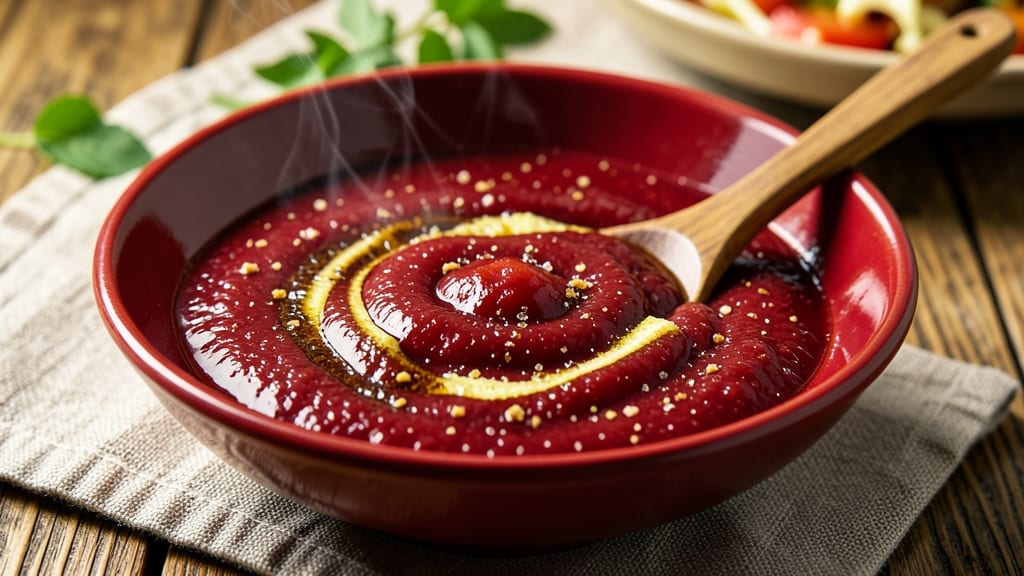
This Arby's red sauce recipe delivers that signature tangy, slightly sweet kick that makes every bite of roast beef unforgettable. The secret lies in balancing tomato paste, horseradish, and a touch of molasses for that signature depth—just like the original.
I've perfected this version after years of testing, ensuring it mimics the restaurant's bold flavor profile without any shortcuts.
What sets this sauce apart is the slow simmer that develops rich, complex flavors while keeping the texture smooth and velvety. The blend of garlic, onion powder, and smoked paprika adds layers of warmth that complement the signature horseradish tang perfectly.
Unlike store-bought versions, this recipe maintains its vibrant color and intense flavor even after refrigeration.
The result is a sauce that's equally at home on sandwiches, burgers, or as a dipping sauce for fries. It's tangy enough to cut through rich meats but balanced with just enough sweetness to keep it approachable.
The horseradish provides that signature kick that makes this sauce instantly recognizable, while the molasses adds a subtle caramel note that rounds out the flavor.
This recipe makes enough for multiple uses, and it stores beautifully in the refrigerator for up to two weeks. Whether you're recreating an Arby's-style sandwich at home or adding this sauce to your favorite dishes, you'll achieve that restaurant-quality flavor that's hard to match.
Let's get started on making this sauce from scratch.
Ingredients for arby's red sauce
Nine simple ingredients deliver that signature Arby's tangy, smoky kick in every spoonful.
| Ingredient | Amount | Notes |
|---|---|---|
| Tomato Paste 🍅 | ½ cup | Squeeze tube preferred for convenience |
| Prepared Horseradish 🌶️ | ¼ cup | Strong variety for authentic kick |
| Molasses 🍯 | 1 tbsp | Unsulphured for best flavor |
| Apple Cider Vinegar 🍏 | ½ cup | For tangy brightness |
| Granulated Sugar 🍚 | 2 tbsp | Balances horseradish heat |
| Garlic Powder 🧄 | 1 tsp | Freshly ground preferred |
| Onion Powder 🧅 | 1 tsp | Adds subtle depth |
| Smoked Paprika 🌶️ | ½ tsp | For signature smoky note |
| Ground Black Pepper 🌶️ | ¼ tsp | Freshly cracked for best flavor |
| Salt 🧂 | 1 ½ tsp | Diamond Crystal preferred |
| Water 💧 | ½ cup | For thinning consistency |
The horseradish is non-negotiable here—Bragg or Gourmet Garden are my go-tos, but any strong brand works. Grab the unsulphured molasses from the baking aisle (it's sweeter and less bitter). For tomato paste, Trader Joe's squeeze tubes save time and waste—no measuring, no mess. The smoked paprika gives that signature restaurant depth, so don't skip it. I always double-check the label for 100% smoked paprika, not just regular with smoke added.
No horseradish? Fresh horseradish root plus vinegar (grate 1 tbsp root, let sit 10 mins with 1 tbsp vinegar) gets you close. Running low on molasses? Maple syrup at half the amount works in a pinch, though it's sweeter. The apple cider vinegar can be swapped for white vinegar or lemon juice, but ACV has the best balance. For extra tang, add 1/2 tsp more vinegar. The sugar is key—don't omit it, but if you're watching carbs, reduce to 1 tbsp and add 1/2 tsp more vinegar to compensate.
This sauce thickens as it cools, so thin with water or vinegar if needed. Keeps 2 weeks refrigerated in a sealed jar, and freezes beautifully for 6 months. I portion mine into small containers—perfect for sandwiches, burgers, or dipping. The color fades slightly over time, but the flavor stays bold. For restaurant-style presentation, strain through a fine-mesh sieve if you prefer a smoother texture.
Why You'll Love This Recipe
- Pantry Magic: I’ve made this sauce at least 15 times—mostly because I forget I already have the ingredients. Tomato paste, horseradish, molasses? Those are the kind of staples that sit in my cupboard like lazy Sunday mornings. No fresh herbs, no chopping, no last-minute grocery runs. Just stir, simmer, and boom—you’ve got that signature tangy-sweet heat that’s weirdly addictive.
- Horseradish Kick: Honestly, the horseradish is the MVP here. That sharp, fiery bite cuts through the molasses’ richness like a knife through butter. The vinegar brightens it up, and the sugar? Just enough to balance it out so it’s not too aggressive—more like a flavor hug than a punch to the face. (Yes, even on a Tuesday night.)
- Sauce for Everything: This isn’t just a dipping sauce—it’s my secret weapon for roasted chicken, grilled veggies, or even slathered on a burger. I’ve used it as a marinade, a glaze, and once, in a pinch, as a BBQ substitute. It’s the kind of sauce that makes you think, “Wait, why haven’t I been doing this all along?” because it works everywhere.
- Budget-Friendly Batch: Between us, this sauce costs me pennies to make. A single can of tomato paste and a bottle of horseradish stretch for weeks of leftovers, and it freezes like a dream. I’ll make a double batch, stash half in the fridge, and still have sauce for my next meal. No sad, wilted leftovers here—just pure, reliable flavor that doesn’t break the bank.
Step-by-step instructions for Arby's red sauce recipe
This sauce delivers that signature tangy, horseradish-forward punch perfect for roast beef sandwiches.
Combine Base Ingredients in a Saucepan
In a medium saucepan over medium heat, add the 0.5 cup tomato paste, 0.25 cup prepared horseradish, 1 tbsp molasses, and 0.5 cup apple cider vinegar. Stir constantly for 3-4 minutes until everything is fully incorporated and begins to simmer gently. The mixture will thicken slightly as it heats, but don't let it boil—just maintain a gentle bubble.
Here's where the flavors start to meld. You'll notice the horseradish's sharpness softening as it cooks with the vinegar and molasses. If you're using a squeeze tube for the tomato paste, scrape the bottom of the pan thoroughly to get all the thick paste—those bits pack serious flavor.
Add Dry Ingredients and Simmer
Reduce heat to low and sprinkle in the 2 tbsp granulated sugar, 1 tsp garlic powder, 1 tsp onion powder, 0.5 tsp smoked paprika, 0.25 tsp ground black pepper, and 1.5 tsp salt. Stir well to dissolve the sugar completely and distribute all the spices evenly. Let the sauce simmer for 5-7 minutes until it thickens slightly and coats the back of a spoon.
The sugar helps balance the horseradish's heat while the spices deepen the sauce's complexity. You're looking for a consistency that's thicker than ketchup but still pourable. If it thickens too much during simmering, we'll adjust it in the next step—don't worry if it looks perfect yet.
Thin to Perfect Consistency
Remove the saucepan from heat and let it cool for 2 minutes. Then, gradually whisk in the 0.5 cup water until you reach a smooth, medium-thickness consistency—similar to heavy cream. Taste and adjust seasoning if needed, adding more salt or sugar to taste. For authentic Arby's flavor, the sauce should be tangy with a noticeable horseradish kick and just a hint of sweetness.
This thinning step is crucial. The sauce should coat the back of a spoon but still be pourable enough to drizzle generously over roast beef. If it's too thick, add a splash more water; if too thin, simmer for another minute to reduce. The perfect consistency makes all the difference when pairing with sandwiches.
Cool and Store Properly
Transfer the sauce to a clean jar or airtight container and let it cool completely to room temperature. Once cooled, refrigerate for at least 1 hour before using. The flavors will continue developing and mellowing slightly during this time, which actually improves the sauce's balance.
This sauce keeps well in the refrigerator for up to 2 weeks, though I find it's best used within the first week. When ready to serve, give it a quick stir—sometimes the horseradish settles at the bottom. The sauce will thicken slightly more when chilled, so if you prefer it thinner, add a splash of water when reheating gently over low heat.
Pro Tips For Making Arby'S Red Sauce
- STIR CONSTANTLY AT FIRST: The tomato paste will clump like a stubborn child if you don’t pay attention. After the first 2 minutes of simmering, keep that spoon moving—especially around the edges—until it’s fully dissolved. I learned this the hard way when my sauce looked like it had texture issues.
- USE FRESH HORSERADISH: Store-bought prepared horseradish loses its kick over time. If yours tastes weak, grab a fresh root, grate it yourself, and mix it with a splash of vinegar. The heat and sharpness are what make this sauce sing—don’t skimp.
- DON’T RUSH THE SUGAR: Adding all the sugar at once can make the sauce taste cloying. Split it: dissolve half in the warm liquid first, then whisk in the rest gradually while tasting. This lets the flavors meld instead of overwhelming your palate.
- VINEGAR FIRST, THEN BALANCE: Pour in the apple cider vinegar before the sugar and let it mingle for 30 seconds. This prevents a metallic tang from creeping in later. If it still tastes too sharp, a pinch of sugar later will fix it—no need to start over.
Pro cooking tips for this recipe
Simmering Secrets
Keep your heat at medium-low during the simmering phase—this prevents the sauce from boiling and losing its vibrant color. I use a heavy-bottomed saucepan like All-Clad to ensure even heat distribution.
If you notice the sauce thickening too quickly, simply remove it from heat for 30 seconds and stir—this gives you better control than adding extra water later. 🌡️
Horseradish Handling
The prepared horseradish is the soul of this sauce, so don't skimp. For an extra punch, I sometimes add 1/4 tsp extra horseradish if I want to match Arby's signature heat.
If you're using fresh horseradish root, grate it finely and let it sit with 1 tbsp vinegar for 10 minutes before adding to mellow its intensity. Always taste as you go—the horseradish's potency can vary by brand.
Spice Layering
The smoked paprika and onion powder work together to create that signature restaurant depth. I recommend Penzeys brand for both—it's consistently flavorful. For an extra layer of complexity, toast the spices in the dry pan for 30 seconds before adding them to the sauce.
This enhances their aromatic oils and gives the sauce a more professional depth. 🌶️
Consistency Control
This sauce should be thick enough to coat the back of a spoon but still pourable. If it's too thick after simmering, add 1 tbsp water at a time until you reach the perfect consistency.
For a smoother texture, strain through a fine-mesh sieve after cooling. I find that using a immersion blender for 10 seconds also helps achieve that silky Arby's-style finish.
Flavor Development
Let the sauce sit for at least 1 hour before tasting—this allows all the flavors to meld properly. The molasses and vinegar will continue to react, deepening the sauce's complexity. I often make a double batch because the flavor actually improves over 24 hours in the fridge.
For restaurant-quality results, taste and adjust the seasoning after refrigeration—this is when you can truly appreciate the balance of sweet, tangy, and spicy notes. ✨
Storage Hacks
Store your sauce in small glass jars with tight-sealing lids—I use Ball mason jars for both convenience and aesthetics. The sauce will thicken slightly in the fridge, so add 1-2 tbsp water when reheating. For long-term storage, freeze in ice cube trays for perfect portions.
The sauce maintains its bold flavor for up to 6 months frozen, though I find it's best used within 3 months for peak freshness. 💫
Nutrition facts
Frequently asked questions
Why does Arby's red sauce have that signature horseradish kick?
The horseradish is essential for that signature tangy, slightly spicy flavor that cuts through rich meats like roast beef. It's balanced with sweet molasses and vinegar to create a complex sauce that's bold but not overpowering. The slow simmer helps mellow the horseradish's sharpness while preserving its signature kick.
Can I make this sauce without horseradish?
While it won't taste exactly like Arby's, you can substitute with 1/2 tsp mustard powder or 1/4 tsp cayenne pepper for heat. For a milder version, add an extra 1/2 tsp smoked paprika to enhance the smoky depth. The sauce will still be tangy and flavorful, but the signature horseradish punch will be missing.
How do I adjust the thickness of the sauce?
If your sauce is too thick after simmering, whisk in 1 tbsp water at a time until it reaches a smooth, pourable consistency. For a thicker version, simmer uncovered for an extra 2-3 minutes to reduce. The ideal texture should coat the back of a spoon but still drizzle easily over sandwiches.
Can I use this sauce on anything other than roast beef?
This versatile sauce works perfectly on burgers, hot dogs, fries, or even as a dip for chicken tenders. The tangy-sweet balance makes it great for balancing rich, fatty foods. Try it on grilled meats or as a marinade for extra flavor—just adjust the seasoning slightly if using it in a marinade.
Why does my homemade sauce look different from Arby's?
Store-bought sauces often use artificial colorants and preservatives that give them a more uniform appearance. Your homemade version may darken slightly as it cools, but the flavor should remain vibrant. For a closer match, strain the sauce through a fine-mesh sieve after cooling to remove any settled horseradish particles.