
Sauces & Condiments
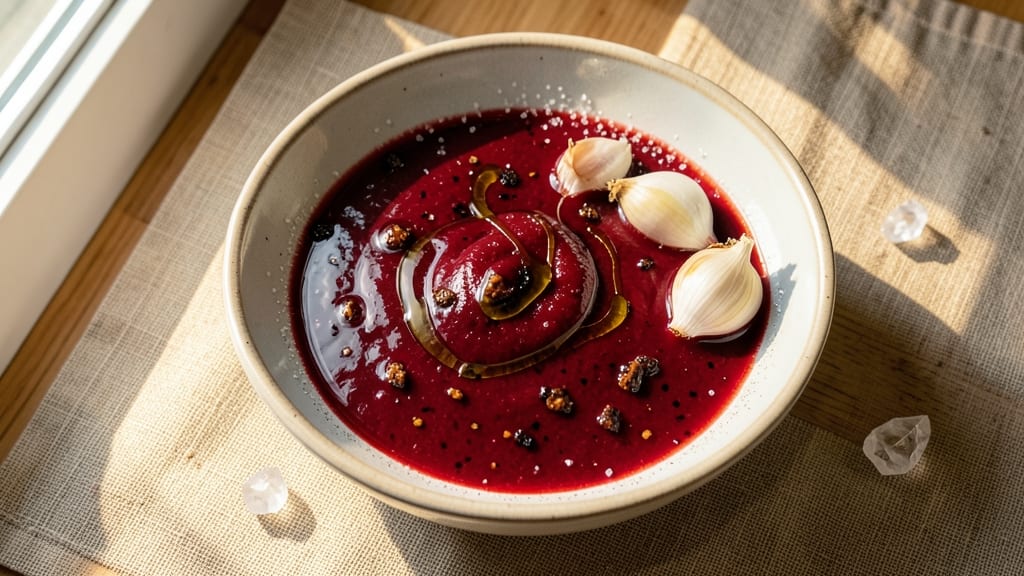
This arbol chili sauce recipe delivers the perfect balance of smoky depth and fiery heat without a single burnt note. The secret lies in slow-cooking arbol chilis with vinegar and garlic until they release their natural oils, creating a silky, versatile sauce that elevates everything from tacos to grilled meats.
What sets this apart is the absence of charring—just pure, concentrated chili flavor that builds gradually with each use.
The process is straightforward but precise: toast the chilis until fragrant, then simmer them with vinegar, garlic, and a touch of oil until they soften into a smooth, velvety consistency.
The result is a sauce with complex layers—smoky from the chilis, tangy from the vinegar, and aromatic from the garlic—without overpowering bitterness. This isn’t just a condiment; it’s a flavor multiplier that transforms simple dishes into something extraordinary.
Use it as a dipping sauce for crispy fries or wings, a marinade for grilled chicken, or a topping for roasted vegetables and tacos. The sauce keeps well in the refrigerator for up to two weeks, allowing you to build a stash for quick flavor boosts.
Adjust the heat by adding more chilis or diluting with extra vinegar—this recipe gives you control over the intensity while maintaining that restaurant-quality depth.
What makes this sauce truly special is its versatility. It works as a finishing touch for soups, a base for cocktails, or even a glaze for seared meats.
The slow-cooking method ensures no burnt flavors, just pure, concentrated chili essence that enhances rather than dominates. Once you try it, you’ll never reach for store-bought again.
Ingredients for arbol chili sauce
Eight ingredients transform into a smoky, velvety sauce that's restaurant-quality at home.
| Ingredient | Amount | Notes |
|---|---|---|
| Dried Arbol Chilis 🌶️ | ½ oz | Whole, stems removed |
| White Vinegar 💧 | 1 ½ cups | Distilled preferred |
| Garlic Cloves 🧄 | 6 whole | Peeled, slightly crushed |
| Extra-Virgin Olive Oil 🫒 | ¼ cup | Light fruity variety |
| Granulated Sugar 🍚 | 1 tbsp | Balances acidity |
| Salt 🧂 | ½ tsp | Diamond Crystal preferred |
| Ground Cumin 🌿 | ½ tsp | Toasted for depth |
| Smoked Paprika 🌶️ | ½ tsp | Adds smoky layer |
Arbol chilis are the star—look for vibrant red, not faded or brittle ones. Mexican markets or specialty stores usually carry them fresh, but dried works too (just toast longer). The vinegar matters too: distilled is sharper than white, but either works. I grab mine in bulk from La Tienda when I can, but the regular grocery store vinegar is fine. Toast the chilis in a dry pan until fragrant—this builds the smoky depth without burning. Don't rush it; let them develop that aroma first.
No arbol chilis? Ancho or guajillo chilis at half the amount work in a pinch, but the heat will be milder. Vinegar substitute? Apple cider vinegar adds subtle sweetness. Want more complexity? Add a pinch of cinnamon or clove. The sugar balances the acid—don't skip it, even if you're not sweet-toothed. For extra smokiness, char the garlic slightly in the olive oil before adding. And if you're worried about heat, reserve some chilis un-toasted to blend in later for control.
This sauce keeps for 2 weeks in the fridge, sealed tightly. The flavors actually improve over time, developing more depth. For longer storage, freeze in ice cube trays—perfect for single-use portions. Reheat gently on low heat, stirring often. If it thickens too much, thin with a splash of vinegar or water. Use within 3 months frozen. The sauce thickens as it cools, so don't over-stir while hot—let it set naturally for that perfect silky texture.
Why You'll Love This Recipe
- Fridge Magic: I keep a jar of this in my fridge at all times—just a handful of dried arbols steeped in vinegar and garlic, simmered until the heat mellows into something bright and tangy. No fresh peppers to chop, no mess, and it lasts for weeks. Honestly, it’s my lazy-day hero.
- Smoky-Sweet Balance: The sugar cuts through the vinegar’s sharpness while the arbols bring that smoky, citrusy kick—like a hug for your taste buds. Toast the garlic in olive oil first? That’s when it gets good.
- Game for Any Meal: Drizzle it over grilled shrimp for a seafood taco night, toss it into scrambled eggs for a breakfast wake-up call, or use it as a marinade for chicken thighs. Between us, it’s the secret I slip into everything when I’m craving a little something extra.
- Pantry Staple: Five ingredients, all shelf-stable except the garlic (and even that lasts). Make a big batch, store it, and forget about it until you need a flavor boost. I’ve had mine sit for months—still packs a punch, still tastes like I care. Budget-friendly? Absolutely.
Step-by-step instructions for arbol chili sauce
Here's how to make a balanced, smoky chili sauce with perfect heat and depth.
Toast the Arbol Chilis and Aromatics
Heat a dry skillet over medium heat and add the 0.5 oz dried arbol chilis, stirring constantly for 1-2 minutes until they darken slightly and release their aroma. This step enhances their natural heat without burning them. Remove the chilis immediately when you see them darken—over-toasting creates bitter, burnt notes that ruin the sauce.
In the same skillet, add the 6 whole garlic cloves and toast for 30 seconds until they turn golden and fragrant. This step develops their sweetness and prevents harsh, raw garlic flavors in the final sauce. Transfer both the toasted chilis and garlic to a bowl and set aside—they're ready for the next stage.
Bloom the Spices in Olive Oil
Return the skillet to medium heat and add the 0.25 cup extra-virgin olive oil. Let it warm for 30 seconds until shimmering but not smoking. Add the 0.5 tsp ground cumin and 0.5 tsp smoked paprika, stirring constantly for 1 minute until the spices release their aromas and the oil becomes fragrant.
This blooming process is crucial—it develops the spices' flavors before they're incorporated into the sauce. If the oil starts to smoke, reduce the heat immediately to prevent burning, which would create bitter undertones in your sauce. The spices should look slightly darkened but not charred.
Simmer the Vinegar and Sugar
Pour in the 1.5 cups white vinegar and bring to a gentle boil over medium-high heat. Add the 1 tbsp granulated sugar and the toasted chilis and garlic, stirring to combine. Reduce heat to medium-low and let the mixture simmer uncovered for 10-12 minutes until slightly reduced by about 25%.
During this time, the vinegar will develop a deeper, more complex flavor as it reduces. You'll notice the sauce darken slightly and become more aromatic. The sugar helps balance the acidity of the vinegar while adding subtle sweetness that rounds out the heat. Stir occasionally to prevent sticking, but don't over-stir—this can create foam.
Finish with Salt and Strain
Remove the sauce from heat and stir in the 0.5 tsp salt. Let it cool for 5 minutes to allow the flavors to meld together. Then, strain the sauce through a fine-mesh sieve into a clean bowl or jar, pressing gently on the solids to extract maximum flavor without making the sauce gritty.
The strained sauce should be a vibrant red-orange color with a smoky, slightly sweet aroma. If you prefer a smoother texture, you can strain it again through a cheesecloth-lined sieve. This sauce keeps well in the refrigerator for up to 2 weeks, making it perfect for batch cooking and adding heat to future dishes.
Pro Tips For Making Arbol Chili Sauce
- STEAM THE CHILIS: Toss dried arbols in a bowl of hot water for 10 minutes before blending—this softens them evenly without breaking into powder. I learned this the hard way after ending up with a gritty, uneven sauce that clung to my teeth.
- TOAST GARLIC LOW: Cook the garlic in olive oil over medium-low heat until golden, not browned—high heat burns it fast and turns bitter. Sounds weird, but it works: the sauce will taste sweeter and less harsh.
- VINEGAR FIRST: Add the white vinegar to the hot oil before the chilies—it pre-dissolves and mellows the acidity as it cooks. Skipping this step means a sauce that tastes sharp and unfinished, even after simmering.
- SUGAR LAST: Stir in the sugar only at the very end, off heat, to preserve its brightness. I used to add it early, and the sauce would taste flat and cooked-down, like a sad salsa. Timing matters.
Dietary considerations for these flavors
Gluten-Free Adaptation
This arbol chili sauce is naturally gluten-free since it relies on vinegar, oil, and spices—no wheat or gluten-containing ingredients are used. However, always double-check your vinegar and smoked paprika labels, as some brands may process them in facilities with gluten.
I use Bragg Organic Apple Cider Vinegar and Simply Organic Smoked Paprika for guaranteed gluten-free results. The sauce is safe for those with celiac disease or gluten sensitivity as long as you verify your ingredients. 💛
Vegan-Friendly Version
The original recipe is already vegan, but if you're concerned about cross-contamination, ensure your olive oil and vinegar are certified vegan. I recommend Primal Kitchen Avocado Oil and Annie's Organic Vinegar for peace of mind.
The sauce pairs perfectly with vegan tacos, roasted vegetables, or plant-based grilled meats. For extra richness, stir in 1 tbsp nutritional yeast after straining—it adds a cheesy, umami depth without dairy.
Low-Sugar Option
If you're watching sugar intake, reduce the 1 tbsp granulated sugar to just ½ tbsp or omit it entirely. The vinegar’s acidity will still balance the heat, though the sauce may taste slightly sharper. For a natural sweetener, add ½ tsp stevia or monk fruit sweetener instead.
I find the sugar helps round out the flavors, but this adjustment works well for keto or low-carb diets. Always taste as you go—adjust to your preference! 🍚
Spice Control Tips
Arbol chilis pack serious heat, so control the intensity by adjusting the amount. For a milder sauce, reduce the chilis to 0.25 oz and add 0.25 oz dried ancho chilis for smokiness without the same kick.
If you love heat, keep the 0.5 oz arbol chilis but reserve 1-2 chilis whole to blend in later—this gives you flexibility to adjust heat after straining. I often make a double batch and keep one version spicier for tacos and the other milder for dipping sauces.
Allergy Considerations
This sauce is free of common allergens like dairy, eggs, and nuts, but always check your garlic and cumin for potential cross-contamination warnings. If you have a garlic allergy, substitute with 1 tsp garlic powder (toasted in the oil for depth).
For those with vinegar allergies, replace the white vinegar with lemon juice**—though the flavor will shift slightly toward tangy rather than sharp. The sauce remains versatile and safe for most dietary restrictions with these simple swaps.
Nutrition facts
Frequently asked questions
Can I use fresh arbol chilis instead of dried?
Fresh arbol chilis are rare but work if you can find them! Use about 2-3 fresh chilis (seeds removed for milder heat) in place of 0.5 oz dried. Slice them thinly and simmer directly with the vinegar for 8-10 minutes until soft. The fresh version will be brighter but less concentrated—adjust to taste with extra vinegar or sugar if needed.
How do I adjust the heat level for kids or sensitive eaters?
For milder heat, reduce the arbol chilis to 0.25 oz and add 0.25 oz ancho chilis for smoky depth without the kick. Alternatively, strain out the chili solids after simmering and blend in reserved toasted garlic for flavor without extra heat. Always taste before serving—this sauce builds heat gradually!
Can I make this sauce without vinegar?
Vinegar is essential for balancing the chili's heat and preserving the sauce, but you can substitute lemon juice (equal parts) for a tangier profile. For a smokier base, use apple cider vinegar instead—it adds subtle sweetness. Avoid distilled white vinegar substitutes like balsamic, as they'll alter the sauce's sharpness and acidity.
What's the best way to use up extra sauce?
This versatile sauce works as a marinade for grilled meats (chicken, shrimp), a dipping sauce for fries or wings, or a topping for tacos and roasted veggies. Freeze extras in ice cube trays for single-use portions—perfect for quick flavor boosts in soups or stir-fries. The sauce also makes an unexpected cocktail ingredient (try it in margaritas or Bloody Marys!).
Why did my sauce turn cloudy or separate?
Cloudiness often means the sauce cooled too quickly or the oil/vinegar ratio was off. Reheat gently on low heat while stirring until smooth. To prevent this, let the sauce cool gradually at room temperature before refrigerating. If it separates, whisk in 1 tsp olive oil or a splash of vinegar to re-emulsify. Always strain properly for the smoothest texture!