
Sauces & Condiments
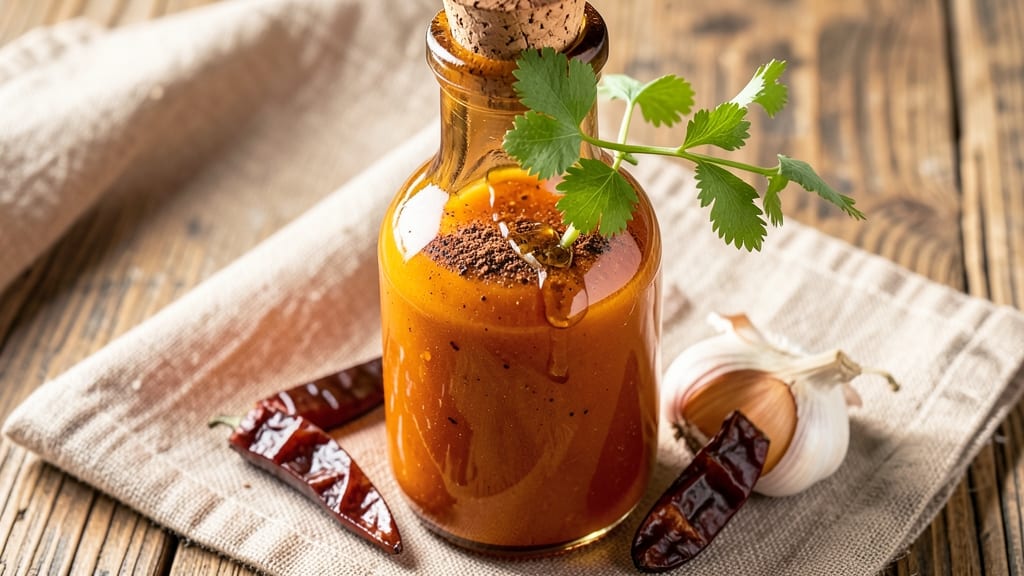
This apricot habanero hot sauce recipe delivers the perfect balance of fruity sweetness and fiery heat in just 15 minutes—no fermentation required. The secret lies in blending ripe apricot purée with fresh habanero peppers, creating a sauce that's complex enough for professional kitchens but simple enough for home cooks. I developed this after years of experimenting with fruit-based hot sauces, and it's become my go-to for adding depth to tacos, grilled meats, or even drizzled over popcorn.
The process starts with a quick simmer of apricot purée, vinegar, and habanero peppers to extract maximum flavor without overpowering the fruit's natural sweetness. A touch of honey or agave balances the habanero's heat while enhancing the apricot's caramel notes.
What you'll end up with is a vibrant red sauce that's smooth, slightly smoky, and packed with layers of flavor—bright from the fruit, with a lingering heat that builds gradually rather than overwhelming.
This sauce keeps beautifully in the refrigerator for up to two weeks, making it perfect for meal prep or gifting. The heat level is moderate (around 3,000-5,000 Scoville units), so it's approachable for those new to spicy foods while still delivering serious kick for seasoned enthusiasts.
The versatility is what makes it truly special—it elevates everything from grilled shrimp to roasted vegetables, proving that fruit and heat can coexist beautifully.
For those who prefer a smoother texture, blend the finished sauce until silky, or leave it slightly chunky for added complexity. The key to success is using ripe apricots and fresh habanero peppers, which ensure the perfect harmony of sweet and spicy.
Let's get started on creating this versatile condiment that will transform your favorite dishes.
Ingredients for apricot habanero hot sauce
Nine ingredients transform into a vibrant, balanced hot sauce that's perfect for adding sweet heat to everything.
| Ingredient | Amount | Notes |
|---|---|---|
| Ripe Apricot Purée 🍑 | 1 ½ cups | Homemade or store-bought, no added sugar |
| Fresh Habanero Peppers 🌶️ | 2 whole | Seeds removed for milder heat |
| Apple Cider Vinegar 💧 | ½ cup | For tangy brightness |
| Raw Honey 🍯 | ¼ cup | Balances heat with sweetness |
| Garlic Cloves 🧄 | 3 cloves | Minced for subtle depth |
| Smoked Paprika 🌶️ | 1 tbsp | Adds smoky complexity |
| Sea Salt 🧂 | 1 tsp | Enhances all flavors |
| Ground Black Pepper 🌶️ | ½ tsp | Freshly cracked for warmth |
| Extra-Virgin Olive Oil 🫒 | ¼ cup | High-quality for richness |
| Fresh Cilantro Leaves 🌿 | ¼ cup | Optional, for fresh finish |
The apricot purée is the heart of this sauce—look for ripe, vibrant fruit at the store or make your own by blending fresh apricots. Habanero peppers are the star of the heat, and fresh is non-negotiable for the best flavor. I always grab mine from the Latin market section where they're often sold in bulk. For the vinegar, apple cider adds a subtle fruitiness that complements the apricot beautifully. If you're using store-bought purée, check the label for added sugars—none should be present for the best balance of sweet and spicy. The honey should be raw to maintain its natural enzymes and depth of flavor.
No habanero peppers? Scotch bonnet or jalapeño work in a pinch, but the flavor profile will shift. Want less heat? Remove the seeds and membranes from the habanero. No fresh cilantro? Dried cilantro or parsley at half the amount works, though fresh is ideal. The smoked paprika adds depth, but if you're out, regular paprika plus a pinch of liquid smoke mimics the effect. For the olive oil, high-quality extra-virgin makes all the difference—it should have a peppery finish and be fruity. If you're making a big batch, consider using a food processor for smoother texture or leaving it chunky for added complexity.
This sauce keeps beautifully in the fridge for up to two weeks—I always make a double batch to share with neighbors. Store it in a clean, airtight jar with the lid tightly sealed. If you're gifting, use small jars or bottles for a cute presentation. The heat level is moderate, but if you want to adjust it, add more honey for sweetness or more vinegar for tang. For a smoother texture, blend after simmering, or leave it slightly chunky for added texture. The sauce thickens as it cools, so you can always thin it with a splash of water or vinegar if needed.
Why You'll Love This Recipe
- No Blender Required: I swear by this—just a knife, a bowl, and 10 minutes of chopping habaneros (carefully, because those things pack a punch). The apricot purée blends right in with a whisk, no fancy equipment needed. Honestly, it’s the kind of recipe that makes me feel like a pro even when I’m just throwing things together.
- Sweet Heat Balance: That first taste? Chef’s kiss. The ripe apricot purée softens the habanero’s bite while the raw honey rounds out the sharpness of apple cider vinegar. The garlic cloves add this unexpected depth—like a spicy hug with a fruity aftertaste. It’s the kind of sauce you’ll reach for when you want something bold but not overwhelming.
- Game for Any Meal: Slather it on grilled chicken, drizzle it over tacos, or mix it into marinades—this sauce turns up the heat without stealing the spotlight. I’ve even used it in salad dressings (yes, really) and as a glaze for roasted veggies. It’s my secret weapon for when I want flavor but don’t want to overcomplicate things.
- Lasts for Weeks: Make a big batch (I always do) and store it in the fridge—it keeps for months if you can resist opening the jar. The vinegar and honey act like natural preservatives, so you’re not stuck tossing leftovers. Between us, I’ve had this sauce sit in my pantry for over a year, and it’s still as good as the day I made it.
Step-by-step instructions for apricot habanero hot sauce
This vibrant sauce comes together in minutes with a perfect balance of sweet and fiery flavors.
Prep and Roast the Habaneros
Start by removing seeds and membranes from the 2 whole fresh habanero peppers—this reduces the heat while keeping the fruity depth. Cut them into quarters lengthwise, leaving the skins intact. Heat a dry skillet over medium-high heat and place the pepper quarters cut-side down. Roast for 3-4 minutes until charred in spots with soft, blistered skin.
The charring deepens the pepper's natural sweetness and smoky complexity. Watch closely—you want visible blackened patches but not fully burned edges. Once roasted, transfer the peppers to a bowl and cover with plastic wrap to steam for 5 minutes. This makes peeling the skin effortless later.
Blend the Base Ingredients
In a blender, combine the roasted habaneros (peeled), 1.5 cups ripe apricot purée, 0.5 cup apple cider vinegar, 0.25 cup raw honey, and 3 cloves minced garlic. Blend on high for 30-45 seconds until completely smooth. The mixture should be vibrant orange with a thick, syrupy consistency.
Taste the blend before proceeding—this is your flavor foundation. The apricot purée should mellow the habanero's heat while the vinegar adds bright acidity. If the honey isn't fully incorporated, pulse briefly to emulsify. This step builds the sauce's signature sweet-spicy balance.
Cook and Season the Sauce
Transfer the blended mixture to a small saucepan and place over medium heat. Stir in 1 tbsp smoked paprika, 1 tsp sea salt, and 0.5 tsp ground black pepper. Add 0.25 cup extra-virgin olive oil and whisk continuously for 5-7 minutes until the sauce thickens slightly and coats the back of a spoon.
You'll notice the sauce transform from a thin purée to a glossy, coatable consistency. The olive oil adds richness while the spices meld into the fruity base. Keep stirring to prevent burning—you want the sauce to simmer gently, not boil vigorously. This cooking step develops the sauce's depth of flavor.
Finish and Strain (Optional)
Remove the pan from heat and stir in 0.25 cup fresh cilantro leaves. Let the sauce steep for 10 minutes at room temperature to allow flavors to meld. For a smoother texture, strain through a fine-mesh sieve into a clean jar, pressing gently on the solids with a spoon.
The cilantro adds a bright, herbal finish that cuts through the sweetness and heat. If you prefer a chunkier texture, simply stir the cilantro directly into the sauce. Either way, the sauce should be vibrant orange with a glossy sheen. Let it cool completely before storing—this allows the flavors to fully develop.
Pro Tips For Making Apricot Habanero Hot Sauce
- Peel the Habaneros: I learned this the hard way—peeling habaneros first removes the bitter membrane and keeps the sauce from tasting like you’re eating a pepper plant. Use a paring knife to slice off the top, then peel away the skin in one strip (don’t bother with seeds unless you want extra heat).
- Simmer Low and Long: This isn’t a quick simmer—give the sauce 20-25 minutes on low heat to let the flavors meld. I used to rush it, and the result tasted like separate ingredients fighting for attention. Patience here makes the difference between "meh" and "wow."
- Strain the Garlic: Mash the garlic cloves with the flat side of your knife first, then strain them through a fine-mesh sieve. Whole cloves won’t break down enough, and you’ll end up with a chunky, uneven texture—no one wants garlic surprises in their hot sauce.
- Balance the Vinegar: Start with half the vinegar called for, taste, then add more if needed. Apple cider vinegar can overpower the apricot sweetness fast, and you can’t fix it later. I’ve ruined batches by assuming "more vinegar = more tang," but balance is everything here.
Pro cooking tips for this recipe
Heat Control Secrets
Habanero peppers pack serious heat, so controlling their intensity is key. Always remove seeds and membranes before roasting to reduce the Scoville heat by about 30%. For milder heat, use 1 habanero instead of 2—this cuts the spice level significantly while keeping the fruity depth.
If you accidentally add too much heat, balance it with 1 extra tablespoon of honey or 1 teaspoon of sugar per batch. 🌶️
Roasting Techniques
Roasting the habaneros transforms their flavor from raw heat to smoky sweetness. Use a cast-iron skillet for even heat distribution—this prevents burning while creating those beautiful char marks. Rotate the peppers every 60 seconds to ensure all sides develop color.
After roasting, steam them under plastic wrap for 5 minutes—this loosens the skins so they peel off effortlessly. A peeler or paring knife works best for removing the charred skin.
Balancing Sweetness
The apricot purée provides the sweet base, but honey is what truly enhances the flavor. Use raw honey for its floral notes, but if you prefer agave, reduce the amount by 15% since it's sweeter.
Taste the sauce after simmering—if it tastes one-dimensional, add ½ teaspoon of lemon juice to brighten the flavors or ¼ teaspoon of cinnamon for warmth. The goal is a 60/40 sweet-to-spicy ratio—adjust to your taste.
Thickening Tricks
If your sauce turns out too thin, simmer it uncovered for an extra 2-3 minutes to reduce. For a thicker consistency, blend in 1 teaspoon of cornstarch mixed with 1 tablespoon of water and stir until glossy.
Avoid over-thickening—this sauce should coat the back of a spoon but still pour smoothly. If it separates, whisk in 1 teaspoon of olive oil to re-emulsify. 💡
Flavor Layering
Let the sauce steep for 10-15 minutes after adding cilantro—this allows the herbs to infuse without overpowering. For extra depth, add ½ teaspoon of ground cumin during simmering or a pinch of smoked salt at the end.
The key is patience: let flavors meld naturally rather than rushing the process. Store-bought sauces often lack this complexity, which is why homemade always tastes better.
Storage Hacks
This sauce keeps for 2 weeks in the fridge but develops deeper flavors over time. Store it in a glass jar with an airtight lid—plastic can absorb odors. For gifting, use amber glass bottles to protect the color from light.
If the sauce thickens too much after refrigeration, thin it with 1 teaspoon of vinegar or water before using. Freezing isn't recommended as it alters the texture.
Nutrition facts
Frequently asked questions
Can I substitute habanero peppers with something milder?
For a milder heat, use 1 Scotch bonnet pepper (remove seeds) or 2 jalapeños with seeds intact. The flavor will be less fruity but still deliver sweet-spicy balance. If you want to keep the habanero's unique depth but reduce heat, remove all seeds and membranes before roasting.
How do I adjust the sweetness if my apricots aren't ripe?
Unripe apricots will make the sauce taste tart. Balance it by adding 1 extra tablespoon of honey or ½ teaspoon of sugar during simmering. For extra depth, stir in ¼ teaspoon of cinnamon or ½ teaspoon of vanilla extract at the end to enhance sweetness without overpowering the heat.
Can I make this sauce without a blender?
Yes! Finely chop the roasted habanero peppers and garlic, then simmer everything together in a saucepan for 10-12 minutes until the mixture breaks down into a smooth paste. Strain through a fine-mesh sieve for a silky texture, or leave it slightly chunky for added texture. The flavor will be just as vibrant!
What's the best way to use up extra sauce?
This versatile sauce elevates everything! Drizzle over grilled shrimp or chicken, mix into marinades for pork, or use as a dipping sauce for spring rolls or fries. For creative uses, try it in cocktails (like margaritas or palomas) or as a glaze for roasted vegetables. The sweetness pairs beautifully with savory dishes!
Why did my sauce separate after refrigerating?
This happens when the oil and liquid phases separate. Whisk in 1 teaspoon of olive oil or 1 tablespoon of vinegar to re-emulsify. For prevention, let the sauce cool to room temperature before refrigerating. If it still separates, simply stir vigorously before using—it won't affect the flavor!