
Sauces & Condiments
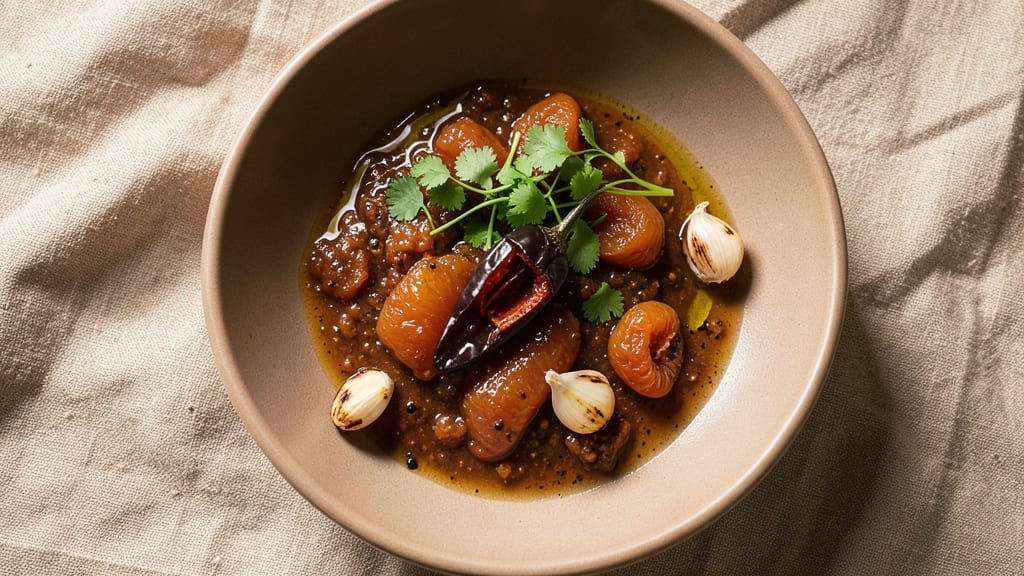
This apricot chipotle sauce recipe transforms grilled meats into unforgettable centerpieces with its perfect balance of smoky depth and fruity sweetness.
The secret lies in simmering dried apricots with chipotle peppers in a tangy broth, creating a sauce that's rich enough for marinades but versatile enough to drizzle over tacos or roasted vegetables.
After years of perfecting this recipe, I've found the right ratio of sweetness to heat—just enough chipotle to add warmth without overpowering the natural fruitiness of the apricots.
The process couldn't be simpler: blend the cooked apricots with chipotle peppers, garlic, and a splash of apple cider vinegar for brightness. Simmering on low heat allows the flavors to meld into a smooth, velvety sauce that coats every bite.
What makes this sauce truly special is its dual nature—it works as a marinade for chicken or pork, infusing the meat with smoky-sweet flavors, or as a finishing sauce that elevates even the simplest grilled vegetables.
By the time you're done, you'll have a sauce that's restaurant-quality but made in your own kitchen—no shortcuts, just layered flavor. The apricots add natural sweetness that balances the smokiness of the chipotle, while the vinegar keeps the sauce bright and tangy.
This isn't just a sauce; it's a flavor transformation that turns ordinary meals into something extraordinary.
Store it in the fridge for up to two weeks, or freeze for longer shelf life. The possibilities are endless—use it as a glaze for roasted meats, a dip for grilled corn, or a bold addition to your favorite BBQ recipes. Let's get cooking!
Ingredients for apricot chipotle sauce
Nine simple ingredients blend smoky heat and fruity sweetness for a sauce that works as marinade or finishing touch.
| Ingredient | Amount | Notes |
|---|---|---|
| Dried Apricots 🍑 | 1 cup | Chopped, unsulfured preferred |
| Chipotle Peppers in Adobo 🌶️ | 4 whole | Adjusted for heat preference |
| Apple Cider Vinegar 🍏 | ¼ cup | For tangy brightness |
| Garlic Cloves 🧄 | 3 cloves | Freshly minced for depth |
| Extra-Virgin Olive Oil 🫒 | ¼ cup | For richness and smoothness |
| Vegetable Broth 💧 | 1 cup | Low-sodium preferred |
| Brown Sugar 🍬 | 2 tbsp | Balances smoky heat |
| Ground Cumin 🌿 | ½ tsp | Enhances smoky warmth |
| Sea Salt 🧂 | ½ tsp | To taste, adjust as needed |
| Fresh Lime Juice 🍋 | 1 tbsp | Brightens at the end |
The dried apricots are the star here—unsulfured if you can find them, but regular works too. Trader Joe's or bulk bins at natural grocery stores usually carry the best quality. Chipotle peppers in adobo are a must; the adobo sauce adds that deep, smoky base. If you're sensitive to heat, start with 3 peppers instead of 4. The apple cider vinegar should be the good stuff—Bragg or Mott's are solid choices. For the garlic, I always grab a head and mince it fresh—it makes a huge difference in flavor.
No dried apricots? Dried peaches or mango work in a pinch, though the flavor will shift slightly. Too much heat from the chipotle? Swap half for mild adobo sauce or reduce the amount. Fresh lime juice is ideal, but bottled works if you're in a hurry—just add a pinch of salt to compensate. The brown sugar can be swapped for honey or maple syrup, but brown sugar gives a deeper caramel note. For extra richness, add a splash of balsamic vinegar with the apple cider. If you're making this ahead, taste and adjust the salt—it's easy to underestimate how much you'll need after simmering.
This sauce keeps beautifully in the fridge for up to 2 weeks, though it tastes even better after a day or two as the flavors meld. For longer storage, freeze in ice cube trays—perfect for single-use portions. When reheating, add a splash of water or broth to loosen it up. I like to keep a jar in the fridge at all times—it elevates everything from grilled chicken to roasted veggies. The sauce also freezes well for up to 6 months, though the texture might thicken slightly. Just stir in a little water when you're ready to use it.
Why You'll Love This Recipe
- Five-Ingredient Magic: I swear, this sauce comes together with ingredients you’re probably already using—no fancy shopping required. Soak those dried apricots in hot water for 10 minutes while you chop garlic (seriously, that’s it), then blend with chipotle, vinegar, and olive oil. The kind of recipe where you forget how little effort went into something so good.
- Sweet Heat Balance: That first bite? Smoky, fruity, with just enough kick to wake up your taste buds. The apricots soften into jammy sweetness while the chipotle adds deep, lingering warmth—no sugar crash, no overwhelming spice. Honestly, it’s the kind of sauce that makes you pause mid-bite and think, “Wait, why don’t I do this more?”
- Glazes Everything: Toss it on grilled chicken, drizzle over roasted veggies, or slather it on sandwiches—it’s my go-to for weeknight dinners and weekend BBQs. Even my picky-eating teen asks for seconds when it’s on his tacos. Between us, it’s also the star of my lazy Sunday brunch (yes, even on pancakes).
- Leftovers That Shine: This sauce actually improves after a day in the fridge—flavors meld, and the sweetness deepens. I make a double batch on Sundays, stash it in jars, and use it all week. Budget win? The dried apricots and chipotles stretch far, and you’ll never overbuy olive oil again. (Yes, even on a Tuesday night.)
Step-by-step instructions for apricot chipotle sauce
This smoky-sweet sauce comes together with simple steps—just watch for those flavor-building moments.
Rehydrate the Dried Apricots
Place the 1 cup dried apricots in a medium bowl and cover them with 1 cup vegetable broth. Let them soak for 15 minutes at room temperature. You'll see them plump up and soften—this is your signal they're ready. After soaking, drain any excess liquid but keep it nearby; we'll use it later to balance the sauce.
While the apricots soak, open the 4 whole chipotle peppers in adobo and remove the stems and seeds. This reduces the heat while keeping the smoky depth. Cut them into small pieces and set aside. The adobo sauce itself is packed with flavor—we'll use it later to build the base.
Build the Sauce Base
In a medium saucepan, combine the drained apricots, 0.25 cup apple cider vinegar, 2 tbsp brown sugar, 0.5 tsp ground cumin, and 0.5 tsp sea salt. Stir well to distribute the spices evenly. Bring the mixture to a gentle simmer over medium heat, then reduce the heat to low and let it cook for 5 minutes, stirring occasionally.
Here's where the magic happens: the vinegar brightens the apricots, the sugar caramelizes slightly, and the cumin deepens the smoky warmth. You'll notice the sauce thicken just a bit and the aroma become rich and complex. If it starts to stick, add 1-2 tablespoons of the reserved apricot soaking liquid to keep it smooth.
Incorporate the Chipotle and Aromatics
Add the chopped chipotle peppers and 3 cloves freshly minced garlic to the saucepan. Stir everything together and let it simmer for another 3-4 minutes until the garlic is fragrant and the chipotles are fully integrated. The sauce should now have a deep, smoky aroma with a touch of sweetness.
This is the moment to taste and adjust. If the sauce feels too thick, add another splash of the reserved soaking liquid. If it needs more brightness, a pinch of salt or a drizzle of vinegar can help balance the flavors. The goal is a smooth, velvety texture with a perfect harmony of sweet, smoky, and tangy notes.
Finish with Olive Oil and Lime
Remove the saucepan from heat and let it cool slightly for 2 minutes. Then, slowly drizzle in the 0.25 cup extra-virgin olive oil while whisking continuously. This emulsifies the sauce, giving it a luxurious, glossy finish. The olive oil also mellows out the heat from the chipotles while adding richness.
Finally, stir in the 1 tbsp fresh lime juice. This last step brightens the entire sauce, cutting through the smokiness and sweetness with a refreshing zing. Taste again and adjust the seasoning if needed—perhaps a pinch more salt or a splash more lime juice to hit that perfect balance.
Rest and Serve
Let the sauce rest for 10 minutes at room temperature. This allows all the flavors to meld together seamlessly. The sauce will thicken slightly as it cools, so if you prefer it thinner, simply whisk in a little water or reserved soaking liquid.
Now it's ready to use! This versatile sauce pairs beautifully with grilled meats, roasted vegetables, or even as a glaze for tofu. Store any leftovers in an airtight container in the refrigerator for up to 5 days, or freeze for up to 3 months. The flavors only deepen over time, so don't hesitate to make extra.
Pro Tips For Making Apricot Chipotle Sauce
- SOAK THE APRICOTS LONG: Dried apricots need at least 15 minutes in hot water to soften properly—don’t rush this. I used to skip it, and the sauce ended up grainy and uneven. Trust me, the texture makes a real difference.
- STRAIN THE ADOBO SAUCE: Chipotle peppers in adobo come with a thick, salty sauce that can muddy your sauce. Strain it through a fine-mesh sieve before using—it’s the thing that matters most for a clean, balanced flavor.
- TOAST THE GARLIC LOW: Sauté those garlic cloves in olive oil over medium-low heat until golden, not brown. I learned this the hard way—burnt garlic turns the sauce bitter, and no one wants that smoky overkill.
- SIMMER GENTLY: Let the sauce bubble at a low simmer, not a rolling boil, for 10-15 minutes. High heat can make the apricots split and turn the sauce into a mushy mess—keep it steady, and you’ll get a smooth, glossy finish.
Creative variations of apricot chipotle sauce
Sweet Heat Fusion
This sauce thrives on the contrast between apricot's natural sweetness and chipotle's smoky heat. For a milder version, reduce chipotle peppers to 2-3 and add 1 extra tbsp brown sugar to balance.
If you crave extra heat, swap 1 tbsp of the adobo sauce (from the can) for the reserved soaking liquid—it packs concentrated smokiness. 🌶️
Global Twists
For a Mexican-inspired twist, stir in 1 tsp ground coriander and ½ tsp cinnamon while simmering. The warm spices complement the chipotle beautifully.
For an Asian fusion, add 1 tsp grated ginger and 1 tbsp soy sauce—it transforms the sauce into a glaze for grilled shrimp or tofu. 🌏
Vegetarian Adaptations
Make this sauce nut-free by omitting the olive oil and replacing it with ¼ cup tahini for creaminess. For a vegan version, ensure your broth is vegetable-based and use maple syrup instead of brown sugar. The flavors remain rich and balanced without animal products. 🌱
Sweet-Savory Balance
Need more depth? Swap ½ cup of the vegetable broth for apple juice—it enhances the apricot's sweetness while keeping the sauce light. For a tangier profile, add 1 tsp Dijon mustard at the end. The mustard adds complexity without overpowering the smoky-sweet base. 🍏
Storage Hacks
For longer shelf life, freeze the sauce in ice cube trays—perfect for single-use portions. Thaw overnight in the fridge, then stir in 1 tsp water to restore smoothness. If the sauce thickens after refrigeration, whisk in 1-2 tbsp water or broth to reach your desired consistency. ❄️
Serving Ideas
Drizzle over grilled chicken or pork for a sticky, smoky glaze. Use as a dipping sauce for spring rolls or grilled corn. For a dessert twist, reduce the chipotle to 1-2 peppers and drizzle over vanilla ice cream—trust me, the contrast is magical. 🍗
Nutrition facts
Frequently asked questions
Can I use fresh apricots instead of dried?
Fresh apricots work but require adjustment—peel, pit, and chop 2 cups to match the sweetness of 1 cup dried. Simmer them first for 5 minutes to soften before adding other ingredients. The texture will be slightly thinner, so reduce the broth by ¼ cup to compensate.
How can I adjust the heat level?
For milder heat, remove seeds and membranes from chipotle peppers before chopping. For extra spice, add 1 tbsp adobo sauce (from the can) to the simmering mixture. Remember: the adobo sauce itself contains heat, so taste frequently to avoid overpowering the sweetness.
What's the best way to store leftovers?
Transfer to an airtight container and refrigerate for up to 2 weeks. For longer storage, freeze in ice cube trays—thaw overnight in the fridge. When reheating, stir in 1 tsp water or broth to restore smoothness. The flavors actually improve after resting!
Can I make this sauce without a stove?
Yes! Use an instant pot or microwave-safe bowl. For the microwave method: combine all ingredients except olive oil, microwave for 3 minutes, stir, then microwave another 2 minutes. Finish with olive oil and lime juice. The texture will be slightly thinner but still delicious.
What if my sauce is too thick?
Whisk in 1-2 tbsp water or reserved apricot soaking liquid until smooth. For a thicker consistency, simmer uncovered for 5 extra minutes to reduce. The sauce should coat the back of a spoon but still be pourable. Adjust gradually—it's easier to thin than thicken later.