
Sauces & Condiments
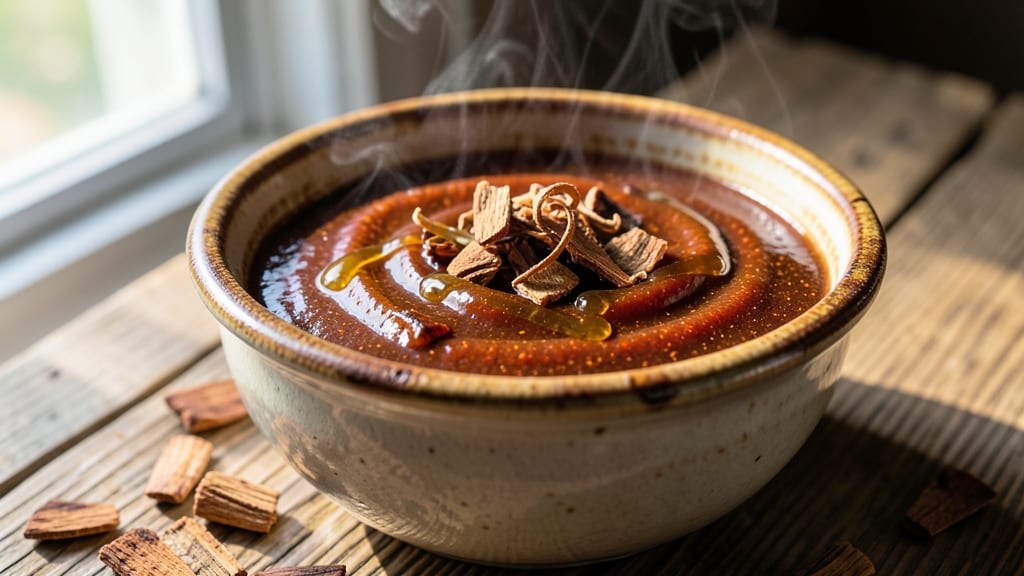
This applewood BBQ sauce recipe transforms grilled meats into finger-licking masterpieces with its deep smoky-sweet profile that caramelizes beautifully on the grill. The secret lies in applewood-smoked elements—whether through chips, paprika, or liquid smoke—that infuse a rich, woodsy character without overpowering the sauce's natural sweetness.
I developed this recipe after years of experimenting with commercial sauces that never quite captured that perfect balance of tangy, smoky, and caramelized flavors. The foundation is a simple blend of tomatoes, vinegar, and spices, but it's the applewood infusion that elevates it to restaurant-quality.
You can use applewood chips steeped in the sauce or smoked paprika for that signature aroma, while brown sugar and molasses create a slow-building sweetness that deepens as it cooks.
The sauce thickens naturally as it simmers, creating a glossy, clingy finish that clings to every bite of pulled pork or ribs. What makes this sauce truly special is its versatility—it caramelizes beautifully on the grill, making it perfect for basting meats or drizzling over finished dishes.
The smoky-sweet flavor pairs effortlessly with classic BBQ favorites like brisket, chicken, or even grilled vegetables. Store it in the refrigerator for up to two weeks, or freeze for longer shelf life, so you always have that signature flavor on hand.
Whether you're hosting a backyard cookout or prepping for a weeknight dinner, this sauce delivers professional-level results with minimal effort. The key is patience—letting the flavors meld and the sauce reduce to the perfect consistency. Once you try it, you'll never go back to store-bought again.
Ingredients for applewood bbq sauce
These smoky-sweet ingredients transform simple grill sessions into restaurant-quality experiences.
| Ingredient | Amount | Notes |
|---|---|---|
| Applewood Smoked Paprika 🌶️ | 2 tbsp | Smoked variety for authentic flavor |
| Tomato Paste 🍅 | ½ cup | San Marzano preferred for sweetness |
| Apple Cider Vinegar 🍎 | ½ cup | For tangy depth of flavor |
| Dark Brown Sugar 🍚 | ¾ cup | Packed tightly for sweetness |
| Molasses 🍯 | ¼ cup | Unsulphured for rich flavor |
| Applewood BBQ Chips 🍂 | 1 oz | Steeped for smoky infusion |
| Garlic Cloves 🧄 | 3 cloves | Freshly minced for aroma |
| Yellow Onion 🧅 | ½ cup | Finely diced for sweet base |
| Liquid Smoke 🔥 | 1 tbsp | Applewood variety preferred |
| Black Peppercorns 🌶️ | ½ tsp | Freshly cracked for heat |
| Ground Cinnamon 🌿 | ½ tsp | For subtle warmth |
| Salt 🧂 | 1 ½ tsp | Diamond Crystal preferred |
| Water 💧 | 1 cup | For thinning consistency |
The applewood elements are non-negotiable for that signature smoky aroma. Applewood smoked paprika from Penzeys or bulk bins delivers the most authentic flavor, while applewood BBQ chips add depth when steeped. For the best results, toast your chips lightly before adding them to the sauce. The San Marzano tomato paste is worth seeking out—its natural sweetness balances the smokiness perfectly. If you can't find it, any high-quality paste will work, but avoid the watery, low-grade versions. The dark brown sugar should be packed tightly into the measuring cup for maximum sweetness, and unsulphured molasses ensures a rich, caramel-like flavor without any bitter aftertaste.
No smoked paprika? Liquid smoke at double the amount gets you close, though the texture will be slightly different. Running short on applewood chips? Hickory chips work in a pinch, but the flavor will lean more toward campfire than apple orchard. Substituting molasses? Maple syrup at half the amount works, but it lacks that deep, almost chocolatey note. The onion can be swapped for red onion for a slightly sweeter profile, and if you're avoiding vinegar, lemon juice at the same amount adds brightness. For a smoother sauce, blend the finished mixture—just be prepared for a slightly thicker consistency. The key is patience; letting the sauce simmer low and slow develops those caramelized flavors that make it irresistible.
This sauce tastes even better the next day as the flavors meld together. Store it in an airtight jar in the fridge for up to 2 weeks, or freeze for 6 months. I like to make a double batch—one for immediate use and one to freeze for future grill sessions. The sauce thickens as it cools, so if it seems too thick when cold, just add a splash of water or apple cider vinegar to reach your desired consistency. It reheats beautifully, making it perfect for last-minute basting or drizzling over finished dishes. A little goes a long way, so don't be shy about portioning it out for easy access during your next cookout.
Why You'll Love This Recipe
- Pantry-Friendly Magic: I swear by this one—no fresh herbs, no fancy prep. Just open your spice rack, grab the applewood smoked paprika and tomato paste, and boom—you’ve got depth in minutes. The molasses and brown sugar do all the heavy lifting while I’m still debating whether to start the sauce or make coffee first.
- Smoky-Sweet Obsession: That first taste of apple cider vinegar cutting through the rich molasses? Chef’s kiss. The applewood paprika adds this warm, smoky backbone that sticks with you—like a cozy hug for your taste buds. Honestly, I’ve made it three ways, and this balance is the one my family begs me to replicate.
- Weeknight & Weekend Hero: Slather it on grilled chicken for a Tuesday dinner, drizzle it over baked beans for a tailgate, or toss it with roasted veggies when you’re feeling fancy. It’s my go-to for anything that needs that caramelized, tangy punch—no excuses, no last-minute store runs.
- Leftovers That Lie: Between us, this sauce improves overnight. The flavors meld into this richer, more complex version of itself—perfect for batch-making. I freeze half in jars and pull them out when I’m too tired to cook. (Yes, even on a Tuesday night.) Plus, it costs pennies to make a gallon.
Step-by-step instructions for applewood BBQ sauce
Here's how to craft a deeply smoky, caramel-rich sauce that'll make your ribs and brisket shine.
🍳 Step 1: Build the Flavor Base in the Pot
In a medium saucepan, combine the 0.5 cup tomato paste with the 0.5 cup apple cider vinegar and 1 cup water. Stir over medium-high heat until the mixture reaches a gentle boil, then immediately reduce to medium-low heat. This creates your foundational tang that'll balance the sweetness later.
While waiting for the boil, finely dice the 0.5 cup yellow onion and mince the 3 cloves garlic. Add them to the simmering mixture along with the 2 tbsp applewood smoked paprika, 1 tbsp liquid smoke, 0.5 tsp ground cinnamon, and 0.5 tsp cracked black peppercorns. Stir constantly for 5 minutes until the onions soften and the aromatics release their oils—you'll smell that perfect balance of sweet, smoky, and slightly spicy notes developing.
🔥 Step 2: Sweeten and Thicken the Mixture
Increase heat to medium and gradually whisk in the 0.75 cup dark brown sugar and 0.25 cup molasses. The mixture will bubble vigorously—this is where the magic happens. Let it simmer uncovered for 10-12 minutes, stirring occasionally, until it thickens noticeably and darkens to a rich amber color. You're looking for that perfect caramelization that'll give your sauce its signature depth.
Here's the thing—don't walk away. Watch for the sauce to reduce by about one-third in volume. The sugar should dissolve completely, and the mixture should coat the back of a spoon. If it starts to stick or burn, reduce heat slightly and add 1-2 tablespoons water as needed, but try to avoid diluting too much.
⏰ Step 3: Infuse with Smoky Depth
While the sauce thickens, prepare the 1 oz applewood BBQ chips by crushing them lightly between your fingers or a mortar and pestle. This releases their smoky oils without overpowering the blend. When the sauce reaches medium thickness (about 10 minutes after adding sugar), remove it from heat and stir in the crushed BBQ chips and 1.5 tsp salt. Let it steep for 5 minutes off the heat—this draws out all that smoky goodness.
Strain the mixture through a fine-mesh sieve into a clean saucepan to remove any BBQ chip fragments. Return to low heat and simmer gently for another 5 minutes to meld all the flavors together. Taste and adjust seasoning—you might need a touch more salt or vinegar to balance the sweetness, but the sauce should now have that perfect harmony of smoky, sweet, and tangy notes.
🍽️ Step 4: Finish and Test for Perfection
For the final touch, transfer the sauce to a blender or use an immersion blender to achieve a silky-smooth texture. This step ensures no graininess remains, giving you that restaurant-quality finish. Taste again and make any final adjustments—perhaps a splash more vinegar for brightness or a pinch of salt for depth.
Let the sauce cool to room temperature before storing. It'll continue to thicken as it cools, so you might want to thin it slightly with a little water if needed before using. This sauce keeps beautifully in the refrigerator for up to 2 weeks or can be frozen for 3 months—though I doubt it'll last that long with how delicious it is!
Pro Tips For Making Applewood Bbq Sauce
- Simmer Slow and Steady: I learned this the hard way—rushing the sauce on high heat turns it thin and bitter. Keep it at a gentle boil (about 15-20 minutes) so the tomato paste and molasses meld instead of separating. The longer it cooks, the deeper the smoky-sweet flavor gets.
- Toast the Paprika First: Skip the dry-roasting step, and you’ll miss out on that nutty depth. Heat your smoked paprika in a dry pan for 30 seconds until fragrant—just until you smell the wood, not until it’s browned. This makes a real difference in balancing the vinegar’s sharpness.
- Balance the Vinegar Gradually: Adding all the apple cider vinegar at once? You’ll end up with a sauce that’s too tangy. Stir in half first, taste, then add the rest slowly while simmering. This lets you adjust without overpowering the molasses and brown sugar.
- Use Real Molasses, Not Syrup: Substituting corn syrup for molasses saves money, but it also kills the sauce’s complexity. Molasses adds a rich, almost caramel-like depth that syrup can’t replicate. If you’re pinching pennies, at least use dark molasses—not the lighter kind.
Serving suggestions for this recipe
Grilled Meat Magic
This sauce isn't just for basting—it's a grill essential that transforms ordinary meats into showstoppers. Brush it onto ribs, brisket, or chicken wings during the last 10-15 minutes of cooking, letting the grill's heat caramelize the sugars for that perfect bark.
For pulled pork, use it as a marinade for 4-6 hours before cooking, then glaze generously during the final 2 hours of smoking. The applewood notes complement the smokiness of grilled meats beautifully, creating a flavor profile that's hard to resist. 🔥
Sandwich Game-Changer
Take your sandwiches to the next level by using this sauce as a spread instead of just a topping. Mix 1 tbsp of the sauce with 1 tbsp mayo for a smoky-sweet condiment that works wonders on pulled pork sandwiches or even grilled cheese.
For a competition-style sandwich, layer it between the meat and cheese—it'll melt slightly from the heat, creating a sticky, flavorful bond that keeps everything together. I love this on Texas toast with crispy pulled pork and pickled jalapeños.
Vegetable Glaze
Don't limit this sauce to meats—it's fantastic for grilled vegetables too! Toss portobello mushrooms, eggplant, or bell peppers with 1 tbsp olive oil and grill until tender, then brush with the sauce during the last 5 minutes of cooking.
The smoky-sweet glaze caramelizes beautifully on the grill grates, creating a delicious contrast to the charred vegetables. It works especially well with grilled corn on the cob—just brush it on after grilling and sprinkle with fresh cilantro.
Dipping Sauce
Turn your sauce into a dipping companion for fried foods or tacos. Serve it warm in a small bowl with chips for a smoky-sweet snack, or drizzle it over taco meat and top with avocado, lime, and cilantro.
The balance of sweet and smoky makes it perfect for fried chicken tenders or onion rings. For extra flair, sprinkle with crushed red pepper flakes before serving to add a little heat. 🌶️
Breakfast Twist
Why stop at dinner? This sauce is surprisingly versatile at breakfast too. Drizzle it over pancakes or waffles with crispy bacon for a sweet-savory morning treat. It also works as a glaze for grilled sausages or even as a topping for yogurt parfaits with granola and fresh berries.
The smoky depth pairs surprisingly well with the sweetness of maple syrup, creating a breakfast that feels like a celebration. Just be prepared for your family to ask for it every morning!
Storage Hacks
Keep your sauce ready for action with these smart storage tips. Store it in an airtight glass jar in the fridge for up to 2 weeks, or freeze in ice cube trays for single-use portions.
To reheat, warm in a small saucepan over low heat with 1 tbsp water to prevent burning. If the sauce thickens too much when cold, thin it with a splash of apple cider vinegar before using.
I always make a double batch so I have some ready to go whenever the grill calls my name. ✨
Nutrition facts
Frequently asked questions
Can I make this sauce without applewood chips?
If you can't find applewood chips, use 2 extra tablespoons of applewood smoked paprika or 1 extra tablespoon of applewood liquid smoke for that signature smoky flavor. For a different wood profile, try hickory chips (though the flavor will be more campfire than orchard). The sauce will still taste delicious—just with a slightly different wood character.
How do I adjust the sweetness level?
Start with the recipe as written, then taste as it simmers. For more sweetness, add 1-2 tablespoons of brown sugar at a time. Need less? Stir in 1 teaspoon of apple cider vinegar to balance it. The sauce thickens as it cools, so don't worry if it seems too sweet while hot—it'll mellow slightly when chilled.
Can I use this sauce for slow-cooker meats?
Yes! Add ½ cup of the sauce during the last 2 hours of cooking to prevent it from burning. For pulled pork, pour ¼ cup over the meat halfway through cooking, then add the rest later. The slow cooker's low heat helps the sauce's flavors meld beautifully with tender meats. Just avoid adding it too early—you want the rich caramelization to happen during the final stages.
Why did my sauce turn out too thin?
This usually happens if you didn't simmer long enough or added too much water. Next time, reduce the heat to low and simmer uncovered for 15-20 minutes longer, stirring occasionally. If it's still too thin, transfer to a saucepan and cook uncovered on medium heat until it thickens. For a quick fix, mix 1 tablespoon cornstarch with 1 tablespoon water and stir it in while heating.
What's the best way to reheat leftover sauce?
Gently warm it in a small saucepan over low heat with 1-2 tablespoons of water to prevent burning. Stir constantly until heated through—this sauce reheats best when it's smooth and glossy. Avoid microwaving, as it can make the sauce grainy. For grilling, reheat just until warm enough to coat the meat, then finish with fresh grill heat for that perfect caramelized bark.