
Sauces & Condiments
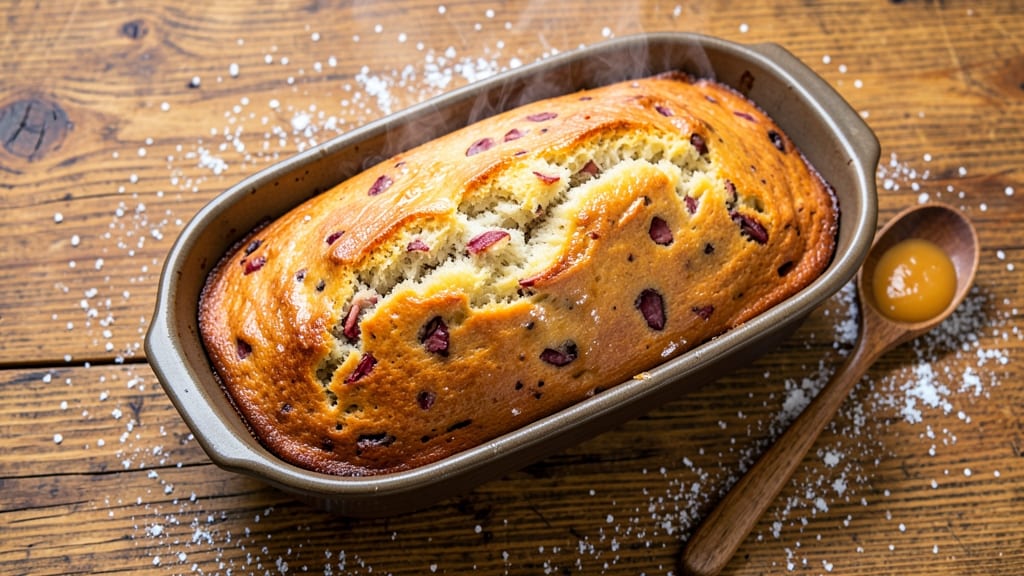
This applesauce loaf bread recipe delivers the perfect balance of tender, moist crumb and sweet-spiced center that keeps you coming back for seconds. The secret lies in the applesauce-to-flour ratio, which replaces fat while adding natural sweetness and moisture without making the bread dense.
I developed this version after years of baking applesauce bread that always turned out either too heavy or too dry—until I nailed the perfect proportion.
The dough comes together in just 10 minutes with simple pantry staples, then proofing overnight in the fridge develops deep flavor and a tender crumb.
Baking at 350°F for 50-55 minutes yields a golden crust with a perfectly spiced interior—cinnamon and nutmeg infuse every bite, while the applesauce keeps the texture impossibly soft for days.
This isn't just bread; it's a dessert-worthy centerpiece that pairs beautifully with butter, jam, or even as a side for breakfast.
What makes this recipe truly special is how it transforms basic ingredients into something extraordinary. The applesauce doesn't just add moisture—it creates a subtle sweetness that complements the warm spices, while the overnight proofing ensures a light, airy texture.
By the time it emerges from the oven, you'll have bread that's so tender it practically melts in your mouth, with a crust that's just crisp enough to hold up to slicing.
Perfect for breakfast lovers, holiday gatherings, or as a comforting side dish, this loaf keeps well wrapped at room temperature for up to 3 days or frozen for 3 months.
Whether you're serving it toasted with butter or sliced alongside jam, the combination of sweet-spiced center and moist crumb makes every bite worth savoring. Let's get started on creating your perfect loaf.
Ingredients for applesauce loaf bread
Simple pantry staples transform into a loaf so tender it practically melts in your mouth.
| Ingredient | Amount | Notes |
|---|---|---|
| All-Purpose Flour 🌾 | 4 cups | Sifted for best texture |
| Unsweetened Applesauce 🍎 | 1 cup | Unsweetened, unsalted preferred |
| Granulated Sugar 🍚 | ½ cup | Light brown sugar for depth |
| Active Dry Yeast 🍞 | 2 ¼ tsp | Freshly opened packet |
| Warm Water 💧 | 1 ¼ cups | 110°F for yeast activation |
| Large Egg 🥚 | 1 whole | Room temperature preferred |
| Melted Butter 🧈 | ½ cup | Unsalted, cooled slightly |
| Ground Cinnamon 🌿 | 2 tsp | Freshly ground preferred |
| Ground Nutmeg 🌿 | 1 tsp | Freshly grated for warmth |
| Salt 🧂 | 1 tsp | Diamond Crystal preferred |
| Milk 🥛 | ¼ cup | Warm, for tender crumb |
| Vanilla Extract 🍯 | 1 tsp | Pure vanilla preferred |
The applesauce is the game-changer here—unsweetened and unsalted is key, or you'll end up with a denser loaf. Mott's or store-brand unsweetened works perfectly, but steer clear of the sweetened kind. For the flour, King Arthur or Gold Medal are my go-tos—they've got that perfect balance of protein for structure without overpowering the tender crumb. The yeast needs to be fresh, so check the date on that packet. If it's been sitting in your pantry for months, toss it and grab a new one. Warm water is non-negotiable—yeast needs to be cozy to activate properly.
No unsweetened applesauce? Purée your own from tart apples like Granny Smith—simmer them down until thick, then strain out the skins. Short on cinnamon? Pumpkin pie spice at half the amount works in a pinch, though it'll have a slightly different flavor profile. The vanilla extract can be swapped for vanilla bean paste if you're feeling fancy, but pure extract is fine too. For the milk, whole milk gives the best texture, but 2% or even almond milk work if that's what you've got. Just make sure it's warm—cold milk will shock the yeast and slow down fermentation.
This dough is a dream to handle—no kneading required. Once mixed, it's ready for the fridge, where it'll proof overnight. The beauty of this method is that the flavors meld beautifully while you sleep. For storage, wrap the cooled loaf tightly in plastic or foil and keep it at room temperature for up to 3 days. Freezing? Wrap individual slices in plastic wrap, then toss them in a freezer bag for 3 months. Toasting is where this bread really shines—butter and jam are the obvious pairings, but it's also incredible with peanut butter or even as a side to soup.
Why You'll Love This Recipe
- No-Fuss Mixing: I swear by this dough—just toss the flour, applesauce, and sugar in a bowl, then let the yeast do its magic. No stand mixer, no fuss, and honestly? The applesauce keeps it moist without extra effort.
- Sweet-Creamy Twist: That subtle applesauce flavor? It’s like a hug for your taste buds—warm, slightly sweet, but not overpowering. The sugar caramelizes just enough to give it a golden crust that cracks open perfectly.
- Weeknight Hero: Between us, this bread is my go-to for sandwiches, toast, or even French toast. Make a batch on Sunday, and you’ve got breakfast, lunch, or snacks covered for days—no last-minute store runs needed.
- Pantry Staple Magic: Applesauce stretches the dough, so you’re not drowning in butter or eggs. A single can of unsweetened applesauce turns a basic loaf into something special, and leftovers? They toast up just as well the next day.
Step-by-step instructions for applesauce loaf bread
Here's how to create that perfect balance of tender crumb and sweet-spiced center.
Activate the Yeast with Warm Water and Applesauce
In a small mixing bowl, combine the 1 cup unsweetened applesauce and 1.25 cups warm water (around 110°F). Sprinkle the 2.25 teaspoons active dry yeast over the mixture and let it sit for 5-10 minutes until it becomes frothy and bubbly. This is your signal that the yeast is alive and ready to work its magic.
I like to use a glass bowl for this step so I can easily see the bubbles forming. If the mixture doesn't bubble after 10 minutes, your yeast might be dead—start fresh with a new packet. The applesauce adds natural sweetness while keeping the bread moist, and the warm water creates the perfect environment for yeast activation.
Mix the Wet Ingredients with Butter and Egg
In a large mixing bowl, whisk together the 0.5 cup melted butter (cooled slightly), 1 whole large egg, 0.25 cup warm milk, 1 teaspoon vanilla extract, and the yeast-applesauce mixture. Stir in the 0.5 cup granulated sugar, 2 teaspoons ground cinnamon, 1 teaspoon ground nutmeg, and 1 teaspoon salt until fully combined. The dough will be thick and sticky at this stage.
This is where the magic happens—the warm milk and melted butter create a tender crumb, while the spices infuse the dough with that classic applesauce loaf flavor. Don't worry if the mixture looks curdled; it will come together beautifully once you add the flour. The slightly cooled butter prevents the dough from becoming too greasy while still keeping it moist.
Gradually Incorporate the Flour
Add the 4 cups all-purpose flour (sifted for best texture) to the wet ingredients and mix with a wooden spoon or dough whisk until a shaggy dough forms. The dough will be sticky, but don't add extra flour—this is what gives the bread its signature moistness. Once the dough comes together, turn it out onto a lightly floured surface and knead for 5-7 minutes until smooth and elastic.
Here's the thing—this dough is different from traditional bread dough. It's stickier and softer because of the applesauce, so don't overwork it. You'll know it's ready when it springs back slowly when poked. If it feels too sticky to handle, wet your hands slightly to prevent sticking. The kneading develops gluten, which gives the bread structure while keeping it tender.
Let the Dough Rise Until Doubled in Size
Place the dough in a lightly greased 9x5-inch loaf pan, covering it with a clean kitchen towel. Let it rise in a warm place for 1-1.5 hours, or until it has risen to about 1 inch above the rim of the pan. The dough should look puffy and jiggly when gently touched.
I like to place the pan in a slightly warm oven (with the light on) for even rising. The applesauce makes this dough rise more slowly than traditional bread dough, so be patient. If the dough doesn't rise much, it might need more time—don't rush this step. The slow rise allows the flavors to develop fully, giving you that perfect sweet-spiced center.
Bake Until Golden Brown with Internal Doneness
Preheat your oven to 350°F. Brush the top of the dough with a little milk (this creates that beautiful golden crust) and bake for 50-55 minutes, until the top is golden brown and an instant-read thermometer inserted into the center reads 190-195°F. The bread should sound hollow when tapped on the bottom.
This is the moment that matters—the crust should be crisp and golden, while the interior remains soft and moist. If the top browns too quickly, tent the loaf with foil after 30 minutes to prevent over-browning. Let the bread cool in the pan for 10 minutes before transferring to a wire rack. This resting period prevents the bread from falling apart when you slice it.
Pro Tips For Making Applesauce Loaf Bread
- Mix the Dough by Hand: The applesauce makes this dough stickier than usual—don’t grab the mixer. Use your hands to work the flour, applesauce, and yeast together for 5-7 minutes until it’s smooth but not gummy. I learned this the hard way after watching my mixer struggle (and then burn out).
- Use Room-Temp Applesauce: Cold applesauce slows yeast activation. Scoop it straight from the fridge and let it sit for 10 minutes before measuring—no need to heat it. Warmth is all the yeast needs to wake up faster, and this keeps your dough from taking forever to rise.
- Don’t Overproof the Dough: This bread rises fast but loses structure if left too long. Test doneness by pressing a finger into the dough—if it springs back slowly (not instantly), it’s ready. Overproofing turns your loaf into a dense brick, and nobody wants that.
- Add a Pinch of Salt to the Water: The yeast needs a little help balancing sweetness. When mixing the yeast and warm water, toss in ¼ teaspoon of salt—it sharpens flavor and prevents the applesauce from making the bread taste flat. Trust me, it makes a real difference.
Health benefits of this dish
Whole Grain Boost
Swap 1 cup of the all-purpose flour for whole wheat flour to add fiber and nutrients without compromising texture. I recommend King Arthur whole wheat flour—it blends seamlessly and maintains the bread's moist crumb.
For extra fiber, try white whole wheat flour, which has a lighter color and slightly sweeter flavor. 🌾
Protein-Packed Upgrade
Add ½ cup Greek yogurt (plain or vanilla) to the wet ingredients for extra protein and moisture. The tanginess balances the sweetness, and you'll get about 10 grams of protein per slice. For a vegan option, use unsweetened coconut yogurt—it adds richness while keeping the bread dairy-free.
Low-Sugar Option
Reduce the sugar to ¼ cup and add 1 teaspoon monk fruit sweetener or 1 tablespoon honey to maintain sweetness without spiking blood sugar. The applesauce's natural sweetness will still shine through.
For a nutty twist, replace ½ cup flour with almond flour—it adds healthy fats and a subtle crunch.
Digestive Benefits
The combination of cinnamon and nutmeg in this bread helps regulate blood sugar levels, making it a smart choice for diabetics when using the low-sugar variation. The applesauce also provides pectin fiber, which supports gut health.
For an extra digestive boost, add 1 teaspoon ground flaxseed to the dough—it's packed with omega-3s and fiber. 💪
Allergen-Friendly Swaps
For a gluten-free version, replace the flour with 1:1 gluten-free baking flour blend (like Bob's Red Mill) and add ½ teaspoon xanthan gum. For egg-free, use 1 flax egg (1 tablespoon ground flaxseed + 3 tablespoons water) or ¼ cup applesauce as a binder.
Dairy-free? Swap butter for coconut oil and milk for almond milk.
Heart-Healthy Fats
The melted butter in this recipe provides saturated fats, but for a heart-healthier option, use olive oil (replace butter 1:1). Extra virgin olive oil adds a fruity note that pairs beautifully with the cinnamon.
For a nutty flavor, try walnut oil—just ¼ cup is all you need for richness without overpowering the dough.
Nutrition facts
Frequently asked questions
Why does this applesauce bread turn out dense?
Overworking the dough or adding too much flour are the most common culprits. The applesauce makes this dough naturally sticky—resist the urge to add extra flour, as that's what keeps it moist. Also, knead just until smooth (5-7 minutes), not until firm like traditional bread dough. The slow overnight rise helps prevent density too!
Can I make this bread without a loaf pan?
Shape the dough into a round or oval on a baking sheet lined with parchment paper. Brush with milk before baking for a golden crust. For a rustic look, score the top with a knife before baking. The texture will be slightly different but just as delicious—think of it like a sweet, spiced dinner roll!
How do I store leftovers to keep them fresh?
Wrap the cooled loaf tightly in plastic wrap or aluminum foil and store at room temperature for up to 3 days. For longer storage, slice the bread and freeze individual portions in airtight containers for 3 months. Toast frozen slices directly from the freezer for best results—no thawing needed!
What if my yeast doesn't activate?
Test your yeast first by mixing 1 teaspoon with ¼ cup warm water and 1 teaspoon sugar. If it doesn't bubble within 5 minutes, your yeast is dead. Try fresh yeast or check your water temperature—it should be 110°F (like warm bathwater). Never use hot water, as it kills yeast instantly.
Can I add dried fruit to this recipe?
Yes! Fold in ½ cup chopped dried cranberries or raisins with the flour. For extra moisture, reduce the applesauce by 2 tablespoons. Soak the dried fruit in warm water for 10 minutes first to plump them up. The fruit adds natural sweetness and texture—perfect for breakfast or snacking!