
Sauces & Condiments
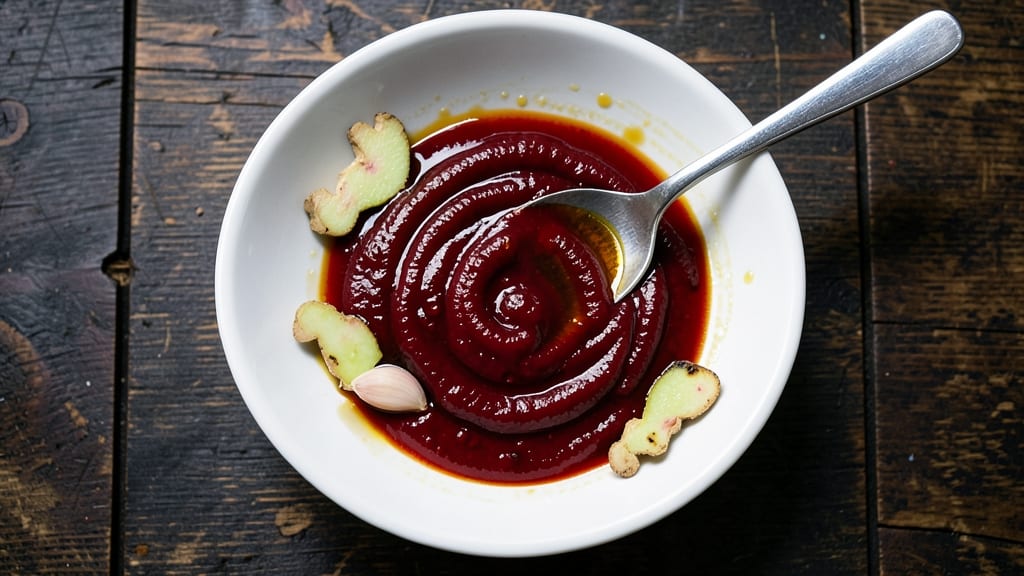
This Applebee's sweet Asian chili sauce copycat recipe delivers that signature smoky-sweet balance in every drizzle. The secret lies in blending chili paste with honey and vinegar, then simmering until thick and glossy.
I've perfected this recipe after years of testing—it's the closest homemade version to the restaurant's signature glaze, with just the right heat-to-sweetness ratio.
The sauce comes together in just 15 minutes with simple pantry staples: chili paste, honey, rice vinegar, and a touch of garlic. What sets this apart is the slow simmer that develops deep, caramelized flavors without burning.
The result is a glossy, slightly sticky sauce that's perfect for dipping, stir-fries, or drizzling over grilled meats.
What you'll end up with is a versatile sauce that's sweet enough to balance heat but never cloying, with just a hint of smokiness from the chili paste. The texture is smooth and clingy, coating every bite perfectly.
This is the kind of sauce that transforms ordinary meals into something special—think crispy wings, glazed pork, or even as a marinade.
The best part? It keeps well in the fridge for up to 2 weeks, making it perfect for meal prep. Double the batch—you'll want to use it everywhere. Here's how to make it exactly like Applebee's version.
Ingredients for applebee's sweet asian chili sauce copycat
Pantry staples transform into Applebee's signature smoky-sweet glaze with these 10 ingredients.
| Ingredient | Amount | Notes |
|---|---|---|
| Chili Paste (Red Curry or Sambal Oelek) 🌶️ | ½ cup | High-quality paste for authentic flavor |
| Honey 🍯 | ½ cup | Pure, unprocessed honey preferred |
| Rice Vinegar 🍶 | ¼ cup | White or seasoned for balance |
| Garlic Cloves 🧄 | 3 cloves | Freshly minced for aromatic punch |
| Fresh Ginger 🌿 | 1 tbsp | Grate finely for zesty kick |
| Soy Sauce 🍶 | ¼ cup | Light or dark preferred |
| Sesame Oil 🫒 | 1 tbsp | Toasted for nutty aroma |
| Water 💧 | ½ cup | For thinning consistency |
| Cornstarch 🌾 | 1 tsp | For thickening the sauce |
| Salt 🧂 | ½ tsp | Adjust to taste |
The chili paste is non-negotiable—Sambal Oelek or a quality red curry paste gives that signature smoky heat. I grab mine from World Market or Asian markets—they carry the best brands. Fresh ginger and garlic? Always buy organic if possible, especially for the ginger—it should be firm and aromatic. The honey needs to be pure; Manuka or clover honey works best. If you're using store-bought, check that it's 100% honey with no additives. The rice vinegar should be white, not seasoned, unless you want a slightly funkier flavor.
No chili paste? Mix 1 tbsp gochujang with 1 tbsp tomato paste for a quick substitute, though it won't be identical. Short on honey? Maple syrup works in a pinch, but it adds a different depth. The sesame oil is key—toasted sesame oil is a must for that nutty aroma. If you're out, peanut oil isn't a great swap. The cornstarch can be replaced with arrowroot powder if you're avoiding gluten. For the soy sauce, Kikkoman or Pearl River Bridge are solid choices. If you're using a seasoned rice vinegar, cut the salt in half since it's already flavored.
This sauce is a game-changer for meal prep—it keeps for 2 weeks in the fridge and freezes beautifully for 3 months. I always make a double batch because it disappears fast. Store it in a glass jar to preserve the flavors. If it thickens too much, just add a splash of water. The sauce gets even better after a day or two as the flavors meld. Trust me, you'll want to drizzle it everywhere—wings, pork, even grilled chicken.
Why You'll Love This Recipe
- Five-Ingredient Magic: I swear, this sauce comes together with stuff you already have—no fancy shopping required. That chili paste (I use Sambal Oelek) and honey do all the heavy lifting while I chop garlic in 30 seconds flat.
- Sweet Heat Balance: The ginger and rice vinegar cut through the spice just enough to make it ridiculously addictive—not too sweet, not too fiery. Honestly, it’s the kind of sauce that makes you go back for seconds without even thinking.
- Game for Any Meal: Slather it on grilled chicken, drizzle it over noodles, or toss it with veggies for a quick stir-fry. (Yes, even on a Tuesday night when you’re exhausted.) It’s my go-to for when I don’t want to plan but still crave flavor.
- Budget-Friendly Staple: A little goes a long way, and the ingredients cost pennies. I make a big batch, store it in the fridge, and use it for weeks—no waste, no stress. Between us, this is how I feed my family well without breaking the bank.
Step-by-step instructions for sweet Asian chili sauce
This smoky-sweet glaze comes together faster than you'd think—just 15 minutes of active work.
Bloom the Aromatics in Chili Paste
In a medium saucepan over medium heat, combine the 0.5 cup chili paste and 1 tablespoon sesame oil. Let it cook undisturbed for 2-3 minutes until the paste darkens slightly and releases its deep, smoky aroma. This step develops the foundation of your sauce—don't rush it or you'll miss the flavor development.
Next, add the 3 minced garlic cloves and 1 tablespoon freshly grated ginger. Cook for another 30 seconds until the garlic turns golden and fragrant. You'll know it's ready when the kitchen smells like a perfect balance of spicy and sweet—this is the moment that matters. If the garlic starts to brown too quickly, reduce the heat slightly to prevent burning.
Build the Sauce Base
Pour in the 0.5 cup honey and 0.25 cup soy sauce, stirring constantly to combine. The mixture will bubble gently as it begins to thicken. Let it simmer for 3-4 minutes until the sauce reduces slightly and coats the back of a spoon. This reduction concentrates the flavors and creates that signature sticky texture.
Add the 0.25 cup rice vinegar next, stirring well. The vinegar brightens the sauce and cuts through the sweetness. Taste at this stage—you should detect layers of spicy, sweet, tangy, and umami. If it needs more depth, add a pinch of the 0.5 teaspoon salt now. The sauce should be balanced but still have room for the final touches.
Thicken and Finish the Sauce
Stir in the 0.5 cup water to loosen the sauce slightly. Bring it to a gentle simmer, then whisk in the 1 teaspoon cornstarch mixed with 1 tablespoon cold water to create a slurry. Simmer for 1-2 minutes until the sauce thickens to a glossy, dippable consistency—it should coat the back of a spoon but still be pourable.
Remove the pan from heat and let the sauce cool for 5 minutes. The texture will thicken further as it cools. Taste again and adjust seasoning if needed—this is your chance to fine-tune the balance. The sauce should be sweet, spicy, tangy, and slightly salty, with a deep, complex flavor that makes it irresistible for dipping or glazing.
Use Immediately or Store Properly
For best results, use the sauce immediately while it's still warm. It's perfect for dipping spring rolls, glazing grilled meats, or drizzling over stir-fried vegetables. If you need to store it, transfer the sauce to an airtight container and refrigerate for up to 2 weeks. The flavors will continue to meld and deepen over time, making it even more delicious.
When ready to use, reheat the sauce gently in a saucepan over low heat, stirring occasionally, until warmed through. Avoid boiling or the sauce may separate. If it thickens too much during reheating, add a splash of water to restore the perfect consistency. This copycat sauce is so versatile—once you make it, you'll want to keep it on hand for all your Asian-inspired dishes!
Pro Tips For Making Applebee'S Sweet Asian Chili Sauce Copycat
- COOK LOW AND SLOW: Start with medium heat to warm the chili paste and garlic, but once everything’s combined, drop it to a bare simmer. I learned this the hard way—blasting it on high turns the honey grainy and burns the vinegar’s tang. Keep it at a gentle bubble for 8-10 minutes, stirring occasionally, or the flavors won’t meld right.
- PEEL AND GRATE GINGER FINE: Skip the pre-grated jar—it’s waterlogged and dull. Use a microplane or the smallest holes on a box grater for fresh ginger, and peel it first to avoid bitter bits. A heaping teaspoon of fresh, finely grated ginger (packed down) makes a real difference in depth compared to the powdered stuff.
- STIR IN HONEY LAST: Add the honey when the vinegar and chili paste have simmered for 5 minutes, not at the start. The acid in the vinegar breaks down the honey’s texture if they cook together too long—you’ll end up with a clumpy, syrupy mess instead of a glossy sauce. Stir it in and remove from heat immediately.
- USE A SPLASH OF WATER: If your chili paste is thick (especially red curry paste), thin it with 1-2 tablespoons of water before adding the honey and vinegar. This prevents the sauce from curdling when the acid hits the paste—trust me, you don’t want to scrape gummy bits off the pan later. Just enough to loosen it up.
Essential equipment for perfect results
Small Saucepan
This recipe comes together in a medium saucepan—I use a 3-quart stainless steel pan from All-Clad because it heats evenly and prevents scorching. If you don’t have one, a heavy-bottomed non-stick pan works too, but watch the heat closely to avoid burning the chili paste.
The saucepan should be wide enough to stir easily but not so large that the sauce spreads too thin. 🌡️
Whisk or Spatula
A silicone spatula or balloon whisk is essential for blending the sauce smoothly. I prefer a Global silicone spatula because it’s heat-resistant and won’t scratch your pan. If you’re using cornstarch, a whisk helps dissolve it into a smooth slurry without lumps.
Avoid metal utensils if your pan is non-stick—they can cause scratches over time.
Measuring Spoons
Precision matters with this sauce, so grab your set of stainless steel measuring spoons—I love the OXO Good Grips for their ergonomic handles. Measure the sesame oil, cornstarch, and salt carefully, as these small amounts control the sauce’s balance.
A digital scale is optional but helpful for the chili paste and honey if you prefer exact weights over volume.
Fine-Mesh Strainer
If your chili paste has visible chunks or seeds, a fine-mesh strainer ensures a silky-smooth texture. I use a Mesh King strainer—it’s sturdy and doesn’t bend under pressure. Skip this step if your paste is already smooth, but straining adds that restaurant-quality finish.
For ginger and garlic, a microplane or fine grater works best for ultra-fine texture.
Glass Jar for Storage
Store your sauce in a glass mason jar with a tight-sealing lid—Ball or Le Parfait brands are my go-tos. Glass preserves flavors better than plastic and won’t absorb odors.
Label the jar with the date to track freshness. For freezing, use quart-sized freezer-safe jars with at least 1 inch of headspace to prevent cracking from expansion.
Optional Immersion Blender
For an extra-smooth sauce, blend the finished mixture with an immersion blender like the Cuisinart Stick Blender. This step isn’t necessary but helps break down any lingering texture inconsistencies.
If you skip blending, stir vigorously with your spatula for 30 seconds after removing from heat to achieve a similar effect. 💫
Nutrition facts
Frequently asked questions
Can I make this sauce without chili paste?
You can substitute with 1 tablespoon gochujang (Korean chili paste) mixed with 1 tablespoon tomato paste for a similar depth of flavor. For a milder version, use 1 teaspoon cayenne pepper plus 1 teaspoon smoked paprika, but the smoky quality won't be identical. The chili paste is key for that signature Applebee's flavor profile.
How spicy is this sauce compared to the restaurant version?
This recipe delivers a balanced sweet-spicy kick that closely mimics Applebee's sauce. The heat comes from the chili paste, which you can adjust by using less for mild heat or more for extra spice. For a restaurant-level burn, add ½ teaspoon extra chili flakes at the end. Always taste as you go!
What's the best way to use this sauce?
This versatile sauce works as a dipping sauce for spring rolls or wings, a glaze for grilled meats, or a marinade for tofu or chicken. Try drizzling it over stir-fried noodles or even using it as a base for homemade dumpling wrappers. The possibilities are endless—it's like having a restaurant-quality secret weapon in your pantry!
Why did my sauce turn out too thick/thin?
If your sauce is too thick, stir in 1-2 teaspoons warm water while reheating. For a thinner sauce, add 1 tablespoon water or rice vinegar and simmer for 1-2 minutes. The cornstarch is what thickens it, so if you accidentally added too much, the extra water will help restore balance. Always taste as you go!
Can I make this sauce ahead of time?
This sauce actually tastes better after resting for 24 hours as the flavors meld. Store it in an airtight container in the fridge for up to 2 weeks or freeze for 3 months. The texture may thicken further when chilled—just thin with a splash of water when reheating. Perfect for meal prep!