
Sauces & Condiments
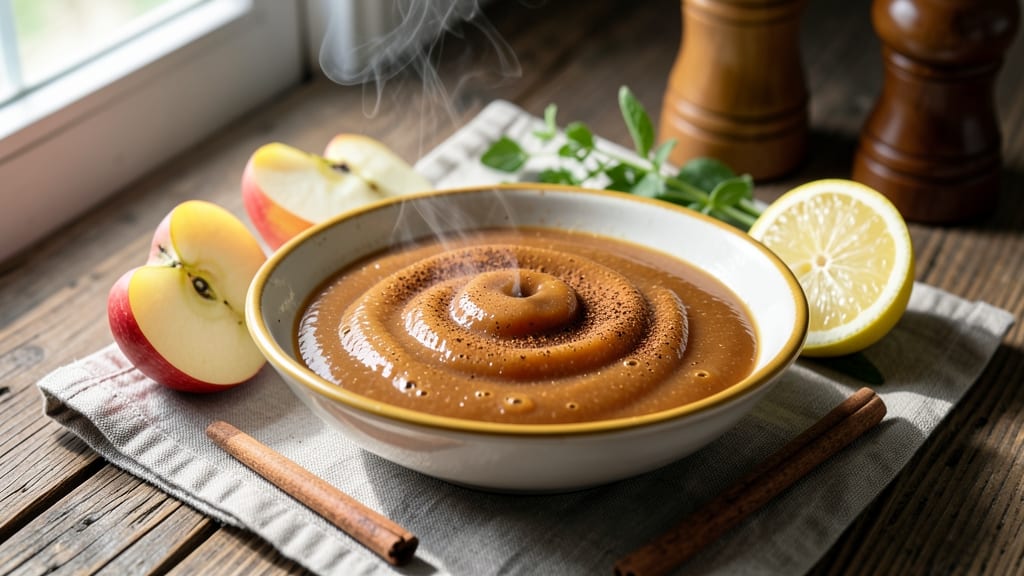
This apple sauce recipe from fresh apples transforms simple ingredients into a versatile, no-sugar-added condiment that elevates everything from oatmeal to roasted pork.
The secret lies in balancing natural sweetness with warm spices like cinnamon and vanilla, creating a smooth yet vibrant sauce that's perfect for both sweet and savory dishes.
With just a few core ingredients and minimal effort, you'll achieve a texture that's customizable—chunky for rustic appeal or silky smooth for restaurant-quality results.
The process is straightforward yet precise: simmering peeled and sliced apples until tender, then blending to your preferred consistency. A touch of lemon juice brightens the flavor while preventing browning, and optional spices like cardamom or nutmeg add depth.
What makes this recipe stand out is its adaptability—use it as a topping, a glaze, or even a natural sweetener in baking without the refined sugar.
What you'll end up with is a fragrant, naturally sweet apple sauce that's rich in flavor and free from artificial additives. The aroma alone will make your kitchen feel like autumn, while the taste delivers that perfect balance of sweetness and warmth.
Best of all, it keeps beautifully in the refrigerator for up to two weeks or can be frozen for long-term storage.
Whether you're looking to reduce sugar in your diet or simply crave a homemade condiment with restaurant-quality depth, this apple sauce recipe delivers. Ready to make it? Let's get started with the ingredients and step-by-step instructions that follow.
Ingredients for apple sauce recipe from fresh apples
Eight simple ingredients transform fresh apples into a fragrant, no-sugar-added sauce bursting with autumn warmth.
| Ingredient | Amount | Notes |
|---|---|---|
| Fresh Apples 🍎 | 4 lb | Sweet-tart varieties like Honeycrisp or Braeburn |
| Water 💧 | 1 ½ cups | For simmering apples |
| Granulated Sugar 🍚 | ¼ cup | Optional, for balancing sweetness |
| Lemon Juice 🍋 | 2 tbsp | Freshly squeezed, prevents browning |
| Ground Cinnamon 🌿 | 1 tsp | Warm and aromatic |
| Pure Vanilla Extract 🍯 | ½ tsp | For depth and complexity |
| Ground Cardamom 🌿 | ¼ tsp | Optional, adds exotic warmth |
| Salt 🧂 | ¼ tsp | Enhances all flavors |
The apples are the star—Honeycrisp or Braeburn are ideal for their natural sweetness and firm texture. Grab a few extra pounds at the farmers market in fall for peak flavor, or use whatever’s in season. Organic apples reduce pesticide residue, but conventional works too if you peel them. Avoid apples with bruises or soft spots—they’ll turn mushy during cooking. For a quicker prep, buy pre-peeled and sliced apples from the salad bar, though fresh is always better.
No sugar? No problem—the apples’ natural sweetness shines when balanced with warm spices. Short on vanilla? Almond extract at half the amount works in a pinch. Cardamom’s optional but adds a sophisticated depth—substitute nutmeg if you prefer. The lemon juice is non-negotiable: it brightens the flavor and keeps the sauce vibrant. Freshly squeezed is best, but bottled works if you’re in a hurry. For a smoother texture, strain the sauce through a fine-mesh sieve after blending.
Store in an airtight jar in the fridge for up to two weeks, or freeze for six months in portion-sized containers. The flavor actually improves over time as the spices meld! For a restaurant-quality finish, drizzle with extra vanilla or a sprinkle of cinnamon before serving. This sauce is incredibly versatile—glaze roasted pork, sweeten oatmeal, or dollop on pancakes—and the no-sugar-added version makes it a guilt-free indulgence.
Why You'll Love This Recipe
- No Peel, No Stress: I swear by this trick—just quarter the apples with skins on, toss them into the pot, and let the simmer work its magic. The skins soften right into the sauce, so no extra prep, no wasted scraps, and honestly? That subtle earthy note from the peel makes it taste even more real.
- Sweet-Tart Magic: That splash of lemon juice right at the end? It’s the secret. The sugar caramelizes into the apples, but the acid cuts through the richness—like a hug for your taste buds. (Yes, even on a Tuesday night, this sauce will make you pause and think, "Wait, why am I not eating this more?")
- Pantry Stash Hero: Freeze the leftovers in ice cube trays for dollops on yogurt, swirls into oatmeal, or a quick glaze for roasted pork. Between us, I’ve used it to jazz up bland takeout rice, as a filling for crepes, and even mixed into coffee cake batter—because why not? It’s basically liquid coziness.
- Budget Bright Spot: A bag of apples and a bag of sugar last me months. No fancy ingredients, no specialty tools—just a pot, a spoon, and 20 minutes. Honestly, it’s the kind of recipe that makes me feel smart for spending so little on something that tastes like a hug. (And my kids fight over the last spoonful.)
Step-by-step instructions for homemade apple sauce
Transforming fresh apples into velvety sauce is easier than you think—just follow these precise steps.
Prepare and Peel the Apples
Start by thoroughly washing the 4 lb fresh apples under cool running water to remove any dirt or wax. I like to use a vegetable brush for stubborn spots. Cut each apple into quarters, removing the core and any bruised sections. For a smoother sauce, peel the apples using a potato peeler or vegetable peeler, working from the stem end toward the blossom end.
If you prefer a rustic texture with some skin, leave the peels on—just make sure they're free of blemishes. I find that sweet-tart varieties like Honeycrisp or Braeburn hold up best during cooking and deliver that perfect balance of sweetness and acidity. The key here is consistency: chop the apples into even-sized pieces about 1-inch thick for uniform cooking.
Simmer the Apples with Water and Acid
In a large, heavy-bottomed pot, combine the prepared apple pieces with the 1.5 cups water and 2 tbsp lemon juice. The lemon juice serves a dual purpose—it prevents browning and brightens the flavor. Bring the mixture to a boil over medium-high heat, then immediately reduce the heat to medium-low and let it simmer uncovered.
You'll see the apples release their juices almost immediately. Let them cook for 15-20 minutes, stirring occasionally, until the apples are fork-tender and easily pierced with a knife. This simmering process breaks down the pectin naturally, creating a thicker sauce without needing added thickeners. The apples should be soft enough to mash with a fork but not falling apart.
Season and Cook to Desired Texture
Once the apples are tender, stir in the 0.25 cup granulated sugar (if using), 1 tsp ground cinnamon, 0.5 tsp pure vanilla extract, 0.25 tsp ground cardamom, and 0.25 tsp salt. The cardamom adds a subtle, exotic warmth that pairs beautifully with the apple's natural sweetness. Let the mixture simmer for another 5-10 minutes to allow the flavors to meld and the sauce to thicken slightly.
For a smoother sauce, use an immersion blender to puree the mixture right in the pot. If you prefer a chunkier texture, simply mash the apples with a potato masher or fork. Taste and adjust the seasoning—you might need a bit more cinnamon or sugar to balance the tartness of the apples. The sauce should have a rich, aromatic fragrance with notes of vanilla and spice.
Finish and Store Properly
Once the sauce reaches your desired consistency, remove it from heat and let it cool for 5 minutes. This resting time allows the flavors to settle and the sauce to thicken slightly as it cools. For a glossy finish, stir in an additional 1 tbsp lemon juice and let it sit for another 2 minutes. Skim off any excess foam that rises to the surface.
Transfer the apple sauce to airtight containers, leaving about ½-inch headspace at the top. Store in the refrigerator for up to 1 week or freeze for up to 6 months. When reheating, warm gently over low heat or in the microwave, stirring occasionally to prevent scorching. This homemade apple sauce is incredibly versatile—use it on toast, with pork, or as a topping for oatmeal!
Pro Tips For Making Apple Sauce Recipe From Fresh Apples
- PEEL AND CORE FAST: Use a sharp paring knife instead of an apple corer—it’s faster and gives you cleaner slices with less mess. I tried the corer once and spent 10 minutes wrestling with it; now I just peel and slice in seconds.
- COOK LOW AND SLOW: Simmer the apples at a gentle bubble—no rolling boil—so they break down evenly without turning to mush. After burning two batches, I learned: patience here means smoother sauce later.
- ADD SUGAR LAST: Taste the cooked apples first, then sweeten to taste—overdoing it early makes the sauce cloying. I used to dump in all the sugar upfront, and the flavor felt flat until I adjusted.
- STRAIN FOR SILK: Press the cooked apples through a fine-mesh sieve instead of just mashing—it removes skins and seeds for a velvety texture. Sounds like extra work, but the result is worth the 30 seconds of effort.
Troubleshooting this dish
Sauce Too Thin?
If your apple sauce turns out thinner than expected, simmer uncovered for an extra 5-10 minutes to reduce the liquid naturally. The pectin in apples thickens as it cools, but a longer simmer helps break it down faster.
For immediate thickening, stir in 1 tbsp cornstarch mixed with 1 tbsp water and simmer for 2 minutes until it reaches your desired consistency. 🌡️
Apples Staying Crunchy?
Undercooked apples are usually the culprit.
Sauce Browning Too Fast?
The lemon juice is crucial for preventing browning, but if your sauce still darkens too quickly, add an extra 1 tbsp lemon juice or splash of apple cider vinegar. For a smoother color, simmer with the lid slightly ajar or use a non-reactive pot like stainless steel. If browning happens after blending, stir in ½ tsp baking soda to neutralize the acidity and brighten the color.
Grainy or Chunky Texture?
For a smoother sauce, blend with an immersion blender or transfer to a countertop blender for 15-30 seconds until completely smooth. If you prefer chunks, simply mash the apples with a fork or potato masher.
For a rustic look, leave some apple pieces whole—just make sure they're fully cooked. A food mill works great for customizable textures between smooth and chunky.
Sauce Too Tart?
Adjust the balance by adding 1-2 tbsp granulated sugar or a pinch of honey to sweeten naturally. If the tartness comes from over-simmering, the apples may have released too much acid.
A splash of vanilla extract or extra cinnamon can help mask the sharpness. Taste as you go—you can always add more sweetness but can't remove it once it's in.
Storage Issues?
If your sauce develops mold within 1 week in the fridge, it's time to toss it. For longer storage, freeze in airtight containers with ½-inch headspace. Thaw overnight in the fridge—never microwave directly from frozen.
To prevent spoilage, ensure containers are completely sealed and stored at 0°F or below. A vacuum sealer extends freshness to 12 months**.
Nutrition facts
Frequently asked questions
Can I make apple sauce without peeling the apples? Leaving the peels on adds natural fiber and a subtle earthy flavor. Just
What's the best way to adjust this recipe for baby food?
For baby food, reduce the sugar to just 1 tbsp and omit the cardamom. Simmer the apples until completely soft (25-30 minutes), then blend until ultra-smooth. Serve at room temperature and store in small portions. The natural sweetness of apples like Red Delicious works perfectly for infants. Always check with your pediatrician before introducing new foods.
How can I make this apple sauce spiced differently?
Swap the cinnamon for ½ tsp ginger powder and ¼ tsp allspice for a molasses-like depth, or try ½ tsp orange zest with ¼ tsp cloves for a festive twist. For a tropical version, add ¼ tsp nutmeg and ½ tsp coconut milk powder. Always taste before serving—spices intensify as the sauce cools.
Can I use frozen apples instead of fresh?
Yes, but thaw them first and drain excess liquid. Frozen apples work best in this recipe, but you'll need about 10% more (5 lb frozen for 4 lb fresh) since they lose volume when thawed. The texture will be slightly softer, but the flavor remains excellent. Avoid pre-sliced frozen apples—they often contain added sugars.
Why does my apple sauce separate when stored?
This happens when the pectin breaks down too much. To fix it, reheat gently while stirring constantly until smooth. For prevention, add 1 tbsp lemon juice at the end and stir well. Store in the fridge within 2 hours** of cooking, and use airtight containers to maintain consistency. The sauce should thicken further as it chills overnight.