
Sauces & Condiments
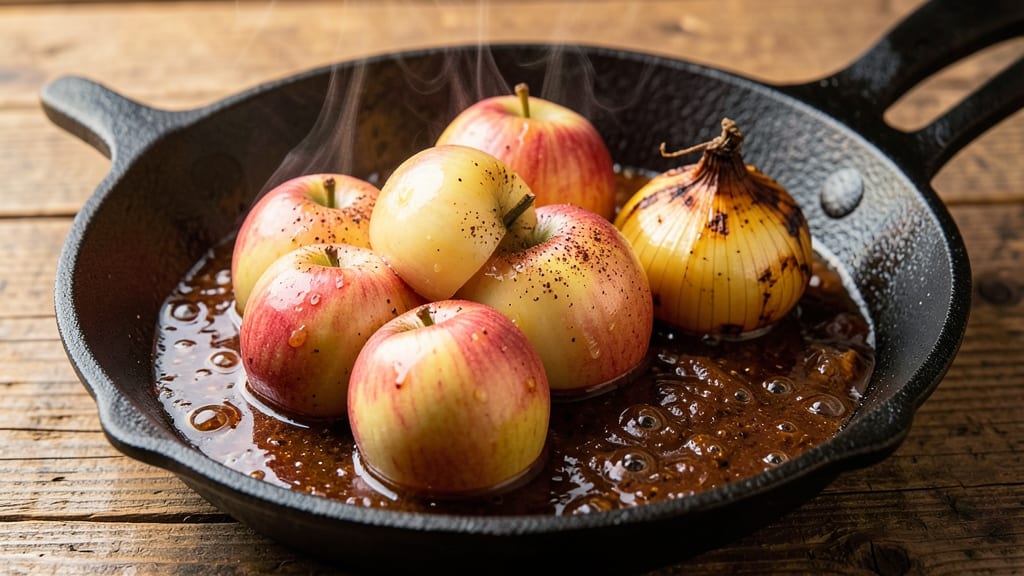
This apple pan hickory sauce recipe transforms simple ingredients into a smoky-sweet glaze that elevates grilled pork, chicken, and even desserts. The secret lies in balancing tart apple cider with hickory's deep, wood-fired flavor, creating a sauce that's rich yet versatile.
Unlike store-bought versions, this homemade version delivers layers of complexity—caramelized edges, a velvety texture, and just the right amount of smokiness to complement rich meats.
The process is straightforward: simmer apples, onions, and spices until tender, then blend with hickory extract (or smoked paprika for a milder touch) and reduce until thick and glossy. A splash of apple cider vinegar brightens the flavors, while brown sugar adds depth.
The result is a sauce that clings beautifully to grilled pork chops, bastes ham with irresistible caramelization, or even drizzles over apple crisp for a gourmet touch. It’s the kind of condiment that turns ordinary meals into restaurant-worthy dishes.
What makes this sauce truly special is its adaptability—use it as a glaze for holiday ham, a drizzle for breakfast sausage, or even a finishing touch for roasted vegetables. The hickory notes cut through richness, while the apple keeps it from feeling heavy.
With just 10 minutes of active prep and 20 minutes of simmering, you’ll have a batch ready to transform your next meal. The best part? It reheats effortlessly, making it perfect for meal prep.
For those who love smoky flavors but want to avoid charcoal or wood chips, hickory extract delivers the same depth without the mess. Store the sauce in the fridge for up to 2 weeks, or freeze for longer shelf life.
Whether you're hosting a barbecue or craving a sweet-savory twist on classic dishes, this sauce is your new kitchen essential.
Ingredients for apple pan hickory sauce
Nine simple ingredients create this smoky-sweet glaze perfect for grilled meats and desserts.
| Ingredient | Amount | Notes |
|---|---|---|
| Apples 🍎 | 2 medium | Peeled, cored, chopped |
| Yellow Onion 🧅 | 1 whole | Diced, medium size |
| Apple Cider Vinegar 🍋 | ¼ cup | Bottled, not homemade |
| Brown Sugar 🍚 | ½ cup | Packed firmly |
| Hickory Extract 🌲 | 1 tbsp | Pure, no additives |
| Smoked Paprika 🌶️ | 1 tbsp | Substitute for extract |
| Ground Cinnamon 🍃 | ½ tsp | Freshly ground preferred |
| Ground Cloves 🌿 | ¼ tsp | Lightly toasted |
| Ground Ginger 🌶️ | ¼ tsp | Freshly grated preferred |
| Unsalted Butter 🧈 | 2 tbsp | Cold, cubed |
The apples are the star—Fuji or Honeycrisp hold their shape best when chopped. Grab a bag from Whole Foods or your local market for the juiciest ones. If you're in a pinch, Granny Smith works too, but expect a slightly tart twist. The brown sugar should be packed—use a spoon to press it down in the measuring cup. For the hickory extract, McCormick or Walnut Hill
No hickory extract? Smoked paprika plus a pinch of liquid smoke mimics the flavor. The apple cider vinegar can be swapped for white vinegar or lemon juice, though the tang will differ slightly. Short on brown sugar? Maple syrup or agave works in a pinch, but reduce the liquid by 1/4 cup to maintain thickness. For a richer finish, stir in 1 tablespoon of apple butter at the end. The spices? Penzeys bulk bins have the best quality, but regular grocery store brands are fine if they're fresh. Toasting the whole spices (cloves, cinnamon) for 30 seconds in a dry pan before grinding boosts their flavor—worth the extra minute. This sauce keeps beautifully—2 weeks in the fridge, 6 months frozen. For freezing, portion into ice cube trays, then transfer to a bag. Reheat gently in a saucepan or microwave until warm. The butter adds richness, but if you're watching calories, use coconut oil instead. Leftovers? Use them to glaze ham, drizzle over pancakes, or even mix into BBQ sauce for a smoky twist. It's that versatile.
Why You'll Love This Recipe
- One-Pot Magic: I swear by this recipe because it’s literally one pan—no extra bowls, no mess. Just toss in the apples, onion, vinegar, and sugar, let it caramelize, then finish with that hickory extract magic. Ten minutes of hands-off simmering, and you’ve got a sauce that tastes like it simmered all day.
- Smoky-Sweet Obsession: That hickory extract? It’s the star—deep, smoky, but balanced by the tangy vinegar and caramelized brown sugar. Honestly, I’ve drizzled it over grilled chicken, roasted pork, and even plain yogurt for dipping. The apples add this weirdly perfect texture, like a cross between jam and glaze.
- Pantry Staple Power: Between us, this recipe uses things you already have: onions, apples, vinegar, sugar. No specialty ingredients, no last-minute grocery runs. I’ll make a big batch on Sundays and keep it in the fridge for weeks—perfect for weeknight dinners or holiday sides when I’m already overwhelmed.
- Leftovers That Don’t Suck: Most sauces turn sad after a few days, but this one? It improves. The flavors meld even better, and it’s still just as good reheated or cold. I’ve frozen it in ice cube trays for quick drizzles later—no waste, no fuss, and zero guilt about not using it all up.
Step-by-step instructions for apple pan hickory sauce
This smoky-sweet glaze comes together faster than you'd think—just follow these simple steps.
Cook the Onion and Apples Until Soft
Melt the 2 tablespoons unsalted butter in a medium saucepan over medium heat. Add the 1 whole yellow onion and cook for 5 minutes, stirring occasionally, until softened and translucent. This step builds the flavor foundation—don't rush it.
Add the 2 medium apples (already peeled, cored, and chopped) and continue cooking for another 5-6 minutes until the apples break down and the mixture becomes tender. You're looking for a jam-like consistency here—this ensures your sauce will be smooth and velvety later on. Stir occasionally to prevent sticking, and keep the heat at medium to avoid burning.
Stir in Spices and Vinegar
Reduce the heat to low and sprinkle in the 1 tablespoon smoked paprika, 0.5 teaspoon ground cinnamon, 0.25 teaspoon ground cloves, and 0.25 teaspoon ground ginger. Stir for 1 minute until the spices are fragrant and fully incorporated. These warm spices will deepen the sauce's complexity.
Pour in the 0.25 cup apple cider vinegar and the 1 tablespoon hickory extract. The vinegar adds tanginess that balances the sweetness, while the hickory extract delivers that unmistakable smoky depth. Stir well and let the mixture simmer gently for 3-4 minutes—you'll notice the raw apple smell transforming into something richer and more aromatic.
Add Sugar and Simmer to Thickening
Increase the heat to medium-low and gradually whisk in the 0.5 cup brown sugar. Stir constantly for 5 minutes until the sugar dissolves completely. This is where the sauce starts to transform—watch closely as the mixture thickens and becomes glossy. If it starts to stick, add 1-2 tablespoons water to loosen it.
Continue simmering for another 5-7 minutes until the sauce coats the back of a spoon and reaches a syrup-like consistency. You want it thick enough to cling to grilled meats but still pourable. Taste and adjust the balance of sweetness and tang—add a pinch more sugar if needed, or a splash more vinegar for acidity.
Cool and Thicken (Optional but Recommended)
Remove the sauce from heat and let it cool for 10-15 minutes. This resting period allows the flavors to meld and the sauce to thicken further. If you prefer an even thicker consistency, transfer it to a clean saucepan and simmer gently for 3-5 minutes until it reaches your desired texture.
Strain the sauce through a fine-mesh sieve if you prefer a smoother texture, pressing gently with a spoon to extract all the flavor. Return it to the saucepan and keep it warm until ready to use. This sauce tastes even better after it's had time to rest—it develops a more complex, layered flavor profile that's perfect for drizzling over grilled pork chops or chicken.
Pro Tips For Making Apple Pan Hickory Sauce
- Cook Apples Low and Slow: If you rush this sauce, you’ll end up with a watery mess. Simmer the apples and onions on medium-low heat for at least 20 minutes—until they’re soft enough to mash easily. The longer they cook, the deeper the caramelized flavor, and that’s where the real hickory-smoked sweetness hides.
- Peel and Core Apples First: I learned this the hard way—skipping the peel and core step means you’re fighting chunks and uneven cooking. Dice them into even ½-inch pieces so they break down uniformly. No one wants a sauce with surprise apple skins lurking in every bite.
- Taste Before Adding Vinegar: The apple cider vinegar is what balances the sweetness, but dumping it all in blindly can turn your sauce sour. Simmer the apples and onions until they’re tender, then taste before adding the vinegar—you might only need half the amount listed.
- Use Real Hickory Smoke (Optional): If you’re feeling fancy, swap a splash of hickory extract for a few drops of liquid smoke—it’s stronger and more authentic. Start with just ¼ teaspoon, taste, then adjust. Extract is convenient, but liquid smoke cuts through the sweetness like a campfire should.
Make-ahead tips for this apple pan hickory sauce
Prep Ahead for Meals
Make this sauce 2 days in advance—it actually tastes better after resting! Store it in a glass jar in the fridge, where the flavors deepen and the texture thickens naturally.
I like to portion it into 4-ounce jars for easy grab-and-go use during the week. The sauce keeps for up to 2 weeks this way, perfect for busy schedules. 📅
Freezer-Friendly Tips
For longer storage, freeze the sauce in ice cube trays—each cube equals about 1 tablespoon, ideal for single servings. Once frozen, transfer cubes to a ziplock bag and flatten to save space.
Thaw overnight in the fridge or microwave for 30 seconds on low power. The texture remains smooth, and the smoky-sweet balance stays perfect. 🧊
Double the Batch
This recipe easily scales up! Double all ingredients and use a large saucepan to prevent sticking. Simmer for 10-12 minutes total to reach the right consistency. Store the extra in the freezer for future BBQs or holiday meals.
I’ve made 4 batches at once for family gatherings—just adjust the simmering time slightly. 🍖
Reheat Like a Pro
For best results, reheat the sauce in a small saucepan over low heat, stirring constantly to prevent burning. If using the microwave, cover with a damp paper towel and heat in 20-second bursts, stirring between each.
Add 1 teaspoon water if it thickens too much. Never boil—just warm until it’s pourable again. 🔥
Use It Twice
This versatile sauce works twice in one meal! Use half to glaze your pork chops and drizzle the rest over roasted sweet potatoes. The smoky-sweet flavor pairs perfectly with mashed potatoes or cornbread too.
I’ve even used it as a dipping sauce for fried chicken—trust me, it’s a game-changer. 🍽️
Flavor Boost Hack
Want extra depth? Stir in 1 teaspoon of apple butter or ½ teaspoon of liquid smoke when reheating. For a spicy kick, add ¼ teaspoon of cayenne pepper.
These tweaks customize the sauce for any dish without starting from scratch. Keep a small jar of each in your pantry for quick flavor upgrades. 💡
Nutrition facts
Frequently asked questions
Can I substitute hickory extract with something else for a smoky flavor?
For a similar smoky depth, use 1 tablespoon smoked paprika plus ½ teaspoon liquid smoke instead of the hickory extract. If you only have liquid smoke, ½ teaspoon will work, but taste as you go—it's potent! For a milder touch, just double the smoked paprika to 2 tablespoons.
How do I prevent the sauce from getting too thin or too thick?
For a thinner sauce, add 1-2 tablespoons water or apple cider while simmering. If it thickens too much, stir in 1 teaspoon water or vinegar to loosen it. The key is simmering time—5-7 minutes after adding sugar usually gives the perfect consistency. Taste and adjust as you go!
What are the best ways to use this sauce beyond grilled meats?
This versatile sauce works beautifully as a glaze for ham, a drizzle over apple crisp, or even a dipping sauce for fried chicken. Try brushing it on baked sweet potatoes or mixing it into BBQ sauce for a smoky-sweet twist. It also pairs well with cheese boards or as a topping for pancakes or waffles.
Can I make this sauce without apples?
While apples are key for the signature flavor, you can use ½ cup unsweetened applesauce or ¼ cup apple juice in a pinch. For a deeper flavor, add 1 teaspoon apple pie spice or ½ teaspoon cinnamon. However, the texture may be slightly different—expect a smoother but less jammy consistency.
How do I fix a sauce that tastes too sweet or too tangy?
If it's too sweet, balance it with 1-2 teaspoons apple cider vinegar or lemon juice. For a tangy sauce, stir in ½ teaspoon more brown sugar or a pinch of cinnamon. Taste as you adjust—small changes make a big difference! The goal is a smoky-sweet balance with a hint of brightness.