
Sauces & Condiments
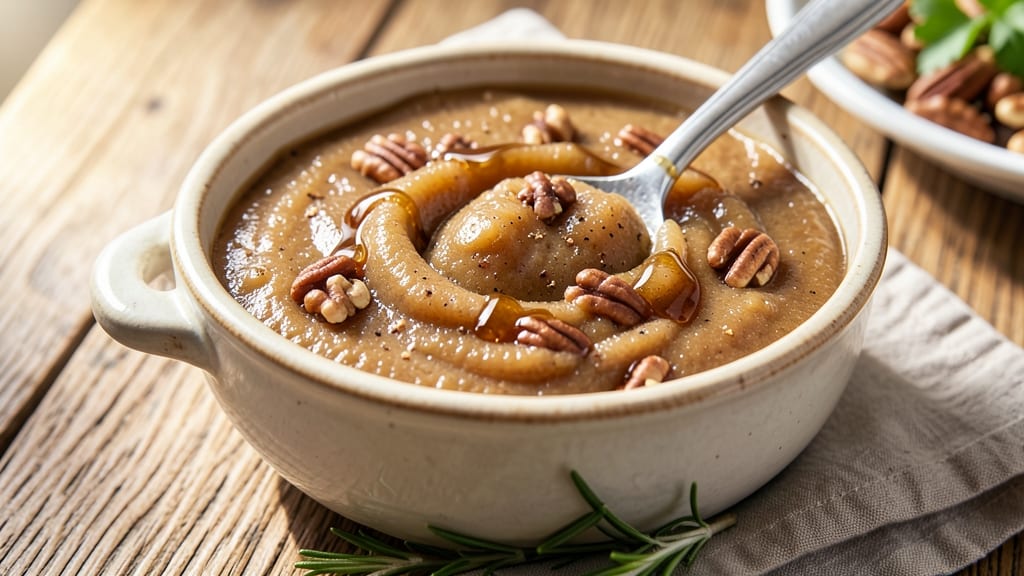
Transforming a canned applesauce into rich, spiced apple butter using this clever apple butter recipe using canned applesauce proves that zero-waste cooking can still deliver restaurant-quality results. This recipe turns humble pantry staples—like cinnamon, brown sugar, and vanilla—into a thick, velvety spread that rivals homemade versions made from fresh apples.
The secret lies in slow cooking to achieve that perfect paste-like consistency without lumps or excess liquid.
What makes this method particularly clever is how it balances simplicity with depth of flavor. You’ll combine canned applesauce with warm spices (cinnamon, nutmeg, and cloves) and a touch of acidity (lemon juice) to brighten the sweetness.
As it simmers, the mixture thickens naturally, developing a glossy sheen and aromatic complexity that’s impossible to resist.
The result is a smooth, spreadable apple butter with a perfect balance of sweetness and warmth—ideal for slathering on toast, drizzling over cheese boards, or pairing with sharp cheddar.
Unlike store-bought versions, this recipe delivers bold, homemade flavor without the added preservatives, and it keeps beautifully in the fridge for up to 3 weeks.
Best of all, this version requires no peeling, coring, or chopping—just open the can and let the spices work their magic. Ready in under an hour, it’s the perfect way to elevate everyday meals with minimal effort. Let’s get cooking!
Ingredients for apple butter recipe using canned applesauce
Nine pantry staples transform humble canned applesauce into velvety, restaurant-worthy apple butter—zero waste, maximum flavor.
| Ingredient | Amount | Notes |
|---|---|---|
| Unsweetened Canned Applesauce 🍎 | 2 cups | Smooth, unsweetened variety preferred |
| Light Brown Sugar 🍚 | 1 ½ cups | Packed firmly for accuracy |
| Ground Cinnamon 🌿 | 2 tbsp | Freshly ground for intense flavor |
| Ground Nutmeg 🌿 | 1 tsp | Freshly grated preferred |
| Ground Cloves 🌶️ | ½ tsp | Lightly toasted for warmth |
| Pure Vanilla Extract 🌸 | 1 tbsp | High-quality, no alcohol needed |
| Fresh Lemon Juice 🍋 | 1 tbsp | Brightens the sweetness |
| Extra-Virgin Olive Oil 🫒 | 1 tbsp | For glossy finish and richness |
| Salt 🧂 | ½ tsp | Kosher or sea salt preferred |
| Water 💧 | ½ cup | Adjusts consistency as needed |
The unsweetened canned applesauce is your flavor foundation—Mott's or Bertolli are my go-tos, but any smooth, unsweetened brand works. Brown sugar makes or breaks the texture: pack it firmly into the cup for accurate measurement, and don’t substitute white sugar unless you want a sharper finish. For spices, Penzeys or bulk bins at Whole Foods deliver the freshest ground cinnamon and nutmeg—toasted whole spices (lightly dry-toasted in a pan for 30 seconds) add depth, but pre-ground works in a pinch. The vanilla extract should be pure, no imitation—McCormick or Lake Champlain are reliable choices. Fresh lemon juice brightens the sweetness, so use a ripe lemon (the juice should be vibrant yellow).
No brown sugar? Lightly packed white sugar works, but the molasses notes in brown sugar are essential for that classic apple butter flavor. Running short on cloves? A pinch of allspice or half the amount of cinnamon keeps the warmth. Maple syrup can replace sugar at a 1:1 ratio, but adjust the water to compensate for moisture. Substitute vanilla bean paste for extract if you prefer—just use half the amount. The olive oil isn’t just for richness; it creates that signature glossy sheen. Use a fruity, extra-virgin oil like California Olive Ranch or Colavita to avoid any bitterness. If your applesauce is particularly thick, skip the water entirely—this recipe is forgiving!
This apple butter thickens as it cools, so resist the urge to rush it—patience is key for that perfect spreadable consistency. Store in a sterilized glass jar with a tight seal in the fridge for up to 3 weeks, or freeze for 6 months (portion into ice cube trays for single-serving convenience). Label with the date—trust me, you’ll forget! For a restaurant-quality finish, drizzle a thin layer of olive oil over the top before sealing to preserve freshness. The flavors actually improve overnight as the spices meld, so make extra if you can—it disappears faster than you think!
Why You'll Love This Recipe
- No-Sweat Simplicity: I’m talking five ingredients, a single pot, and 20 minutes of hands-off time. Just dump the applesauce, stir in the spices, and let it simmer—no peeling, coring, or messy counters. Honestly, I’ve made this while waiting for dinner to cook.
- Spiced Gold Magic: That first whiff of nutmeg and cloves hitting the warm applesauce? Chef’s kiss. The brown sugar caramelizes just enough to make every spoonful taste like autumn in a jar—sweet but never cloying, with a warmth that lingers.
- Pantry-to-Table Flex: Slather it on toast, stir it into oatmeal, or drizzle it over yogurt—this stuff disappears fast. I keep a jar in the fridge for when I’m lazy or when company drops by unexpectedly. (Yes, even on a Tuesday night.)
- Budget-Friendly Staple: A single can of applesauce and a bag of spices stretch for weeks of breakfasts, snacks, or desserts. No wasted ingredients, no last-minute grocery runs—just pure, reliable flavor that costs next to nothing. My wallet thanks me.
Step-by-step instructions for homemade apple butter
Transform simple pantry staples into rich, aromatic apple butter with this foolproof method.
Combine Base Ingredients in a Heavy Saucepan
Place the 2 cups unsweetened canned applesauce, 1.5 cups light brown sugar, 2 tbsp ground cinnamon, 1 tsp ground nutmeg, 0.5 tsp ground cloves, 0.5 tsp salt, and 0.5 cup water in a heavy-bottomed saucepan. Stir over medium heat until the mixture reaches a gentle simmer—about 5-7 minutes. The sugar will dissolve completely, creating a smooth, fragrant base.
Here's the thing—I always use a heavy saucepan for this step. The extra weight prevents scorching and ensures even heat distribution. Keep stirring occasionally to prevent any sticking at the bottom. You're looking for a thick, syrupy consistency that coats the back of a spoon when you lift it up.
Simmer Until Thickened and Fragrant
Once the mixture simmers, reduce the heat to low and let it cook uncovered for 45-60 minutes, stirring every 10-15 minutes. This slow cooking process allows the flavors to meld and the mixture to thicken dramatically. You'll notice the aroma intensify—warm cinnamon, nutmeg, and clove notes will fill your kitchen.
I know it seems like forever, but patience is key here. The apple butter needs time to develop its signature depth. Watch for the texture to transform from liquid to a thick, spreadable consistency. You'll know it's ready when it coats a spoon and leaves a clean trail behind—no drips, just rich, velvety apple butter.
Incorporate Finishing Touches
Remove the saucepan from heat and stir in the 1 tbsp pure vanilla extract and 1 tbsp fresh lemon juice. Let the mixture sit for 5 minutes to allow the flavors to fully integrate. Then, whisk in the 1 tbsp extra-virgin olive oil—this adds a luxurious sheen and balances the sweetness with subtle richness.
This is where the magic happens. The vanilla brightens the warm spices, while the lemon juice cuts through the sweetness just enough to make it complex. The olive oil ties everything together, giving your apple butter that professional finish. Don't skip this step—it makes all the difference in the final product.
Test for Doneness and Adjust Consistency
Return the pan to low heat and cook for an additional 10-15 minutes, stirring frequently. The apple butter should now be thick enough to hold its shape when dropped from a spoon. If it's still too thin, continue cooking until it reaches your desired consistency—this can take up to 90 minutes total. For a smoother texture, use an immersion blender to puree briefly.
If you prefer a slightly looser spread, add 1-2 tablespoons of water at a time until you reach the perfect consistency. The key is to taste as you go. It should be sweet but not cloying, with warm spices that sing on your tongue. Real talk: your first batch might be a little thinner than you expect—don't worry, just cook it down longer next time.
Store and Enjoy Your Creation
Transfer the finished apple butter to a clean, sterilized jar while it's still warm. This helps prevent mold growth and makes it easier to spread later. Let it cool completely at room temperature, then seal tightly. Store in the refrigerator for up to 3 months, or freeze for up to 6 months for maximum freshness.
Here's the best part—this versatile spread shines on toast, pancakes, or even straight from the spoon. The perfect balance of sweet, spicy, and tangy flavors makes it a pantry staple. And because we're using canned applesauce, you're not only creating something delicious but also reducing food waste—win-win!
Pro Tips For Making Apple Butter Recipe Using Canned Applesauce
- STIR CONSTANTLY LOW HEAT: I learned this the hard way—skipping the stir turns your pot into a sticky mess. Simmer on medium-low (not high) and keep it moving with a wooden spoon every 2-3 minutes. The applesauce will thicken into a glossy spread instead of burning at the edges.
- USE A SPLASH OF VINEGAR: Sounds weird, but it works: Add 1 tablespoon apple cider vinegar when you start cooking. It cuts through the sweetness and helps the spices dissolve evenly. (Yes, even if you’re impatient like me—just do it.)
- SKIP THE OVERMIXING: Once the sugar dissolves and the mixture thickens, stop stirring aggressively. Overworking it makes the texture grainy. Let it sit for 5 minutes off heat before tasting—it’ll settle into a smoother spread.
- SWAP FOR WHOLE SPICES FIRST: My grandmother swore by this: Toast 1 cinnamon stick, 2 cloves, and a pinch of nutmeg seeds in a dry pan for 30 seconds before grinding. The aroma is deeper, and the flavor lingers longer than pre-ground spices. (I know, I know—but trust the process.)
Troubleshooting this recipe
Too Thin or Watery
If your apple butter isn’t thickening enough, you’re likely not cooking it long enough. I’ve found that low and slow is key—keep it simmering uncovered for up to 90 minutes total. Stir frequently to prevent sticking, and resist the urge to rush it.
If it’s still too thin after the full time, try adding 1 tbsp cornstarch mixed with 1 tbsp water, then simmer for another 10-15 minutes until it thickens. 🌡️
Grainy or Lumpy Texture
Lumps usually mean the sugar didn’t dissolve properly or you stirred too vigorously. For a smoother finish, use an immersion blender after cooking to puree briefly. If you don’t have one, strain the mixture through a fine-mesh sieve into a clean bowl for a silky texture.
Also, make sure your brown sugar is packed firmly—this prevents clumping during cooking.
Burnt or Scorched Flavor
This happens when the mixture sticks to the pan or boils too vigorously. Always use a heavy-bottomed saucepan to distribute heat evenly, and keep the heat at low-medium once simmering.
Stir every 10-15 minutes to prevent scorching. If it does burn, start over—scorched apple butter has an unpleasant bitter taste that’s hard to mask. 🔥
Overly Sweet or Cloying
If your apple butter tastes too sweet, the lemon juice or vanilla extract might not have balanced it enough. Taste as you go and adjust with 1-2 tbsp extra lemon juice or a pinch of salt to brighten the flavors.
For a less sweet version, reduce the brown sugar to 1 cup and add 1 tbsp maple syrup for depth without extra sweetness.
Spices Too Strong or Bitter
Freshly ground spices are key—pre-ground spices can lose potency over time. If your spices taste bitter or overpowering, try toasting whole spices (like cinnamon sticks) lightly in a dry pan for 30 seconds before grinding, or reduce the amounts slightly.
For a milder flavor, use ½ tsp nutmeg and ¼ tsp cloves instead of the full amounts.
Mold or Fermentation Issues
Apple butter can spoil if not stored properly. Always transfer it to a sterilized glass jar while warm, seal tightly, and refrigerate within 2 hours of cooking. If mold appears, discard it immediately—apple butter should last 3 months refrigerated or 6 months frozen.
To prevent fermentation, ensure the mixture reaches a thick, paste-like consistency before storing, as excess moisture encourages spoilage. ❄️
Nutrition facts
Frequently asked questions
Why does my apple butter turn out too thin even after long cooking?
This usually happens when the mixture isn't simmered long enough or the heat isn't low enough. For perfect thickness, cook uncovered on low heat for 60-90 minutes total, stirring every 10-15 minutes. If still thin, add 1 tbsp cornstarch mixed with 1 tbsp water and simmer another 10 minutes. Patience is key—rushing causes watery results!
Can I use sweetened canned applesauce instead of unsweetened?
Yes, but reduce the brown sugar to 1 cup to avoid over-sweetness. Sweetened applesauce already contains sugar, so balance carefully. Taste as you go and adjust with 1 tbsp lemon juice if needed. The texture will still thicken properly, but the flavor profile changes slightly.
How do I make this apple butter vegan?
Swap the vanilla extract for vegan vanilla (alcohol-free) and replace olive oil with vegan butter or coconut oil for richness. Use maple syrup instead of brown sugar if needed. All other ingredients are already plant-based! The texture remains identical, just ensure your substitutions are properly measured.
What's the best way to use up extra apple butter?
Spread it on toasted sourdough with sharp cheddar, mix into oatmeal for warmth, or drizzle over pancakes. It also pairs beautifully with aged Gouda on cheese boards. For a sweet twist, stir into yogurt or ice cream. The possibilities are endless—get creative!
Can I make apple butter without a heavy saucepan?
While not ideal, a stainless steel saucepan works in a pinch. Avoid non-stick—it can't handle prolonged simmering. If using a light pan, reduce heat to lowest setting and stir every 5 minutes to prevent burning. For best results, invest in a heavy-bottomed pan for next time.