
Sauces & Condiments
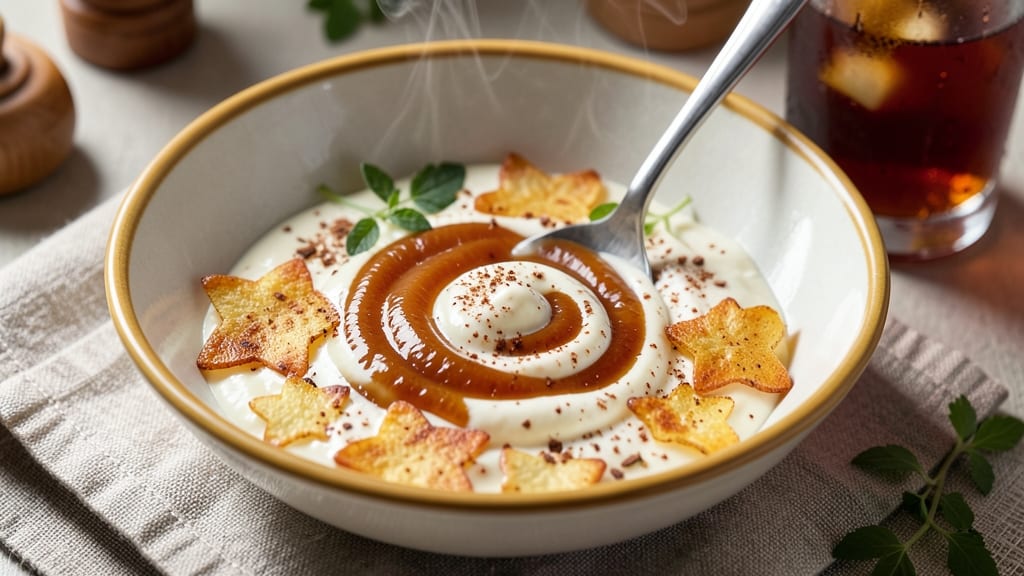
This apple cider cream sauce recipe transforms humble ingredients into a velvety, spiced drizzle that elevates roasts and mashed potatoes to restaurant-quality levels. The caramelized depth of apple cider blends seamlessly with rich cream, creating a sauce that's both comforting and sophisticated.
I developed this recipe after years of experimenting with holiday sides, and it's now my go-to for adding warmth to any meal.
The secret lies in slow reduction—simmering the apple cider until it thickens into a fragrant syrup before incorporating cream and spices. This method ensures a sauce that's creamy yet balanced, with just the right amount of sweetness and spice.
The result is a velvety drizzle that clings beautifully to roasted meats or melts into fluffy mashed potatoes, adding a touch of autumnal elegance to every bite.
What makes this sauce truly special is its versatility. It works as a glazing sauce for pork tenderloin, a creamy dip for apple slices, or even a dessert drizzle for cheesecake.
The spices—cinnamon, nutmeg, and a hint of clove—infuse warmth without overpowering, making it perfect for both savory and sweet applications. Once you try it, you'll never reach for store-bought again.
Best of all, this sauce keeps well in the refrigerator for up to 5 days, allowing you to make a big batch for holiday meals. The flavors deepen over time, making it even more irresistible.
Whether you're hosting a dinner party or simply craving a cozy weeknight meal, this apple cider cream sauce is the perfect finishing touch.
Ingredients for apple cider cream sauce
Nine simple ingredients create this velvety, spiced apple cider sauce that transforms ordinary meals into something extraordinary.
| Ingredient | Amount | Notes |
|---|---|---|
| Apple Cider 🍎 | 2 cups | High-quality, unsweetened preferred |
| Heavy Cream 🥛 | 1 cup | Full-fat for best texture |
| Unsalted Butter 🧈 | 4 tbsp | Cold, cut into small pieces |
| Granulated Sugar 🍚 | ¼ cup | Adjust to taste for sweetness |
| Ground Cinnamon 🌿 | 1 tsp | Freshly ground for aroma |
| Ground Nutmeg 🌿 | ½ tsp | Freshly grated preferred |
| Ground Cloves 🌶️ | ¼ tsp | Lightly toasted for warmth |
| Salt 🧂 | ½ tsp | Kosher or sea salt |
| Cornstarch 🌾 | 1 tbsp | For thickening sauce |
The apple cider is the heart of this sauce—Muller's or Woodchuck brands have the deepest flavor. Look for bottles labeled 'unsweetened' to avoid any hidden sugars that'll throw off your balance. The heavy cream should be cold when you add it to prevent curdling, and Store brand or Organic Valley are reliable choices. Butter matters too—Plugrá or Land O'Lakes cultured add richness, but any unsalted will work. For the spices, Penzeys or the bulk bins at Whole Foods have the freshest ground spices, which make all the difference in this recipe.
No heavy cream? Half-and-half or coconut cream works in a pinch, though the texture will be slightly lighter. Running low on cornstarch? Arrowroot powder at the same amount does the same job. The spices can be adjusted—skip the cloves if you're sensitive to their intensity, or double the cinnamon for extra warmth. For a tangy twist, add 1 tbsp apple cider vinegar with the sugar. And if you're making this ahead, reduce the cider by 20% first so it doesn't separate while storing.
This sauce keeps beautifully—5 days in the fridge sealed in an airtight container with a thin layer of oil on top to preserve the color. For longer storage, freeze in ice cube trays and transfer to a bag. Thaw overnight in the fridge, then reheat gently on the stove with a splash of cream to restore that silky texture. I always make a double batch—one for the roast, one for dipping apple slices. The flavors actually deepen over time, so leftovers are just as good as day one.
Why You'll Love This Recipe
- Five-Ingredient Magic: That’s it—just apple cider, cream, butter, sugar, and cinnamon. No fancy techniques, no last-minute grocery runs. I’ve made this while stirring a pot of pasta with one hand and answering the door with the other. It’s the kind of recipe that makes you wonder why you ever complicate things.
- Fall in a Spoonful: The moment the warm cider meets the creamy butter, that first taste hits like a cozy hug. The sugar caramelizes just enough to balance the tangy cider, while the cinnamon lingers like a whisper of autumn. Honestly, I’ve caught myself licking the spoon mid-stir—no shame.
- Pantry to Plate: This sauce turns ordinary meals into something special. Drizzle it over roasted chicken, stir it into oatmeal, or serve it with vanilla ice cream. My kids even ask for it on pancakes—yes, really. It’s the kind of versatile sauce that makes you feel like a hero without trying.
- Leftovers That Don’t Suck: Unlike some sauces that turn gloppy or grainy, this one actually improves overnight. Store it in the fridge, and the next day, it’s even richer—perfect for reheating with a splash of milk or cider. I’ve frozen batches too, and it thaws like it was just made. Practical? Absolutely. Delicious? Even more so.
Step-by-step instructions for apple cider cream sauce
This velvety sauce transforms simple roasts and mashed potatoes into something extraordinary.
Caramelize the Apple Cider
In a medium saucepan, combine the 2 cups apple cider, 0.25 cup granulated sugar, and 0.5 tsp salt. Bring to a boil over medium-high heat, then immediately reduce to medium-low heat. Let it simmer uncovered for 10-12 minutes until the liquid reduces by about half and turns a deep amber color with caramelized edges.
Here's the thing—you want that rich, spiced cider flavor to concentrate. I stir occasionally to prevent sticking, but don't worry if it splatters a little. The aroma alone will make your kitchen smell like autumn. When it reaches your desired depth of color (about amber-golden), remove from heat and stir in the 1 tsp ground cinnamon, 0.5 tsp ground nutmeg, and 0.25 tsp ground cloves. Let the spices steep for 5 minutes while you prepare the rest.
Create a Butter-Cream Base
In a separate saucepan, melt the 4 tbsp unsalted butter over low heat until completely liquid. Add the 1 cup heavy cream and bring to a gentle simmer. Watch carefully—you don't want it to boil vigorously or it'll curdle. Once the cream is heated through (about 2-3 minutes), whisk in the 1 tbsp cornstarch to create a smooth slurry.
This step is crucial for thickening. The cornstarch needs to be fully dissolved in the cream before combining with the cider mixture. I like to whisk vigorously for 1-2 minutes until the sauce thickens noticeably. It should coat the back of a spoon but still flow smoothly—this ensures that perfect balance between creamy and pourable.
Combine and Simmer to Perfection
Slowly pour the spiced caramelized cider into the butter-cream mixture, whisking constantly to prevent lumps. Return the combined sauce to medium-low heat and let it simmer gently for 5-7 minutes, stirring frequently. You're looking for a sauce that coats a spoon but still has a glossy sheen—this indicates proper thickening.
If the sauce thickens too quickly, add 1-2 tablespoons of water to loosen it. The goal is a luxurious consistency that drizzles beautifully over roasted meats or clings to mashed potatoes. Taste and adjust seasoning—you might need a touch more sugar or salt depending on your cider's natural sweetness. Remember, we're aiming for that perfect harmony of spiced caramel and creamy richness.
Finish and Serve Warm
Once your sauce reaches the ideal consistency, remove it from heat and let it rest for 5 minutes. This resting period allows the flavors to meld completely and the sauce to thicken slightly as it cools. I know it's tempting to serve immediately, but patience here makes all the difference in the final texture.
For an extra touch of elegance, strain the sauce through a fine-mesh sieve to remove any clove bits if you prefer a silky texture. Serve warm over roasted chicken, turkey, or mashed potatoes—it's pure comfort food magic. The sauce will keep well in the refrigerator for up to 3 days, so make extra for leftovers. Just reheat gently over low heat, stirring occasionally to prevent skin formation.
Pro Tips For Making Apple Cider Cream Sauce
- Simmer Slow and Steady: I learned this the hard way—rushing the reduction of apple cider turns it into a thin, syrupy mess instead of a rich, caramelized base. Keep heat at a gentle simmer (medium-low) and let it bubble away uncovered for 8–10 minutes, stirring occasionally. You want it reduced by about half, not boiled down to a sticky glaze.
- Use Cold Cream: Heavy cream separates when heated too quickly, and nobody wants curdled sauce. Whisk in the cold cream off the heat or over the lowest possible setting—just enough to warm it through. If it looks like it’s fighting you, pull the pot off heat and stir until it smooths out.
- Skip the Pre-Measure Cinnamon: Ground cinnamon loses potency fast, and pre-measured packets often contain way too much. Toast a whole cinnamon stick in a dry pan for 30 seconds until fragrant, then crush it yourself—freshly ground means deeper flavor. Start with ½ teaspoon and adjust; you can always add more, but you can’t take it out.
- Cut the Butter Last: Adding butter too early turns your sauce into a greasy, separated lump. Once the cider-sugar mixture is thickened and the cream is fully incorporated, whisk in cold butter a pat at a time. The sauce will thicken instantly—this is when it becomes velvety, not waxy. (Yes, even if you’re impatient like me.)
Common mistakes when making great apple cider cream sauce
Over-Reducing the Cider
The biggest mistake I see is reducing the apple cider too aggressively. When you boil it down past half its original volume, you risk concentrating the sugars into a syrup that becomes overly sweet and loses balance.
Aim for a reduction that's about 50-60% of the original volume—this gives you that perfect caramelized depth without cloying sweetness. I've ruined batches by letting it reduce too much, so set a timer and check frequently. 🌡️
Adding Cream Too Quickly
Pouring cold cream into hot cider can cause curdling, creating a lumpy, grainy sauce that's impossible to fix. Always heat your cream gently until it's warm (but not boiling) before combining with the cider mixture.
I like to bring the cream to a gentle simmer first—this ensures a smooth, velvety texture when they meet. The temperature difference should be minimal, ideally within 20°F.
Skipping the Spice Steep
Many cooks stir in the spices right after caramelizing, but letting them steep for 5 minutes off the heat is crucial. This allows the cinnamon, nutmeg, and cloves to infuse the reduced cider with maximum flavor.
I've tasted versions where the spices were just sprinkled on top—they lack that warm, aromatic depth that makes this sauce special. Think of it like steeping tea—patience pays off.
Ignoring the Cornstarch Slurry
Adding cornstarch directly to the sauce without first creating a slurry can create lumps that ruin the texture. Always whisk the cornstarch with a little cold cream first to form a smooth paste before adding it to the hot mixture.
I've seen people just sprinkle it in and end up with a sauce that looks like it has sand in it. This simple step prevents clumping and ensures that perfect creamy consistency. 💡
Over-Stirring While Simmering
While you want to stir occasionally to prevent sticking, over-stirring can create a thick, gluey sauce. Once the cornstarch activates, the sauce will naturally thicken—you just need to maintain gentle heat. I find that stirring every 1-2 minutes is plenty.
Constant stirring breaks down the cream's structure, leading to a sauce that's too heavy rather than silky. Let the cornstarch do its work while you monitor the heat.
Not Tasting During Process
Many home cooks wait until the very end to taste their sauce, but this is a recipe where adjustments are made along the way. Taste after reducing the cider to check sweetness, then again after adding cream to balance flavors.
Your cider's natural acidity or sweetness might need adjusting with a pinch more sugar or salt. I always keep a small bowl of plain yogurt nearby to cleanse my palate between tastings—it helps me detect subtle flavor imbalances. 🍴
Nutrition facts
Frequently asked questions
Can I make this sauce with dairy-free cream?
Replace the heavy cream with 1 cup full-fat coconut cream or half-and-half for a lighter texture. For best results, use a thick coconut cream (the part that separates when refrigerated) to maintain richness. The sauce will still thicken properly, though it may have a slightly different mouthfeel. Always heat the dairy-free alternative gently to prevent curdling.
How can I use this sauce beyond roasts and mashed potatoes?
This versatile sauce works beautifully as a dipping sauce for apple slices or donuts, a glaze for baked brie or sweet potatoes, or even a topping for vanilla ice cream or cheesecake. For sweet applications, reduce the spices slightly (use 0.5 tsp cinnamon and 0.25 tsp nutmeg instead) and add 1 tsp vanilla extract at the end. The caramelized depth pairs wonderfully with both savory and sweet dishes!
Why did my sauce turn out too thin?
If your sauce is too thin, you likely didn't simmer it long enough after adding the cornstarch. The cornstarch needs 5-7 minutes of gentle simmering to fully thicken. To fix it, whisk in 1 tsp cornstarch mixed with 1 tbsp cold cream and simmer for another 2-3 minutes. If it's still too runny, repeat the process. For future batches, make sure your heat stays at medium-low—too high will cause the sauce to break.
Can I make this sauce ahead of time?
Yes! This sauce actually tastes better the next day as the flavors meld. Store it in an airtight container in the fridge for up to 5 days. To reheat, warm it gently over low heat and stir in 1-2 tbsp cream to restore creaminess. For longer storage, freeze in ice cube trays and transfer to a bag. Thaw overnight in the fridge—never microwave from frozen, as it can separate.
What's the best way to adjust the sweetness?
Taste the reduced cider before adding cream—this is your best chance to adjust sweetness. If it's too tart, add 1-2 tsp more sugar while simmering. For a tangy balance, stir in 1 tsp apple cider vinegar instead. After adding cream, you can tweak with a pinch of salt or a splash of maple syrup if needed. Remember, the spices add warmth, so don't overcorrect with sugar—aim for a harmonious blend of caramel and cream.