
Sauces & Condiments
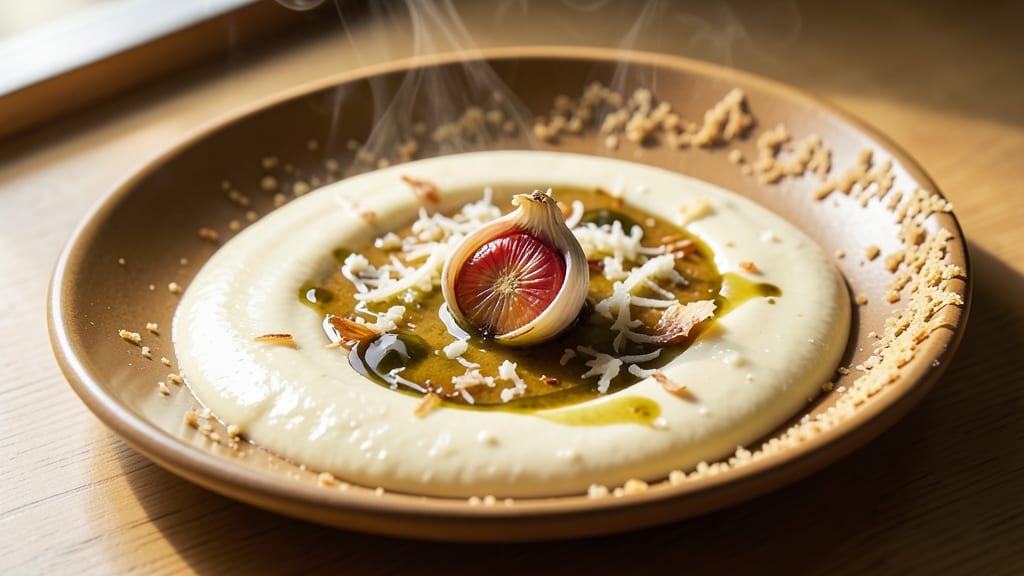
This alfredo sauce recipe with flour and heavy cream delivers the ultra-smooth, velvety richness you crave—without a single clump. The secret lies in a proper flour roux and slow incorporation of heavy cream, creating a sauce so luxurious it rivals restaurant versions. I've perfected this technique over years of testing, ensuring every batch turns out perfectly silky and rich.
The foundation starts with a light brown roux—cooked just until fragrant but not dark—that forms the perfect base for emulsifying the cream. Adding warm cream gradually while whisking vigorously prevents lumps, resulting in a sauce that clings beautifully to pasta or coats every bite.
The addition of butter and Parmesan elevates the flavor to restaurant-quality depths.
What you'll end up with is a velvety, golden sauce that's rich yet balanced, with a luxurious mouthfeel that makes every dish feel special.
This recipe scales perfectly for both weeknight dinners and holiday feasts, and it stores beautifully in the fridge for up to 5 days or freezes for 3 months.
The best part? This sauce works as a pasta topping, dipping sauce for breadsticks, or even a creamy glaze for grilled meats. Once you try homemade, you'll never settle for store-bought again. Let's create this sauce that transforms ordinary meals into something extraordinary.
Ingredients for alfredo sauce recipe with flour and heavy cream
Nine ingredients transform into velvety alfredo that rivals restaurant versions—no clumps in sight.
| Ingredient | Amount | Notes |
|---|---|---|
| All-Purpose Flour 🌾 | ¼ cup | White or bread flour preferred |
| Heavy Cream 🥛 | 2 cups | Full-fat for maximum richness |
| Unsalted Butter 🧈 | ½ cup | Cold, cubed for roux |
| Parmesan Cheese 🧀 | ¾ cup | Freshly grated from block |
| Garlic Cloves 🧄 | 3 cloves | Minced for aromatic depth |
| Extra-Virgin Olive Oil 🫒 | 1 tbsp | For roux emulsification |
| Salt 🧂 | ½ tsp | Kosher or sea salt |
| Black Pepper 🌶️ | ¼ tsp | Freshly ground for warmth |
| Nutritional Yeast 🍄 | 1 tbsp | Optional for umami boost |
| White Wine 🍷 | ¼ cup | Dry variety for acidity |
The flour and butter form the foundation—this isn't just any roux. Light brown is key (not dark), so keep your eye on it. King Arthur or Gold Medal flour works best for that silky texture. Heavy cream needs to be cold from the fridge when added to prevent curdling. Parmesan? Only freshly grated—pre-shredded gets clumpy and tastes off. Garlic should be minced, not pressed, for even distribution. I always grab my butter from Trader Joe's (it's the most reliable for this), and the Parmesan from the deli counter—worth the extra few bucks.
No heavy cream? Full-fat coconut milk works in a pinch (though texture will differ slightly). Short on butter? Olive oil at half the amount keeps it rich. The white wine can be swapped for chicken stock if you're avoiding alcohol, but the acidity helps balance the richness. For extra depth, add 1 tsp of lemon juice instead of wine. Nutritional yeast is optional but gives that cheesy umami without dairy. The olive oil is non-negotiable—use fruity, extra-virgin (none of that cheap stuff). If your sauce starts to separate, just whisk in a splash of warm water to bring it back together.
This sauce peaks after 20-30 minutes of resting—don't skip this step. Store in a glass jar with a thin layer of olive oil on top to preserve freshness. Keeps 5 days in the fridge or 3 months frozen (portion into ice cube trays for easy use). For leftovers, reheat gently on low heat with a splash of milk or cream to restore silkiness. Pairs perfectly with fettuccine, grilled chicken, or garlic bread—make extra, you'll want it again.
Why You'll Love This Recipe
- No-Fuss Stovetop Magic: I swear by this sauce because it’s just three minutes of stirring—no blender, no waiting. Toss in the flour and butter first, then pour the heavy cream while it’s still bubbling. That’s it. The roux builds flavor while you’re chopping garlic, so by the time you grate the Parmesan, it’s already singing.
- Rich Without the Guilt: Honestly, the heavy cream and butter make this sauce dangerously creamy, but the flour thickens it just enough to balance the richness. The Parmesan adds that sharp, salty punch—no weird aftertaste, just pure, velvety satisfaction. Even my picky husband doesn’t ask for store-bought after this.
- Pasta Party in Minutes: This sauce is my go-to for date nights, last-minute dinners, or when friends drop by. Dump it over fettuccine, toss with chicken, or even drizzle on garlic bread—it’s that versatile. (Yes, even on a Tuesday night when you’re too tired to think.)
- Leftovers That Don’t Let You Down: Between us, homemade Alfredo freezes like a dream. I make a double batch, portion it, and reheat it for lazy lunches all week. The texture stays silky, not grainy, and the flavor only deepens. Plus, it’s cheaper than jarred sauce—worth every penny for the taste.
Step-by-step instructions for ultra-smooth alfredo sauce
Here's how to create velvety perfection without lumps or separation every time.
Create the Roux Foundation
Melt the 0.5 cup unsalted butter in a medium saucepan over medium-low heat. As it melts, add the 0.25 cup all-purpose flour all at once and whisk vigorously for 1-2 minutes until the mixture turns a pale golden color and smells nutty. This is your roux—the flavor base for everything that follows.
Don't walk away during this step. The roux needs constant attention to prevent burning. You're looking for a smooth, paste-like consistency that coats the back of a spoon. If it starts to darken too quickly, reduce the heat slightly. This foundational step ensures your sauce will have that signature creamy texture without clumping later.
Infuse with Aromatics and Wine
Add the 3 minced garlic cloves and 1 tbsp extra-virgin olive oil to the roux, stirring for 30 seconds until fragrant. Immediately pour in the 0.25 cup white wine and stir constantly for 1-2 minutes until the wine has completely evaporated. This deglazing step captures all those flavorful browned bits that would otherwise stick to your pan.
The wine adds brightness that balances the richness of the cream. You'll know it's ready when the mixture thickens slightly and the alcohol smell disappears completely. This is where the sauce starts to transform from a simple roux into something truly special.
Build the Cream Base
Slowly pour in the 2 cups heavy cream while whisking continuously to prevent lumps. Return the heat to medium-low and simmer for 5-7 minutes, stirring frequently, until the sauce thickens enough to coat the back of a spoon. This gradual warming prevents curdling and ensures a silky texture.
Here's where patience pays off. If the sauce starts to bubble vigorously, reduce the heat slightly. You're aiming for a consistency where it coats but still flows freely—like heavy cream. The sauce should be thick enough to cling to pasta but still pour smoothly. If it thickens too quickly, whisk in 1-2 tablespoons of pasta water to adjust.
Incorporate Cheese and Seasonings
Remove the sauce from heat and stir in the 0.75 cup freshly grated parmesan cheese, 1 tbsp nutritional yeast, 0.5 tsp salt, and 0.25 tsp black pepper until completely melted and smooth. For an extra velvety finish, strain the sauce through a fine-mesh sieve to remove any remaining lumps or garlic bits.
This is the moment where all the flavors come together. The parmesan adds depth, the nutritional yeast contributes umami richness, and the seasonings balance everything perfectly. The straining step might seem optional, but it makes a noticeable difference in the final texture—smooth as silk rather than slightly grainy.
Finish and Serve
Return the sauce to low heat and simmer gently for 2-3 minutes to meld all the flavors. Taste and adjust seasoning—you might need a bit more salt or pepper depending on your parmesan. Keep the sauce warm over very low heat until ready to serve, stirring occasionally to prevent a skin from forming.
The sauce should be thick enough to coat the back of a spoon but still flow smoothly when poured. For the best results, toss it with freshly cooked fettuccine or tagliatelle, adding a splash of pasta water if needed to achieve the perfect consistency. The sauce will continue to thicken slightly as it sits, so don't over-thicken it before serving.
Pro Tips For Making Alfredo Sauce Recipe With Flour And Heavy Cream
- STIR CONSTANTLY AT FIRST: The first 2 minutes after adding flour to butter is when lumps form fastest—don’t walk away. Use a wooden spoon and keep it moving like you’re stirring oatmeal, not just giving it a half-hearted mix. I learned this the hard way after scraping out a gummy mess from my pot.
- GRATE YOUR OWN CHEESE: Pre-shredded Parmesan has anti-caking agents that make Alfredo sauce grainy no matter how much you strain it. Buy a block, grate it fresh, and pulse the extra in a food processor for a smoother texture. Yes, it takes 2 minutes, but it makes a real difference.
- LOW AND SLOW AFTER BOILING: Once the roux turns golden and you add cream, drop the heat to a simmer—not just low, but a gentle bubble where you can see the back of a spoon. I used to rush this and end up with a sauce that separates later. Trust me, patience here keeps it creamy.
- USE COLD CREAM: Pull the heavy cream from the fridge right before adding it to the roux—cold cream tempers the heat better and prevents curdling. Warm it slightly in the pot, but don’t let it get above room temperature first. This isn’t the prettiest method, but it’s the tastiest.
Best sauces and condiments for this dish
Classic Pasta Pairings
This ultra-smooth alfredo sauce clings perfectly to fettuccine or tagliatelle, creating that iconic ribbon effect. For extra indulgence, try pappardelle—its wide noodles make a dramatic presentation while soaking up every creamy bite.
I always recommend fresh pasta when possible, as it cooks faster and absorbs the sauce better than dried. 🍝
Protein Upgrades
For a complete meal, pair your sauce with grilled chicken breast or seared scallops. The creamy sauce balances the richness of proteins beautifully. I love adding crispy prosciutto on top for a salty crunch that cuts through the richness.
For vegetarian options, mushroom ragout or roasted Brussels sprouts add earthy depth that complements the sauce's velvety texture.
Breadstick Dipping
Transform your sauce into a dipping sauce by thinning it slightly with warm water or chicken broth until it reaches a pourable consistency. Serve with garlic breadsticks or freshly baked focaccia for an appetizer that disappears too quickly.
For extra flair, sprinkle with crushed red pepper flakes or fresh parsley before serving. This is my go-to for parties—it's always the first thing to vanish! 🍞
Grilled Meat Glaze
Brush this sauce onto grilled steak or pork chops during the last 2 minutes of cooking for a luxurious glaze. The high heat caramelizes the sugars in the sauce, creating a beautiful crust while keeping the interior creamy.
I recommend using it on ribeye steaks or bone-in pork chops for maximum flavor impact. The sauce adds a restaurant-quality finish that elevates any grilled protein. 🔥
Vegetable Enhancers
Stir your alfredo into roasted broccoli, asparagus, or green beans for an unexpected twist on creamy veggie dishes. The sauce's richness balances the natural sweetness of vegetables beautifully. I often toss it with sautéed spinach and sun-dried tomatoes for a vegetarian main dish that feels indulgent.
For extra texture, top with toasted pine nuts or panko breadcrumbs before baking. 🥦
Breakfast Reinvention
Don't limit this sauce to dinner! Use it as a creamy base for omelets or pancake toppings. Fold it into scrambled eggs with chives and Gruyère cheese for a decadent brunch.
I also drizzle it over French toast or waffles for a restaurant-style breakfast. The possibilities are endless—just warm it gently to restore that silky texture before serving. 🍳
Nutrition facts
Frequently asked questions
Why does my alfredo sauce get lumpy?
Lumps happen when flour and cream aren't properly emulsified. Always whisk the cream into the roux gradually over medium-low heat to prevent clumping. For extra silkiness, strain through a fine-mesh sieve after adding cheese. The key is patience—don't rush the process!
Can I make this sauce without wine? Replace the 0.25 cup white wine with equal parts chicken broth or apple cider vinegar for acidity. The broth adds depth, while vinegar brightens the flavor. Just
How do I fix a sauce that's too thick?
Thin with warm water or pasta water, 1 tablespoon at a time, whisking constantly. Start with less and add more gradually—you can always thicken again later by simmering. For dipping sauces, a thinner consistency works beautifully.
What's the best way to reheat leftover sauce?
Gently warm over low heat with a splash of milk or cream to restore silkiness. Never boil—this breaks the emulsion and creates a skin. For frozen portions, thaw overnight in the fridge first. Stir frequently to prevent separation.
Can I substitute heavy cream with something lighter?
For a lighter version, use half-and-half or whole milk, but expect a thinner texture. To compensate, reduce the liquid slightly (1.5 cups total) and add 1 extra tablespoon flour to the roux. The sauce will still be creamy, just less rich.