
Sauces & Condiments
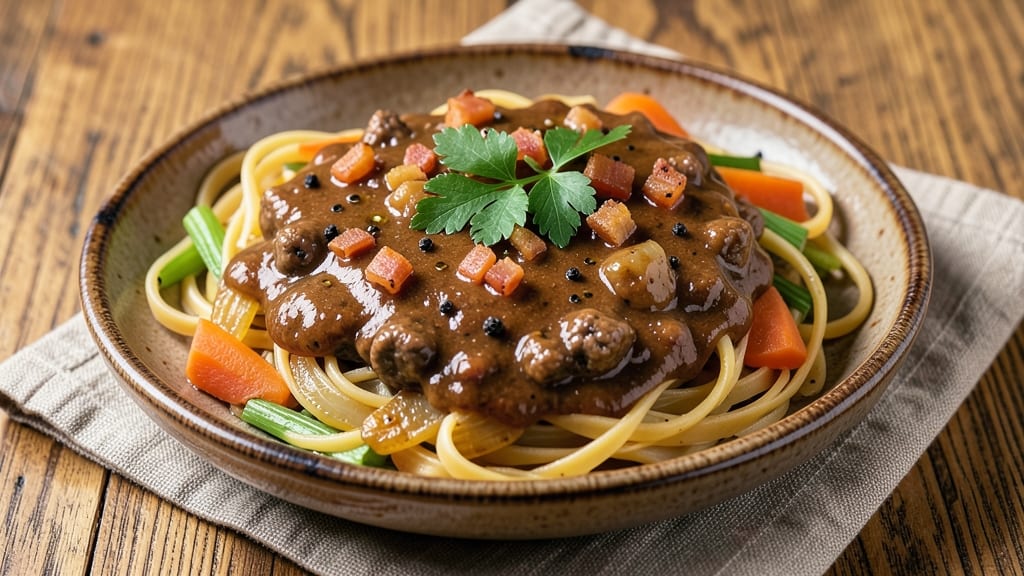
Antonio Carluccio's Bolognese sauce recipe delivers the rich, slow-simmered depth that defines true Italian cooking. The master himself insisted on pancetta for fat, milk to tenderize the meat, and a long simmer to develop umami—no shortcuts here. What sets this sauce apart is the balance of ground beef and pork, caramelized onions, and a touch of Parmigiano rind that infuses layers of flavor into every spoonful.
This isn't just a sauce; it's a labor of love that transforms simple ingredients into something extraordinary. The secret lies in patience: letting the meat brown deeply, deglazing with wine, and simmering for hours until the sauce thickens to a velvety consistency.
No rushed techniques here—just the kind of slow cooking that builds complex flavors.
By the time you're done, you'll have a sauce so rich and aromatic it transforms even the simplest pasta into a restaurant-worthy meal. The pancetta adds a smoky depth, the milk prevents toughness, and the Parmigiano rind contributes a subtle, savory backbone.
This is the Bolognese sauce that made Carluccio famous—authentic, deeply flavorful, and worth every minute of simmering.
The best part? It keeps beautifully for up to three days in the fridge or freezes for months, making it perfect for meal prep. Let's get started on creating your own version of this Italian classic.
Ingredients for antonio carluccio bolognese sauce
The secret to Carluccio's legendary Bolognese lies in these carefully chosen ingredients that build umami through slow simmering.
| Ingredient | Amount | Notes |
|---|---|---|
| Pancetta 🥓 | 6 oz | Diced finely for maximum flavor |
| Yellow Onions 🧅 | 1 whole | Finely chopped for caramelization |
| Carrots 🥕 | 2 whole | Finely diced or grated |
| Celery Stalks 🥬 | 2 whole | Finely diced for sofrito base |
| Ground Beef 🥩 | 1 lb | 80% lean, finely ground |
| Ground Pork 🐖 | ½ lb | Finely ground for richness |
| Whole Milk 🥛 | ½ cup | Essential for tenderizing meat |
| Tomato Paste 🍅 | 2 tbsp | San Marzano preferred |
| Dry Red Wine 🍷 | ½ cup | Bold, dry variety like Chianti |
| Parmigiano-Reggiano Cheese 🧀 | ½ cup | Freshly grated from block |
| Parmigiano Rind 🧀 | 1 piece | Optional but adds depth |
| Garlic Cloves 🧄 | 3 cloves | Minced for aromatic base |
| Extra-Virgin Olive Oil 🫒 | 2 tbsp | For initial cooking |
| Salt 🧂 | 1 ½ tsp | Diamond Crystal preferred |
| Ground Black Pepper 🌶️ | ½ tsp | Freshly ground preferred |
Pancetta is non-negotiable here—it delivers that unmistakable smoky depth that separates this from other Bolognese recipes. Look for thick-cut pancetta at Italian specialty stores or the deli counter, not the pre-diced kind. The onions, carrots, and celery form the holy trinity of sofrito, so chop them uniformly—think rice grains, not chunks. For the meat, 80% lean ground beef prevents greasiness, while the pork adds fat for richness. If you can't find pancetta, guanciale works too, but it's pricier. The Parmigiano rind is optional but adds a savory backbone that takes this sauce to restaurant quality.
No pancetta? Substitute with extra olive oil and a pinch of smoked paprika for some depth, though it won't be identical. Short on pork? Use all beef and add 1 tbsp tomato paste for acidity. The milk might seem odd, but it tenderizes the meat and prevents toughness—don't skip it. For the wine, any bold, dry red works (Cabernet, Merlot), but Chianti or Sangiovese are ideal. The tomato paste should be San Marzano if possible—its sweetness balances the richness. If you can't find Parmigiano-Reggiano, Parmigiano or Grana Padano will work, but grate it yourself for the best texture.
This sauce tastes even better the next day as flavors meld. Store in an airtight container in the fridge for up to 3 days or freeze for up to 3 months. For freezing, portion into containers with a splash of pasta water to prevent a skin from forming. When reheating, add a splash of water or milk to restore richness. The pancetta and Parmigiano rind can be prepped ahead—store separately in the fridge until ready to use. This is the kind of sauce that rewards patience, so don't rush it.
Why You'll Love This Recipe
- Here’s what sold me: it tastes like a restaurant dish but costs half the price. Ground beef is affordable, the veggies stretch the flavor, and pancetta (even in small amounts) makes it feel special. I make double batches, freeze half, and still have leftovers that disappear faster than my willpower on a Friday. (Yes, even on a Tuesday night.)
- Pancetta Perfection: I’ll admit it—I was skeptical about swapping bacon for pancetta, but that salty, peppery bite from the cured pork transforms the sauce. It melts into the onions and beef like a secret weapon, giving it depth that store-bought ragu can’t touch. (Yes, even my non-Italian friends notice the difference.)
- One-Pot Magic: Honestly, this recipe is my go-to when I’m too tired to wash three pots. The pancetta renders down, the soffritto (onions, carrots, celery) sweats into sweetness, and the beef browns—all in the same pot. Minimal chopping, zero stress, and zero extra dishes. That crispy pancetta crust at the bottom? I scrape it up with a spoon like it’s gold.
- Weeknight Workhorse: Between us, I’ve served this sauce over pasta for date nights, stuffed into manicotti for potlucks, and even spooned over polenta for lazy Sundays. It’s the kind of thing that makes you look like a hero without trying. The slow simmer means it only gets better the next day—so it’s basically my freezer’s best friend.
Step-by-step instructions for antonio Carluccio's Bolognese sauce
Here's the authentic method that delivers deep umami flavor and silky texture in one pot.
Build the Sofrito Base
Heat the 2 tablespoons extra-virgin olive oil in a heavy Dutch oven over medium-low heat. Add the 6 ounces finely diced pancetta and cook until the fat renders and the pancetta becomes crispy, about 8-10 minutes. Remove the pancetta with a slotted spoon and set aside, leaving the rendered fat in the pot.
In the same pot, add the 1 whole finely chopped yellow onion, 2 whole finely diced carrots, and 2 whole finely diced celery stalks. Cook for 10-12 minutes until the vegetables soften and begin to caramelize. This slow cooking develops their natural sweetness and forms the flavor foundation of your sauce.
Develop the Meat Mixture
Increase heat to medium-high and add the 1 pound ground beef and ½ pound ground pork. Break up the meat with a wooden spoon and cook until it loses its raw color and begins to brown, about 5-7 minutes. The meat should be fully cooked through but not crispy.
Stir in the 2 tablespoons tomato paste and cook for another 2 minutes to deepen the color. This step intensifies the tomato flavor and prevents the sauce from becoming too acidic later. Add the reserved crispy pancetta back to the pot and mix well to distribute the fat throughout.
Deglaze and Simmer
Pour in the ½ cup dry red wine and scrape up any browned bits from the bottom of the pot. Let the wine simmer until it reduces by half, about 3-4 minutes. This deglazing step captures all the meaty flavors that would otherwise stick to your pot.
Add the 3 minced garlic cloves and cook for 30 seconds until fragrant. Stir in the ½ cup whole milk and let it simmer for 2 minutes to blend with the meat mixture. The milk helps tenderize the meat and creates a velvety texture in the finished sauce.
Slow Simmer to Perfection
Add the 1 piece parmigiano rind (if using), then pour in enough water to just cover the meat mixture, about 2 cups. Bring to a gentle simmer, then reduce heat to low and cover partially. Let the sauce simmer uncovered for 2-2.5 hours, stirring occasionally, until the meat is tender and the sauce has thickened.
Stir in the 1.5 teaspoons salt and ½ teaspoon ground black pepper, then remove the parmigiano rind. The sauce should be rich and slightly thickened, with the vegetables completely tender. If the sauce is too thick, add a splash of water or milk to reach your desired consistency.
Finish with Cheese
Remove the sauce from heat and stir in the ½ cup freshly grated parmigiano-reggiano cheese until fully melted and smooth. Taste and adjust seasoning if needed. The cheese adds a final layer of richness and depth to the sauce.
Let the sauce rest for 10 minutes before serving, allowing the flavors to meld completely. This patience pays off in a sauce that's deeply flavorful with perfect texture. Serve over fresh pasta or with crusty bread to soak up every last bit of that umami-rich sauce.
Pro Tips For Making Antonio Carluccio Bolognese Sauce
- COOK PANCETTA LOW AND SLOW: I learned this the hard way—crisping pancetta first ruins the sauce. Render it gently over medium-low heat until just golden, stirring occasionally. That fat is liquid gold for the ragù, so don’t rush it or you’ll end up with bitter bits instead of silky richness.
- CHOP VEGETABLES SMALLER THAN YOU THINK: Carluccio’s version relies on those onions, carrots, and celery breaking down completely. Dice them into ¼-inch pieces—yes, even the carrots—and cook them until they’re nearly mushy. This isn’t about texture; it’s about flavor infusion, and tiny pieces do the job.
- DON’T SKIP THE DEGLAZING: After browning the beef, those browned bits stuck to the pan are flavor bombs. Splash in a little red wine (or broth) and scrape like you’re mad—this isn’t the time to be lazy. It might look messy, but it’s the difference between good and really good.
- USE HALF THE BEEF, DOUBLE THE TIME: I was skeptical until I tried it: mix ground beef with an equal amount of finely chopped pancetta (or swap half the beef for pancetta). It keeps the sauce from turning greasy and adds depth without overpowering. Let it simmer uncovered for at least 2 hours—yes, even if you’re impatient like me.
Dietary considerations for this dish
Gluten-Free Adaptations
This Bolognese sauce is naturally gluten-free as written, but there are a few precautions to take. First, verify that your pancetta and ground meats are certified gluten-free, especially if you have celiac disease. I always check the packaging for hidden additives.
For extra safety, I toast the pancetta in a separate pan before adding it to the sauce to prevent cross-contamination with any potential gluten sources in your kitchen.
The tomato paste and wine used should also be gluten-free, as some brands may contain additives. If you're using a Parmigiano rind, ensure it hasn't been processed in a facility with gluten.
The sauce itself is safe to serve with gluten-free pasta like brown rice or chickpea pasta, which pair beautifully with the rich flavors. 🌱
Dairy-Free Options
For those avoiding dairy, the milk is the only component that needs substitution. I recommend using unsweetened almond milk or oat milk—both work well for tenderizing the meat. The sauce will still develop depth, though the texture may be slightly lighter.
You can also omit the milk entirely and just add an extra splash of broth or water to maintain moisture during the long simmer.
Skip the Parmigiano-Reggiano and its rind, or substitute with nutritional yeast for a cheesy flavor without dairy. Nutritional yeast adds a nutty, umami-rich note that complements the meat beautifully. Just use ¼ cup and stir it in at the end for that final flavor boost. 🧀
Vegetarian Substitutes
Transforming this into a vegetarian version is all about replicating the meaty texture and umami depth. Start by replacing the ground beef and pork with 1 lb of finely chopped mushrooms (cremini or portobello work best) and ½ lb of lentils or crumbled tempeh.
Sauté the mushrooms until deeply browned to mimic the meat's caramelization.
For extra richness, add 1 tbsp soy sauce or miso paste when deglazing with wine to enhance the umami. The pancetta can be replaced with smoked tofu or extra olive oil for a similar smoky depth.
This vegetarian version still delivers that satisfying, hearty texture while keeping the sauce's signature depth. 🌱
Low-Carb Versions
To make this sauce lower in carbs, skip the carrots and celery entirely and reduce the onion to just ¼ cup. The sofrito base will still provide aromatic depth without the extra carbohydrates.
For a more substantial texture, add ½ cup of finely chopped zucchini or cauliflower to the simmering sauce—they'll soften and blend seamlessly into the sauce.
Serve this low-carb version over zucchini noodles or shirataki noodles for a dish that's rich in flavor but light on carbs. The sauce's natural richness will shine, and you won't miss the traditional pasta at all.
Pair it with a side of roasted Brussels sprouts for a complete low-carb meal. 🥦
Allergen-Friendly Tips
If you're managing allergies, this sauce can be adapted with minimal fuss. For nut allergies, ensure your almond milk substitute is nut-free—sunflower milk or coconut milk are safe alternatives. Always check labels on tomato paste and wine for hidden nut additives, especially in commercial brands.
For soy allergies, avoid soy sauce or miso substitutions and rely on the natural umami from the Parmigiano rind and tomato paste. If you're using tempeh in a vegetarian version, opt for a soy-free alternative like seitan or extra-firm tofu.
Double-check all ingredients for cross-contamination warnings, especially in pre-packaged items. 💡
Nutrition facts
Frequently asked questions
Why does Antonio Carluccio's recipe use milk in Bolognese sauce?
The milk is essential for tenderizing the meat and preventing toughness during the long simmer. It also creates a silky texture in the finished sauce. Don't skip it—this is one of Carluccio's signature techniques that sets his version apart from others.
Can I make this sauce in a slow cooker instead of a Dutch oven?
Follow the same steps for browning the meat and building the sofrito, then transfer everything to a slow cooker. Add the wine, milk, and broth, then cook on low for 6-8 hours or high for 4-5 hours. The slow cooker's gentle heat will develop the flavors beautifully.
What's the difference between this sauce and traditional Italian Ragù alla Bolognese?
While both are rich meat sauces, Carluccio's version emphasizes pancetta for smoky depth and a longer simmer time. Traditional Ragù uses more tomato (often canned) and less wine, while this recipe focuses on building umami through slow reduction. The pancetta and Parmigiano rind add distinctive layers that go beyond the classic.
How do I know when the sauce is done simmering?
The sauce is ready when the meat is fork-tender and the vegetables have completely broken down, about 2-2.5 hours. It should coat the back of a spoon but still be loose enough to cling to pasta. If it's too thick, add a splash of water or milk to reach your desired consistency.
Can I make this sauce ahead of time?
This sauce tastes even better the next day! Store in an airtight container in the fridge for up to 3 days or freeze for up to 3 months. When reheating, add a splash of water or milk to restore richness. The flavors develop and meld beautifully over time.