
Sauces & Condiments
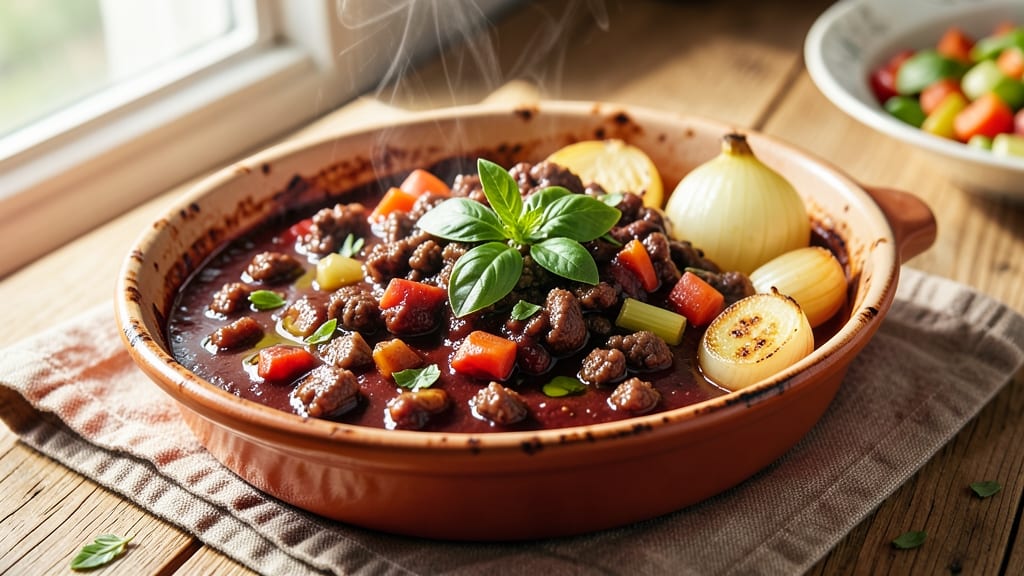
This amazing Bolognese sauce recipe transforms simple ingredients into a rich, umami-packed masterpiece that tastes like it simmered for hours—even when you only have 30 minutes.
The secret lies in slow-cooked meat, deep caramelized onions, and a perfect balance of tomatoes and herbs that create layers of flavor you won't find in store-bought versions. I've made this sauce countless times for family dinners, and every batch gets rave reviews—no one believes it's homemade.
What makes this recipe special is the one-pot method that develops intense flavor without requiring constant attention. Ground beef and pork combine for depth, while red wine and tomato paste create that signature sweet-savory profile.
The slow simmer (about 2 hours) breaks down the meat into tender, melt-in-your-mouth pieces that dissolve into the sauce, making every bite unforgettable. This isn't just pasta sauce—it's the kind of sauce that turns ordinary meals into something extraordinary.
By the end, you'll have a deeply aromatic, velvety sauce with just the right balance of acidity and richness, perfect for twirling around tagliatelle or layering in lasagna. The best part?
It tastes even better the next day, so you can make a big batch and freeze portions for future Italian nights. Whether you're feeding a crowd or just craving comfort food, this sauce delivers restaurant-quality results with minimal effort.
Pro tip: Let it sit overnight before serving—this is when the flavors truly meld into perfection. Pair it with crusty bread or polenta to soak up every last drop. Here's how to make it!
Ingredients for amazing bolognese sauce
These 15 ingredients create restaurant-quality Bolognese with deep umami and rich texture.
| Ingredient | Amount | Notes |
|---|---|---|
| Ground Beef (Chuck) 🥩 | 1 ½ lb | 80/20 fat ratio preferred |
| Ground Pork 🍖 | ½ lb | For extra richness |
| Yellow Onions 🧅 | 2 large | Chopped into small dice |
| Carrots 🥕 | 2 medium | Peeled and finely chopped |
| Celery Stalks 🌿 | 2 whole | Chopped into small pieces |
| Garlic Cloves 🧄 | 4 cloves | Minced for deep flavor |
| Tomato Paste 🍅 | ½ cup | High quality preferred |
| Canned San Marzano Tomatoes 🍅 | 2 cups | Crushed, no salt added |
| Dry Red Wine 🍷 | ½ cup | Bold Cabernet or Merlot |
| Beef Broth 💧 | 1 ½ cups | Low sodium preferred |
| Fresh Rosemary 🌿 | ¼ cup | Chopped, stems removed |
| Fresh Thyme 🌿 | 1 tbsp | Leaves only, chopped |
| Extra-Virgin Olive Oil 🫒 | ¼ cup | For richness and flavor |
| Salt 🧂 | 1 tsp | Diamond Crystal preferred |
| Black Pepper 🌶️ | ½ tsp | Freshly ground preferred |
The meat is everything—chuck roast ground beef gives that signature tenderness, but don't skip the pork for extra richness. Trader Joe's and Costco have the best pre-ground chuck at reasonable prices. For the aromatics, fresh rosemary and thyme from the grocery store's refrigerated section make a world of difference over dried. Pro tip: San Marzano tomatoes are worth the splurge—their natural sweetness balances the acidity perfectly. If you're in a pinch, regular crushed tomatoes work, but the flavor won't be as refined.
No red wine? Beef broth with a splash of balsamic vinegar mimics that depth. Fresh herbs wilt fast, so dried thyme at one-third the amount works in a bind. The tomato paste can be those little squeeze tubes from Trader Joe's—they're perfect for single servings and last forever. For the onions, carrots, and celery, chop them all the same size so they cook evenly. Baby carrots save time if you're short on prep energy. And if you're making this ahead, freeze the meat mixture before adding liquids—it keeps beautifully for up to 3 months.
This sauce gets better with time—let it sit overnight before serving. Keeps in the fridge for 5-6 days and freezes for up to 6 months. I always make a double batch because it disappears fast. Portion into ziplock bags for easy freezing—just thaw in the fridge overnight. The flavors deepen as it sits, so resist the urge to serve it immediately. Trust me, the next-day version is where the magic happens.
Why You'll Love This Recipe
- No Chopping Drama: I swear by the "sofrito shortcut"—just throw those pre-diced onions, carrots, and celery straight into the pot. The meat does all the work while you stir, and honestly? The flavor’s just as rich as if I’d spent 20 minutes dicing.
- Meat Magic Duo: That chuck and pork combo? It’s my secret weapon—juicy, tender, and packed with depth. The pork adds fat for richness, while the chuck keeps it hearty. Simmer it right, and you get that perfect balance of melt-in-your-mouth and chewy satisfaction.
- Weeknight to Weekend: This sauce is my go-to for lazy Mondays and Sunday dinners. Freeze half for when you’re too tired to cook, or double it for a potluck. (Yes, even on a Tuesday night.)
- Budget-Friendly Luxury: Ground chuck and pork stretch for miles, and the veggies? They’re the cheap, flavor-packed base that makes it feel fancy. I’ve fed six people for under $15—and they’ll ask for seconds before dessert.
Step-by-step instructions for deep umami Bolognese sauce
This is where the magic happens—slow cooking transforms simple ingredients into restaurant-quality sauce.
Build the Sofritto Base
Heat the 0.25 cup extra-virgin olive oil in a large Dutch oven over medium heat. Add the 2 large chopped yellow onions, 2 medium finely chopped carrots, and 2 chopped celery stalks. Cook for 10-12 minutes, stirring occasionally, until the vegetables soften and the onions turn translucent. This is called soffritto—the aromatic foundation of your sauce.
Here's the thing—don't rush this step. You'll know it's ready when the vegetables release their natural juices and the mixture smells intensely sweet and earthy. Add the 4 minced garlic cloves and cook for another 30 seconds until fragrant. This is where all the deep flavors begin to develop.
Brown the Meat Mixture
Increase heat to medium-high and add the 1.5 lb ground beef (chuck) and 0.5 lb ground pork in batches, breaking up any large clumps with a wooden spoon. Cook for 8-10 minutes, stirring occasionally, until the meat loses its raw color and becomes richly browned. This browning creates the deep, meaty flavor known as the "fond" that will dissolve into your sauce.
Real talk: don't overcrowd the pan. If the meat steams instead of browns, you'll end up with bland sauce. Cook in batches if needed, then return all the browned meat to the pot. Add the 0.25 cup chopped fresh rosemary and 1 tbsp chopped fresh thyme, stirring to coat the meat in their aromatic oils.
Deglaze and Simmer with Wine and Tomato
Pour in the 0.5 cup dry red wine, scraping up all the browned bits from the bottom of the pot with a wooden spoon. Let it simmer for 3-4 minutes until the wine reduces by half and its alcohol burns off completely. This step is crucial—it removes the raw taste of wine and concentrates its flavors.
Add the 0.5 cup tomato paste and stir well to combine. Pour in the 2 cups crushed San Marzano tomatoes and 1.5 cups beef broth. Stir in the 1 tsp salt and 0.5 tsp black pepper. The sauce should look thick and vibrant—this is when the deep umami development begins.
Slow Cook to Perfection
Reduce heat to low and cover the pot. Let the sauce simmer uncovered for 2.5 to 3 hours, stirring occasionally. This long, slow cook time is what transforms this into an amazing sauce—it allows all the flavors to meld and develop that rich, complex depth. The sauce should reduce significantly, coating the back of a spoon with a velvety texture.
I know it seems like forever, but trust the process. Every 30 minutes, give it a stir to prevent sticking. You'll know it's ready when the sauce has thickened to a rich consistency and the meat is tender enough to pull apart with a fork. The aroma should be irresistible—earthy, meaty, and deeply comforting.
Adjust and Serve
Taste the sauce and adjust seasoning if needed. You might need a pinch more salt or a crack of black pepper to enhance the flavors. If the sauce is too thick, add a splash of beef broth or water to reach your desired consistency. The sauce should be thick enough to coat the back of a spoon but still pour gently.
This amazing bolognese is now ready to serve over freshly cooked pasta, or you can freeze it for up to 3 months for future meals. The flavors will only deepen over time, making it even more incredible. Enjoy your homemade masterpiece—it's worth every minute of the slow cooking process!
Pro Tips For Making Amazing Bolognese Sauce
- Sweat, Don’t Sauté the Veggies: I learned this the hard way—after burning three batches of onions, carrots, and celery. Use a wide pan and keep the heat medium-low while stirring occasionally. You want them soft and translucent, not crispy or browned. This builds flavor without bitterness, and your sauce won’t taste like charred bits.
- Break the Meat First: Skip the pre-cooked crumbly meat—it’s a shortcut that kills texture. Brown the raw ground beef and pork before adding anything else, in batches if needed. This step locks in juices and gives the sauce depth. Yes, it takes 10 minutes, but your bolognese won’t turn into a greasy paste.
- Use the Right Knife on Celery: Chop the celery fine—smaller than a dime, not just rough chunks. A sharp chef’s knife makes this easy, but if you’re impatient, pulse it in a food processor. The goal is to dissolve it into the sauce, not have it sit as identifiable bits. (Your future self will thank you.)
- Let the Meat Rest After Browning: After cooking the meat, push it to one side of the pan and add the onions. While they soften, turn off the heat and let the meat sit for 5 minutes. This prevents it from releasing too much liquid when the veggies steam, keeping your sauce thick and rich—not a watery mess. (I know, I know, but trust the process.)
Storing and reheating your leftovers
Refrigerator Storage
Let your Bolognese sauce cool completely—about 30-45 minutes—before transferring to airtight glass containers with tight-sealing lids. I use Pyrex storage containers because they distribute heat evenly and prevent freezer burn.
Store in the fridge at 40°F or below for up to 5-6 days, but honestly, it tastes even better after 24 hours as the flavors meld. 💫
Pro tip: Divide the sauce into 2-cup portions before storing. This makes reheating easier and prevents overfilling containers. When ready to serve, just grab what you need and reheat—no need to thaw the whole batch.
Freezer Storage
For long-term storage, portion the sauce into ziplock freezer bags or glass jars with 1-inch headspace at the top to allow for expansion. Seal tightly and label with the date—this sauce freezes beautifully for up to 6 months without losing quality.
I like using quart-sized bags because they're perfect for family portions. ❄️
When you're ready to use it, transfer the frozen sauce to the fridge and let it thaw overnight. This gradual thawing preserves the texture better than microwave defrosting.
If you're in a hurry, you can reheat it straight from frozen, but plan for extra time—about 30 minutes on low heat.
Reheating Methods
My preferred method is stovetop reheating—it gives you the most control over texture. Pour the sauce into a heavy-bottomed pot and heat over medium-low heat for 10-15 minutes, stirring occasionally.
Add 1-2 tablespoons of beef broth if the sauce seems too thick after reheating. This keeps it luscious and prevents sticking. 🔥
For microwave reheating, transfer the sauce to a microwave-safe bowl and heat in 1-minute intervals on 70% power, stirring between each interval. This prevents hot spots and keeps the sauce from curdling. If it looks dry, add a splash of water or broth to restore its velvety consistency.
Reviving Leftovers
If your reheated sauce seems dull or flat, it might need a little flavor boost. A splash of red wine (about 1 tablespoon) or a pinch of freshly cracked black pepper can work wonders.
I also like adding a small piece of parmesan rind while reheating—it infuses the sauce with nutty depth without altering the texture. 💡
The key is to taste as you go. Adjust seasonings gradually—remember, you can always add more, but you can't take it out. A little extra olive oil or beef broth can also help restore the sauce's richness if it's lost some moisture during storage.
Nutrition facts
Frequently asked questions
Can I make this Bolognese sauce in a slow cooker?
Brown the meat and soffritto first in a skillet, then transfer everything to your slow cooker. Cook on low for 6-8 hours or high for 3-4 hours. The slow cooker method is perfect for hands-off prep, and the flavors develop beautifully. Just stir occasionally to prevent sticking.
What's the best pasta to pair with this sauce?
This rich sauce pairs perfectly with tagliatelle or fettuccine—their flat surfaces hold the sauce beautifully. For extra indulgence, try it with pappardelle or lasagna noodles. Avoid delicate pastas like angel hair, as they can get overwhelmed by the sauce's intensity.
Why does my Bolognese sauce taste bland? Most likely, you didn't brown the meat enough or skipped the slow simmer. The fond (browned bits) and long cooking time create deep flavor. If your sauce tastes flat, try adding a splash of red wine or a pinch of freshly cracked black pepper while reheating. Also,
Can I make this sauce vegetarian?
Yes! Swap the meat for mushrooms (cremini or portobello) and lentils (brown or beluga). Sauté the mushrooms first to develop their umami, then proceed with the recipe as written. For extra richness, add 1 tablespoon of nutritional yeast or a splash of soy sauce at the end. The texture will be different but still delicious!
How do I prevent my sauce from getting too thick?
Add 1-2 tablespoons of beef broth or water while cooking if the sauce thickens too much. The ideal consistency should coat the back of a spoon but still be pourable. If it's too thick after cooking, you can thin it out with a little liquid when reheating. Never add liquid during the initial cooking process—it can dilute the flavors.