
Sauces & Condiments
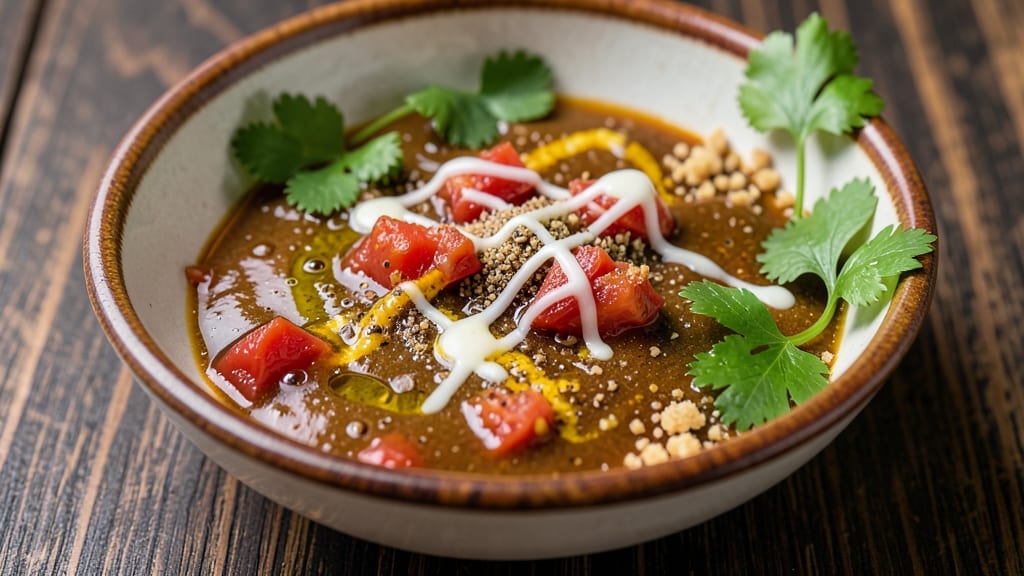
This Anticuchera sauce recipe transforms simple ingredients into a bold, smoky condiment that elevates grilled meats to new heights. The secret lies in balancing the vibrant heat of aji amarillo with the tangy brightness of vinegar, creating a sauce that's equal parts complex and approachable.
Perfect for drizzling over anticuchos or as a marinade, this recipe delivers restaurant-quality flavor with minimal effort.
The foundation of great Anticuchera sauce begins with a slow simmer of tomatoes, garlic, and spices like cumin and coriander, allowing their flavors to meld into a rich base.
What sets this sauce apart is the addition of aji amarillo, a Peruvian yellow chili that adds a fruity, smoky depth without overpowering heat. The vinegar kiss at the end cuts through the richness, leaving you with a sauce that's balanced and unforgettable.
By the time you're done, you'll have a versatile sauce that's perfect for grilled meats, roasted vegetables, or even as a bold marinade. The texture is smooth and spreadable, with just the right amount of body to cling to every bite.
This isn't just a condiment—it's a flavor enhancer that turns simple dishes into something extraordinary.
Whether you're serving a crowd or prepping for a weeknight dinner, this sauce keeps well in the fridge for up to a week, making it a pantry staple. Let's get started on creating a sauce that will become your go-to for any grilled dish.
Ingredients for anticuchera sauce
Nine ingredients. One sauce. Restaurant-quality flavor in your kitchen.
| Ingredient | Amount | Notes |
|---|---|---|
| Aji Amarillo Paste 🌶️ | 2 tbsp | Peruvian yellow chili, adjust heat |
| Tomatoes 🍅 | 1 ½ cups | Ripe, diced or crushed tomatoes |
| Garlic Cloves 🧄 | 4 cloves | Minced for aromatic depth |
| White Vinegar 💧 | ¼ cup | For tangy brightness |
| Ground Cumin 🌿 | 1 tsp | Toasted for richer flavor |
| Ground Coriander 🍃 | 1 tsp | Citrusy warmth |
| Salt 🧂 | ¾ tsp | Kosher or sea salt |
| Black Pepper 🌶️ | ½ tsp | Freshly ground |
| Olive Oil 🫒 | ¼ cup | Extra-virgin for richness |
| Red Wine Vinegar 🍷 | 1 tbsp | For depth and acidity |
Aji amarillo is the star—find it at Latin markets or online if your grocery store doesn't carry it. The paste is what gives this sauce its signature smoky, fruity heat. San Marzano tomatoes make the best base, but any ripe tomatoes work. Toast your cumin and coriander seeds before grinding if you're feeling fancy—it makes a huge difference. For the vinegars, white vinegar gives that sharp tang, while red wine vinegar adds complexity. If you can't find aji amarillo, yellow bell pepper paste or sweet paprika can mimic some of its flavor, though it won't be the same.
No aji amarillo? Yellow bell pepper paste or sweet paprika will give you a milder, sweeter version. Swap red wine vinegar for more white vinegar if you prefer. Fresh tomatoes? Roast them first for deeper flavor. The olive oil is key—use extra-virgin for that fruity richness. If you're making this ahead, add a splash of water to thin it out after chilling. And trust me, the extra minute toasting the spices is worth it.
This sauce keeps beautifully—up to 1 week in the fridge sealed in a jar. The flavors actually improve over time as everything melds. For a smoother texture, blend it until silky before serving. If it thickens too much, just add a splash of water or vinegar. Freezes well for up to 3 months, though texture might change slightly. I always make a double batch—one for now, one for later. Perfect for drizzling, dipping, or marinating.
Why You'll Love This Recipe
- Five-Ingredient Magic: I swear, this sauce comes together with just a handful of pantry staples—no fancy prep, no stress. The aji amarillo paste does all the heavy lifting, while the tomatoes and garlic sing in harmony once you simmer them down.
- Tangy Heat Hug: That bright, citrusy kick from the white vinegar cuts through the richness like a knife. Honestly, the first time I tasted it, I reached for seconds without thinking—it’s the kind of flavor that sticks with you.
- Weeknight Workhorse: Slather it on grilled meats for dinner, toss it with roasted potatoes for lunch, or even drizzle it over eggs in the morning. Between us, it’s my go-to when I’m too tired to plan but still want something that tastes like it took hours.
- Leftovers That Lie: Between you and me, this sauce actually improves the next day. The flavors meld even more, and it keeps well in the fridge for up to a week—perfect for when you’re too busy to cook but still want that restaurant-quality taste.
Step-by-step instructions for Anticuchera sauce
Here's how to make this vibrant, smoky sauce that's the soul of Peruvian street food.
Bloom the Spices in Olive Oil
Heat the 0.25 cup olive oil in a medium saucepan over medium-low heat. Add the 4 minced garlic cloves and let them sizzle gently for 1-2 minutes until fragrant but not browned—this prevents bitterness. Then add the 1 tsp ground cumin and 1 tsp ground coriander, stirring constantly for 30 seconds to toast the spices and release their aromas.
Here's the thing—don't rush this step. The spices need time to bloom fully, which builds the sauce's complex flavor foundation. If the oil starts to smoke, reduce the heat immediately to maintain control. You're aiming for a gentle aroma that fills your kitchen, not burnt bits.
Add Tomatoes and Simmer
Pour in the 1.5 cups tomatoes and stir to combine with the spiced oil. Increase heat to medium and bring to a gentle simmer. Let it cook uncovered for 10-12 minutes, stirring occasionally, until the tomatoes break down and the mixture thickens slightly. You'll notice the sauce darken and reduce—this is when the flavors start melding.
I like to press the tomatoes with a wooden spoon during this time to help them break down faster. The sauce should reduce to about 1 cup of thickened tomato base. If it's not quite thick enough, simmer for another 2-3 minutes—just don't let it burn at the bottom of the pan.
Incorporate Aji Amarillo and Vinegars
Reduce heat to low and stir in the 2 tbsp aji amarillo paste and 0.25 cup white vinegar. The paste will darken the sauce dramatically—this is normal and actually what you want. Add the 1 tbsp red wine vinegar and stir well to combine. Let the mixture simmer gently for 5 minutes to allow the aji amarillo's smoky heat to infuse fully.
Real talk: this is where the sauce transforms from good to amazing. The vinegars cut through the richness while the aji amarillo adds that signature Peruvian smokiness. Taste the sauce now—it should be vibrant, slightly spicy, and tangy. If you want it hotter, add a pinch more aji amarillo; if it needs more acidity, add another teaspoon of vinegar.
Season and Finish
Add the 0.75 tsp salt and 0.5 tsp black pepper, stirring until fully dissolved. Let the sauce simmer for another 3-4 minutes to let all the flavors meld together. The final consistency should be thick enough to coat the back of a spoon but still pourable—this is perfect for drizzling over anticuchos.
For the best results, let the sauce cool slightly before serving. This allows the flavors to settle and intensify. The sauce will keep in the refrigerator for up to 5 days, making it perfect for meal prep. When ready to serve, give it a quick stir and taste—you might want to add a splash more vinegar to brighten it up after storage.
Pro Tips For Making Anticuchera Sauce
- Bloom the Aji Amarillo: Simmer the paste with tomatoes and garlic for 5 full minutes before adding vinegar—this lets the flavors meld instead of turning bitter. I used to rush this, and the sauce always tasted sharp and unfinished.
- Toast the Cumin Dry: Warm the cumin in a dry pan for 30 seconds until fragrant before adding it to the sauce. This deepens the earthy notes and prevents a raw, floury aftertaste that kills the balance.
- Strain the Tomatoes: Blend the tomatoes first, then strain through a fine-mesh sieve to remove seeds and skin. The sauce stays silky smooth and doesn’t turn grainy when reheated—something I learned after three lumpy batches.
- Balance with Vinegar Last: Add the white vinegar just before serving—it brightens the sauce but fades if cooked too long. Taste as you go; you can always add more, but you can’t take it out.
Troubleshooting your anticuchera sauce
Sauce Too Thin?
If your sauce isn't thick enough after simmering, don't panic—simmer uncovered for 5-10 more minutes on medium-low heat. Stir occasionally to prevent sticking. For an instant fix, mix 1 tbsp cornstarch with 2 tbsp cold water, stir into the sauce, and simmer for 2 minutes until thickened.
Avoid adding too much at once—start with ½ tbsp cornstarch and adjust. 🌡️
Sauce Too Thick?
Thick sauce? Thin it with 1-2 tbsp water or vinegar while warm. Stir well and taste—you want a pourable but coatable consistency. If it's extremely thick, add 1 tbsp at a time until you reach the right texture.
For a smoother texture, blend briefly with an immersion blender. Never add oil—it’ll dilute flavors.
Bitterness Creeping In?
If your sauce tastes bitter, it likely cooked too long or had over-toasted spices. Fix it by adding 1-2 tbsp extra white vinegar to cut the bitterness. For a sweeter balance, stir in ½ tsp sugar or honey.
If the garlic burned, strain out any blackened bits before serving. Always taste as you go—preventing bitterness starts with low-and-slow cooking.
Heat Too Mild?
Want more heat? Add ½ tsp extra aji amarillo paste and simmer for 2-3 minutes to let the flavors meld. For a different kind of heat, stir in ¼ tsp cayenne pepper or 1 tsp hot sauce.
If using cayenne, add it gradually—too much can overpower the sauce’s complexity. Let it cool slightly before tasting again, as heat can mellow as it rests. 🌶️
Sauce Separating?
If your sauce separates (oil floating on top), gently reheat it on low heat while stirring constantly. The heat will help emulsify the ingredients. For a smoother texture, blend briefly with an immersion blender.
If separation persists, add 1 tbsp vinegar or water and stir vigorously. This is normal with vinegar-heavy sauces—just give it a quick reheat to fix it.
Flavor Fading After Storage?
Stored sauce lose brightness? Revive it by adding 1 tsp fresh lemon juice or vinegar and reheating gently. If flavors seem dull, stir in ½ tsp fresh minced garlic or ¼ tsp ground cumin for a quick boost.
Always taste before serving—sometimes a pinch of salt or a splash of vinegar is all it needs. The sauce’s depth improves with time, but a little refresh keeps it vibrant. ✨
Nutrition facts
Frequently asked questions
What makes aji amarillo so special in this sauce?
Aji amarillo brings that signature Peruvian smoky-fruity heat that sets this sauce apart. Unlike regular chili peppers, it has a unique fruity depth with just a hint of smokiness—perfect for balancing the tangy vinegar. The paste form lets you control the heat precisely, which is key for this versatile condiment.
Can I make this sauce without aji amarillo?
Yes, but the flavor will be different! For a milder version, substitute with 1 tbsp yellow bell pepper paste or ½ tsp sweet paprika plus ¼ tsp smoked paprika. You'll lose some complexity, but it'll still be delicious. The vinegar and spices will carry the dish.
How should I serve this sauce?
This sauce is incredibly versatile! Drizzle it over grilled anticuchos or beef skewers for instant flavor. It's also perfect for dipping fresh bread or grilled vegetables. For extra richness, use it as a marinade for meats—just reduce the vinegar by half first.
Why does the recipe call for two types of vinegar?
The combination creates perfect balance! White vinegar provides sharp acidity to cut through the richness, while red wine vinegar adds complexity and depth. Together they brighten the tomatoes and enhance the aji amarillo's fruity notes. If you're short on time, you can use just white vinegar but reduce to ½ cup total.
Can I make this sauce in a slow cooker?
Combine all ingredients in your slow cooker and cook on low for 3-4 hours, stirring occasionally. The slow cooking enhances the flavors beautifully. Just watch the consistency—it may reduce more than on the stove, so add a splash of water if needed.