
Sauces & Condiments
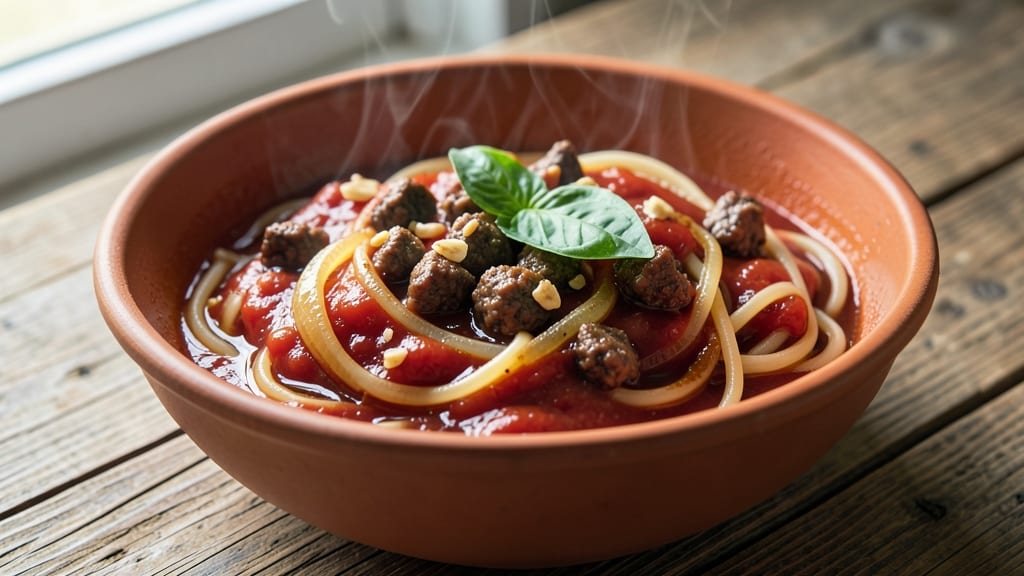
This Anthony's spaghetti sauce recipe delivers the rich, meaty depth of classic Italian-American sauce without relying on jarred shortcuts. The secret lies in slow-simmered tomatoes, aromatic herbs, and optional ground meat that builds layers of flavor over time.
Unlike store-bought versions, this sauce develops a complex, caramelized richness that transforms simple pasta into a restaurant-quality meal.
What sets this sauce apart is its balance of acidity and sweetness, achieved through a blend of fresh tomatoes, tomato paste, and a touch of sugar. The herbs—oregano, basil, and bay leaf—infuse the sauce with bright, earthy notes, while garlic and onion provide the aromatic foundation.
For maximum depth, simmer the sauce for at least two hours, allowing the flavors to meld and intensify.
The result is a velvety, deeply flavorful sauce that clings to pasta perfectly, with a texture that’s neither too thick nor too thin. It freezes beautifully for future use, making it ideal for meal prep or gifting.
Whether you’re serving it with spaghetti, meatballs, or grilled chicken, this sauce elevates any dish with its bold, authentic taste.
For those who love texture, adding ground beef or Italian sausage enhances the meaty richness, while vegetarians can skip it entirely. The sauce’s versatility makes it a staple for any pantry—simple to make, but impossible to replicate with store-bought alternatives.
Ingredients for anthony's spaghetti sauce
Pantry staples meet Italian tradition for sauce that tastes homemade, not jarred.
| Ingredient | Amount | Notes |
|---|---|---|
| Extra-Virgin Olive Oil 🫒 | ½ cup | High-quality, fruity variety |
| Yellow Onion 🧅 | 1 whole | Diced, medium size preferred |
| Garlic Cloves 🧄 | 6 cloves | Peeled, minced finely |
| Ground Beef 🥩 | 1 ½ lb | 80% lean, optional for meaty depth |
| Canned San Marzano Tomatoes 🍅 | 28 oz | Crushed or whole, no salt added |
| Tomato Paste 🍅 | 2 tbsp | Squeeze tube preferred for ease |
| Dried Oregano 🌿 | 1 tbsp | Mexican oregano for authentic flavor |
| Fresh Basil Leaves 🌿 | ½ cup | Packed, stems removed |
| Bay Leaves 🌿 | 2 whole | Fresh preferred, but dried works |
| Granulated Sugar 🍚 | 1 tbsp | Balances acidity |
| Salt 🧂 | 1 ½ tsp | Diamond Crystal preferred |
| Black Pepper 🌶️ | ½ tsp | Freshly ground for best flavor |
| Red Wine 🍷 | ½ cup | Dry, bold variety like Cabernet |
| Beef Broth 💧 | 1 cup | Low-sodium preferred |
The tomatoes are the heart of this sauce—San Marzano is non-negotiable for that sweet, rich flavor. Grab the 28-ounce cans from Trader Joe's or Whole Foods; they're worth the splurge. Fresh basil? Farmers markets have the best, but grocery store containers work in a pinch. The red wine adds depth, so don't grab that cheap stuff—whatever's open in your fridge will do, but a bold Cabernet or Merlot makes a difference. For the ground beef, 80% lean gives you that perfect meaty texture without too much fat.
No red wine? Beef broth with a splash of balsamic works just as well. Fresh basil wilt fast, so dried oregano at half the amount is a solid backup. The tomato paste can be tricky—those little squeeze tubes at Trader Joe's are perfect for this recipe since you only need two tablespoons. Want to skip the meat entirely? Mushrooms or lentils add umami without the beef. And if you're short on time, pre-minced garlic from the jar saves steps, though fresh is always better.
This sauce only gets better with time—two hours minimum simmering is key. Store leftovers in airtight containers for 5 days in the fridge or 6 months frozen. I always make extra and freeze portions for lazy weeknights. The texture thickens as it cools, so add a splash of broth if it's too stiff when reheating. Garnish with fresh basil or a sprinkle of Parmesan right before serving—that's the restaurant touch.
Why You'll Love This Recipe
- Five-Ingredient Magic: I swear, it’s the kind of recipe where you look at the pantry and think, "Wait, that’s it?" The San Marzano tomatoes alone make this taste like a restaurant dish—sweet, rich, and never watery. Honestly, the beef browns up so fast, you’ll forget to set a timer.
- Garlic Confidence: That first hit of olive oil and garlic sizzling? Pure satisfaction. I let it cook low and slow until the garlic’s golden but not burnt—that’s where the flavor pops. No fancy techniques, just patience paying off in every spoonful.
- Leftovers That Beg: This sauce actually improves the next day. I’ve frozen jars for months, and reheating it? It’s like a hug. Perfect for lazy Sundays or when you realize you forgot to order pizza (again).
- Pasta Party Ready: From weeknight dinners to game day spreads, it’s my go-to. Toss it with spaghetti, serve it over polenta, or even stuff it in baked potatoes. Between us, the kids ask for it more than chicken nuggets.
Step-by-step instructions for Anthony's spaghetti sauce
Here's how to build rich, layered flavor from scratch—no shortcuts, just pure taste.
Build the Flavor Base with Onion and Garlic
Heat the 0.5 cup extra-virgin olive oil in a large, heavy-bottomed pot over medium heat. Add the diced yellow onion and cook for 8-10 minutes, stirring occasionally, until the onions turn translucent and begin to caramelize slightly at the edges. This slow cooking draws out their natural sweetness, which forms the foundation of your sauce.
Push the onions to one side of the pot and add the minced garlic cloves. Stir for 30 seconds until fragrant—don't let it brown, or it'll turn bitter. Here's the thing: if you smell that garlic cooking properly, you're on the right track. The onions should smell sweet and the garlic should perfume the air without overpowering it.
Brown the Ground Beef for Depth
Add the 1.5 lb ground beef, breaking it up with a wooden spoon as it cooks. Increase heat to medium-high and let the beef brown for 5-7 minutes, stirring occasionally. You want those pieces to develop a deep brown crust—this Maillard reaction creates complex flavors that jarred sauces can't match. Don't drain the fat; it's what carries all those meaty flavors through the cooking process.
Once the beef is mostly browned, sprinkle in the 1.5 tsp salt and 0.5 tsp black pepper. Stir well to coat the beef evenly. This early salting helps balance the flavors as they develop. If you notice the beef sticking to the pot, add a splash of beef broth to loosen it—just enough to keep it moving without making the pan too wet.
Develop the Sauce with Tomatoes and Wine
Pour in the 0.5 cup red wine and scrape up any browned bits from the bottom of the pot with a wooden spoon. These bits are packed with flavor—don't miss them. Let the wine simmer for 2-3 minutes until it reduces by about half, then add the 2 tbsp tomato paste and stir to combine completely. This paste thickens the sauce and adds a concentrated tomato flavor that elevates everything.
Add the 28 oz canned San Marzano tomatoes (crushed or whole), 1 tbsp dried oregano, 2 whole bay leaves, and 1 tbsp granulated sugar. The sugar might seem odd, but it balances the acidity of the tomatoes, creating a more rounded flavor. Stir everything together and bring to a gentle simmer. Here's where the magic happens: let it cook uncovered for 20 minutes, stirring occasionally, until the sauce begins to thicken and the raw tomato taste disappears.
Finish with Aromatics and Simmer
Remove the bay leaves and stir in the 0.5 cup fresh basil leaves and the remaining 1 cup beef broth. Taste the sauce at this point—you should notice the flavors coming together, but it's not quite there yet. Reduce heat to low and let it simmer uncovered for another 30-45 minutes, stirring occasionally. This slow cooking allows all the flavors to meld and deepen, creating that restaurant-quality depth you can't find in jars.
The sauce is ready when it's thick enough to coat the back of a spoon and the flavors are rich and balanced. If it's too thick, add a splash of water or broth to reach your desired consistency. The basil should be fully incorporated, adding that bright, fresh note that cuts through the richness of the meat and tomatoes.
Rest and Serve
Let the sauce rest for 10-15 minutes off the heat before serving. This resting period allows the flavors to settle and the sauce to thicken slightly more. Taste again and adjust seasoning if needed—you might need a pinch more salt or a crack of pepper to perfect it. Serve immediately over al dente spaghetti, reserving some pasta water to loosen the sauce if needed.
Here's the payoff: each bite delivers layers of flavor—sweet caramelized onions, rich browned beef, bright acidity from the tomatoes, and that fresh basil finish. The sauce should cling to the pasta perfectly, coating every strand without being gluey. That's the mark of a sauce made with care, not shortcuts.
Pro Tips For Making Anthony'S Spaghetti Sauce
- CRANK THE HEAT FIRST: Cook the onions and garlic in a dry pan over medium-high heat until they’re deeply caramelized—not just soft. I learned this the hard way: low heat means sad, watery onions that turn to mush instead of sweet, jammy bits that make the sauce sing.
- SALT THE MEAT BEFORE SEASONING: Generously season the ground beef with salt before browning it—about 1 teaspoon per pound. This guarantees every bite is flavorful, not just the surface. (Yes, even if you’re impatient like me, resist the urge to skip this.)
- STIR THE TOMATOES: Once the San Marzano tomatoes hit the pot, give them a good stir with a wooden spoon to break up any clumps. This keeps the sauce smooth and prevents a weird, chunky texture—something that’s easy to overlook but makes a real difference.
- DEGLAZE WITH A SPLASH OF WATER: After browning the beef, don’t just add the tomatoes—first splash in ¼ cup of water and scrape up all those browned bits stuck to the pan. That’s where the flavor lives, and skipping it means losing depth. (Does it look weird? Yes. Does it work? Every single time.)
Best sauces and condiments for these flavors
Classic Meatball Pairing
This sauce was literally designed to cradle homemade meatballs—think juicy, herby, and perfectly seasoned. Use 80/20 ground beef mixed with breadcrumbs, egg, and grated Parmesan for the best texture.
Brown them in the same pot you cooked the onions in (after removing the beef for the sauce) to infuse them with those deep, caramelized flavors. Serve with a sprinkle of fresh parsley and a squeeze of lemon for brightness. 🍝
Garlic Bread Crust
No spaghetti dinner is complete without a garlic bread crust to soak up every last drop of sauce. I love using a baguette split lengthwise, brushed with melted butter, and topped with minced garlic, grated Parmesan, and fresh parsley.
Toast under the broiler for 3-5 minutes until golden and crisp. The contrast of warm, buttery bread against the rich sauce is pure magic. 🥖
Cheesy Polenta Twist
For a cozy, creamy alternative to pasta, try serving this sauce over creamy polenta. Cook 1 cup polenta in 4 cups simmering water with a pinch of salt for 20 minutes, stirring constantly.
Stir in ½ cup grated Parmesan and ¼ cup heavy cream for extra richness. The sauce clings beautifully to the polenta, creating a comforting, hearty dish perfect for cold nights. 🧀
Roasted Vegetable Boost
Add roasted vegetables like zucchini, bell peppers, and mushrooms to turn this into a vegetarian powerhouse. Toss 2 cups chopped veggies in 1 tbsp olive oil, ½ tsp dried oregano, and salt, then roast at 400°F for 20 minutes.
Stir them into the sauce during the final 10 minutes of simmering to infuse their flavors. The caramelized edges add a sweet, smoky depth that pairs perfectly with the sauce. 🥦
Grilled Chicken Addition
For a lighter option, serve the sauce with grilled chicken breast sliced into strips. Marinate 1 lb chicken in 2 tbsp olive oil, 1 tbsp lemon juice, 1 tsp garlic powder, and salt for 30 minutes before grilling.
The smoky char from the grill complements the sauce’s richness, and the chicken stays juicy while absorbing all those deep flavors. 🍗
Pasta Shape Swaps
While spaghetti is classic, this sauce works beautifully with other shapes too. Try rigatoni for extra surface area to catch the sauce, penne for a hearty bite, or farfalle for a delicate, bow-tie twist.
For a fun twist, toss the sauce with baked ziti—layer cooked pasta with sauce, mozzarella, and Parmesan, then bake at 375°F for 20 minutes until bubbly. 🍝
Nutrition facts
Frequently asked questions
Can I make this sauce without ground beef?
For a vegetarian version, replace the beef with 1 cup cooked lentils or 1 lb mushrooms (sautéed until golden). The mushrooms add a meaty texture, while lentils provide heartiness. Just brown them first to build depth before adding tomatoes. The sauce will still be rich and flavorful!
Why does the recipe call for sugar?
The 1 tbsp sugar balances the acidity of the tomatoes, creating a more rounded flavor. Without it, the sauce can taste too sharp. Think of it like balancing a tangy lemonade—just a touch of sweetness makes all the difference. If you're concerned about sweetness, start with ½ tbsp and adjust to taste.
How do I store and reheat leftovers?
Store in airtight containers in the fridge for 5 days or freeze for 6 months. To reheat, warm on the stove over low heat while stirring occasionally. If it thickens too much, add a splash of broth or water. For best results, reheat only what you need—freshly warmed sauce tastes brighter!
Can I use fresh tomatoes instead of canned?
Fresh tomatoes work, but they require more prep and won't have the same depth. Use 4-5 large ripe tomatoes (peeled, seeded, and chopped) plus 1 extra can of crushed tomatoes to compensate for lower acidity. Simmer the fresh tomatoes first for 10 minutes to break them down before adding other ingredients.
What's the secret to making this sauce taste restaurant-quality?
Three things: time, low heat, and resting. Simmer uncovered for at least 2 hours to let flavors meld, use low heat to prevent burning, and let it rest 10 minutes off heat before serving. The longer it cooks, the deeper the flavor becomes!