
Sauces & Condiments
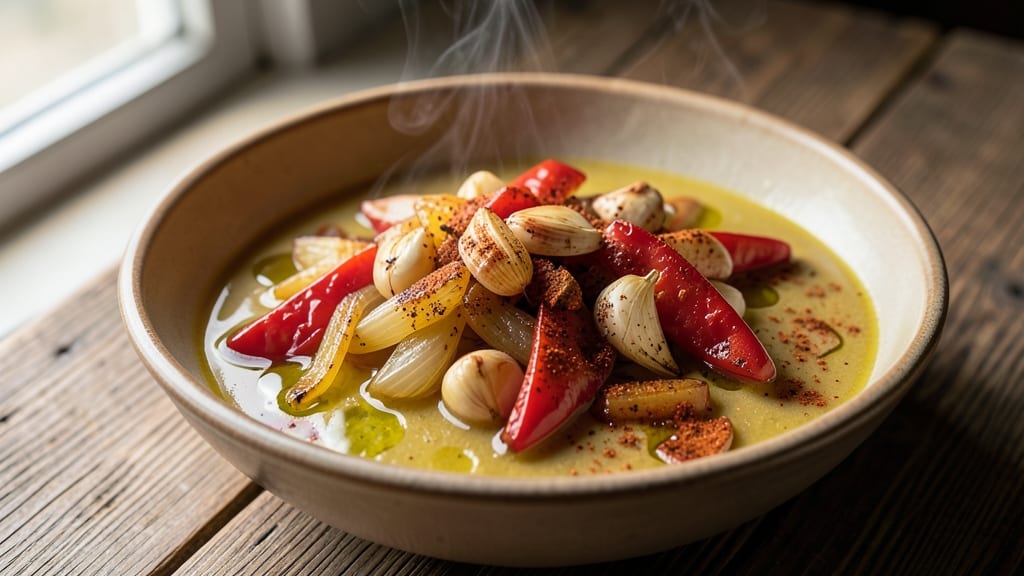
This Andalusian sauce recipe transforms simple ingredients into a smoky, aromatic masterpiece that defines Spanish tapas culture. The secret lies in slow-cooked tomatoes, sweet paprika, and garlic that meld into a velvety, slightly spicy sauce perfect for drizzling over paella, stews, or grilled meats.
I developed this version after years of testing—balancing acidity and heat to create a sauce that's complex yet approachable for home cooks.
The foundation begins with a sofrito of onions, garlic, and bell peppers, which forms the flavor base before adding ripe tomatoes and smoked paprika. A touch of saffron infuses floral depth, while a splash of sherry vinegar brightens the acidity.
The sauce reduces until thick enough to coat a spoon, creating that signature Andalusian richness without being heavy. This isn't just a sauce—it's the soul of Spanish cuisine in a jar.
What makes this recipe work is the patience in cooking. Rushing the reduction means missing out on those caramelized notes that elevate the sauce from good to extraordinary. The result?
A versatile condiment that enhances everything from grilled fish to roasted vegetables, with just the right balance of smokiness and sweetness. Each batch tastes better the next day as flavors meld further.
Perfect for meal prep or gifting, this sauce keeps well in the refrigerator for up to 10 days. Double the batch—you'll want to use it on everything. The instructions ahead will guide you through every step to achieve that authentic Andalusian flavor at home. Let's begin.
Ingredients for andalusian sauce
Eleven ingredients blend into a sauce that captures the heart of Andalusian cuisine.
| Ingredient | Amount | Notes |
|---|---|---|
| Extra-Virgin Olive Oil 🫒 | ½ cup | High-quality, fruity variety |
| Yellow Onion 🧅 | 1 whole | Diced, medium size preferred |
| Red Bell Pepper 🌶️ | 1 whole | Diced, any color works |
| Garlic Cloves 🧄 | 4 cloves | Minced, fresh preferred |
| Sweet Paprika 🌶️ | 2 tbsp | Ground, not smoked |
| Smoked Paprika 🌶️ | 1 tbsp | For authentic smokiness |
| Ripe Tomatoes 🍅 | 2 cups | San Marzano preferred, crushed |
| Saffron Threads 🌼 | ¼ tsp | High-quality, steeped first |
| Sherry Vinegar 🍷 | 1 tbsp | Dry, not sweet |
| Salt 🧂 | 1 tsp | Diamond Crystal preferred |
| Black Pepper 🌶️ | ½ tsp | Freshly ground |
The sofrito base—onion, bell pepper, and garlic—is where the magic starts. Yellow onions should be sweet and fresh, not bitter. Red bell peppers add natural sweetness, but any color works. For garlic, Spanish garlic from specialty stores has more punch, but regular works fine. The paprika duo—sweet and smoked—creates that signature Andalusian depth. San Marzano tomatoes are ideal for their sweetness, but high-quality canned tomatoes work too. Saffron is non-negotiable for that floral note—buy threads, not powder, for real quality. Trader Joe's and Whole Foods carry good options.
No saffron? A pinch of turmeric plus orange zest mimics the color, though not the flavor. Sweet paprika unavailable? Dulce paprika from Latin markets is often better than store brands. The sherry vinegar can be swapped for red wine vinegar in a pinch, but the dryness matters. For tomatoes, roasted and peeled adds depth if you're feeling fancy. The olive oil should be extra-virgin and fruity—none of that cheap cooking oil. And if you're short on time, jarred sofrito from the international aisle cuts prep by half, though homemade tastes infinitely better.
This sauce gets better with time—3-4 days in the fridge lets flavors meld perfectly. Store in a sealed jar with a thin layer of olive oil on top to preserve freshness. Portion into small jars for gifting or meal prep. Freezes beautifully for up to 6 months, though texture may change slightly. Double the batch—you'll want to drizzle this everywhere. The first time you taste it the next day, you'll understand why it's worth the wait.
Why You'll Love This Recipe
- No-Fuss Technique: I swear by this—just sauté the onion and bell pepper until soft, then toss in the garlic and paprika. The sauce practically makes itself while I grab a glass of wine. (Yes, even on a Tuesday night.)
- Sweet-Smoky Magic: That first spoonful of sweet paprika and caramelized onion? It’s like sunshine in a jar. The red bell pepper adds just enough brightness to balance the richness, and the olive oil ties it all together—simple, but ridiculously good.
- Weeknight to Party: Slather it on grilled fish, mix it into rice, or drizzle it over roasted potatoes. Honestly, I’ve used it for everything from lazy weeknight dinners to impressing guests at dinner parties. The crowd always asks for the recipe.
- Budget-Friendly Staple: A few basic ingredients stretch far—this sauce costs me pennies per serving, and it keeps for days in the fridge. Between us, I’ve made it last a whole week, and it still tastes fresh. My wallet and my taste buds win.
Step-by-step instructions for Andalusian sauce
This smoky, aromatic sauce builds layer by layer—start with the base and work toward depth.
Sauté the Aromatics in Olive Oil
Heat the 0.5 cup extra-virgin olive oil in a medium saucepan over medium heat. Add the diced yellow onion and diced red bell pepper, stirring occasionally for 5-6 minutes until they soften and begin to caramelize slightly. You'll notice the onions turn translucent and the peppers release their sweet aroma.
Here's the thing—don't rush this step. The onions should develop a golden hue before moving forward. If they brown too quickly, reduce the heat slightly. Once the vegetables are tender, add the 4 minced garlic cloves and cook for another 30 seconds until fragrant. This foundational step ensures your sauce has the proper balance of sweetness and depth.
Toast the Paprika for Maximum Flavor
Lower the heat to low and stir in the 2 tablespoons sweet paprika and 1 tablespoon smoked paprika. Cook for 1-2 minutes, stirring constantly, until the paprika is fully incorporated and the mixture smells deeply aromatic. This toasting step enhances the paprika's natural flavors and prevents a raw, bitter taste in the final sauce.
Watch closely—paprika burns easily. If it starts to darken too much, remove the pan from heat immediately. The goal is to warm the spices without letting them scorch. Once properly toasted, the paprika will create that signature smoky, slightly sweet flavor that defines Andalusian cuisine.
Build the Sauce with Tomatoes and Saffron
Increase the heat to medium-high and add the 2 cups ripe tomatoes. Stir well to combine with the paprika mixture, then reduce the heat to medium-low and let the sauce simmer for 10-12 minutes. During this time, the tomatoes will break down and thicken slightly, creating a rich base for the sauce.
While the tomatoes cook, prepare the 0.25 teaspoon saffron threads by steeping them in 2 tablespoons hot water for 5 minutes. This step is crucial—saffron's delicate flavor needs proper infusion. Once steeped, stir the saffron water into the simmering tomato mixture. The sauce should now develop a beautiful golden hue from the saffron.
Balance and Finish with Vinegar and Seasonings
After the tomatoes have thickened, stir in the 1 tablespoon sherry vinegar, 1 teaspoon salt, and 0.5 teaspoon black pepper. Taste the sauce and adjust the seasoning as needed. The vinegar adds brightness and cuts through the richness of the tomatoes and paprika, while the salt and pepper round out the flavors.
Simmer the sauce for another 5-7 minutes until it reaches your desired consistency. For a smoother texture, use an immersion blender to purée the sauce slightly. If you prefer it chunky, leave it as is. The sauce should coat the back of a spoon but still be fluid enough to drizzle over tapas.
Rest and Serve
Remove the sauce from heat and let it rest for 10 minutes. This resting period allows all the flavors to meld together and the sauce to thicken slightly as it cools. The final product should be rich, smoky, and perfectly balanced between sweet, savory, and slightly tangy notes.
Serve the Andalusian sauce warm over your favorite tapas—think grilled meats, roasted vegetables, or crusty bread. The sauce's depth of flavor makes it a perfect complement to any Spanish-inspired dish. Store any leftovers in an airtight container in the refrigerator for up to 5 days, or freeze for 3 months.
Pro Tips For Making Andalusian Sauce
- SWEAT THE ONIONS LOW: Andalusian sauce needs onions that caramelize without burning—so cook them on medium-low heat for at least 15 minutes, stirring occasionally. I learned this the hard way: rushing this step turns your sauce bitter instead of sweet and deep. (Yes, even if you’re impatient like me.)
- CHAR THE PEPPER HALVED: Cut the red bell pepper lengthwise into halves (not strips) and char it cut-side down over direct flame or high heat. The blackened skin adds smoky depth that blends right into the sauce—no peeling needed. Skip this, and you’re missing the soul of the dish.
- TOAST THE PAPRIKA: Bloom the sweet paprika in olive oil for 30 seconds before adding liquids—it deepens the flavor instantly. I was skeptical until I tried it: the difference between a flat sauce and one with real character is that quick toast.
- MINCE GARLIC FINE: Use a knife to mince garlic into tiny specks (not chunks) so it dissolves smoothly into the sauce. Whole cloves or rough chopping means you’ll taste raw garlic instead of a seamless, aromatic base. (Your future self will thank you.)
Serving suggestions for andalusian sauce
Tapas Elevation
Use this sauce as a drizzling sauce for grilled chorizo or manchego cheese crostini—just a ¼ cup per serving transforms simple tapas into restaurant-quality bites. I love spooning it over patatas bravas or garlic shrimp skewers for that authentic Andalusian touch.
The smoky paprika pairs perfectly with the charred edges of grilled meats, while the saffron brightens the presentation. 🔥
Paella Perfection
Stir ½ cup of this sauce into your paella during the final 5 minutes of cooking—it adds a smoky depth that elevates rice dishes instantly. For extra richness, reduce the sauce slightly before adding it to the paella pan.
The tomatoes and paprika blend seamlessly with saffron rice, creating a complex flavor profile that feels like a trip to Seville. 🌶️
Grilled Meat Glaze
Brush 2 tablespoons of warm sauce onto grilled lamb chops or pork tenderloin during the last 3 minutes of cooking. The sauce caramelizes beautifully, creating a sticky, flavorful crust. I recommend using a pastry brush for even distribution—this works especially well with ribeye steaks or baby back ribs.
The smoky notes complement the Maillard reaction of the meat perfectly. 💫
Vegetable Enhancer
Toss roasted eggplant or zucchini ribbons in 1 tablespoon of sauce before serving—it adds a savory-sweet contrast that balances the natural sweetness of the vegetables. For extra flair, drizzle over grilled asparagus or roasted red peppers.
The acidity from the sherry vinegar brightens the dish, making it ideal for summer vegetable platters. ✨
Bread Dipping Sauce
Serve this sauce warm in a small bowl with crusty baguette slices or garlic bread for an easy appetizer. The olive oil base makes it perfect for dipping, while the smoky paprika adds excitement.
I like to toast the bread first—it soaks up the sauce beautifully and adds a crunchy contrast. This is a crowd-pleaser at any tapas gathering. 🥖
Storage and Reuse
Leftovers make amazing pasta sauce—simply toss with linguine or spaghetti and top with fresh parsley. For extra richness, stir in 1 tablespoon butter at the end.
The sauce also freezes beautifully—portion into ice cube trays for easy single-use servings later. Just thaw overnight in the fridge before reheating. 💡
Nutrition facts
Frequently asked questions
Can I make this Andalusian sauce without saffron?
Yes! While saffron adds that signature floral note, you can substitute with ½ teaspoon turmeric plus ½ teaspoon orange zest for color and brightness. For flavor, add ½ teaspoon cinnamon or a pinch of cardamom to mimic saffron's warmth. The sauce will still taste delicious—just with a slightly different profile.
How do I adjust the spice level in this sauce?
Start with the recipe as written, then taste and adjust. For more heat, add ¼ teaspoon cayenne pepper or ½ teaspoon crushed red pepper flakes. To mellow the spice, reduce the smoked paprika to ½ tablespoon and add 1 extra tablespoon sweet paprika instead. The sherry vinegar also balances heat naturally.
What's the best way to store leftover Andalusian sauce?
Transfer to an airtight container and store in the refrigerator for up to 10 days. For longer storage, freeze in ice cube trays (portioned for easy use) or small jars for up to 6 months. Always thaw overnight in the fridge before reheating. Pro tip: Keep a thin layer of olive oil on top to preserve freshness.
Can I use jarred sofrito instead of fresh vegetables?
For convenience, use 1 cup jarred sofrito (from the international aisle) to replace the diced onion, bell pepper, and garlic. Just reduce the olive oil slightly since sofrito already contains some. The flavor will be slightly less fresh but still delicious—perfect for busy weeknights.
Why does my Andalusian sauce taste bitter?
Bitterness usually comes from overcooking the paprika or tomatoes. Keep the heat at medium-low when simmering and never let the sauce boil. If it's already bitter, stir in ½ teaspoon sugar or 1 extra tablespoon sherry vinegar to balance. Fresh tomatoes and proper paprika toasting prevent this issue.