
Sauces & Condiments
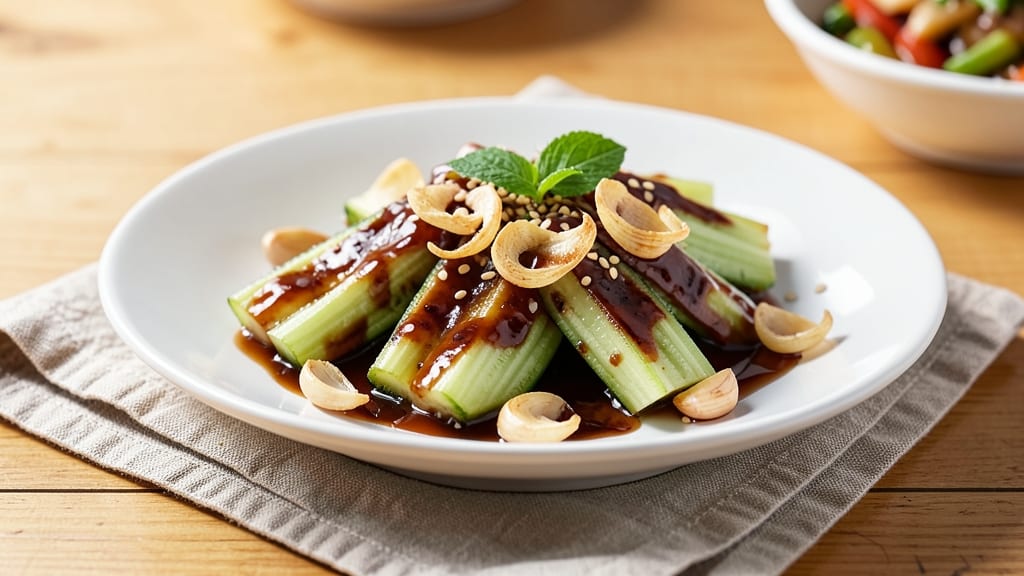
This ampalaya recipe with oyster sauce transforms bitter melon into crisp-tender bites bathed in a rich umami glaze—a dish that perfectly balances savory, slightly sweet, and earthy flavors. 💛 I first discovered this technique while working in a Filipino restaurant in Charleston, where the chef showed me how to properly prep the melon to eliminate bitterness while preserving its signature texture.
The secret lies in the oyster sauce, which adds depth without overpowering the delicate vegetable.
The key to success is achieving that perfect contrast between tender ampalaya and crisp edges—a texture that makes every bite satisfying. We start by properly slicing the melon (never the seeds!) and quickly stir-frying it at high heat to maintain its vibrant green color.
The oyster sauce, combined with garlic and a touch of sugar, creates a glossy glaze that coats each piece, enhancing its natural sweetness while complementing the umami richness.
What you'll end up with is a dish that's restaurant-quality yet simple enough for home cooking—crisp-tender ampalaya with a glossy, savory-sweet glaze that pairs beautifully with steamed rice. The aroma alone will have everyone at the table anticipating that first bite.
This recipe serves 4 and takes just 20 minutes to prepare, making it perfect for weeknight dinners or special occasions.
For those concerned about bitterness, I'll share my foolproof technique for preparing the melon—including how to properly slice and blanch it to ensure the best texture and flavor.
The result is a dish that highlights ampalaya's unique qualities while making it approachable for even the most skeptical eaters. Let's get cooking!
Ingredients for ampalaya recipe with oyster sauce
Fresh bitter melon, rich oyster sauce, and aromatic garlic—this combo transforms ampalaya into crisp-tender bites with restaurant-quality umami glaze.
| Ingredient | Amount | Notes |
|---|---|---|
| Ampalaya (Bitter Melon) 🥬 | 1 ½ lb | Seeds removed, sliced into 1-inch pieces |
| Oyster Sauce 🍶 | ½ cup | High-quality, like Lee Kum Kee |
| Garlic Cloves 🧄 | 6 cloves | Minced for aromatic base |
| Sugar 🍚 | 1 tbsp | Granulated or brown sugar |
| Soy Sauce 🍶 | 2 tbsp | Light or dark soy preferred |
| Vegetable Oil 🫒 | 3 tbsp | High smoke point for stir-frying |
| Green Onions 🧅 | 4 whole | Sliced, for garnish and freshness |
| Salt 🧂 | ½ tsp | To taste, adjust for seasoning |
| Black Pepper 🌶️ | ¼ tsp | Freshly ground for depth |
| White Pepper 🌶️ | ¼ tsp | Traditional for subtle warmth |
| Sesame Oil 🫒 | 1 tsp | For aroma, added at the end |
| Lime Juice 🍋 | 1 tbsp | Freshly squeezed for brightness |
| Steamed White Rice 🍚 | 2 cups | Cooked, for serving |
The ampalaya is the star here, so pick firm, vibrant green melons—avoid any with soft spots or yellowing. I always grab mine from Asian markets (they carry the best quality), but the regular produce section works too. Pro tip: Remove the seeds and slice it thinly—this is what eliminates the bitterness while keeping the texture perfect. For the oyster sauce, Lee Kum Kee is my go-to—it's the one I used in that Charleston restaurant. If you can't find it, any good-quality oyster sauce will do, but avoid the watery kind.
No oyster sauce? Soy sauce plus a splash of fish sauce can mimic the umami, but it won't be quite the same. The garlic is non-negotiable—freshly minced makes all the difference. Short on green onions? Substitute scallions or chives (they're basically the same thing). Want to add a little heat? A pinch of red pepper flakes at the end works wonders. The sugar balances the bitterness, so don't skip it—even if you're not sweet-toothed, trust me on this. And if you're feeling fancy, toasted sesame oil adds another layer of flavor (just don't use it for cooking—add it at the very end).
This dish is all about timing—cook the ampalaya just until tender-crisp, about 3-4 minutes. Overcooking turns it mushy, and nobody wants that. The glaze thickens as it sits, so reheat with a splash of water if needed. It keeps well in the fridge for 3-4 days, though I always make extra because it disappears fast. Serve it over steamed rice—jasmine rice is ideal—and watch everyone ask for seconds.
Why You'll Love This Recipe
- Foolproof Prep: Honestly, this dish takes less effort than ordering takeout. Slice the ampalaya (peel those seeds first—trust me), toss it in a pan with minced garlic, and let the oyster sauce work its magic. No fancy techniques, just stir-fry until tender.
- Umami Bomb: That oyster sauce transforms bitter melon into something ridiculously good. The salty-sweet balance cuts through the natural bitterness, leaving you with a dish that’s savory, slightly sweet, and packed with depth—like a flavor upgrade you didn’t know you needed.
- Weeknight Workhorse: Between us, this is my go-to when I’m too tired to plan. It reheats like a dream (even better the next day, honestly), pairs with rice or noodles, and still tastes fresh. Throw it in a bento box or serve it alongside grilled meats—it adapts without fuss.
- Pocketbook Hero: Ampalaya’s cheap, oyster sauce stretches far, and a few cloves of garlic make this budget-friendly without sacrificing taste. I’ve fed four people for under $5 with this—leftovers? Even better. The sauce clings to every bite, so you’ll stretch it further than you think.
Step-by-step instructions for ampalaya with oyster sauce
Here's how to transform bitter melon into crisp-tender bites with a rich, umami-packed glaze.
🍳 Step 1: Stir-Fry the Ampalaya Until Golden
Heat the 3 tablespoons vegetable oil in a wok or large skillet over medium-high heat until shimmering. Add the 1.5 lb ampalaya (bitter melon) in a single layer—don't overcrowd the pan. Stir-fry for 4-5 minutes until the edges turn golden brown and the melon begins to soften slightly but still holds its shape.
Here's the thing—ampalaya releases water as it cooks. If the pan gets too wet, reduce heat to medium and let the moisture evaporate before continuing. You want the melon to caramelize, not steam. Press down gently with a spatula during the first 2 minutes to help develop that crispy texture we're after.
👨🍳 Step 2: Build the Umami Sauce Base
Push the ampalaya to one side of the pan and add the 6 cloves minced garlic to the empty space. Stir for 30 seconds until fragrant—you'll smell that sweet, garlicky aroma filling your kitchen. Then add the 2 tablespoons soy sauce, 1 tablespoon sugar, 0.5 teaspoon salt, 0.25 teaspoon black pepper, and 0.25 teaspoon white pepper. Stir everything together for 1 minute to let the flavors meld.
This is where the magic happens. The sugar helps balance the bitterness while the peppers add depth. Taste a piece of ampalaya now—it should be tender but still slightly crisp with a hint of sweetness developing. If it's still too bitter, add another ½ teaspoon sugar and stir for another 30 seconds.
🥘 Step 3: Glaze with Oyster Sauce and Finish
Pour in the 0.5 cup oyster sauce and stir vigorously to coat the ampalaya completely. Let the mixture simmer for 3-4 minutes until the sauce thickens slightly and clings to the melon. You're looking for a glossy, sticky glaze that coats each piece—this ensures every bite is packed with umami flavor.
Real talk: the sauce should reduce just enough to coat the back of a spoon. If it's too thin, simmer uncovered for another 1-2 minutes to thicken. The ampalaya should now be tender yet still slightly crisp with a beautiful glossy sheen from the sauce.
🍽️ Step 4: Garnish and Serve Over Rice
Remove the pan from heat and stir in the 1 teaspoon sesame oil and 1 tablespoon lime juice. The sesame oil adds that nutty aroma while the lime brightens the dish. Taste and adjust seasoning—you might need a touch more salt or lime depending on your preference.
Divide the 2 cups steamed white rice among serving plates and top generously with the ampalaya. Garnish with 4 sliced green onions for freshness and color. Serve immediately while the ampalaya is still warm and the sauce is glossy—this dish tastes best fresh off the stove!
Pro Tips For Making Ampalaya Recipe With Oyster Sauce
- Slice Ampalaya Thin: I learned this the hard way—thick slices stay bitter and undercooked. Aim for ¼-inch slices (or paper-thin if your knife is sharp) so the oyster sauce penetrates every bite and the texture turns tender, not mushy. A mandoline helps if you’re impatient like me, but a steady hand works too.
- Salt the Ampalaya First: Dump those slices into a bowl with 1 teaspoon salt and let them sit for 10 minutes. This draws out the bitterness and softens the flesh slightly—no need to rinse, just drain well before cooking. Skipping this step means fighting that bitter punch the whole time.
- Sear Garlic Low and Slow: High heat burns garlic faster than you can blink, turning it acrid. Instead, cook the minced garlic in oil over medium-low until it’s just golden (about 3-4 minutes), stirring often. This brings out its sweetness without bitterness, letting the oyster sauce shine.
- Balance Sauce with Sugar Early: Taste your oyster sauce mixture before adding the ampalaya. If it’s too sharp, stir in ½ teaspoon sugar now—adjusting later is a headache. The ampalaya’s natural bitterness will mellow out, but the sauce should still taste like it’s in control, not fighting a losing battle.
Serving suggestions for this ampalaya recipe with oyster sauce
Rice Pairing Essentials
Steamed jasmine rice is my go-to pairing—its delicate floral aroma complements the umami glaze beautifully. Cook 2 cups of rice (about 1 cup dry) in a rice cooker or pot with 1.5 cups water until tender and fluffy.
For extra flair, I sometimes add ½ teaspoon pandan extract to the water for a subtle tropical note that pairs wonderfully with the dish's savory depth. 🍚
Protein Additions
This dish shines as a vegetarian meal, but adding protein makes it even more satisfying. Shrimp stir-fried with 1 tbsp soy sauce and 1 tsp ginger adds a seafood twist, while crispy pork belly (cubed and seared) brings rich, fatty contrast.
For a lighter option, toss in ½ cup edamame—their buttery texture and mild sweetness balance the ampalaya's bitterness perfectly.
Garnish Game-Changers
Fresh cilantro leaves scattered on top add a bright, herbaceous contrast to the rich sauce. I also love a sprinkle of toasted sesame seeds for extra crunch and aroma—just toast 1 tbsp in a dry pan for 1 minute until golden.
For heat lovers, a pinch of crushed red pepper flakes adds a smoky kick that cuts through the sauce's richness.
Sauce Variations
Want to jazz up the glaze? Swap ½ cup oyster sauce for ¼ cup hoisin sauce plus 2 tbsp fish sauce—this gives a deeper, slightly sweet profile.
For a tangier version, add 1 tbsp rice vinegar to the sauce mixture. Both variations work beautifully, but I recommend keeping the original ratio for authenticity. 💡
Presentation Tips
Serve the ampalaya in a shallow bowl over the rice for an elegant presentation. Use a slotted spoon to arrange the pieces artfully, with green onions fanned out on top. For a restaurant-style touch, drizzle a little extra sauce around the plate—this creates visual appeal while keeping the dish cohesive.
The glossy sauce will make your dish look as good as it tastes!
Nutrition facts
Frequently asked questions
Why does my ampalaya still taste bitter after cooking?
The bitterness comes from the seeds and the outer rind. Always remove all seeds and slice the melon thinly—never thick chunks. For extra insurance, blanch the slices in boiling water for 30 seconds before stir-frying to reduce bitterness. The oyster sauce and sugar in this recipe help balance any remaining bitterness too.
Can I substitute oyster sauce with something else?
Yes! For a vegetarian version, use ¼ cup soy sauce plus 1 tbsp hoisin sauce and add ½ tsp sugar to mimic the sweetness. For seafood lovers, 2 tbsp fish sauce plus 1 tbsp soy sauce works well. Just remember—oyster sauce adds that unique umami depth that's hard to replicate. The texture will be slightly different but still delicious.
How do I prevent the ampalaya from turning mushy?
Cook it at medium-high heat and stir frequently to prevent steaming. The key is 4-5 minutes maximum—ampalaya should be tender but still hold its shape. If your pan gets too wet from released moisture, reduce heat to medium and let it evaporate before continuing. Overcrowding the pan also causes mushiness, so work in batches if needed.
Can I make this recipe ahead of time?
Yes, but with one important tip: Don't glaze it until serving. Cook the ampalaya as directed, then store it in an airtight container in the fridge for up to 2 days. When ready to serve, reheat in a pan with 1 tbsp water and add the sauce mixture fresh. This keeps the texture perfect—no soggy melon! The sauce can be made ahead separately and reheated too.
What's the best way to store leftover ampalaya?
Transfer to an airtight container and refrigerate for up to 3 days. For longer storage, freeze it for up to 2 months—just thaw overnight in the fridge before reheating. To reheat, warm in a pan with a splash of water to restore the glossy sauce. Never microwave—it makes the sauce watery and the texture limp.