
Sauces & Condiments
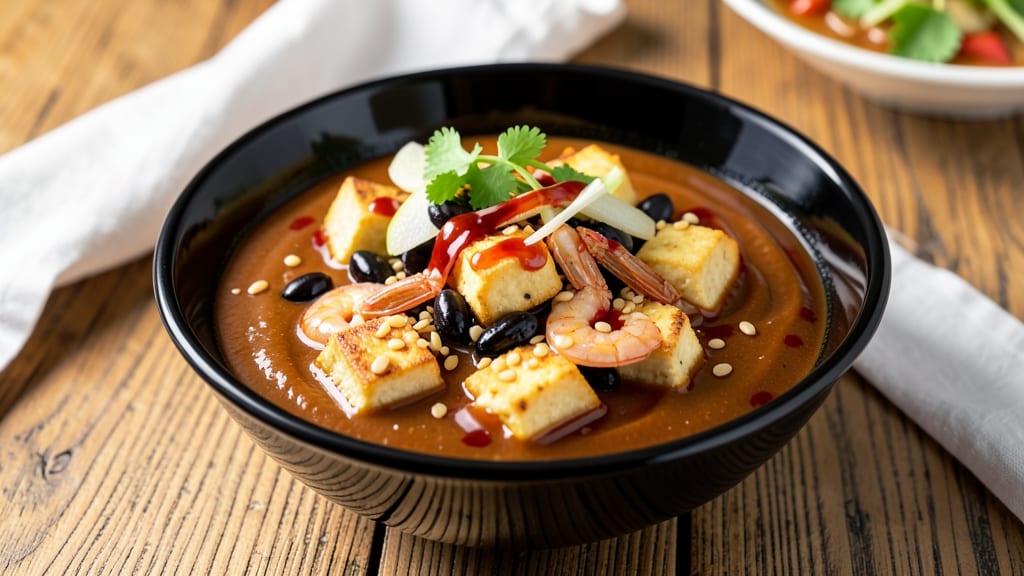
Amoy mapo tofu sauce transforms ordinary tofu into a restaurant-worthy dish with its complex umami depth and signature fermented heat. This sauce—where silky bean curd meets spicy fermented broth—requires patience but delivers unmatched flavor that elevates every bite. The key lies in balancing chili bean paste, fermented soybeans, and aromatic spices to create a sauce that's both bold and nuanced.
The fermentation process, though time-consuming, is what gives this sauce its signature depth. We'll build layers of flavor by simmering chili oil with fermented ingredients, then blending everything into a velvety, spicy-savory paste.
This isn't just a sauce—it's the soul of Sichuan cuisine in a jar, ready to transform simple ingredients into something extraordinary.
What makes this sauce special is its versatility—use it as a dipping sauce, stir it into noodles, or toss it with tofu for an instant flavor upgrade.
The silky texture comes from properly softened tofu, while the fermented elements provide that signature funky depth that sets it apart from regular mapo tofu recipes.
Once mastered, this sauce keeps well in the fridge for up to two weeks or can be frozen for longer storage. The secret to success? Patience in the fermentation and precision in balancing the spices. Let's create a sauce that will make your taste buds sing.
Ingredients for amoy mapo tofu sauce
Ten ingredients building Sichuan soul—fermented heat meets silky umami for restaurant-quality depth.
| Ingredient | Amount | Notes |
|---|---|---|
| Chili Bean Paste 🌶️ | ½ cup | Fermented, spicy variety preferred |
| Fermented Black Soybeans 🌱 | ½ cup | Aka douchi, for funky depth |
| Sichuan Chili Oil 🫒 | ¼ cup | Homemade or quality store-bought |
| Dried Shrimp 🦐 | ¼ cup | Small, for umami punch |
| Fresh Ginger 🧄 | 2 tbsp | Finely minced, aromatic |
| Garlic Cloves 🧄 | 6 cloves | Peeled, minced for depth |
| Green Onions 🧅 | 4 whole | White and green parts separated |
| Sesame Oil 🥜 | 1 tbsp | Toasted for nutty aroma |
| Soy Sauce 🍶 | 2 tbsp | Dark soy preferred |
| Shaoxing Wine 🍷 | ½ cup | Dry, aromatic variety |
Fermentation is everything here. Chili bean paste and black soybeans should smell funky and aged—if yours smells fresh, it's not fermented enough. Sichuan chili oil is non-negotiable; the homemade kind from Asian markets has that smoky depth. Dried shrimp adds umami without overpowering. For ginger and garlic, freshly minced beats pre-minced every time—they're the aromatic base that carries the sauce's complexity. Penzeys or local Asian grocers will have the best quality fermented ingredients.
No Sichuan chili oil? Substitute with chili crisp and a splash of sesame oil, but you'll lose that signature smoky heat. Short on black soybeans? Miso paste at half the amount adds umami, though not the funk. Pre-minced garlic? Fresh is worth the 30 seconds—it makes all the difference. The green onions should be bright white and crisp; any yellowing means they're past their prime. Shaoxing wine can be swapped for dry sherry if needed, but the aroma is crucial for authenticity.
This sauce ferments as it sits—2-3 days in the fridge deepens the flavors. Store in an airtight jar with a layer of oil on top to preserve freshness. Keeps 2 weeks refrigerated or 3 months frozen. For best texture, blend before serving—this is where the silky magic happens. The dried shrimp can be toasted separately for extra aroma, but don't skip the fermentation step—it's what transforms this from good to extraordinary.
Why You'll Love This Recipe
- No-Fuss Stir-Fry: The sauce comes together in one pan—just toast the chili bean paste and fermented black soybeans until fragrant, then toss in everything else. No chopping mountains of veggies, no fancy techniques, just that deep, smoky aroma filling your kitchen in minutes.
- Umami Bomb: That first spoonful of dried shrimp and ginger simmering in Sichuan chili oil? It’s like a flavor grenade—nutty, funky, and spicy all at once. The fermented black soybeans add this weirdly addictive depth that makes you want to eat it straight from the wok.
- Leftover Goldmine: This sauce keeps perfectly for days in the fridge, and reheats like it was just made. Slather it on rice, drizzle it over noodles, or mix it into a quick scramble—it’s my lazy Sunday go-to when I don’t want to cook but still crave something bold.
- Budget Spice Hero: A tiny jar of chili bean paste and a bag of fermented black soybeans stretch this recipe into weeks of meals. Honestly, I’ve made this for under $5 per serving, and it still feels like a restaurant-worthy dish. The dried shrimp? That’s the secret weapon that makes it taste expensive.
Step-by-step instructions for amoy mapo tofu sauce
Master this aromatic fermented broth with bold umami and balanced heat through precise technique.
Bloom the Fermented Base
Heat a heavy-bottomed wok or Dutch oven over medium-low heat and add the 0.5 cup chili bean paste and 0.5 cup fermented black soybeans. Stir continuously for 2-3 minutes until the mixture releases its deep, funky aroma and turns a rich mahogany color. This step develops the sauce's signature complexity—don't rush it or the flavors won't meld properly.
The paste should smell intensely of fermented chili and soy, with a slightly sour edge. If it sticks to the pan, add just enough water to loosen it, but aim to keep the texture thick. This concentrated base forms the soul of your sauce, so proper blooming is non-negotiable.
Build Umami with Aromatics
Increase heat to medium-high and add the 0.25 cup dried shrimp, 2 tbsp minced fresh ginger, and 6 cloves minced garlic cloves. Stir-fry for 1-2 minutes until the shrimp turns translucent and the aromatics sizzle, releasing their oils. The shrimp should expand slightly as it rehydrates from the steam.
Watch closely—the garlic should turn golden brown at the edges but not burn, which would impart bitterness. This is where the sauce's umami depth comes from, so don't skip this step. The ginger should dissolve into the mixture, leaving no visible chunks. Add the 4 whole green onions, white parts only, and stir for another 30 seconds to incorporate.
De-glaze and Simmer
Pour in the 0.5 cup Shaoxing wine and 2 tbsp soy sauce, scraping up any browned bits from the bottom of the pan. This deglazing captures all the concentrated flavors you've built. Bring to a gentle simmer and reduce by half—this should take about 3-4 minutes—until the sauce thickens slightly and coats the back of a spoon.
The wine should nearly disappear, leaving a glossy, syrupy reduction. Taste and adjust seasoning—you may need to add a pinch more soy sauce for saltiness or a splash of water if the sauce becomes too thick. This is the moment to balance all the complex flavors before adding the final oil.
Finish with Oil and Texture
Remove from heat and stir in the 0.25 cup Sichuan chili oil and 1 tbsp sesame oil. The oil will emulsify with the sauce, creating a silky, velvety texture. Add the remaining green onion greens, chopped, and toss to combine. The sauce should be vibrant red with visible oil streaks—this indicates proper emulsification.
For the perfect consistency, the sauce should coat a spoon but still be pourable. If it's too thick, whisk in 1-2 tablespoons hot water to reach a luxurious, spoonable thickness. Let it rest for 5 minutes before serving to allow the flavors to fully integrate. This fermented chili sauce pairs beautifully with soft tofu, noodles, or steamed rice.
Pro Tips For Making Amoy Mapo Tofu Sauce
- Bloom the Chili Paste: First, toast that chili bean paste dry in a pan for 30 seconds until it smells nutty and fragrant—this deepens the flavor way more than just tossing it in cold. I used to skip this, and the sauce always tasted flat until I learned this trick from a street vendor in Chengdu.
- Soak Dried Shrimp Properly: Rinse the dried shrimp and soak them in warm water for 15 minutes before using—this softens them just enough to break apart easily when stir-fried. My first batch had rubbery shrimp because I rushed this step, so now I set a timer and let them soak while I prep the ginger.
- Control the Heat Gradually: Start with medium-high heat when adding Sichuan chili oil, then immediately drop to medium-low once the oil is in—too much heat makes the oil smoke and lose its delicate aroma. I learned this the hard way when my kitchen filled with smoke and the oil tasted bitter.
- Mince the Ginger Fine: Use a microplane or the smallest blade on your grater for the ginger—this ensures it dissolves into the sauce instead of sitting as chunks. I was skeptical until I tried it, and now the sauce has a smoother, more balanced heat that’s less overpowering.
Common mistakes when making perfect results
Over-Fermented Ingredients
I’ve ruined this sauce twice by using fermented black soybeans that were too funky—think ammonia-like sharpness rather than the balanced funk you want. The key is to smell your ingredients before using them: fermented black soybeans should have a sour, umami aroma with no harsh chemical notes.
If yours smells like a gym locker, let it sit uncovered in the fridge for 24 hours to mellow out before using. 🌱
Skipping the Bloom Step
Don’t rush the 2-3 minute bloom of chili bean paste and black soybeans—that’s where the sauce’s soul develops! I once skipped this and ended up with a thin, flavorless mess. Heat on medium-low and stir constantly until the paste turns mahogany and smells deeply aromatic.
If it sticks, add just enough water to loosen, but don’t dilute it completely. This step is non-negotiable for depth. 🔥
Burning the Garlic
Watch those garlic cloves like a hawk—they go from golden perfection to bitter disaster in seconds. I’ve had to toss batches where the garlic burned, leaving a harsh aftertaste. Keep heat at medium-high and stir every 10 seconds once the garlic hits the pan.
It should be lightly browned (not black) when the shrimp is translucent. Pro tip: Use freshly minced garlic—pre-minced burns faster. 🧄
Under-Simmering the Wine
The Shaoxing wine needs to reduce by half—don’t just splash it in and walk away! I once rushed this step and ended up with a watery sauce. Simmer until the wine is almost gone (about 3-4 minutes), scraping up browned bits for maximum flavor.
If the sauce thickens too much, add 1 tbsp water later, not during this step. This reduction is what ties all the flavors together. 🍷
Adding Oil Too Early
Stirring in the Sichuan chili oil and sesame oil while the sauce is still hot can cause separation. I’ve had batches where the oil floated on top like a sad, greasy blanket. Always remove from heat first, then whisk in the oils.
The sauce should emulsify into a velvety, streaked texture—if it looks broken, blend briefly to fix it. Patience here makes all the difference. 🫒
Ignoring the Resting Time
That 5-minute rest before serving isn’t optional—it’s when the sauce truly comes together. I’ve served it immediately and had guests say it tasted "off." Let it sit while you prep your tofu or rice.
The flavors meld, the heat mellows slightly, and the texture becomes luxuriously smooth. Trust the process—your taste buds will thank you. ⏳
Nutrition facts
Frequently asked questions
Can I make this sauce without fermented black soybeans?
The fermented black soybeans (douchi) provide that signature funky depth, but you can substitute 1/4 cup miso paste for a similar umami boost. However, the flavor won't be identical—fermentation is key for that authentic Sichuan complexity. If you're short on time, use miso but reduce the soy sauce by 1 tablespoon to balance saltiness.
How spicy will this sauce be?
The heat comes from the chili bean paste and Sichuan chili oil, which creates a medium-hot level with lingering warmth. For milder sauce, reduce the chili oil to 2 tablespoons and omit half the bean paste. If you love spice, add an extra 1/2 teaspoon chili flakes at the end. Taste as you go—adjust before adding the oils!
Can I use this sauce for other dishes besides mapo tofu?
This versatile sauce elevates noodles, dumplings, or grilled meats beautifully. For stir-fries, use 1-2 tablespoons per serving. It also makes an incredible dipping sauce for spring rolls or a marinade for tofu or chicken. The fermented flavors work especially well with rice dishes—just thin with a little water if needed for pouring.
Why does my sauce look separated after adding oil?
This happens when the sauce is too hot or the oils are added too quickly. Always remove from heat first, then whisk in oils slowly. If separation occurs, blend briefly with an immersion blender or whisk vigorously. For prevention, keep the sauce warm (not simmering) when adding oils, and stir continuously for 30 seconds after mixing.
How do I store and revive this sauce?
Store in an airtight container in the fridge for up to 2 weeks, or freeze for 3 months. To revive, thaw overnight in the fridge, then reheat gently on low heat while stirring. If it thickens too much, add 1 teaspoon water at a time until smooth. The flavors actually improve after resting—let it sit at room temperature for 10 minutes before using for best results.