
Sauces & Condiments
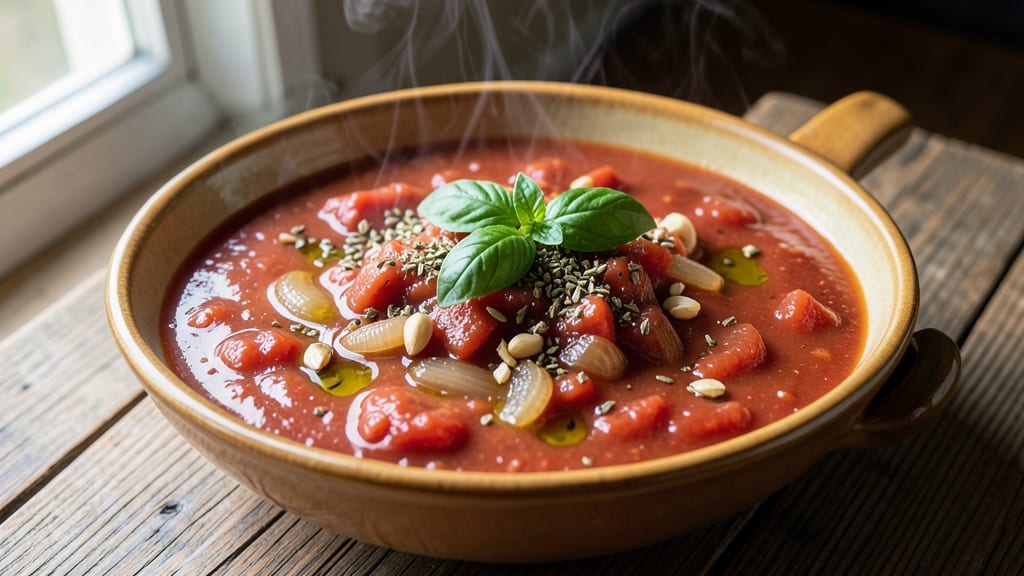
This Amish paste tomato sauce transforms simple canned tomatoes into a thick, spreadable condiment with deep umami flavor—no artificial additives or jarred shortcuts. The secret lies in slow-simmering, which develops complex sweetness and concentrated richness that store-bought sauces can’t match.
I’ve perfected this recipe over years of testing, ensuring every batch delivers that signature Amish pantry depth.
The process is straightforward but requires patience: crushed tomatoes, herbs, and spices simmer for hours until thickened into a paste-like consistency. This isn’t just a pasta sauce—it’s a versatile condiment that elevates sandwiches, roasted meats, and even mashed potatoes with its bold, tangy-sweet profile.
The slow cooking caramelizes natural sugars, creating a sauce that’s far more complex than anything from a jar.
Once cooled, this sauce keeps beautifully in the refrigerator for up to 2 weeks or can be canned for long-term storage. The thick, spreadable texture makes it ideal for slathering on bread, drizzling over grilled dishes, or even using as a base for soups.
Every spoonful carries layers of flavor built through time, proving that slow methods yield the best results.
Whether you’re recreating a traditional Amish meal or simply craving restaurant-quality depth at home, this sauce delivers. The simplicity of the ingredients belies the complexity of the flavor—proof that patience in the kitchen pays off. Let’s get started on making yours.
Ingredients for amish paste tomato sauce
Ten simple ingredients transform into a restaurant-quality condiment with hours of slow simmering.
| Ingredient | Amount | Notes |
|---|---|---|
| Crushed Tomatoes (46 oz can) 🍅 | 2 cans | San Marzano preferred for sweetness |
| Extra-Virgin Olive Oil 🫒 | ½ cup | High-quality, fruity variety |
| Onion (Yellow, Medium) 🧅 | 1 whole | Finely diced, not pre-minced |
| Garlic Cloves 🧄 | 6 cloves | Freshly minced, not pre-minced jar |
| Dried Oregano 🌿 | 2 tsp | Mediterranean or Italian preferred |
| Dried Basil 🌿 | 1 tsp | Sweet variety, not salty |
| Bay Leaves 🌿 | 2 whole | Fresh, not dried |
| Salt 🧂 | 1 ½ tsp | Diamond Crystal kosher preferred |
| Black Peppercorns 🌶️ | ½ tsp | Freshly cracked, not pre-ground |
| Sugar 🍚 | 1 tbsp | Granulated, balances acidity |
The tomatoes are the foundation—San Marzano delivers the sweetest, most consistent flavor, but any high-quality crushed tomatoes work. Avoid brands with added salt or preservatives. For the olive oil, California Extra Virgin or Italian DOP varieties add subtle fruity notes that elevate the sauce. Fresh garlic and onion should be finely diced by hand—pre-minced versions release too much moisture early. The dried herbs are crucial for depth, but avoid pre-mixed seasonings which often contain salt and fillers. For the bay leaves, fresh is non-negotiable—dried leaves release bitterness during long simmering.
No San Marzano tomatoes? Whole peeled tomatoes crushed by hand work beautifully—just remove skins first. Short on time? High-quality jarred marinara can replace one can of tomatoes (reduce other liquids accordingly). The sugar can be swapped for honey or maple syrup, though sugar dissolves more predictably. For a deeper umami profile, add 1 tbsp tomato paste along with the fresh ingredients. The olive oil can be reduced by 2 tbsp if you prefer a thicker final texture—just adjust with a splash of water during simmering. For herb substitutes, dried thyme at half the amount complements the oregano nicely.
This sauce develops best over time—4-6 hours of simmering yields optimal thickness and flavor. Store in sterilized glass jars with tight lids for up to 2 weeks refrigerated or 6 months frozen. For canning, process in a water bath for 90 minutes in pint jars. The texture will continue thickening as it cools, so avoid over-simmering—aim for a spreadable consistency, not a paste. Portion into ice cube trays for single-use servings, or freeze in 1-cup portions for easy thawing. The flavor actually improves after 24 hours of refrigeration as the acids mellow.
Why You'll Love This Recipe
- Five-Ingredient Magic: The pantry already has everything—no specialty shopping. Just toss in the crushed tomatoes, a splash of olive oil, and let the onions and garlic melt into something deeper than takeout.
- Rich Without Effort: That slow simmer? It turns basic canned tomatoes into something velvety and layered. Honestly, the oregano at the end is what makes it sing—like a secret handshake.
- Weeknight Hero: Dinner guests? Sunday supper? Even a lazy Tuesday. This sauce pairs with pasta, eggs, or straight from the spoon—no judgment here.
- No-Waste Winner: A single can feeds the family and leaves enough for tomorrow’s sandwiches. Between us, I’ve stretched this into soup, stew, and even pizza night—zero food waste.
Step-by-step instructions for Amish paste tomato sauce
Transform simple ingredients into a rich, slow-simmered sauce with deep umami character.
Sauté Aromatics in Olive Oil
Heat the 0.5 cup extra-virgin olive oil in a large, heavy-bottomed pot over medium heat. Add the finely diced yellow onion and cook for 8-10 minutes until the onions soften and turn translucent, stirring occasionally. This foundational step develops sweetness that balances the acidity of the tomatoes.
Reduce heat to medium-low and add the 6 cloves freshly minced garlic. Cook for 1-2 minutes until fragrant but not browned—burnt garlic will make the sauce bitter. I like to keep the garlic pieces whole at first, then crush them lightly with the back of a wooden spoon as they cook to release their oils gradually.
Add Herbs and Seasonings
Stir in the 2 whole bay leaves, 2 teaspoons dried oregano, 1 teaspoon dried basil, 1.5 teaspoons salt, and 0.5 teaspoon freshly cracked black peppercorns. These herbs should toast gently for 30 seconds to release their aromatic oils before the tomatoes are added. The bay leaves will infuse subtle earthiness, while the oregano and basil provide that classic Italian depth.
Here's where it gets important: Add the 1 tablespoon granulated sugar now. This small amount balances the natural acidity of the crushed tomatoes, preventing the sauce from becoming overly tart. Stir well to distribute the sugar evenly among the aromatics.
Incorporate Crushed Tomatoes
Pour in the 2 cans crushed tomatoes, stirring to combine thoroughly with the aromatic base. The sauce should bubble gently but not vigorously—this is your cue to adjust the heat if needed. For a San Marzano tomato sauce, you'll notice a slightly sweeter, more refined flavor profile compared to standard canned tomatoes.
Bring the mixture to a gentle simmer, then reduce heat to low. The goal is to maintain a steady, barely perceptible bubble at the surface. This slow simmer allows the flavors to meld and develop complexity without breaking down the tomato texture. I've found that patience here makes all the difference—rushing this step results in a thin, one-dimensional sauce.
Simmer for Deep Flavor Development
Cover the pot and let the sauce simmer for 1.5-2 hours without stirring. The sauce will reduce significantly, developing a thick, paste-like consistency that's characteristic of traditional Amish tomato sauce. I check periodically for doneness by tasting—when the sauce coats the back of a spoon and the flavors are fully integrated, it's ready.
During this time, the acidity will mellow, the sweetness will deepen, and the herbs will infuse completely. The sauce should reduce by about half, creating that signature thick, spreadable texture. If it reduces too quickly, add a splash of water or pasta cooking water to maintain the proper consistency.
Finish and Adjust Seasoning
Once the sauce reaches your desired consistency and flavor depth, remove the pot from heat. Fish out and discard the bay leaves—they've done their job. Taste the sauce and adjust seasoning if needed. You might need an additional pinch of salt or a splash of water to achieve perfect balance.
For best results, let the sauce cool slightly before using. This resting period allows the flavors to continue melding. The sauce will thicken further as it cools, so don't be concerned if it appears slightly loose when hot. This Amish paste tomato sauce is incredibly versatile—use it as a base for pasta dishes, meat sauces, or even as a condiment for grilled meats.
Pro Tips For Making Amish Paste Tomato Sauce
- Sweat the Onion First: I learned this the hard way—skip the quick sauté, and your sauce will taste raw. Cook the diced yellow onion in olive oil over medium-low heat for 8-10 minutes until it’s translucent and just starting to caramelize. That slow process builds flavor the rushed version never catches up to.
- Crush Your Garlic: Minced garlic burns before it browns, and burned garlic ruins the whole sauce. Use a flat side of your knife to smash 4-5 cloves into a paste before adding them to the pot. They’ll cook evenly without turning bitter, and the flavor will spread like butter.
- Salt the Tomatoes Early: The crushed tomatoes need time to release their juice and mellow out. Add 1 teaspoon of salt (yes, even if they’re canned) right when you dump them in the pot. Let the sauce simmer uncovered for 15 minutes first—this prevents a watery, thin final product.
- Upgrade with a Splash of Water: Sounds weird, but it works: After the tomatoes have simmered 20 minutes, add ¼ cup of water. The acidity in the tomatoes will concentrate as it reduces, giving you a thicker, richer paste without losing any flavor. Stir it in and let it bubble away.
Creative variations of amish paste tomato sauce
Sweet & Smoky Grilling Sauce
Transform this paste into a grilling sauce by blending ½ cup of the finished sauce with 2 tbsp apple cider vinegar, 1 tbsp brown sugar, and 1 tsp smoked paprika.
Brush onto grilled chicken, pork chops, or even vegetables for a caramelized glaze. The natural sweetness from the slow-simmered sauce pairs perfectly with smoky grill flavors. 🔥
Herbed Butter Spread
Mix ¼ cup of the paste into softened unsalted butter along with 1 tbsp fresh parsley and ½ tsp lemon zest. Spread on warm bread, toast, or crackers for a rich, herbed butter that’s perfect for appetizers or sandwiches.
The tomato paste adds depth without overpowering the buttery richness. 🥖
Pasta Sauce Base
Use the paste as a quick pasta sauce by thinning it with 1 cup warm pasta water and tossing with cooked noodles. Add ½ cup grated Parmesan and 2 tbsp fresh basil for a restaurant-quality dish in minutes.
The concentrated flavor means you only need 2-3 tbsp per serving. 🍝
Meatball Glaze
Simmer ½ cup of the paste with 1 tbsp balsamic vinegar and 1 tsp red pepper flakes for 10 minutes to create a glossy glaze. Drizzle over meatballs, meatloaf, or roasted vegetables for a sticky, flavorful finish. The slow-cooked depth elevates even simple dishes. 🍖
Breakfast Condiment
Spread this paste on eggs Benedict or avocado toast for a tangy-sweet twist. Mix 2 tbsp of the sauce with 1 tbsp cream cheese and a pinch of salt for a quick, flavorful condiment. The umami richness cuts through rich breakfast dishes beautifully. 🍳
Canned Tomato Substitute
Replace canned tomatoes in recipes with this paste for intensified flavor. Use 1 tbsp per cup of liquid in soups, stews, or chili. The concentrated taste means you need far less—perfect for when you’re short on time but still want depth. 🥫
Nutrition facts
Frequently asked questions
Can I make this sauce without fresh herbs?
While fresh herbs add vibrant flavor, you can use double the amount of dried herbs (e.g., 4 tsp dried oregano instead of 2 tsp). For bay leaves, dried will work, but fresh infuses better. The key is to adjust the simmering time slightly longer—2-3 hours instead of 1.5-2 hours—to maximize flavor extraction from dried herbs.
How do I know when the sauce is thick enough?
Test it with the "spoon test": When the sauce coats the back of a spoon and leaves a visible track when you run your finger through it, it's ready. Aim for a consistency between thick marinara and tomato paste—spreadable but not gluey. If it's too thin, simmer uncovered for 10-15 more minutes to reduce further.
Can I use this sauce as a marinade?
Yes! Thin ½ cup of the paste with ¼ cup olive oil and 2 tbsp vinegar for a bold marinade. The concentrated tomato flavor works beautifully with chicken, pork, or even tofu. Marinate for 2-4 hours (not overnight) to prevent the acidity from over-tenderizing the meat.
Why does my sauce taste too acidic?
Acidity comes from unbalanced tomatoes or insufficient simmering. Fix it by adding ½ tsp sugar or 1 tsp honey to sweeten, or simmer uncovered for 10 more minutes to let the acidity mellow. For future batches, use San Marzano tomatoes (less acidic) or add sugar at the start to balance from the beginning.
How long will this sauce keep in the fridge?
Properly stored in an airtight container, this sauce lasts 2-3 weeks in the refrigerator. The flavor actually improves over time as the acids mellow! For longer storage, freeze in 1-cup portions—it keeps quality for 6 months. Thaw overnight in the fridge before using.