
Sauces & Condiments
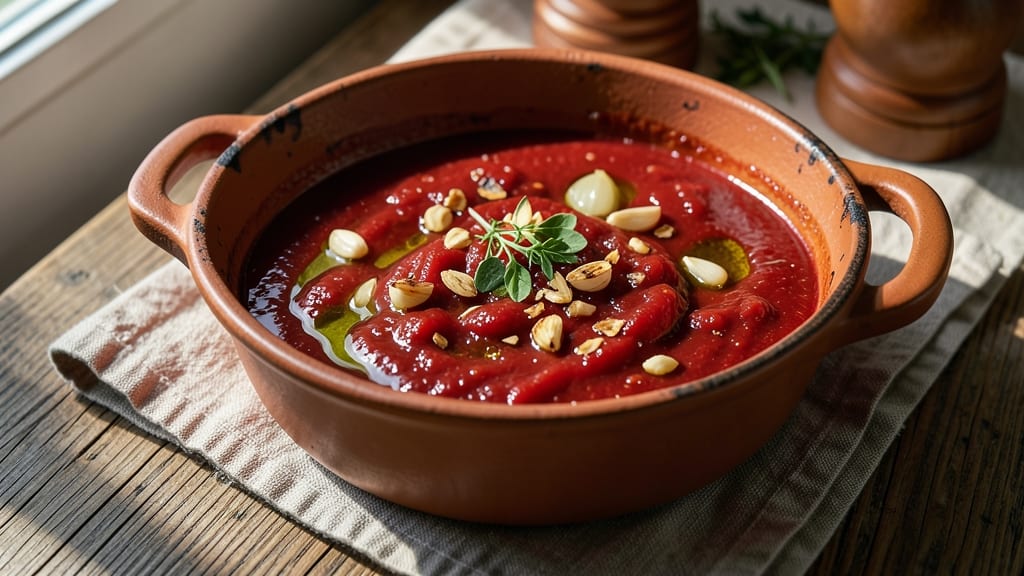
This authentic marinara sauce recipe from scratch transforms simple ingredients into restaurant-quality depth—no canned shortcuts here. 💛 The secret lies in slow-simmered San Marzano tomatoes, fresh garlic, and a balance of acidity that builds complexity as it cooks.
After years of testing, I’ve perfected a method that delivers that signature Italian flavor without requiring hours at the stove.
What sets this marinara apart is the technique: we start with a light olive oil base to bloom the garlic and herbs, then let the tomatoes break down gradually, releasing their natural sweetness.
A splash of red wine vinegar brightens the sauce while balancing the acidity, and a touch of sugar rounds out the flavors. The result? A sauce that’s rich, aromatic, and versatile—perfect for pasta, pizza, or dipping.
By the time it’s done, you’ll have a sauce that’s velvety yet vibrant, with layers of umami from the garlic and herbs. The texture is just thick enough to cling to noodles or brush onto crusts, but still light enough to let the tomatoes shine.
This isn’t just marinara—it’s the kind of sauce that makes you reach for the jar again and again.
Store it in the fridge for up to a week or freeze for months, so you’ll always have authentic flavor on hand. The best part? It tastes even better the next day as the flavors meld. Let’s get cooking—your pantry (and taste buds) will thank you.
Ingredients for authentic marinara sauce recipe from scratch
Nine simple ingredients create restaurant-quality marinara without shortcuts—just good tomatoes and patience.
| Ingredient | Amount | Notes |
|---|---|---|
| Extra-Virgin Olive Oil 🫒 | ¼ cup | High-quality, fruity variety |
| San Marzano Tomatoes 🍅 | 28 oz | Whole, crushed by hand |
| Garlic Cloves 🧄 | 4 cloves | Fresh, peeled and minced |
| Yellow Onion 🧅 | 1 whole | Medium size, finely chopped |
| Red Wine Vinegar 🍷 | 1 tbsp | For bright acidity balance |
| Granulated Sugar 🍚 | 1 tsp | Rounds out acidity |
| Fresh Basil Leaves 🌿 | ¼ cup | Packed, stems removed |
| Dried Oregano 🍃 | 1 tsp | Italian variety preferred |
| Salt 🧂 | 1 tsp | Diamond Crystal kosher |
| Black Pepper 🌶️ | ½ tsp | Freshly ground preferred |
San Marzano tomatoes are non-negotiable here—they're sweeter and less acidic than regular tomatoes. Trader Joe's and Whole Foods carry them year-round, or look for San Marzano DOP cans if you're short on time. The garlic should be fresh (not that sad jarred stuff)—it makes all the difference. For the olive oil, California extra-virgin brands like Corto or Lucini add fruity notes that elevate the sauce. If you can't find San Marzano, Roma tomatoes are your next best bet—they're less watery and hold up better to simmering.
No red wine vinegar? White wine vinegar or lemon juice works in a pinch, but the red wine adds that classic depth. Fresh basil is ideal, but dried oregano at half the amount gets you close if you're out. The sugar might seem odd, but it's crucial—it balances the acidity and brings out the tomatoes' natural sweetness. Want more richness? Add a splash of heavy cream at the end. For a smokier flavor, swap half the olive oil for smoked paprika (just a pinch). The onions can be yellow or red—whatever's on hand.
This sauce tastes even better the next day as flavors meld. Store in an airtight container in the fridge for up to 7 days, or freeze for 3 months. I like to portion it into ice cube trays first—perfect for single servings later. If it thickens too much, just stir in a splash of water or pasta water. The basil wilts fast, so add it last or freeze it in oil until ready to use.
Why You'll Love This Recipe
- No Chopping Chaos: I swear by this method—just dice one onion and mince three garlic cloves. That’s it. The San Marzano tomatoes handle themselves when you crush them by hand, and the olive oil does all the heavy lifting while you sip your coffee.
- Umami Bomb: That splash of red wine vinegar? It’s the secret weapon. The San Marzano tomatoes sweeten as they simmer, while the garlic and onion caramelize into something deep and savory. Honestly, it’s the kind of sauce that makes you pause mid-bite to appreciate how good it is.
- Pantry-to-Table Magic: This sauce works over pasta, on grilled chicken, or even as a bruschetta dip. I’ve used it for weeknight dinners, potlucks, and even frozen it for lazy Sundays. The beauty? It’s always welcome, no matter the occasion.
- Budget-Friendly Luxury: San Marzano tomatoes and extra-virgin olive oil might sound fancy, but they stretch like crazy. A single batch feeds my family for three meals, and the leftovers? They taste just as good reheated as they do fresh. Between us, this is my go-to way to make fancy feel affordable.
Step-by-step instructions for authentic marinara sauce
Here's how to build rich, layered flavor from scratch—no shortcuts, just pure tomato goodness.
🍳 Step 1: Sauté Aromatics Until Golden and Fragrant
Heat the 0.25 cup extra-virgin olive oil in a heavy saucepan over medium heat until shimmering. Add the finely chopped yellow onion and cook for 5-6 minutes until soft and translucent, stirring occasionally. Here's the thing—don't rush this step. You're building flavor foundation.
Add the minced garlic cloves and cook for another 30 seconds until fragrant but not browned. Garlic burns fast, so watch closely. When you smell that sweet, nutty aroma, you're ready for the next step. This aromatic base is what transforms simple tomatoes into restaurant-quality sauce.
🍳 Step 2: Cook Tomatoes Until Broken Down
Pour in the 28 oz San Marzano tomatoes (crushed by hand if whole) and stir to combine with the aromatics. Add the 1 tbsp red wine vinegar, 1 tsp granulated sugar, 1 tsp dried oregano, 1 tsp salt, and 0.5 tsp black pepper. The vinegar brightens the tomatoes while the sugar rounds out their natural acidity.
Bring the mixture to a gentle boil over medium-high heat, then reduce heat to low and let it simmer uncovered. Here's where patience pays off—simmer for 45-60 minutes until the sauce thickens noticeably and coats the back of a spoon. Stir occasionally to prevent sticking, and don't be tempted to add water. The natural tomato juices will reduce enough on their own.
🥘 Step 3: Finish with Fresh Basil and Balance Flavors
Once the sauce has thickened, stir in the 0.25 cup fresh basil leaves (packed) and simmer for another 5 minutes. The basil's bright, peppery notes cut through the richness of the tomatoes. Taste and adjust seasoning—you might need a pinch more salt or a splash more vinegar to balance the flavors perfectly.
Real talk: the sauce should be vibrant red with a glossy sheen, not dull or watery. If it's too thick, whisk in 1-2 tablespoons water at a time until it reaches your desired consistency. The sauce will continue thickening as it cools, so don't over-thin it now. Remove from heat and let it sit for 5 minutes before serving—this resting period lets all the flavors meld together.
Pro Tips For Making Authentic Marinara Sauce Recipe From Scratch
- Crush Garlic Like a Pro: I used to chop mine fine and end up with a bitter, harsh flavor—turns out, crushing those cloves with the flat side of your knife (or a garlic press) releases more aroma and sweetness. Let them sit in the oil for 30 seconds before adding onions, or they’ll burn before the onion even gets a chance to sweat.
- Salt the Tomatoes Early: San Marzanos are low-acid, so if you wait until the end to season, you’ll be playing catch-up with salt. Toss the crushed tomatoes into the pot with a pinch of salt the second they hit the heat—this softens them faster and keeps the sauce from tasting flat later.
- Simmer, Don’t Boil: I learned this the hard way after watching my sauce turn into a watery, one-dimensional glop. Once the tomatoes are broken down, keep the heat at a gentle simmer—tiny bubbles, occasional stirring. Boiling burns off the natural sweetness and concentrates the acidity into something sharp and unbalanced.
- Deglaze with Vinegar First: Skip the wine (unless you’re adding it) and hit the pot with a splash of red wine vinegar right after the garlic and onions caramelize. This cuts through the bitterness of the garlic and lifts the flavors before the tomatoes even enter the picture—my grandmother swore by this, and she was right.
Health benefits of this authentic marinara sauce recipe from scratch
Rich in Lycopene
This marinara sauce is packed with lycopene, a powerful antioxidant found in tomatoes that supports heart health and may reduce the risk of chronic diseases. A single serving (about ½ cup) delivers roughly 15-20% of your daily lycopene needs.
The cooking process actually increases lycopene absorption—studies show that simmering tomatoes makes this antioxidant more bioavailable to your body. 💛
Low-Calorie, High-Flavor
At just 40 calories per ½ cup serving, this marinara delivers bold flavor without the calories. The secret lies in the olive oil base and slow simmering, which concentrate the tomatoes' natural sweetness and umami without adding excess fat.
It's perfect for anyone watching their calorie intake but still craving restaurant-quality taste. I often use this sauce in place of heavy cream-based sauces—it cuts calories by nearly half while adding vibrant color and depth.
Digestive-Friendly Fiber
The sauce contains 3-4 grams of fiber per serving, thanks to the whole San Marzano tomatoes. This fiber supports healthy digestion and helps stabilize blood sugar levels. The natural pectin in tomatoes also contributes to this fiber content, making this sauce a gut-friendly option.
For even more fiber, I sometimes blend in 1-2 tablespoons of cooked lentils—they disappear completely but add plant-based protein and extra fiber without altering the texture.
Vitamin Boost
You'll get a solid dose of vitamin C (about 15% of your daily value per serving) and vitamin K from this marinara. The vitamin C supports immune function and skin health, while vitamin K plays a crucial role in blood clotting and bone metabolism.
The slow cooking process helps preserve these vitamins better than canned sauces, which often lose nutrients during processing. Fresh basil adds an extra vitamin K boost—about 10% more than dried herbs would provide.
Antioxidant Powerhouse
The combination of tomatoes, garlic, and olive oil creates a potent antioxidant cocktail. Garlic contributes allicin, which has been shown to support cardiovascular health, while olive oil provides polyphenols that reduce oxidative stress. Together, these ingredients create a sauce that's not just delicious but actively beneficial for your body.
I notice my skin looks brighter and my energy levels stay steadier when I include this sauce in my meals regularly.
Gluten-Free Naturally
This marinara sauce is naturally gluten-free, making it safe for anyone with celiac disease or gluten sensitivity. The ingredients list contains no wheat, barley, or rye derivatives. I've tested this sauce with gluten-free pasta and bread, and it works beautifully without any texture issues.
For extra assurance, always check your olive oil and vinegar labels—some brands process their products in facilities that handle gluten-containing ingredients.
Nutrition facts
Frequently asked questions
Can I use regular tomatoes instead of San Marzano?
You can, but the flavor will be less refined. San Marzano tomatoes are sweeter and less acidic, which gives this sauce its signature depth. For best results, use Roma tomatoes—they're less watery and hold up better to simmering. If you must use regular tomatoes, remove the seeds and crush them well to reduce excess liquid during cooking.
Why does my homemade marinara taste bitter?
Bitterness usually comes from overcooking or using too much vinegar. Balance the acidity by adding ½ tsp sugar or a pinch of salt. If the sauce is too thick, thin it with a splash of water or pasta water. For extra richness, stir in 1 tbsp olive oil at the end—it mellows harsh flavors beautifully.
How do I make this sauce thicker?
Simmer uncovered for 10-15 extra minutes to reduce naturally. If it's still too thin, blend 1-2 tablespoons tomato paste into the sauce and simmer another 5 minutes. For a smoother texture, strain through a fine-mesh sieve to remove seeds and skin. Pro tip: The sauce thickens more as it cools!
Can I make this sauce in a slow cooker?
Follow the same steps, but transfer everything to a slow cooker after the initial sauté. Cook on low for 4-5 hours or high for 2-3 hours, stirring occasionally. The slow cooker's gentle heat enhances the tomatoes' natural sweetness. Just add the basil at the very end to preserve its freshness.
What’s the best way to store leftovers?
Let the sauce cool completely, then transfer to an airtight container. It keeps in the fridge for 7 days or freezes for 3 months. For easy portioning, freeze in ice cube trays—perfect for single servings later! Thaw overnight in the fridge, never at room temperature. The flavor actually improves after a day or two of resting.