
Sauces & Condiments
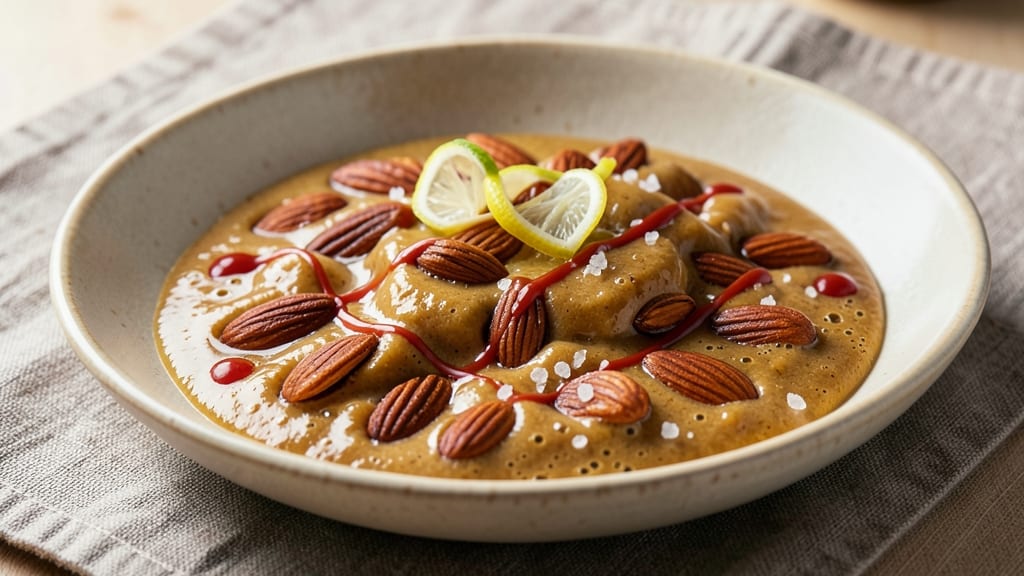
This amandine sauce recipe transforms simple butter, Dijon mustard, and toasted almonds into a luxurious, nutty condiment that elevates everything from roasted chicken to grilled fish.
The secret lies in slow caramelization of the almonds and the perfect balance of tangy mustard and rich butter—creating a sauce that's both elegant and foolproof for home cooks.
What makes this sauce special is its versatility and depth of flavor. The almonds develop a delicate sweetness when toasted just right, while the Dijon mustard adds a subtle tang that brightens the buttery base.
This isn’t your average butter sauce—it’s a restaurant-worthy condiment that takes minutes to prepare but feels like a gourmet touch. The key is patience in toasting the almonds and emulsifying the sauce properly for a silky texture.
Once complete, this sauce delivers a velvety, aromatic finish that clings beautifully to proteins and vegetables. It’s perfect for drizzling over roasted chicken, seared scallops, or even steamed asparagus—adding a touch of sophistication without complicating your meal.
The best part? It keeps well in the refrigerator for up to a week, ready to transform simple dishes into something extraordinary.
For an extra layer of complexity, consider infusing the butter with a splash of white wine or lemon zest, but the classic version—just butter, almonds, and Dijon—is already a standout. Let’s get started on creating this versatile sauce that will become a staple in your cooking repertoire.
Ingredients for amandine sauce
Six ingredients transform into a velvety, nutty sauce that feels restaurant-worthy yet takes minutes to make.
| Ingredient | Amount | Notes |
|---|---|---|
| Unsalted Butter 🧈 | ¾ cup | Cold, cubed for even toasting |
| Sliced Almonds 🥜 | 1 cup | Skin-on, toasted to golden |
| Dijon Mustard 🍯 | 2 tbsp | High-quality, tangy variety |
| Fresh Lemon Juice 🍋 | 1 tbsp | Bright, freshly squeezed |
| Granulated Sugar 🍚 | 1 tsp | For subtle caramelization |
| Fine Sea Salt 🧂 | ½ tsp | Adjusts flavor balance |
| Heavy Cream 🥛 | ¼ cup | Optional for silkier texture |
| Freshly Ground Black Pepper 🌶️ | ¼ tsp | Freshly cracked for depth |
The almonds are the star—skin-on, sliced almonds from Trader Joe's or bulk bins toast to golden perfection, developing that delicate caramelized sweetness. For butter, unsalted is essential—Plugrá or Land O'Lakes work beautifully. Dijon mustard? Maille or Amora bring that signature tang, but any quality brand will do. Toast the almonds low and slow—watch like a hawk to avoid burning, as they go from golden to bitter fast. The sugar here isn't for sweetness but to help those almonds develop that perfect caramelized flavor.
No sliced almonds? Slivered almonds work too, but toast them slightly longer. Short on Dijon? Whole-grain mustard at half the amount adds texture but less tang. The heavy cream is optional but game-changing for that ultra-silky texture—skip it if you prefer a lighter sauce. For extra depth, infuse the butter with a splash of white wine or lemon zest while melting, but the classic version shines on its own. Freshly ground black pepper is non-negotiable—pre-ground lacks that bright, aromatic punch.
This sauce keeps beautifully—up to 1 week in the fridge, sealed with a thin layer of olive oil on top to preserve freshness. For longer storage, freeze in ice cube trays—thaw and whisk back to perfection. Reheat gently over low heat, stirring constantly to prevent separation. It’s magic drizzled over roasted chicken, seared scallops, or even steamed asparagus—elevating simple dishes to something extraordinary with minimal effort.
Why You'll Love This Recipe
- Five-Ingredient Magic: I swear, this sauce comes together with stuff you already have—rich butter, toasted almonds, a splash of lemon, and that mustard kick. No fancy techniques, just melt, stir, and boom—flavor hits every time.
- Nutty-Lemon Crunch: Honestly, the contrast is what makes it special: buttery richness with that bright lemon zing and crunchy almonds on top. It’s like a hug for your taste buds—sweet, tangy, and just salty enough from the toasted nuts.
- Dinner Party Ready: Between us, this sauce turns anything fancy—roasted chicken, fish, even mashed potatoes—into a showstopper. Toss it together last minute, and suddenly your weeknight meal feels like a restaurant dish. (Yes, even on a Tuesday night.)
- Leftovers That Don’t Suck: The best part? It reheats like a dream—just warm with a splash of water to loosen it up. I’ve saved half a batch for days, and it’s still as good as the first time. Plus, the almonds stay crispy if you’re careful. Budget-friendly and foolproof.
Step-by-step instructions for amandine sauce
Here's how to create this luxurious sauce with perfectly toasted almonds and rich, velvety butter.
Toast the Almonds to Golden Perfection
Heat a large skillet over medium heat and add the 1 cup sliced almonds in a single layer. Toast them for 5-7 minutes, stirring constantly with a wooden spoon, until they're a deep golden brown with a nutty aroma. You want them just shy of burning—they should smell irresistible but not bitter.
Here's the thing—I like to watch the almonds closely during the last minute. They'll darken quickly, so be ready to remove them immediately when they reach that perfect toasted color. Transfer them to a small bowl and set aside. Those toasted almonds are the star of this sauce, so don't rush this step. Their flavor will carry through the entire dish.
Create the Dijon Butter Base
In the same skillet (no need to clean it—the nutty flavor will enhance the sauce), reduce the heat to low and add the 0.75 cup cold, cubed unsalted butter. Let it melt slowly, swirling the pan occasionally until the butter is completely liquid and smooth.
Once melted, remove the skillet from heat and stir in the 2 tbsp Dijon mustard and 1 tsp granulated sugar. Whisk vigorously until everything is fully incorporated and the mixture is smooth. This is where the sauce starts to come together—you'll notice it thickens slightly as the mustard and sugar blend with the butter.
Build Flavor with Lemon and Spices
Return the skillet to low heat and add the 1 tbsp fresh lemon juice, 0.5 tsp fine sea salt, and 0.25 tsp freshly ground black pepper. Stir continuously for 2-3 minutes until the sauce is completely smooth and all the spices are evenly distributed. The lemon brightens the richness of the butter while the pepper adds a subtle kick.
I like to taste the sauce at this stage—it should be tangy, slightly sweet, and rich. If it's too thick, you can add 1-2 tablespoons of warm water to loosen it. If it's too thin, simmer it for another minute to reduce slightly. The texture should be like a thick, velvety butter—just right for drizzling over fish, chicken, or vegetables.
Incorporate the Toasted Almonds (Optional Cream Addition)
Remove the skillet from heat again and stir in the toasted almonds, distributing them evenly throughout the sauce. For an even silkier texture, add the 0.25 cup heavy cream now and stir gently until fully combined. The cream mellows the acidity from the lemon and adds a luxurious mouthfeel.
Let the sauce sit for 1-2 minutes off the heat to allow all the flavors to meld together. The almonds should be coated in that golden butter, and the sauce should have a glossy, appetizing appearance. If you're serving this immediately, you can proceed. If you need to hold it, keep it warm over low heat or reheat gently before serving.
Finish and Serve with Confidence
Give the sauce one final taste and adjust the seasoning if needed—perhaps a pinch more salt or a squeeze of lemon to balance the flavors. The sauce should be rich, nutty, tangy, and perfectly balanced. This is your moment to shine—drizzle it generously over your favorite protein or vegetables, and watch it disappear.
I always serve this sauce warm, straight from the skillet, so it maintains that beautiful sheen and velvety texture. The contrast of the warm, buttery sauce against cool fish or roasted vegetables is pure magic. And remember, the secret to this sauce is patience—letting the almonds toast properly and the flavors meld together gives you that restaurant-quality result every time.
Pro Tips For Making Amandine Sauce
- Toast Almonds Low: I learned this the hard way—slamming almonds in a hot pan burns them before they crisp. Instead, use medium-low heat and stir constantly until they’re golden, not brown. A minute or two is all they need; they’ll keep cooking from residual heat.
- Whisk Butter Slowly: Dump cold butter into a hot pan and you’ll end up with greasy almonds and a broken emulsion. Melt the butter first, then whisk in sugar and mustard over low heat until it’s just warm—not simmering. That’s when the sauce starts to sing.
- Use Lemon Zest Too: Juice is good, but zest is the thing that matters most. A teaspoon of fresh lemon zest (finely grated) adds brightness without overpowering. I skip it when I’m lazy, but the dish is noticeably better when I don’t.
- Strain the Sauce: Dijon mustard and almond bits make for a thick, chunky sauce—unless you want that. Strain it through a fine-mesh sieve into a clean bowl before drizzling. Yes, it looks weird, but it works every time.
Pro cooking tips for this recipe
Toast Almonds Low
Toast your almonds over medium-low heat instead of medium for more even color development. I've burned almonds too many times by rushing this step—watch them like a hawk after 5 minutes as they darken quickly.
A wooden spoon works best for stirring constantly, preventing hot spots that can cause uneven toasting. The goal is golden brown, not dark brown—this makes all the difference in flavor. 🥜
Cold Butter Matters
Use cold, cubed butter (not melted) to create a smoother sauce with better emulsification. I like to cut my butter into ½-inch cubes and let them sit at room temperature for 10 minutes before melting.
This prevents the sauce from separating when you add the Dijon mustard. If your butter melts too quickly, reduce the heat to low and let it melt gradually—this is where patience pays off. 🧈
Emulsify Properly
Whisk the Dijon mustard into the melted butter off the heat to prevent curdling. I use a balloon whisk for this step, working vigorously for 30 seconds to create a smooth, homogeneous base. The sugar helps bind the flavors while adding subtle caramelization.
If you see any lumps, strain the sauce through a fine-mesh sieve for a silky texture. This is the foundation of your sauce—don't skip it! 🍯
Lemon at the Right Time
Add the lemon juice only after the butter and mustard are fully combined. This prevents the acid from breaking the emulsion too early. I like to taste the sauce at this stage—it should be tangy but balanced.
If it's too sharp, add a pinch of sugar; if too flat, a splash of lemon. The key is low and slow heat when incorporating the lemon to preserve its brightness. 🍋
Cream for Silkiness
If you add heavy cream, warm it slightly first to 100°F before mixing. Cold cream can cause the sauce to separate. I stir in the cream off the heat and let it sit for 1-2 minutes to thicken naturally.
For an extra-luxurious finish, whisk in 1 tsp of crème fraîche at the end—it adds a subtle tang and velvety texture. This step is optional but elevates the sauce to restaurant-quality. 🥛
Storage Secrets
Store your amandine sauce in an airtight container in the fridge for up to 1 week. To reheat, warm it gently over low heat while stirring constantly—never microwave, as it can separate. For longer storage, freeze in ice cube trays and thaw in the fridge.
The texture may thicken slightly when cold, so add 1 tsp of warm water when reheating. This sauce keeps beautifully, ready to transform any dish. ❄️
Nutrition facts
Frequently asked questions
Can I make amandine sauce without almonds?
The almonds are essential for that signature nutty flavor, but you can substitute 1 cup toasted hazelnuts or pecans for a similar texture. Just chop them slightly coarser than sliced almonds. For a nut-free version, omit them entirely and increase the Dijon mustard to 3 tbsp to maintain depth. The sauce will be richer but lose its classic crunch and nutty aroma.
Why did my sauce separate?
Sauce separation usually happens when acid (lemon juice) is added too early or heat is too high. Always whisk the Dijon mustard into melted butter off the heat first, then return to low heat before adding lemon. If it separates, whisk in 1 tsp of warm water or heavy cream while stirring constantly over low heat until smooth. For a quick fix, strain through a fine-mesh sieve to remove any lumps.
What's the best way to reheat amandine sauce?
Never microwave—it causes separation. Instead, warm the sauce in a small saucepan over low heat, stirring constantly with a whisk for 1-2 minutes until smooth. If it thickens too much, add 1 tsp of warm water or milk to restore silkiness. For extra insurance, place the saucepan over a bowl of barely simmering water (bain-marie) to heat gently while maintaining texture.
Can I make this sauce ahead of time?
This sauce keeps beautifully in an airtight container in the fridge for up to 1 week. For longer storage, freeze in ice cube trays—thaw overnight in the fridge and whisk gently to restore texture. The flavors actually improve after resting as the almonds rehydrate slightly and the butter emulsifies more fully. Reheat gently before serving to maintain its velvety consistency.
What's the difference between amandine sauce and beurre blanc?
Both are rich butter sauces, but amandine includes toasted almonds and Dijon mustard for nutty, tangy depth, while beurre blanc relies on wine reduction and shallots for a more delicate, silky texture. Amandine is typically served warm and chunky (with almonds), while beurre blanc is smoother and often finished with a splash of cold butter. Both pair beautifully with fish, but amandine's nutty crunch makes it ideal for poultry or vegetables too.