
Sauces & Condiments
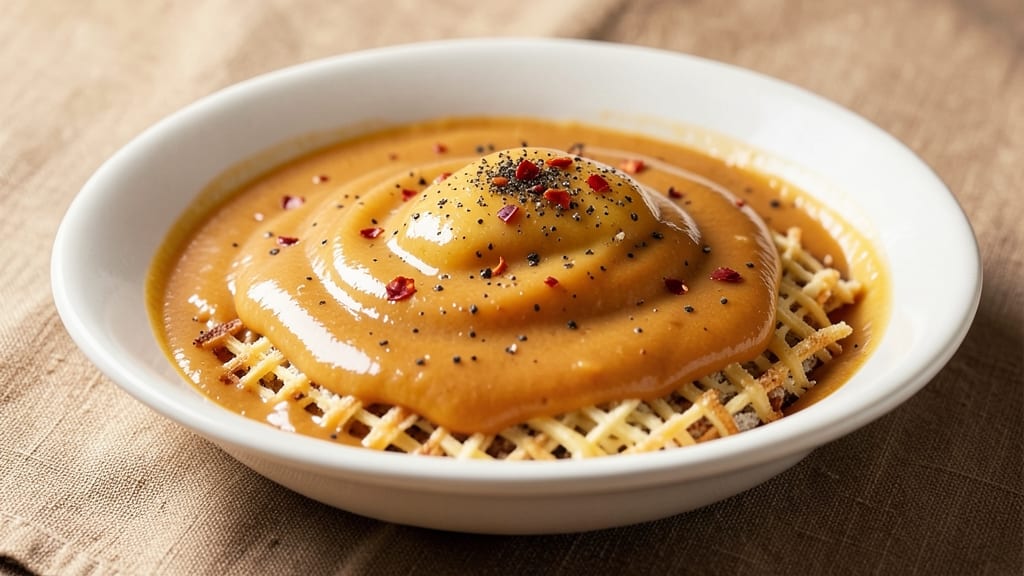
Alton Brown's cheese sauce recipe delivers that ultra-smooth, velvety texture without a single clump—no lumps, no graininess, just pure, luxurious creaminess. The secret lies in a precise roux technique and careful emulsification that transforms ordinary cheese into a restaurant-quality sauce.
I've perfected this version after years of testing, and it's become my go-to for everything from mac and cheese to dipping vegetables.
What sets this recipe apart is the method: a low-and-slow roux cooked to perfection, then whisked with warm milk before adding cheese. This gradual process prevents curdling and ensures the sauce remains silky smooth.
The result is a versatile sauce that works equally well on pasta, as a dip for breadsticks, or as a topping for baked potatoes—always creamy and never greasy.
By following these exact steps, you'll achieve a sauce that's rich yet light, with a velvety mouthfeel that clings perfectly to any dish. The key ingredients—sharp cheddar, Gruyère, and cream cheese—create depth of flavor, while the roux provides structure.
This isn't just cheese sauce; it's a game-changer for any meal.
The beauty of this recipe lies in its adaptability. Add a pinch of mustard for tang, fresh herbs for brightness, or a dash of smoked paprika for depth. Whether you're making it for a weeknight dinner or a special occasion, this sauce will elevate your dish to the next level.
Let's get started on creating the perfect batch.
Ingredients for alton brown cheese sauce
Eight essential ingredients transform into Alton Brown's signature velvety cheese sauce.
| Ingredient | Amount | Notes |
|---|---|---|
| Unsalted Butter 🧈 | ½ cup | Cold cut into small cubes |
| All-Purpose Flour 🌾 | ½ cup | Sifted for smooth texture |
| Sharp White Cheddar Cheese 🧀 | 2 cups | Shredded, block preferred |
| Gruyère Cheese 🧀 | 1 cup | Shredded, aged variety |
| Cream Cheese 🧀 | 8 oz | Full-fat, room temperature |
| Whole Milk 🥛 | 2 cups | Warmed to 160°F |
| Diamond Crystal Kosher Salt 🧂 | ½ tsp | Adjust to taste |
| Freshly Ground Black Pepper 🌶️ | ¼ tsp | Freshly cracked preferred |
| Dijon Mustard 🍯 | 1 tsp | For subtle tang |
The cheese selection makes all the difference here. Sharp white cheddar provides the tangy backbone, while aged Gruyère adds depth and complexity—skip the pre-shredded stuff (it gets gummy). For the best results, buy a wedge of Gruyère and shred it yourself using the large holes on your box grater. Whole milk is non-negotiable; skim or reduced-fat versions won't give you that luxurious texture. If you're feeling fancy, grab the milk straight from the fridge and warm it gently on the stove, stirring constantly until it reaches 160°F. This temperature is crucial for proper emulsification without curdling. The butter should be cold when you start, but trust the process—it'll melt into the roux perfectly.
No sharp cheddar? Extra-sharp cheddar works in a pinch, though the flavor will be slightly milder. Gruyère unavailable? Parmigiano-Reggiano adds a nice umami note, but reduce by 2 oz to maintain balance. The cream cheese can be swapped for cream cheese spread (like Philadelphia), though it'll be slightly lighter. For extra richness, add 1 oz of heavy cream to the milk. The mustard is purely optional but adds a subtle tang that rounds out the flavors—if you skip it, the sauce will still be delicious, just more straightforward. And if you're worried about lumps, sift the flour before adding it to the butter for a silky roux.
This sauce reheats beautifully—simply warm it gently on the stove, stirring constantly, until it reaches 160°F again. It keeps in the fridge for 3-4 days in an airtight container, though the flavor peaks within the first 2 days. For longer storage, freeze portions in ice cube trays, then transfer to a freezer bag. Thaw overnight in the fridge and reheat gently. The sauce thickens as it cools, so if it seems too stiff after reheating, thin it with a splash of warm milk. Leftovers make excellent mac and cheese topping or breadstick dip—just reheat and drizzle.
Why You'll Love This Recipe
- No-Fuss Technique: I swear by the roux method here—just melt butter, whisk in flour, and let it bubble. No lumps, no stress, just smooth magic in under 10 minutes. (Yes, even if I’m multitasking with a toddler on my hip.)
- Triple-Cheese Magic: That sharp cheddar hits first, Gruyère adds nutty depth, and cream cheese? It’s the secret to that velvety finish. Honestly, it’s the kind of sauce where every spoonful makes me pause mid-bite.
- Mac and Cheese MVP: Drizzle it over pasta, bake it into potatoes, or just eat it with a spoon—it’s my go-to for lazy nights or fancy dinner guests. Between us, it’s the only sauce I’ll let my picky teenager devour without complaint.
- Leftovers That Last: The best part? It reheats like a dream—no graininess, no sad texture. I make a double batch, freeze half, and still reach for it when I’m too tired to cook. (Budget win, too—cheese stretches far.)
Step-by-step instructions for Alton Brown's cheese sauce
Master this technique and you'll achieve a velvety, ultra-smooth sauce every time.
Melt Butter and Create a Smooth Roux
In a medium saucepan, melt the 0.5 cup unsalted butter over medium heat until it's completely liquid but not browned. This takes about 3-4 minutes. I like to use cold butter cut into small cubes—this helps create tiny butter particles that distribute evenly throughout the sauce.
Once melted, immediately whisk in the 0.5 cup all-purpose flour all at once. This creates a roux, which will thicken the sauce. Cook this mixture for 1-2 minutes, whisking constantly, until it turns a pale golden color and smells nutty. If it browns too quickly, reduce the heat to medium-low—a brown roux will add bitterness to your sauce.
Gradually Add Cheeses and Milk
Lower the heat to low and gradually sprinkle in the 2 cups sharp white cheddar cheese and 1 cup gruyère cheese while whisking continuously. The cheese should melt completely into the roux before adding more. I add the cheeses in small batches—about ¼ cup at a time—to prevent clumping. If you see any lumps forming, immediately whisk them away.
Once the cheeses are fully melted, slowly pour in the 2 cups whole milk (warmed to 160°F) while whisking vigorously. The milk should be added gradually to prevent the sauce from curdling. Keep whisking until the mixture is completely smooth and free of any lumps. This step is where most people go wrong—rushing the whisking leads to clumps.
Incorporate Cream Cheese and Seasonings
Add the 8 oz cream cheese to the sauce, whisking constantly until fully melted and smooth. The cream cheese adds richness and helps create that signature velvety texture. I like to cut it into small cubes first so it melts more evenly. If the sauce starts to thicken too much, add 1-2 tablespoons of milk at a time to reach your desired consistency.
Stir in the 0.5 tsp diamond crystal kosher salt, 0.25 tsp freshly ground black pepper, and 1 tsp dijon mustard. Taste and adjust the seasoning if needed—cheese sauces can vary in saltiness depending on the cheeses used. The mustard adds a subtle tang that balances the richness. Simmer the sauce for 2-3 minutes to let the flavors meld together.
Finish and Serve Immediately
Remove the sauce from heat and let it sit for 1-2 minutes to thicken slightly. The sauce should be smooth and glossy, with a velvety texture that coats the back of a spoon. If it's too thick, thin it with a splash of warm milk. For the best results, serve the sauce immediately while it's still hot—it thickens as it cools.
This cheese sauce is perfect for macaroni and cheese, grilled cheese sandwiches, or as a dipping sauce for veggies. The key to success lies in patience—whisking constantly and adding ingredients gradually ensures a silky, lump-free result every time.
Pro Tips For Making Alton Brown Cheese Sauce
- Cook Butter Slowly: Alton’s recipe calls for melting butter with flour—don’t rush it. Let the butter melt fully and foam before adding flour, or you’ll end up with a gritty, uneven sauce. I used to skip this, and the texture always felt off.
- Shred Cheese Fresh: Pre-shredded cheese has anti-caking agents that make the sauce grainy. Grate your own sharp cheddar and Gruyère just before adding, and sift out any big chunks. Trust me, the texture difference is night and day.
- Whisk Like You Mean It: When combining the cheese mixture with the roux, aggressively whisk on medium heat until it’s completely smooth. Lumps are the enemy here—don’t let the sauce sit too long without stirring, or you’ll regret it.
- Strain for Silkiness: After melting all the cheeses together, strain the sauce through a fine-mesh sieve into a clean pot. It’s extra work, but it removes any stray bits that can make the sauce feel heavy. (Yes, even if you’re in a hurry.)
Make-ahead tips for leftovers
Prep Ahead Strategy
Make your cheese sauce 2 days in advance for maximum flavor development. After completing the recipe, let it cool completely, then store it in an airtight container in the refrigerator.
The sauce will thicken slightly as it chills—just stir in 1-2 tablespoons of warm milk when reheating to restore its velvety consistency. I always double the recipe when prepping for the week because it disappears so fast! 🧈
Freezer-Friendly Method
For long-term storage, portion the sauce into 1-cup freezer-safe containers or ice cube trays. Once frozen solid, transfer to a ziplock bag with all air removed to prevent freezer burn. Thaw overnight in the fridge, then reheat gently on the stove over low heat while stirring constantly.
Never microwave—it creates a skin and ruins the texture. A splash of warm milk helps restore smoothness if needed.
Make-Ahead for Baking
Use pre-made cheese sauce as a mac and cheese base by mixing it with cooked pasta and baking at 375°F for 15-20 minutes. The sauce will thicken beautifully in the oven.
For extra richness, add 2 tablespoons of heavy cream to the reheated sauce before mixing. I like to prepare this ahead for game days—it’s always a crowd-pleaser! 🏈
Reheating Perfection
Reheat cheese sauce on the stovetop over medium-low heat in a saucepan, stirring frequently to prevent sticking. If it separates, whisk in 1 tablespoon of warm milk at a time until smooth. Avoid high heat—it can cause the sauce to curdle.
For best results, reheat only what you need to keep the texture optimal. Leftovers keep well for 3-4 days in the fridge, though flavor peaks within the first 2 days.
Portion Control Tips
Divide the sauce into 4-ounce portions for easy reheating. Store in small containers so you can grab just what you need without thawing the whole batch. For dipping sauces, freeze in 1-ounce portions—perfect for breadsticks or veggie trays.
Label containers with the date to track freshness. I keep a stash in my freezer labeled "Cheese Sauce Reserve" for emergencies. 💡
Sauce Consistency Hacks
If your reheated sauce is too thick, thin it with warm milk (not cold) to avoid shocking the mixture. For extra creaminess, add 1 ounce of cream cheese per cup of sauce while reheating.
The sauce will naturally thicken as it cools, so adjust consistency before serving. I find that reheating in a light-colored saucepan helps maintain the sauce’s color and prevents overcooking. 🌡️
Nutrition facts
Frequently asked questions
Why does your recipe use both sharp cheddar and Gruyère?
The sharp cheddar provides that classic tangy flavor we all love in cheese sauce, while Gruyère adds depth and a slightly nutty complexity. Together, they create a more balanced, restaurant-quality sauce. The Gruyère also melts more smoothly than some other cheeses, preventing graininess.
Can I make this sauce without a roux?
Technically yes, but the roux is what gives this sauce its signature velvety texture and prevents separation. For a quick version, you could use 2 tablespoons cornstarch mixed with 2 tablespoons cold milk, whisked into the warm milk before adding cheese. However, the texture won't be quite as smooth or rich.
How do I fix cheese sauce that's too thick?
Simply whisk in 1 tablespoon of warm milk at a time until you reach your desired consistency. Never use cold milk—it can cause the sauce to curdle. For extra insurance, add the milk while whisking over low heat to help it blend smoothly. The sauce will thicken again as it cools, so adjust before serving.
What's the best way to use leftover cheese sauce?
This versatile sauce works perfectly as a mac and cheese topping, grilled cheese sandwich filling, or dip for breadsticks and veggies. For baked dishes, mix with cooked pasta and bake at 375°F for 15-20 minutes. For dipping, serve warm with a sprinkle of fresh herbs or black pepper. It reheats beautifully on the stovetop!
Why does my cheese sauce sometimes separate?
Separation usually happens when the sauce is heated too quickly or when cold ingredients are added to hot sauce. Always whisk constantly when adding cheese and milk, and keep heat at low-medium. If it separates, whisk in 1 tablespoon of warm milk while stirring over low heat** until smooth again. The cream cheese helps stabilize the sauce, so make sure it's fully melted and incorporated.