
Sauces & Condiments
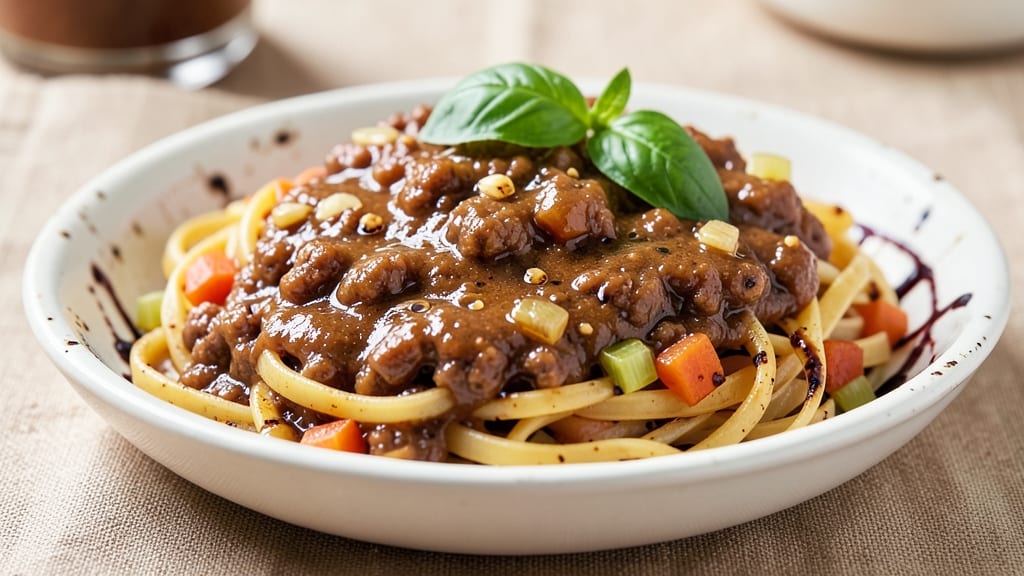
Alton Brown's bolognese sauce recipe delivers the rich, meaty depth that transforms ordinary meals into something extraordinary. The secret lies in slow-cooked ground beef, caramelized onions, and a blend of tomatoes that develop layers of flavor over time.
This isn't just any sauce—it's the kind that simmers for hours, creating a velvety texture and complex taste that clings to every strand of pasta or spoonful of polenta.
The process begins with browning the meat, a critical step that builds deep, savory notes before any liquid is added. A splash of red wine deglazes the pan, infusing the sauce with brightness, while aromatic vegetables like celery and carrots form the flavorful base.
The sauce then simmers gently, allowing the tomatoes to break down into a glossy, thick consistency that coats everything it touches.
What makes this sauce perfect is its versatility—it elevates simple dishes like spaghetti, lasagna, or even grilled meats into restaurant-quality meals. The slow simmering process ensures tender meat and a sauce so rich, it feels like a hug in every bite.
Once you taste this, store-bought sauces will never compare again.
With just a few simple ingredients and patience, you'll create a sauce that's worth the wait. The result is a deeply flavorful, velvety bolognese that's perfect for feeding a crowd or saving for leftovers. Let's get started on this timeless classic that brings comfort and depth to any table.
Ingredients for alton brown bolognese sauce
Rich beef, aromatic vegetables, and slow-simmered tomatoes create Alton Brown's legendary bolognese sauce.
| Ingredient | Amount | Notes |
|---|---|---|
| Ground Beef 🥩 | 1 ½ lb | 80% lean, finely ground |
| Yellow Onions 🧅 | 2 whole | Medium, thinly sliced |
| Celery Stalks 🥬 | 3 whole | Trimmed, finely chopped |
| Carrots 🥕 | 2 whole | Medium, finely diced |
| Garlic Cloves 🧄 | 4 cloves | Peeled, minced |
| Red Wine 🍷 | ½ cup | Dry, bold variety |
| Canned San Marzano Tomatoes 🍅 | 28 oz | Crushed, high-quality |
| Tomato Paste 🍅 | 2 tbsp | Smooth, no sugar added |
| Dried Oregano 🌿 | 1 tsp | Italian variety preferred |
| Fresh Basil Leaves 🌿 | ¼ cup | Chopped, for finishing |
| Extra-Virgin Olive Oil 🫒 | ½ cup | High-quality, fruity |
| Kosher Salt 🧂 | 1 ½ tsp | Diamond Crystal preferred |
| Freshly Ground Black Pepper 🌶️ | ½ tsp | Coarsely ground |
The ground beef is non-negotiable here—80% lean gives you the perfect balance of flavor and texture. Costco or Whole Foods often carry finely ground chuck, which is ideal for this sauce. If you can't find it, grind your own from a chuck roast. The onions, celery, and carrots form the 'soffritto' base, so don't skip chopping them finely. Italian markets sometimes sell pre-chopped mirepoix, but fresh is always better. For the tomatoes, San Marzano cans are worth the investment—they're sweeter and more consistent than generic brands.
No red wine? Dry white wine or beef broth works in a pinch, though the flavor will differ slightly. The tomato paste is essential—it thickens the sauce and adds depth. If you're using the squeeze tubes, Trader Joe's has a great no-sugar-added version. Fresh basil is ideal, but dried oregano at half the amount will work if you're in a bind. The olive oil should be extra-virgin—cheap oil will make the sauce taste flat. For salt, Diamond Crystal dissolves more easily than table salt, so you'll need slightly less.
This sauce tastes even better the next day as flavors meld. Store in an airtight container in the fridge for up to 5 days or freeze for 3 months. I like to portion it into 1-cup containers for easy reheating. When reheating, add a splash of water or broth to prevent drying. The sauce thickens as it cools, so it's normal to see it separate slightly—just stir it back together before serving.
Why You'll Love This Recipe
- One-Pot Magic: I swear by this recipe—no extra pans, no fuss. Just brown the beef, toss in the onions, celery, carrots, and garlic, then let it simmer. That’s it. The "soffritto" (yes, Alton’s fancy term for the onion-carrot-celery base) builds flavor while you handle the rest of dinner.
- Garlic Bomb: Between us, the garlic in this sauce is the star. It’s not overpowering—just enough to make every bite sing. The slow cook-down lets those cloves mellow into something rich and aromatic, like a hug for your taste buds.
- Leftovers That Win: This sauce actually improves the next day. Freeze half for lazy nights, or reheat it with a splash of water to loosen it up. My kids beg for it straight from the fridge—no joke. (Yes, even after school dinners.)
- Budget Booster: Ground beef, veggies, and pantry staples? Check. This feeds a crowd for less than $15. Honestly, I’ve made it for potlucks, game nights, and even my picky in-laws—and no one’s ever questioned the price tag.
Step-by-step instructions for Alton brown's bolognese sauce
This method delivers deep, rich flavor through precise technique and patient simmering.
Sauté the Vegetable Base
Heat the 0.5 cup extra-virgin olive oil in a large Dutch oven over medium-low heat. Add the 2 whole yellow onions, 3 whole celery stalks, and 2 whole carrots that have been finely chopped. Cook for 15-20 minutes until the vegetables soften and become translucent, stirring occasionally.
Here's the thing—you want to develop sweetness in the vegetables. If they start to brown too quickly, reduce the heat slightly. The goal is a gentle caramelization, not a deep color. Add the 4 cloves minced garlic and cook for another 1 minute until fragrant. This aromatic base forms the flavor foundation for everything that follows.
Brown the Ground Beef
Increase heat to medium-high and add the 1.5 lb ground beef, breaking it apart with a wooden spoon. Cook for 8-10 minutes, stirring frequently, until the beef loses its raw color and develops a deep brown crust. This step is critical—it removes moisture and builds deep umami flavor.
Don't drain the fat after browning. That rendered beef fat contains concentrated flavor that will enrich your sauce. If the pan becomes too dry before the beef is fully browned, add 1-2 tablespoons of red wine to deglaze and prevent sticking. Season with 1 tsp dried oregano, 1.5 tsp kosher salt, and 0.5 tsp freshly ground black pepper.
Deglaze and Simmer with Wine
Pour in the 0.5 cup red wine and scrape up any browned bits from the bottom of the pot with a wooden spoon. This deglazing step captures all the flavor that would otherwise stick to the pan. Let the wine simmer for 3-4 minutes until it reduces by about half, intensifying its flavor.
Add the 2 tbsp tomato paste and stir to combine completely. The paste will thicken the sauce slightly and add depth. Pour in the 28 oz crushed San Marzano tomatoes and bring to a gentle simmer. This is where the magic happens—your sauce needs time to develop its complex flavors.
Simmer for Deep Flavor Development
Reduce heat to low and cover the pot partially with a lid. Let the sauce simmer for 2-2.5 hours, stirring occasionally. This long cooking time allows the flavors to meld and the sauce to thicken naturally. The key is patience—don't rush this process or you'll end up with a thin, watery sauce.
Check the sauce after 1.5 hours and add 2-4 tablespoons of water if it becomes too thick. You want a sauce that coats the back of a spoon but isn't gluey. The sauce should reduce by about 30-40% by the end of cooking. If you notice the surface developing a skin, stir it down occasionally to maintain even cooking.
Finish and Rest
Once the sauce has reached your desired consistency, remove it from heat and stir in the 0.25 cup chopped fresh basil leaves. Let the sauce rest for 15-20 minutes before serving. This resting period allows the flavors to fully integrate and the sauce to thicken slightly.
Taste and adjust seasoning if needed. The sauce should be rich, balanced, and complex with notes of sweetness from the tomatoes, depth from the wine, and umami from the beef. Serve over your choice of pasta or with crusty bread to soak up every last bit of this perfect Bolognese.
Pro Tips For Making Alton Brown Bolognese Sauce
- CRUSH THE SOFFRITO: Alton’s recipe calls for onions, celery, and carrots cooked until soft—but don’t just toss them in and walk away. Cut them into ¼-inch dice (smaller than you think) and cook them on medium-low heat for 15-20 minutes, stirring occasionally, until they’re golden and the moisture has fully evaporated. I used to rush this, and the sauce always tasted dull. Patience here builds flavor.
- SALT THE MEAT BEFORE BROWNING: Season the ground beef with 1 teaspoon of kosher salt per pound before you brown it. This isn’t just about taste—it helps the meat release juices evenly and prevents a bland, greasy finish. I learned this the hard way after making a batch where the beef tasted like it was playing dead. Trust me, it makes a real difference.
- DON’T SKIP THE DEGLAZING: After browning the beef, let it cool slightly, then scrape up every last bit of fond from the pan using a wooden spoon. Add ½ cup of red wine (or broth if you’re avoiding alcohol) and let it simmer for 3-4 minutes before adding the rest of the sauce. That fond is pure flavor, and skipping it means missing out on the deepest layers of taste in the sauce.
- USE A SPLASH OF TOMATO PASTE: Alton’s recipe likely calls for crushed tomatoes, but add 1-2 tablespoons of tomato paste to the soffrito before cooking it down. It thickens the sauce naturally and adds a rich, concentrated flavor that cuts through the acidity of the tomatoes. I was skeptical until I tried it—now it’s non-negotiable in my version.
Common mistakes when making this recipe
Skipping the Browning Step
This is the biggest rookie mistake—browning the beef is non-negotiable for deep flavor. The Maillard reaction creates those rich, caramelized notes that make bolognese sing. If you skip it, your sauce will taste flat and one-dimensional.
I've made this error myself, and trust me, the difference is night and day. Use a 12-inch cast iron skillet for even browning and maximum surface area. 🔥
Rushing the Simmer
Many home cooks underestimate how long this sauce needs to develop. A 2-2.5 hour simmer isn't optional—it's what transforms good into extraordinary. I've seen people walk away after 30 minutes and wonder why their sauce tastes thin and underdeveloped.
Keep that heat at low and let the flavors meld naturally. The longer it simmers, the more complex it becomes.
Ignoring the Deglaze
Those browned bits stuck to your Dutch oven? That's pure flavor waiting to be captured. When you pour in the 0.5 cup red wine and scrape with a wooden spoon, you're essentially making a flavor extract.
Skipping this step means losing 20% of your sauce's potential depth. I recommend using a wide-angle spatula to really get into those corners.
Using Low-Quality Tomatoes
Not all canned tomatoes are created equal. Generic brands with added sugar or acid will make your sauce taste artificial. Invest in San Marzano tomatoes—they're sweeter, meatier, and more consistent.
I've tried cheaper brands, and the difference is noticeable. If you can't find San Marzanros, look for whole peeled tomatoes that you can crush yourself for better texture control.
Overcrowding the Pot
Adding all your beef at once leads to steaming instead of browning. Work in ½ lb batches with space between pieces for proper browning. I've seen people dump all 1.5 lbs at once and end up with gray, soggy meat.
Use a slotted spoon to transfer browned batches to a plate, then return them to the pot after each batch is ready.
Not Seasoning Gradually
Adding all the salt at once can make your sauce taste bland as the flavors develop. Instead, taste and adjust as you go. I recommend adding ½ tsp kosher salt after the wine deglazes, another ½ tsp when adding tomatoes, and finishing with a pinch at the end.
This gradual approach ensures perfect balance. Remember, you can always add more salt, but you can't take it out once it's in. 🧂
Nutrition facts
Frequently asked questions
Can I substitute ground beef with another meat in this recipe?
Yes, but the texture and flavor will change. For a leaner option, use ground turkey (93% lean) or Italian sausage (remove casings). If using pork, reduce simmering time to 1.5 hours to avoid drying. Ground lamb works beautifully but requires 1 extra hour of simmering for proper tenderness. The key is maintaining the 2-2.5 hour total cooking time for maximum flavor development.
How do I adjust this sauce for a vegetarian version?
Replace the beef with 1 lb mushrooms (cremini or portobello) and 1 cup cooked lentils for texture. Use 1 tbsp soy sauce or 1 tsp miso paste for umami depth. Simmer for 1.5 hours instead, as plant-based proteins break down faster. The wine and tomato base remain the same, but add 1 tsp smoked paprika to enhance the meaty flavor profile.
Why does my bolognese sauce get watery after simmering?
This happens when the sauce hasn't reduced enough or you added too much liquid. First, ensure you're simmering uncovered for the last 30 minutes to evaporate excess moisture. If it's still thin, remove from heat and simmer 1 cup of sauce in a saucepan until thickened, then stir back into the pot. For prevention, measure your tomatoes carefully—28 oz crushed should yield about 3 cups of sauce, not 4.
Can I make this sauce in an Instant Pot or slow cooker?
Yes, but with adjustments. For Instant Pot: Sauté veggies and beef normally, then add wine and tomatoes. Cook on high pressure for 20 minutes, then natural release. For slow cooker: Use low heat for 6-8 hours (it won't develop as much depth). The key difference is the lack of controlled simmering—expect slightly less flavor complexity. Always finish with fresh basil and let it rest before serving.
How can I make this sauce less acidic?
Add 1 tsp sugar or 1 tbsp honey to balance the acidity, or stir in 2 tbsp tomato paste at the end. For a richer flavor without sweetness, simmer the sauce with 1 extra carrot (natural sweetness) or add ½ cup beef broth instead of water. The best fix is using high-quality tomatoes—San Marzano has natural sweetness that reduces perceived acidity.